Loading Fruit Details...
Please wait while we fetch nutritional information and health benefits
Please wait while we fetch nutritional information and health benefits
Recommended Products
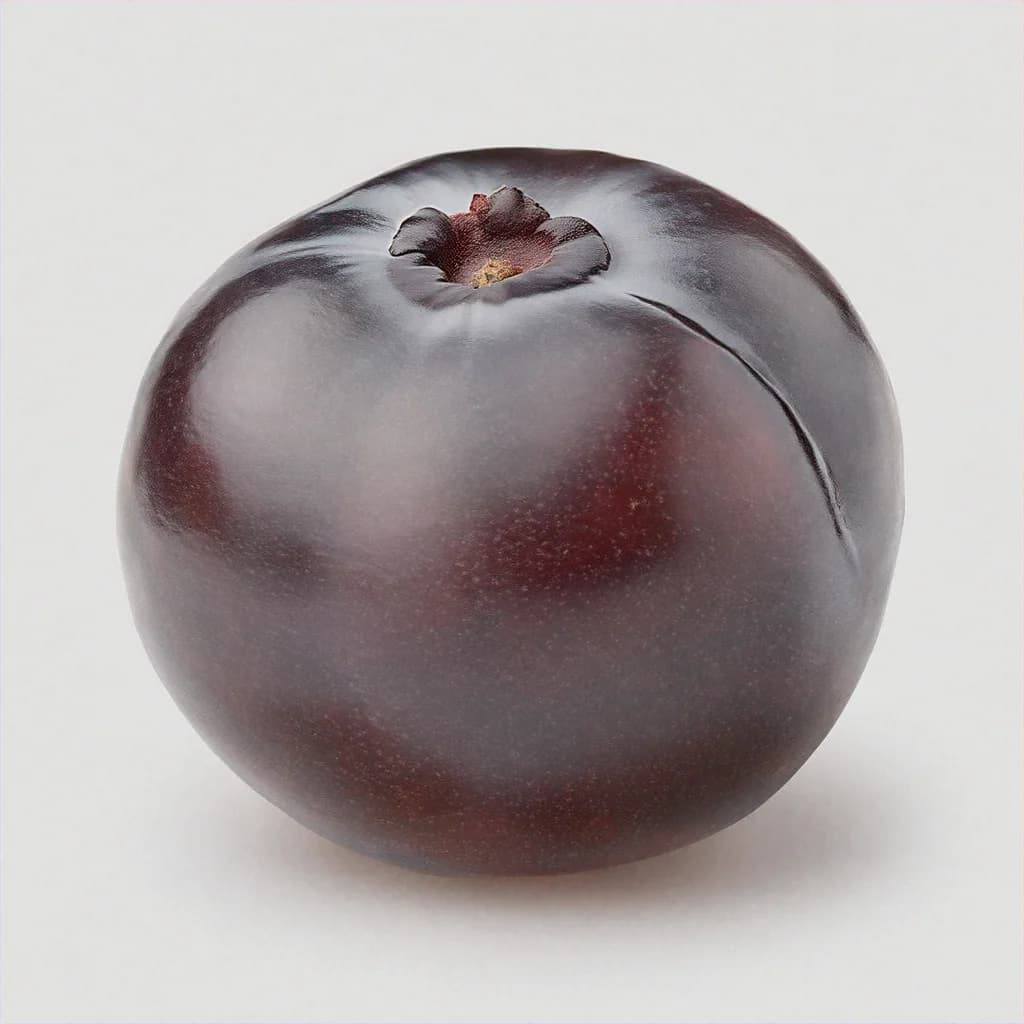
Viburnum lentago
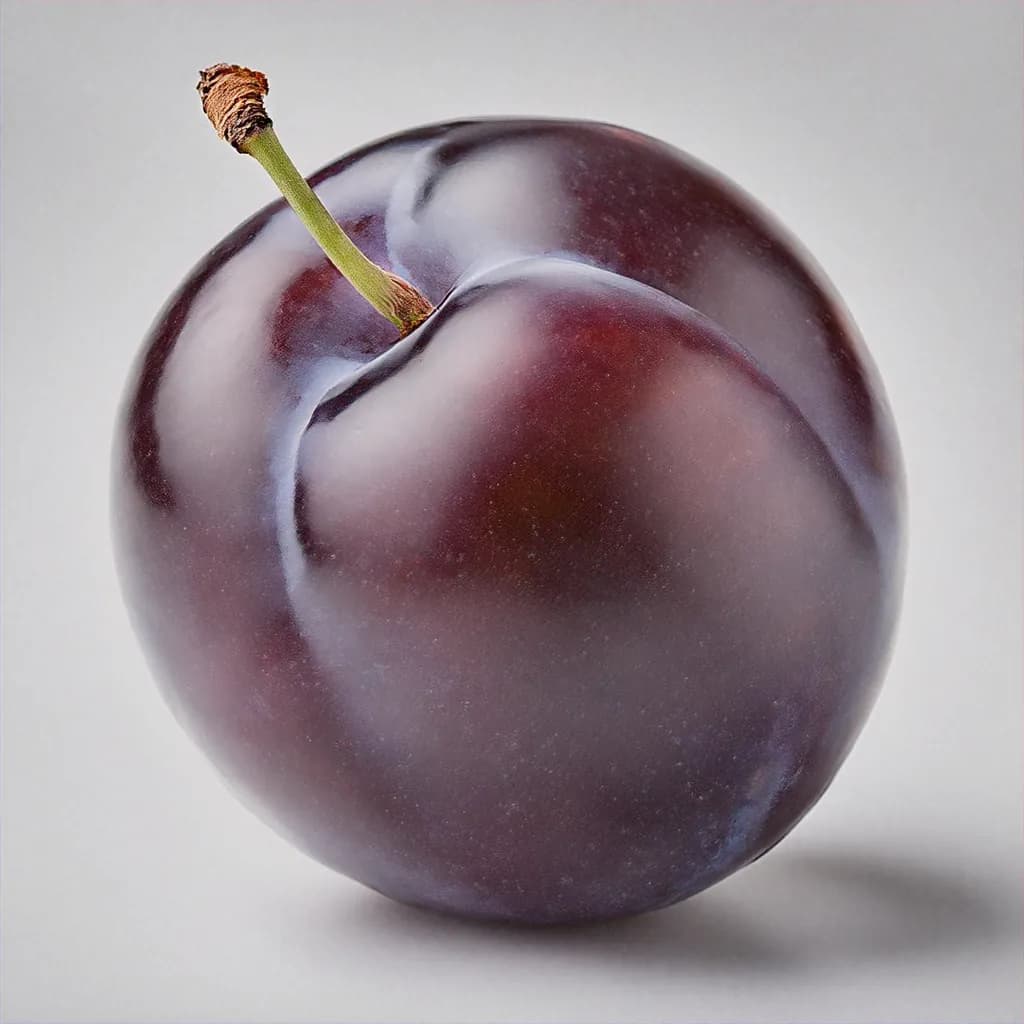
Nannyberry, scientifically known as Viburnum lentago, is a delightful and underappreciated fruit native to North America. This small, oval-shaped berry boasts a deep blue-black hue when ripe, with a delicate balance of sweet and tart flavors. Its flesh is juicy and slightly pulpy, encasing a single seed. Nannyberries grow on deciduous shrubs or small trees, thriving in moist, well-drained soils. Historically, indigenous communities valued nannyberries for their culinary and medicinal properties. Today, they are enjoyed fresh, dried, or in preserves, and are celebrated for their rich antioxidant content and potential health benefits, including supporting immune function and promoting heart health. With their vibrant color and versatile uses, nannyberries are a hidden gem in the world of fruit, deserving of greater recognition and appreciation.
Explore Nannyberry in stunning detail
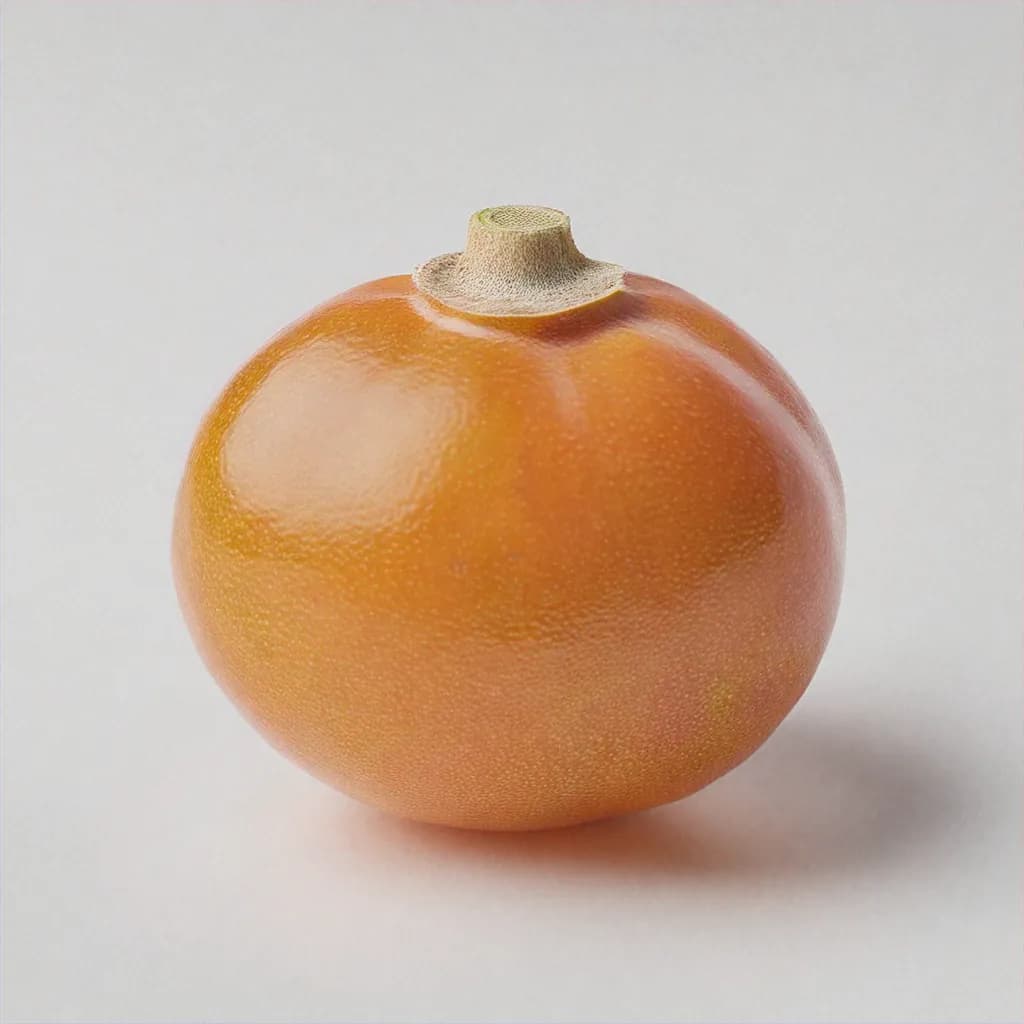
Nannyberry - Main View
Per 100g
Per 100g
Nutrition breakdown for one serving
North America
Nannyberries have been used by indigenous communities for centuries, both as a food source and for medicinal purposes. The fruit was traditionally dried for winter storage or used fresh in various dishes.
Late summer to early fall
Each variety offers unique flavors, textures, and culinary applications
Keep your fruit fresh and delicious for longer
Look for nannyberries with a deep blue-black color.
Select berries that are plump and firm to the touch.
Avoid berries with signs of mold, shriveling, or discoloration.
Store fresh nannyberries in the refrigerator in a sealed container.
For longer storage, freeze nannyberries in an airtight bag or container.
Drying nannyberries is another effective preservation method.
Preserve freshness for months
Wash and dry nannyberries thoroughly before freezing.
Spread the berries on a baking sheet and freeze for 2-3 hours before transferring to an airtight container.
Label frozen items with the date to track freshness. Most fruits maintain quality for 2-3 months when properly frozen. For best results, use airtight containers or freezer bags to prevent freezer burn.
Discover delicious possibilities
Nannyberries are not known to be a common allergen, but individuals with sensitivities to related fruits should exercise caution.
Nannyberries are generally low in pesticide residues, but organic options are available for those concerned about exposure.
Surprising trivia you'll love!
Nannyberries were traditionally used by Native American tribes for medicinal purposes, including treating colds and fevers.
The nannyberry shrub is also known as 'sheepberry' or 'sweet viburnum' due to its sweet and tart flavor profile.
Nannyberries have a sweet-tart flavor, similar to a blend of blueberries and cranberries.
Ripe nannyberries are deep blue-black in color and slightly soft to the touch.
Yes, nannyberries can be frozen for long-term storage. Wash and dry them thoroughly before freezing.
Nannyberries can be used in jams, baked goods, smoothies, and salads.
Nannyberries have a moderate sugar content of 8g per 100g, making them a balanced choice for a sweet treat.
Nannyberries are generally safe, but individuals on blood-thinning medications should consult a healthcare provider due to the fruit's potential anticoagulant effects.
Nannyberries are generally safe for pets in small quantities, but it is best to consult a veterinarian before introducing new foods to their diet.
Sustainability insights
Nannyberries are a sustainable fruit choice as they are native to North America and require minimal water or pesticides to grow.
Low, as nannyberries are often locally sourced and require minimal processing.
Moderate, as nannyberries thrive in moist but well-drained soils.
Nannyberries are primarily available locally in North America, reducing the environmental impact of transportation.
We aim to keep this Nannyberry profile accurate and easy to understand. Nutrition values and % Daily Value figures are based on established reference databases and standard daily value guidance.
Last updated: October 4, 2026
Medical disclaimer
This page is for general educational purposes and does not replace professional medical advice.
Found an issue? Contact us.