Loading Fruit Details...
Please wait while we fetch nutritional information and health benefits
Please wait while we fetch nutritional information and health benefits
Recommended Products
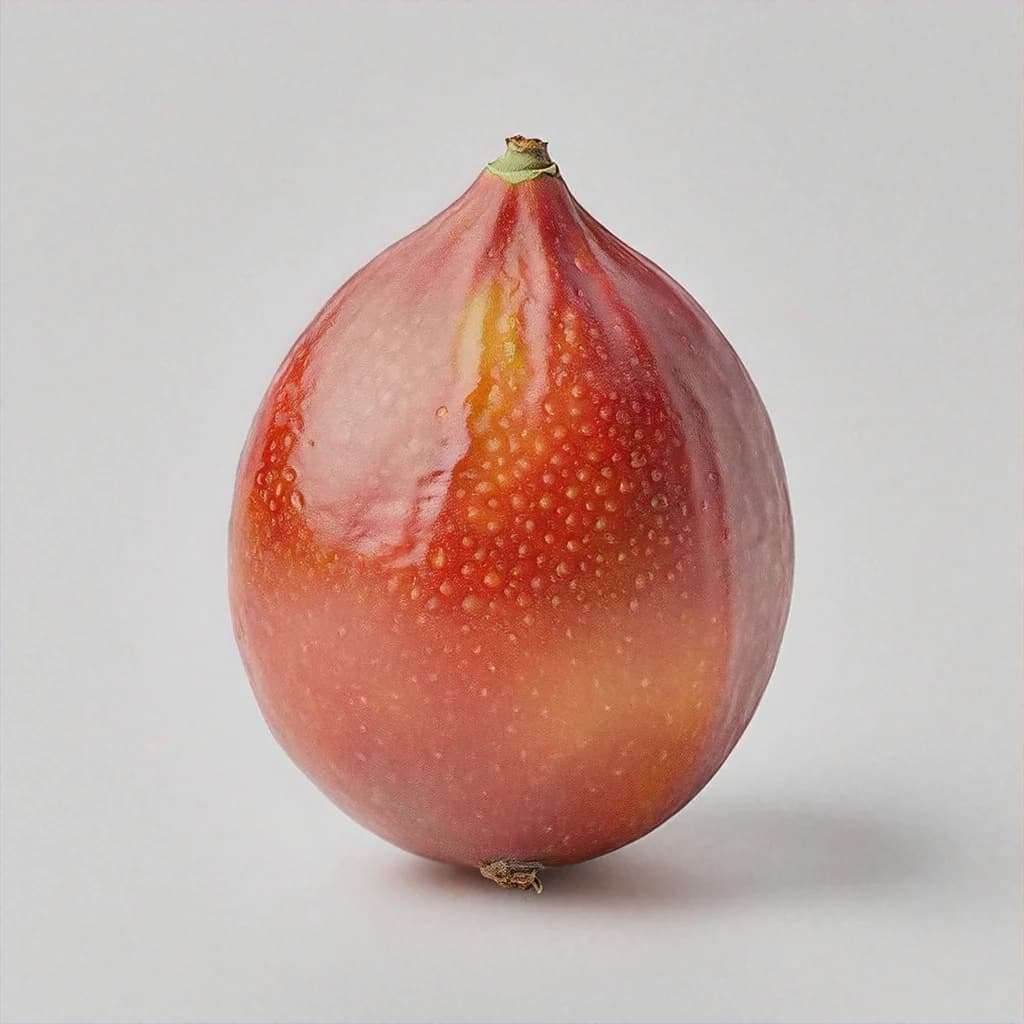
Artocarpus lakoocha
Lakoocha, scientifically known as Artocarpus lakoocha, is a tropical fruit native to Southeast Asia, particularly Thailand and Myanmar. This exotic fruit belongs to the mulberry family and is often referred to as 'Monkey Jack' or 'Monkey Fruit.' Lakoocha is prized for its unique taste, which combines sweet and tangy notes with a hint of earthiness. The fruit’s flesh is soft and somewhat fibrous, encasing small, edible seeds. Rich in vitamins, minerals, and antioxidants, Lakoocha offers numerous health benefits. It is commonly consumed fresh, dried, or incorporated into traditional desserts and beverages. Its versatility and nutritional profile make it a beloved staple in regional cuisines and a fascinating addition to global culinary exploration.
Explore Lakoocha in stunning detail
Lakoocha - Main View
Per 100g
Per 100g
Nutrition breakdown for one serving
Southeast Asia
Lakoocha has been cultivated in Southeast Asia for centuries, valued for its nutritional content and medicinal properties. It has been a staple in traditional cuisines and is often used in desserts and beverages.
June to August
Each variety offers unique flavors, textures, and culinary applications
Keep your fruit fresh and delicious for longer
Look for Lakoocha fruits with a vibrant yellow-orange hue, indicating ripeness.
Avoid fruits with bruises, blemishes, or an overly soft texture.
Fruits with a slight give to the touch are ideal for immediate consumption.
Store unripe Lakoocha at room temperature until ripe.
Refrigerate ripe fruits to extend shelf life.
Preserve freshness for months
Freeze peeled and sliced Lakoocha for up to 3 months.
Use frozen Lakoocha in smoothies or desserts.
Label frozen items with the date to track freshness. Most fruits maintain quality for 2-3 months when properly frozen. For best results, use airtight containers or freezer bags to prevent freezer burn.
Discover delicious possibilities
Individuals with latex allergies may experience cross-reactivity with Lakoocha due to its botanical relationship.
Lakoocha may contain residues from pesticides used during cultivation. Wash thoroughly before consumption.
Surprising trivia you'll love!
Lakoocha is often called 'Monkey Jack' because monkeys love to eat it.
In Thailand, Lakoocha is a popular ingredient in traditional desserts and snacks.
Lakoocha has a sweet and tangy flavor with earthy undertones, similar to a combination of jackfruit and mango.
Ripe Lakoocha has a vibrant yellow-orange color and a slight give when gently pressed. Avoid fruits that are overly soft or have blemishes.
Store unripe Lakoocha at room temperature until ripe, then refrigerate to extend its shelf life.
Yes, Lakoocha can be used in jams, desserts, and even incorporated into savory dishes for a unique flavor.
Lakoocha contains about 20g of sugar per 100g, which is moderate compared to other fruits. It also provides fiber and nutrients.
Lakoocha is generally safe for most people. However, individuals with latex allergies may experience cross-reactivity with Lakoocha.
Yes, Lakoocha can be peeled, sliced, and frozen for up to 3 months. It is great for smoothies or desserts.
Sustainability insights
Lakoocha is a sustainable crop, often grown in agroforestry systems that promote biodiversity.
Low, as it is primarily grown locally in Southeast Asia.
Moderate, requiring regular irrigation during dry seasons.
Better to consume locally grown Lakoocha to reduce environmental impact.
We aim to keep this Lakoocha profile accurate and easy to understand. Nutrition values and % Daily Value figures are based on established reference databases and standard daily value guidance.
Last updated: September 30, 2026
Medical disclaimer
This page is for general educational purposes and does not replace professional medical advice.
Found an issue? Contact us.