Loading Fruit Details...
Please wait while we fetch nutritional information and health benefits
Please wait while we fetch nutritional information and health benefits
Recommended Products
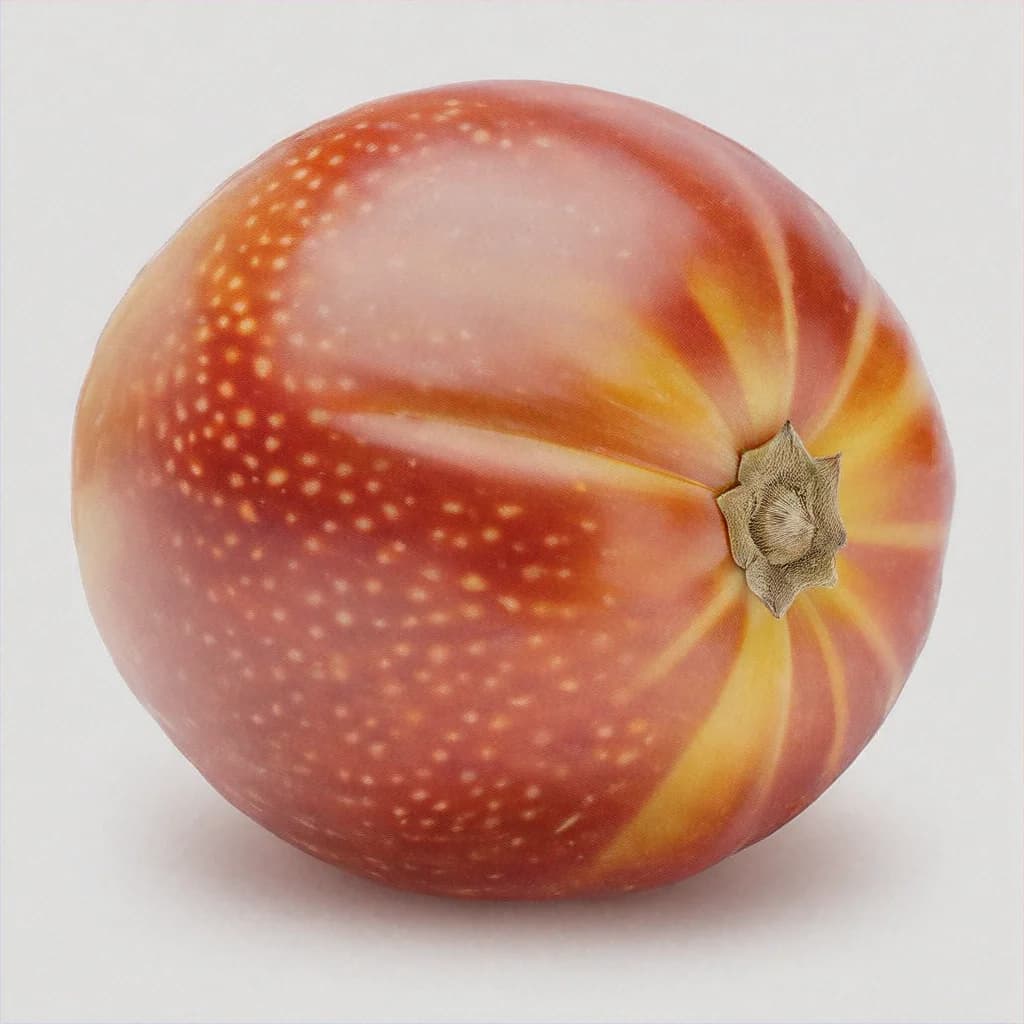
Byrsonima crassifolia
Murici, scientifically known as Byrsonima crassifolia, is a tropical fruit native to South America, particularly the Amazon rainforest. This vibrant yellow fruit grows on a medium-sized tree and is renowned for its tangy, slightly sweet flavor. Murici is often enjoyed fresh or made into jams, juices, and desserts. Its pulp is rich in vitamins, minerals, and antioxidants, making it a nutritional powerhouse. Traditionally, murici has been used for its medicinal properties, aiding in digestion and boosting the immune system. Its unique taste and health benefits have made it a popular ingredient in both traditional and modern cuisines.
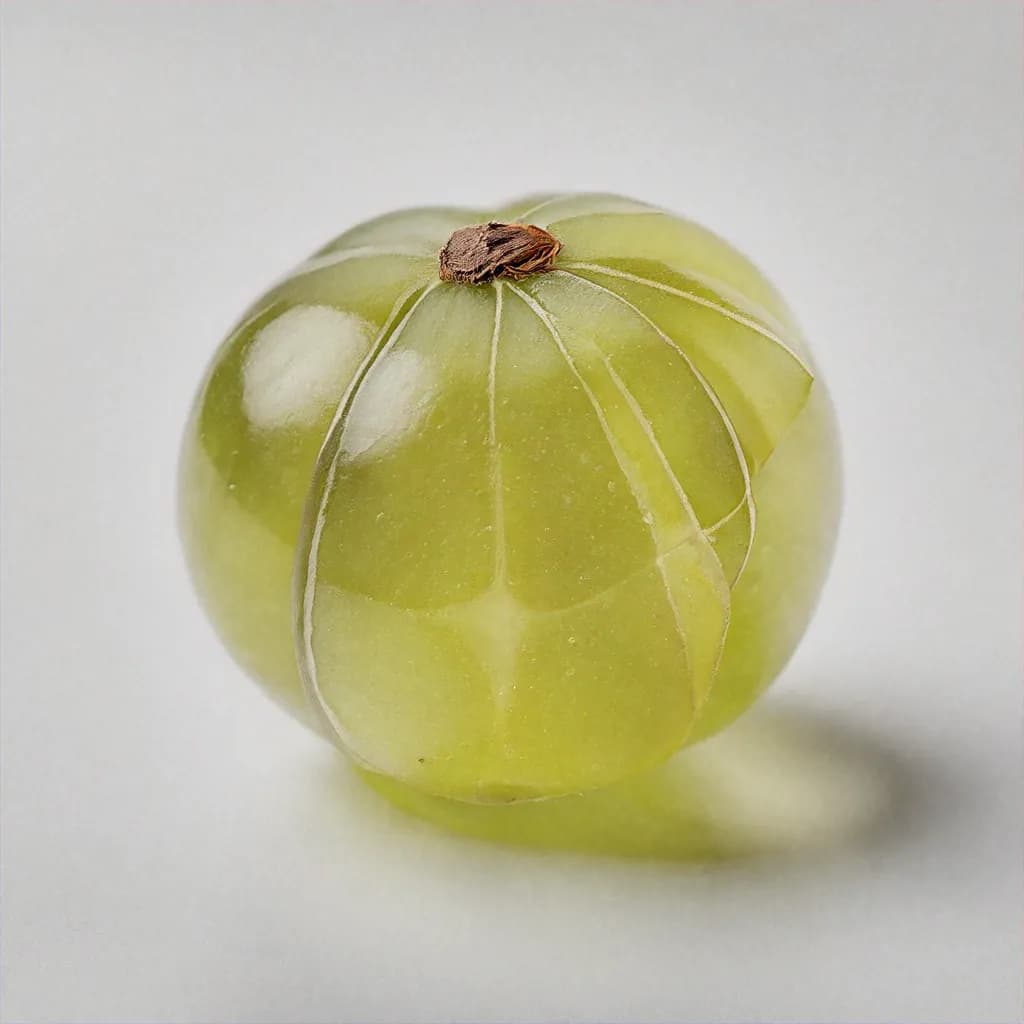
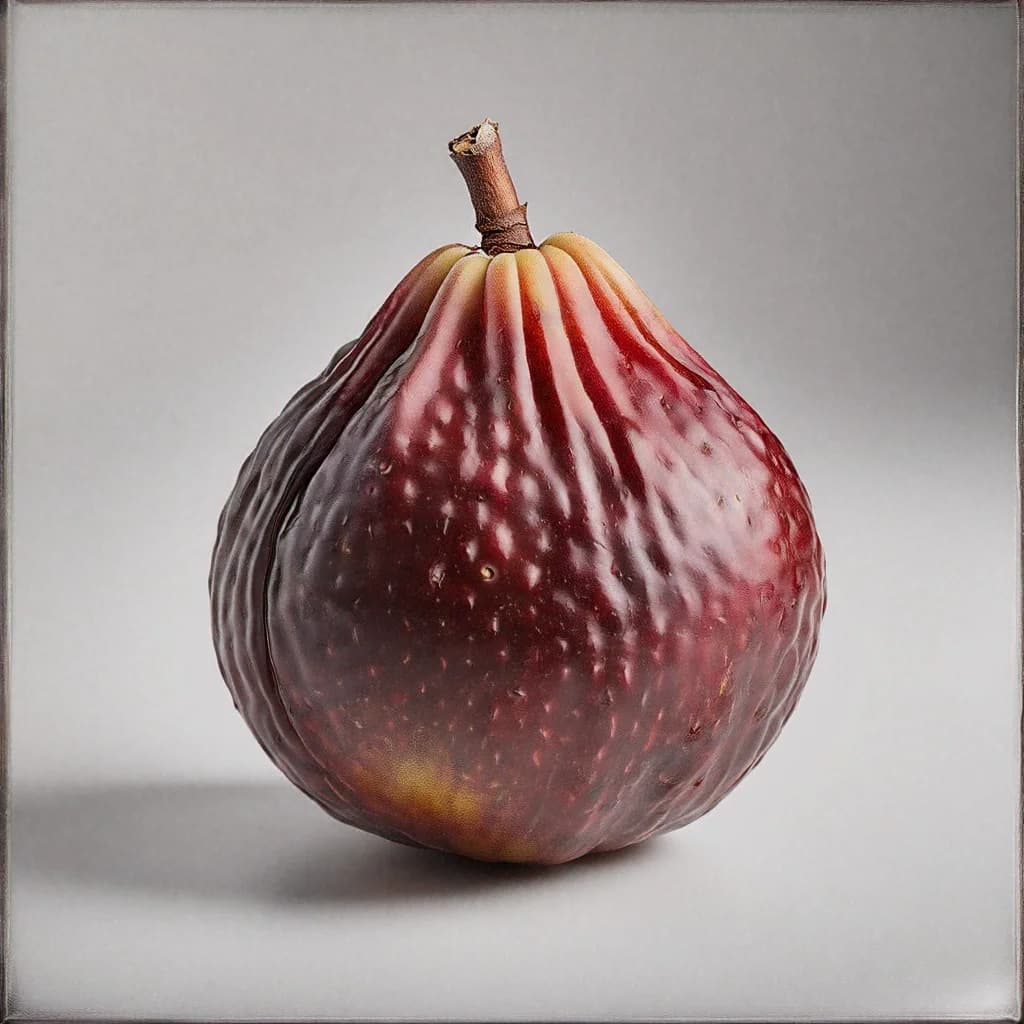
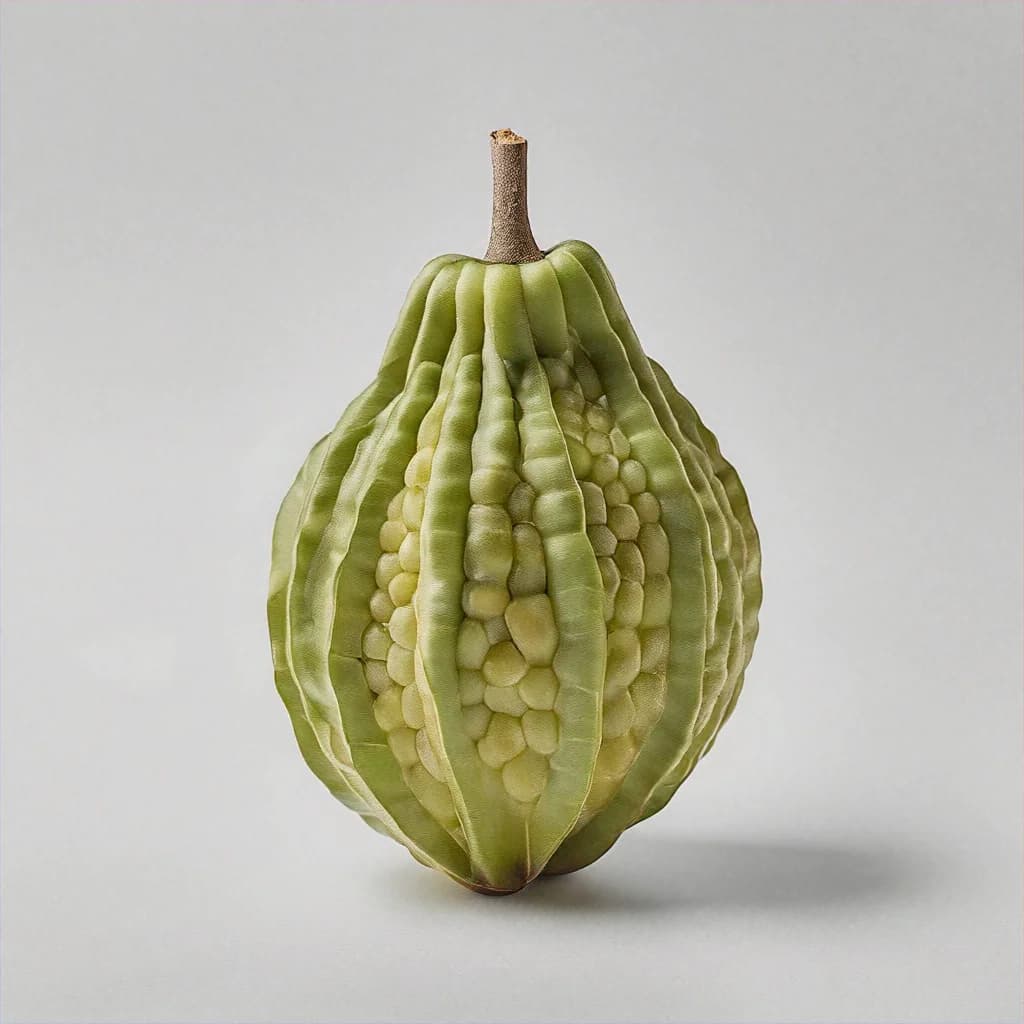
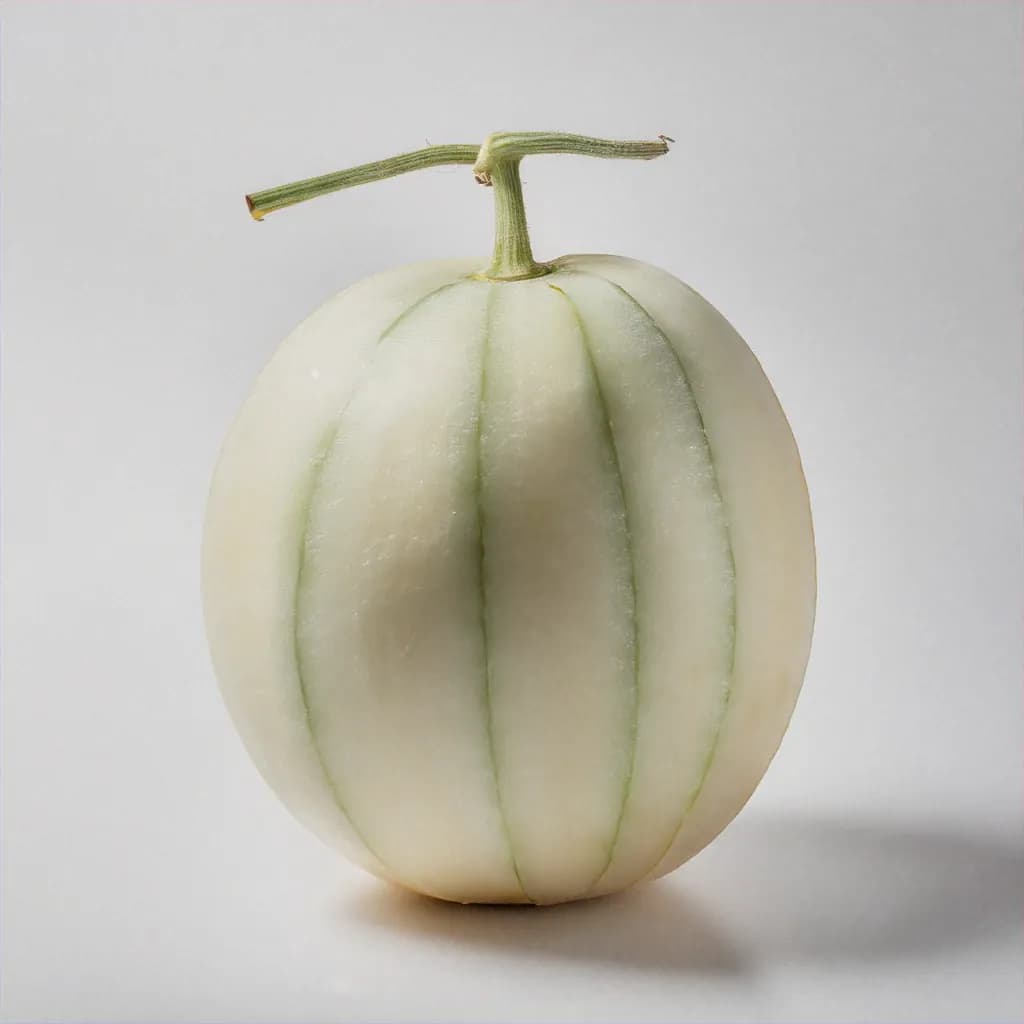
Explore Murici in stunning detail
Murici - Main View
Per 100g
Per 100g
Nutrition breakdown for one serving
Amazon Rainforest, South America
Murici has been cultivated in the Amazon region for centuries, traditionally used by indigenous communities for its medicinal properties and nutritional value.
Late spring to early summer
Each variety offers unique flavors, textures, and culinary applications
Keep your fruit fresh and delicious for longer
Select murici fruits that are bright yellow and free of blemishes.
Avoid fruits with soft spots or signs of mold.
Store murici at room temperature for up to 3 days.
Refrigerate to extend shelf life to 1 week.
Preserve freshness for months
Freeze murici pulp in airtight containers for up to 6 months.
Puree the fruit before freezing for easier use in smoothies or desserts.
Label frozen items with the date to track freshness. Most fruits maintain quality for 2-3 months when properly frozen. For best results, use airtight containers or freezer bags to prevent freezer burn.
Discover delicious possibilities
Individuals with allergies to tropical fruits should exercise caution when consuming murici.
Murici is typically grown with minimal pesticide use, but organic options are recommended when available.
Surprising trivia you'll love!
Murici is often referred to as the 'Amazonian superfruit' due to its high nutritional value.
In Brazil, murici is a popular ingredient in traditional desserts and beverages.
Murici has a tangy, slightly sweet flavor with a hint of acidity, similar to a combination of apricot and cranberry.
Ripe murici fruits are bright yellow and slightly soft to the touch. Avoid fruits that are green or overly hard.
Yes, murici pulp can be frozen in airtight containers for up to 6 months. Freezing is a great way to preserve the fruit for later use.
Murici can be eaten fresh, blended into smoothies, or made into jams and desserts. Its tangy flavor pairs well with other tropical fruits.
Yes, murici is low in calories and high in fiber, making it a great addition to a weight loss diet. Its fiber content helps promote feelings of fullness.
Murici is generally safe for consumption. However, individuals with allergies to tropical fruits should exercise caution. Overconsumption may cause digestive discomfort.
Yes, murici has been used traditionally for its medicinal properties, including aiding digestion and boosting the immune system. However, scientific research is limited.
Sustainability insights
Murici is a sustainable fruit, as it is typically grown in its natural habitat without the need for intensive farming practices.
Low, as it is often locally sourced in its native regions.
Moderate, as murici trees are adapted to tropical climates and do not require excessive irrigation.
Locally sourced murici is preferred for freshness and reduced environmental impact.
We aim to keep this Murici profile accurate and easy to understand. Nutrition values and % Daily Value figures are based on established reference databases and standard daily value guidance.
Last updated: October 5, 2026
Medical disclaimer
This page is for general educational purposes and does not replace professional medical advice.
Found an issue? Contact us.