Loading Fruit Details...
Please wait while we fetch nutritional information and health benefits
Please wait while we fetch nutritional information and health benefits
Recommended Products

Garcinia indica
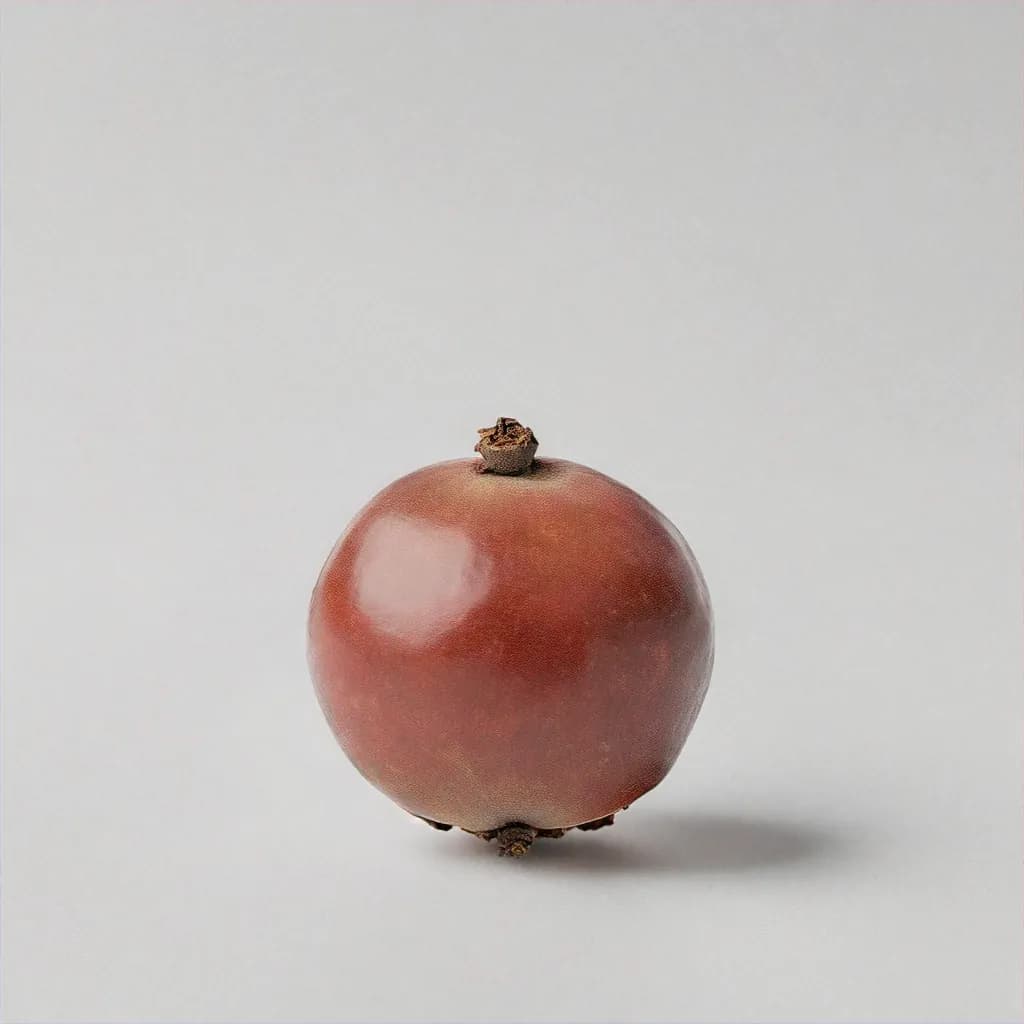
Kokum, scientifically known as Garcinia indica, is a tropical fruit native to the Western Ghats of India. This vibrant, deep purple fruit is celebrated for its tart and slightly sweet flavor profile, which lends itself beautifully to culinary and medicinal applications. Kokum is renowned for its rich antioxidant content, particularly hydroxycitric acid (HCA), which is believed to aid in weight management and digestive health. Its rind, often dried and used as a spice, imparts a tangy flavor to curries and beverages, while its juice is a refreshing summer drink. Beyond its culinary uses, kokum has been traditionally used in Ayurvedic medicine for its anti-inflammatory and anti-ulcer properties. Whether enjoyed fresh, dried, or as an oil, kokum is a versatile and nutrient-dense addition to any diet.
Explore Kokum in stunning detail
Kokum - Main View
Per 100g
Per 100g
Nutrition breakdown for one serving
Western Ghats of India
Kokum has been an integral part of traditional Indian cuisine and Ayurvedic medicine for centuries. It is particularly popular in the coastal regions of India, where it is used to flavor curries, cool summer drinks, and even as a natural food preservative.
June to September
Each variety offers unique flavors, textures, and culinary applications
Keep your fruit fresh and delicious for longer
Look for deep purple, firm fruits with no visible blemishes.
Avoid fruits that feel overly soft or have moldy spots.
Store fresh kokum in a cool, dry place for up to 3 days.
Refrigerate to extend shelf life to 1 week.
Dried kokum rinds can be stored in an airtight container for up to 6 months.
Preserve freshness for months
Freeze kokum juice in ice cube trays for easy use in beverages.
Whole fruits can be frozen, but texture may change upon thawing.
Label frozen items with the date to track freshness. Most fruits maintain quality for 2-3 months when properly frozen. For best results, use airtight containers or freezer bags to prevent freezer burn.
Discover delicious possibilities
Kokum is generally considered safe for most people, but allergic reactions are possible. Those with known allergies to Garcinia species should exercise caution.
Kokum is typically grown with minimal pesticide use, but it is always a good practice to wash the fruit thoroughly before consumption.
Surprising trivia you'll love!
Kokum is often referred to as the 'Cool King of Summer' in India due to its refreshing properties.
In Ayurvedic medicine, kokum is used to balance the body's pH levels and treat digestive disorders.
Kokum has a tart, slightly sweet flavor with a hint of citrus. Its unique taste makes it a popular ingredient in both sweet and savory dishes.
Ripe kokum will have a deep purple color and feel firm to the touch. Avoid fruits with soft spots or mold.
Yes, kokum can be frozen, but the texture may change upon thawing. Freezing kokum juice in ice cube trays is a convenient way to preserve it.
Dried kokum rinds are commonly used as a souring agent in curries, while the juice is enjoyed as a refreshing beverage or added to smoothies.
Kokum contains hydroxycitric acid (HCA), which may help inhibit fat storage and support weight management when combined with a healthy diet and exercise.
Kokum may interact with certain medications, such as those for blood pressure or cholesterol. Consult a healthcare provider before adding kokum to your diet if you are on medication.
Fresh kokum is used for its juice, while dried kokum rinds are used as a spice in cooking. Both forms offer unique culinary and health benefits.
Sustainability insights
Kokum is a sustainable crop that requires minimal water and pesticides, making it an eco-friendly choice.
Low, as it is primarily grown in its native region with minimal processing.
Moderate, as kokum trees are drought-tolerant and require less irrigation compared to other fruit crops.
Locally grown kokum in India is more sustainable and fresher than imported varieties.
We aim to keep this Kokum profile accurate and easy to understand. Nutrition values and % Daily Value figures are based on established reference databases and standard daily value guidance.
Last updated: October 3, 2026
Medical disclaimer
This page is for general educational purposes and does not replace professional medical advice.
Found an issue? Contact us.