Loading Fruit Details...
Please wait while we fetch nutritional information and health benefits
Please wait while we fetch nutritional information and health benefits
Recommended Products
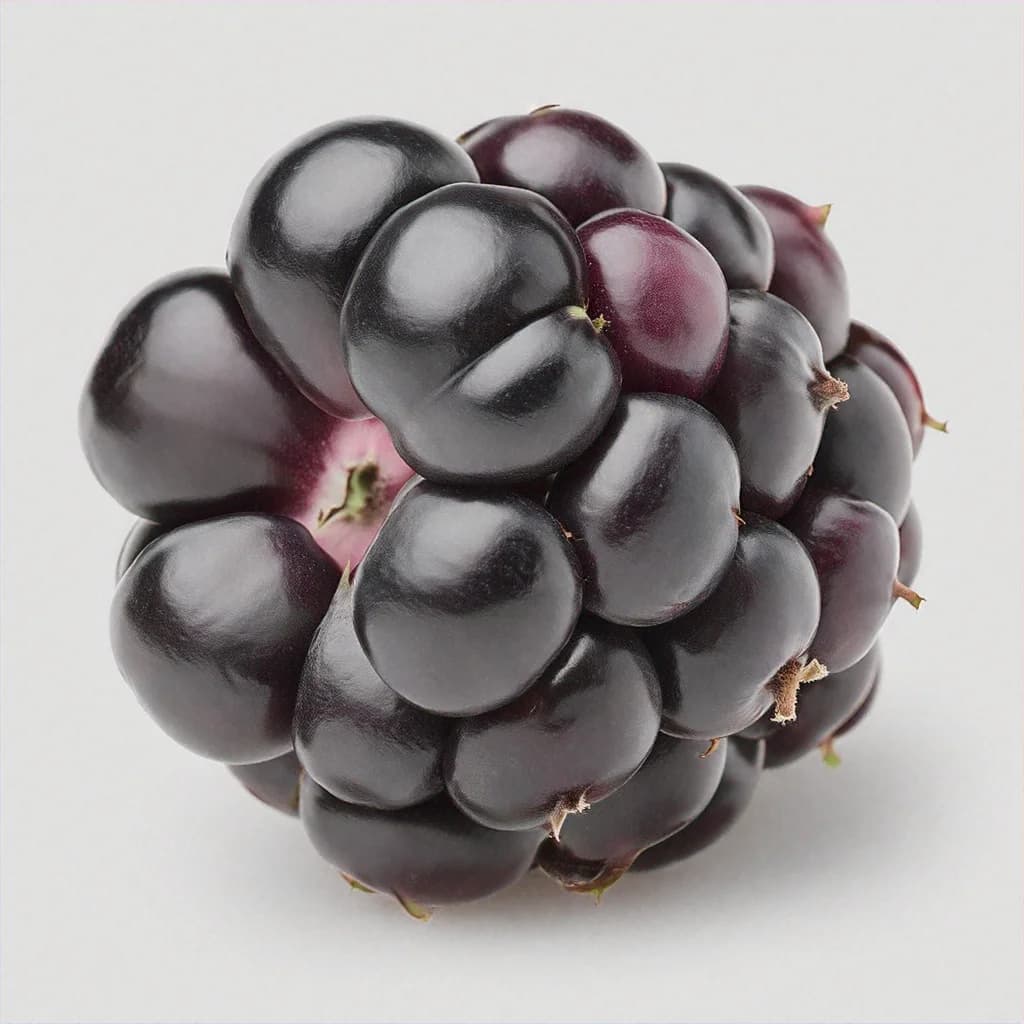
Rubus hybrid
The Marionberry, a unique hybrid of the Chehalem and Olallie blackberries, is a treasure of the Pacific Northwest. Known for its deep, glossy black color and succulent texture, this berry bursts with a complex flavor profile that balances tartness and sweetness. Its juicy flesh is packed with powerful antioxidants, vitamins, and fiber, making it a nutritional powerhouse. Marionberries are versatile in the kitchen, lending their rich taste to jams, pies, smoothies, and even savory dishes. Beyond their culinary appeal, these berries are celebrated for their health benefits, including support for cardiovascular health, immune function, and digestion. Whether enjoyed fresh, frozen, or in a delicious dessert, the Marionberry is a delightful addition to any diet.
Explore Marionberry in stunning detail
Marionberry - Main View
Per 100g
Per 100g
Nutrition breakdown for one serving
Pacific Northwest, USA
The Marionberry was developed in 1956 by the USDA-ARS breeding program in Oregon, combining the best traits of the Chehalem and Olallie blackberries.
Summer (June–August)
Each variety offers unique flavors, textures, and culinary applications
Keep your fruit fresh and delicious for longer
Look for deep, glossy black berries with no signs of mold or bruising.
Select plump, firm berries that are fully ripe, as they do not ripen after picking.
Store fresh Marionberries in a single layer in the refrigerator to prevent crushing.
Freeze berries on a baking sheet before transferring to an airtight container for long-term storage.
Preserve freshness for months
Wash and dry berries thoroughly before freezing.
Label and date containers to keep track of freshness.
Label frozen items with the date to track freshness. Most fruits maintain quality for 2-3 months when properly frozen. For best results, use airtight containers or freezer bags to prevent freezer burn.
Discover delicious possibilities
Marionberries are not a common allergen, but individuals with berry allergies should exercise caution.
Marionberries may be treated with pesticides, so it is recommended to wash them thoroughly or choose organic options.
Surprising trivia you'll love!
Marionberries were developed in Marion County, Oregon, hence their name.
They are often referred to as the 'Cabernet of Blackberries' due to their rich flavor.
A Marionberry is a hybrid of the Chehalem and Olallie blackberries, known for its deep black color and tart-sweet flavor.
Look for deep black, plump berries with no signs of mold or bruising.
Yes, wash and dry them, then freeze on a baking sheet before transferring to an airtight container.
Marionberries are commonly used in jams, pies, smoothies, and sauces.
Yes, they are rich in anthocyanins, ellagic acid, and quercetin.
Marionberries are generally safe, but consult a doctor if you are on blood-thinning medications due to their vitamin K content.
No, Marionberries are a naturally bred hybrid of two blackberry varieties.
Sustainability insights
Marionberries are often grown sustainably in the Pacific Northwest, with many farms using eco-friendly practices.
Low, especially when sourced locally or in season.
Moderate, as berries generally require regular irrigation.
Local Marionberries are more sustainable and fresher than imported varieties.
We aim to keep this Marionberry profile accurate and easy to understand. Nutrition values and % Daily Value figures are based on established reference databases and standard daily value guidance.
Last updated: October 7, 2026
Medical disclaimer
This page is for general educational purposes and does not replace professional medical advice.
Found an issue? Contact us.