Loading Fruit Details...
Please wait while we fetch nutritional information and health benefits
Please wait while we fetch nutritional information and health benefits
Recommended Products
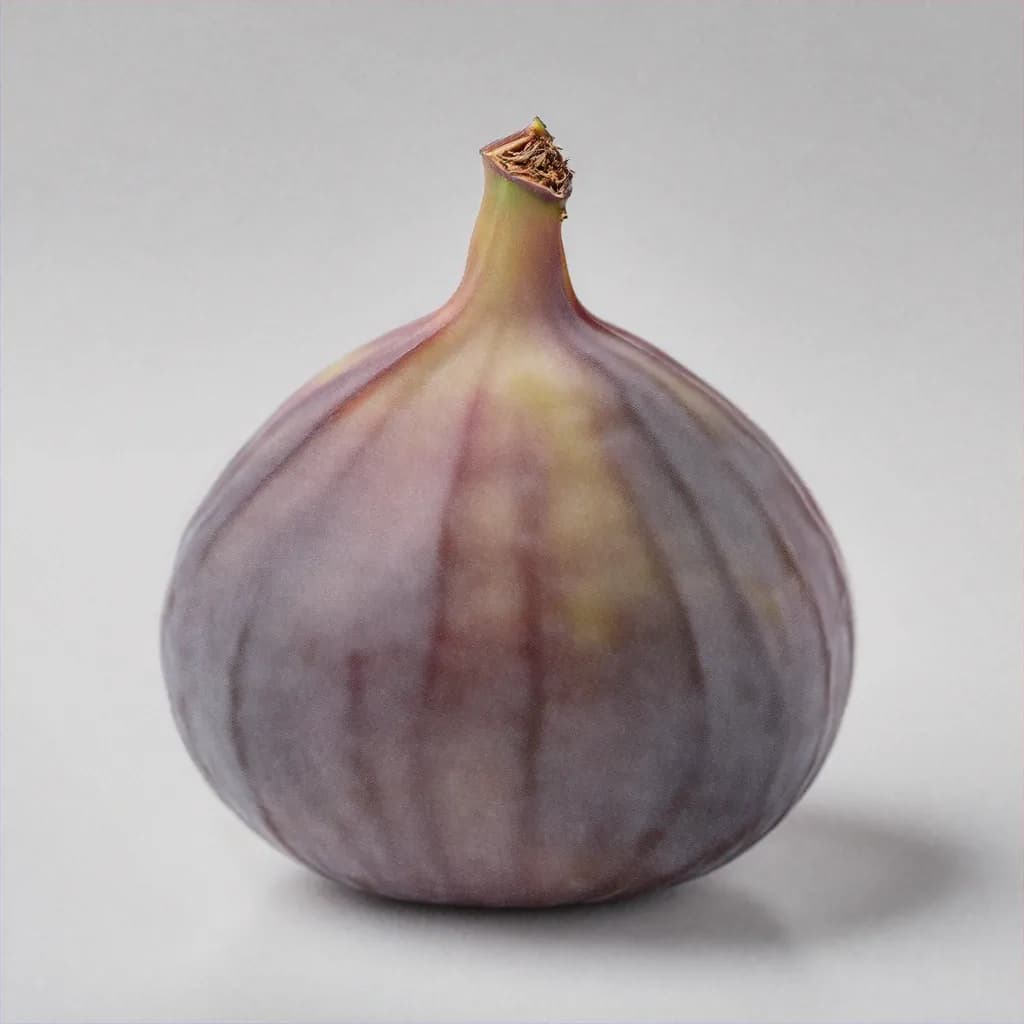
Ficus carica
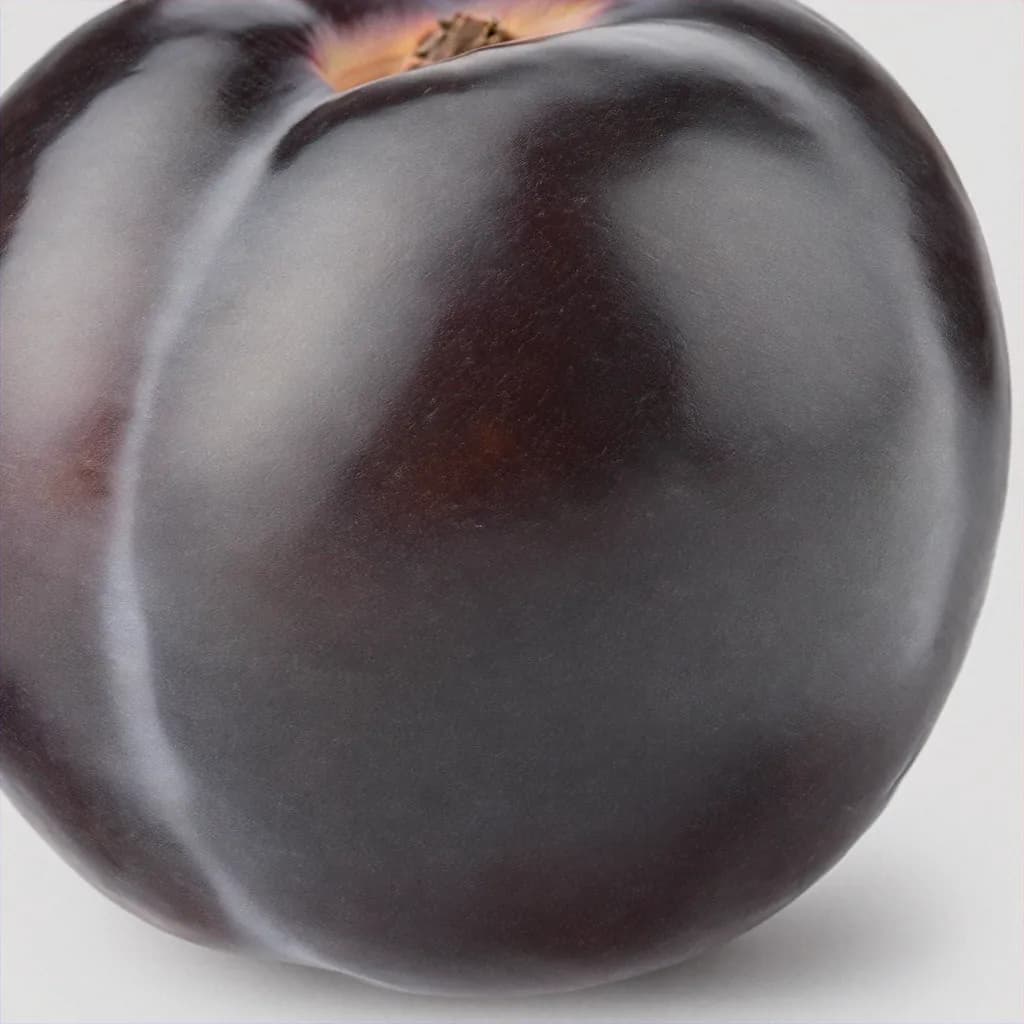
Figs are ancient, uniquely sweet fruits with honey-like flavor and distinctive soft, jammy texture studded with tiny edible seeds creating pleasant crunch. These teardrop-shaped delicacies, cultivated for over 5,000 years in Mediterranean and Middle Eastern regions, offer dual identity as fresh seasonal treat (available late summer/early fall) and widely accessible dried fruit providing year-round nutrition. Fresh figs reveal tender, edible skin ranging from green to deep purple encasing luscious pink to amber flesh that tastes like nature's candy with notes of honey, berry, and subtle earthiness. Dried figs concentrate sweetness and nutrients into chewy, portable snack. Both forms deliver impressive nutritional benefits including exceptional fiber (29% DV per cup dried figs), substantial potassium (15% DV), calcium (24% DV dried), and powerful antioxidants. Figs hold special cultural and religious significance appearing prominently in Bible, ancient texts, and Mediterranean traditions. The unique botanical structure - figs are actually inverted flowers pollinated by specialized wasps creating symbiotic relationship - makes them fascinating beyond culinary appeal. Low in calories when fresh (74 per 100g) yet satisfyingly sweet, figs provide natural energy, support digestive health, and offer minerals often lacking in modern diets. Whether enjoyed fresh off the tree, dried for convenience, or incorporated into both sweet and savory dishes, figs combine exquisite taste with substantial health benefits.
Explore Figs in stunning detail
Figs - Main View
Per 100g
Per 100g
Nutrition breakdown for one serving
Western Asia and Mediterranean region
Figs rank among humanity's oldest cultivated fruits with archaeological evidence dating to 9400-9200 BCE in Jordan Valley, predating even grain agriculture. This makes figs potentially the first domesticated crop in human history. Ancient cultivation spread throughout Fertile Crescent, Mediterranean, and Middle East where figs became dietary staple and cultural icon. The fig tree holds profound religious and cultural significance across civilizations. In Abrahamic religions, figs appear prominently in Bible and Quran - Adam and Eve used fig leaves for clothing in Genesis, and fig trees symbolize prosperity and peace throughout scriptures. Buddha achieved enlightenment under sacred fig tree (Ficus religiosa, different species but related). Ancient Egyptians revered figs, depicting them in hieroglyphics and tomb paintings. Figs were offered to gods and included in burial provisions for afterlife sustenance. Egyptian mummies had figs placed with them. Greeks and Romans treasured figs as symbols of fertility and abundance. Athletes at ancient Olympic Games received figs as premier training food. Figs were so valued in ancient Rome that Pliny the Elder documented 29 varieties. The proverb 'worth a fig' originated from high esteem. Greek philosopher Aristotle wrote extensively about figs. Roman naturalist Pliny called them 'restorative' food that increases strength. Figs reached Asia along Silk Road and arrived in Americas through Spanish missionaries in 16th century. California's fig industry began when Spanish missionaries planted trees at missions in 1700s-1800s. California, particularly San Joaquin Valley, became major producer. The famous Calimyrna fig (Smyrna fig from Turkey adapted to California climate) required importing specialized pollinating wasps to establish successful cultivation. Today, Turkey dominates global production followed by Egypt and Morocco. Figs remain culturally significant throughout Mediterranean and Middle East while gaining recognition worldwide as nutritious superfood. The unique fig-wasp pollination relationship discovered in modern science reveals fascinating evolutionary symbiosis spanning millions of years.
Fresh figs: Late summer to early fall (August to October in Northern Hemisphere); Dried figs: Year-round
Each variety offers unique flavors, textures, and culinary applications
Keep your fruit fresh and delicious for longer
Fresh figs: Select plump, soft figs that yield gently to pressure - firm figs are underripe
Look for smooth, unblemished skin without cracks, bruises, or mold
Fresh figs should have slight give when gently squeezed, similar to ripe avocado
Check stem - should be attached and slightly moist, not dried out or moldy
Ripe figs emit sweet, fragrant aroma - sour or fermented smell indicates overripeness
Color depends on variety (deep purple for Mission, green-yellow for Kadota) but should be vibrant and even
Small droplet of nectar at bottom of fig is sign of perfect ripeness
Avoid figs that are rock-hard (won't ripen well after picking) or mushy (overripe)
Dried figs: Choose pliable, slightly soft figs - avoid rock-hard or overly sticky ones
For dried figs, avoid excessive white coating (sugar crystallization acceptable but excessive indicates old figs)
Fresh figs are highly perishable - use within 2-3 days of purchase for best quality
Store fresh figs in refrigerator in single layer on paper towel-lined plate or shallow container
Do not wash fresh figs until ready to eat - moisture accelerates spoilage
Cover refrigerated fresh figs loosely to allow air circulation while preventing drying
Bring fresh figs to room temperature 30 minutes before eating for best flavor
If fresh figs are slightly underripe, leave at room temperature 1-2 days to ripen, then refrigerate
Dried figs store well at room temperature in cool, dark pantry for 6-12 months in airtight container
Refrigerating dried figs extends shelf life to 12-18 months and prevents insect infestation
Keep dried figs away from strong-smelling foods as they absorb odors easily
If dried figs become too hard, soften by steaming briefly or microwaving with damp paper towel 10-15 seconds
Preserve freshness for months
Fresh figs freeze excellently for 10-12 months, preserving flavor and nutrition
Wash and dry figs thoroughly before freezing
Freeze whole or halved depending on intended use
Flash freeze: Arrange figs in single layer on parchment-lined baking sheet, freeze until solid (2-3 hours)
Transfer frozen figs to freezer-safe bags or containers, removing excess air
Label with variety and date
Frozen figs can be used directly in smoothies, baking, or cooking without thawing
For fresh eating, thaw in refrigerator overnight - texture will be softer but flavor remains excellent
Consider pureeing fresh figs before freezing for easy addition to smoothies, sauces, and desserts
Dried figs can also be frozen to extend shelf life and prevent insect issues
Label frozen items with the date to track freshness. Most fruits maintain quality for 2-3 months when properly frozen. For best results, use airtight containers or freezer bags to prevent freezer burn.
Discover delicious possibilities
Fig allergies are relatively uncommon but documented, ranging from mild oral symptoms to severe reactions. Allergic individuals may experience oral allergy syndrome (OAS) - itching, tingling, or swelling of mouth, lips, tongue, and throat, particularly in people with birch pollen allergies due to cross-reactive proteins. True fig allergy can cause hives or skin rashes (contact dermatitis is more common from fig tree sap/latex than from eating fruit), digestive upset (nausea, vomiting, diarrhea, abdominal cramps), respiratory symptoms (wheezing, nasal congestion, difficulty breathing), or rarely, anaphylaxis. Cross-reactivity occurs with natural rubber latex (latex-fruit syndrome) - figs contain similar proteins to latex, and individuals with latex allergies show increased fig allergy risk. Potential cross-reactivity with other latex-related fruits including banana, avocado, kiwi, papaya, chestnut, and passion fruit. Some individuals with mulberry pollen allergies may react to figs (both in Moraceae family). Fig TREE contact allergies are more common than fruit allergies - fig tree sap, leaves, and stems contain psoralens and ficin causing contact dermatitis, skin irritation, photosensitivity (sun-exposed skin becomes more sensitive), and oral irritation if plant parts are chewed. This differs from eating ripe fruit. Most fig fruit allergies are mild and localized to oral symptoms. However, individuals with latex allergies or previous adverse reactions should approach figs cautiously. First-time consumers with allergy concerns should start with small amounts.
Conventionally grown figs may contain pesticide residues, though the delicate skin and structure make heavy pesticide application less common than some crops. Fig trees are susceptible to various pests including fig beetles, dried fruit beetles, mites, and scale insects potentially requiring chemical management in commercial production. Diseases like fig rust and souring can affect crops. Proper washing protocol: Rinse fresh figs gently but thoroughly under cool running water for 20-30 seconds, gently rubbing surface. Pat dry with clean towel. The tender skin is easily damaged - avoid harsh scrubbing. This removes surface pesticides, dust, and contaminants. Dried figs are sometimes treated with sulfur dioxide (sulfites) as preservative to maintain color and prevent insect infestation. Sulfite-sensitive individuals should choose unsulfured organic dried figs to avoid reactions. Check labels for 'sulfites' or 'sulfur dioxide' declarations. The Environmental Working Group (EWG) doesn't specifically test figs in Dirty Dozen/Clean Fifteen lists due to limited data. However, figs generally test moderately for pesticide residues - not among the highest like strawberries or apples, but not among the cleanest. Organic figs are recommended for frequent consumers, pregnant women, children, and those minimizing pesticide exposure. Organic certification ensures no synthetic pesticides or fertilizers were used. Supporting organic fig production promotes sustainable farming, protects pollinators (including specialized fig wasps), and encourages biodiversity. California-grown figs generally follow strict U.S. pesticide regulations. Imported dried figs from Turkey, Greece, or other Mediterranean countries may have different standards.
Surprising trivia you'll love!
Figs may be humanity's first cultivated crop, with archaeological evidence dating to 9400-9200 BCE in Jordan Valley - predating grain agriculture
Figs aren't technically fruits but inverted flowers (syconia) - you're eating flower structure with hundreds of tiny flowers inside
The fig-wasp pollination relationship is one of nature's most intricate symbiotic partnerships evolved over 60 million years
Fig trees can live 100-200 years, with some ancient specimens in Mediterranean region estimated at 400+ years old
The phrase 'I don't give a fig' (meaning 'I don't care') originated from figs being so abundant in ancient Rome they had little value
California produces 100% of domestically grown figs in USA, with San Joaquin Valley as primary growing region
Fig Newtons, the iconic cookie, were created in 1891 and named after Newton, Massachusetts (not Isaac Newton)
Turkey is the world's largest fig producer, growing over 300,000 metric tons annually - about 27% of global production
The Buddha achieved enlightenment while meditating under a sacred fig tree (Ficus religiosa), making fig trees sacred in Buddhism
Ancient Olympic athletes consumed figs as premier training food, and winners were crowned with figs and presented fig wreaths as prizes
Yes, absolutely! Fig skin is completely edible, nutritious, and adds texture and flavor to eating experience. In fact, eating figs with skin is the standard and recommended method, providing maximum nutritional benefits and authentic taste. SKIN BENEFITS: The thin skin contains significant fiber, antioxidants (particularly anthocyanins in purple varieties giving dark color), and beneficial compounds. Removing skin means discarding valuable nutrition. Skin also provides pleasant textural contrast to soft, jammy interior - slight resistance followed by bursting sweetness. TEXTURE AND TASTE: Fresh fig skin is tender and easy to chew, unlike thick citrus peels or tough mango skin. The skin has subtle earthy, slightly tangy flavor that balances interior sweetness beautifully. Many fig enthusiasts specifically enjoy skin's contribution to overall taste profile. Purple-black varieties (Black Mission) have richer, more flavorful skin than green varieties. PREPARATION: Simply rinse figs gently under cool water, pat dry, and eat whole by biting into them or cut in half. No peeling required. Some people prefer cutting figs into quarters and eating with hands or fork. EXCEPTIONS: The only time you might remove fig skin is if texture bothers you personally (matter of preference, not necessity), figs have blemishes or damage on skin requiring removal, or specific recipe calls for peeled figs (rare). Dried figs are always eaten with skin - removing skin from dried figs would be nearly impossible and wasteful. COMPARISON: Unlike fruits with tough, inedible skins (banana, mango, pineapple) or bitter skins (citrus), fig skin is delicate, pleasant, and integral to fig-eating experience. Similar to eating grapes, berries, or apples - skin is default. CULTURAL PERSPECTIVE: Throughout Mediterranean and Middle East where figs have been consumed for millennia, eating figs whole with skin is universal practice. No traditional fig recipe involves peeling. Bottom line: Embrace the skin! Eating whole figs maximizes nutrition, flavor, and authentic experience while eliminating unnecessary prep work.
Fresh and dried figs offer dramatically different experiences in taste, texture, nutrition, availability, and uses - both delicious but serving different purposes. Understanding differences helps choose appropriately. FRESH FIGS: Available only during short seasonal window (August-October in Northern Hemisphere), fresh figs are delicate, perishable fruits with 2-3 day refrigerated shelf life. Texture is soft, jammy, and succulent with tender skin and juicy interior studded with crunchy seeds. Flavor is sweet but more delicate and complex than dried - honey-like with subtle berry and earthy notes. Fresh figs have higher water content (79%) making them lower in calories and nutrients per weight: 74 calories per 100g, 2.9g fiber, modest mineral content. However, the fresh experience is prized - eating perfectly ripe fresh fig is incomparable sensory delight. Fresh figs are expensive due to short season, perishability, and limited availability. Best uses: Fresh eating, fruit salads, cheese boards, gourmet applications, salads, immediate consumption. DRIED FIGS: Available year-round with 6-18 month shelf life, dried figs are concentrated nutrition in portable form. Removing water (to about 21% moisture) concentrates everything: 249 calories per 100g, exceptional 9.8g fiber (35% DV), 162mg calcium (12% DV), 680mg potassium (14% DV), 2.03mg iron (11% DV), and concentrated natural sugars (47.9g). The dehydration intensifies sweetness creating candy-like quality while chewy texture and concentrated flavor make dried figs excellent snack and cooking ingredient. Dried figs are affordable, accessible, and convenient. Best uses: Snacking, baking, cooking, trail mix, chopped in oatmeal/yogurt, fig bars, anywhere you need fig flavor year-round. NUTRITIONAL COMPARISON: Per equal weight, dried figs provide roughly 3-4 times more calories, fiber, and minerals than fresh. However, per actual serving (1 medium fresh fig vs 2-3 dried figs), nutritional differences are smaller. Fresh figs offer vitamin C and moisture. Dried figs excel in fiber, calcium, and iron. TASTE PREFERENCE: Fresh figs taste more sophisticated and nuanced. Dried figs taste sweeter and more intense. Neither is "better" - just different experiences for different occasions. PRACTICAL REALITY: Most people outside Mediterranean/California only access dried figs since fresh figs' short season and perishability limit distribution. If you can find fresh figs during season, absolutely try them! Otherwise, dried figs provide excellent nutrition and deliciousness year-round.
This common question stems from fascinating biological truth about fig pollination, but the answer brings relief: No, you're not eating wasps when you eat figs, though the story behind pollination is remarkable. THE FIG-WASP RELATIONSHIP: Figs have unique pollination requiring specialized tiny wasps (fig wasps, Blastophaga species) in one of nature's most intricate symbiotic relationships evolved over millions of years. Female fig wasp enters immature fig through small opening (ostiole) to lay eggs inside. While inside, she pollinates fig flowers (figs are actually inverted flower structures, not true fruits botanically). The wasp often loses wings and antennae squeezing through tight opening and dies inside fig after laying eggs. Wasp larvae develop inside, male wasps mate with females, then females escape to repeat cycle in new figs. Without wasps, many fig varieties couldn't reproduce. Without figs, wasps couldn't survive. WHAT ABOUT EATING WASPS: Here's the key: The fig produces enzyme (ficin) that completely breaks down and digests the dead wasp, converting it into protein that becomes part of fig itself. By the time fig ripens and you eat it, no wasp remains - it's been entirely absorbed. You're eating fig tissue, not insect. Additionally, MANY commercial fig varieties (particularly common ones like Black Mission, Brown Turkey, Kadota) are parthenocarpic - producing fruit WITHOUT pollination or wasps. These develop seedless or nearly seedless figs through horticultural selection, requiring no wasps at all. CALIMYRNA FIGS: The main exception is Calimyrna/Smyrna figs requiring wasp pollination (caprification process). California growers deliberately introduce wasps to pollinate these varieties. However, even in wasp-pollinated figs, enzyme digestion means no wasp remains in edible fruit. CRUNCHY SEEDS: The pleasant crunch inside figs comes from actual fig seeds (achenes), not wasp parts. These tiny edible seeds are normal botanical structures. VEGETARIAN/VEGAN CONSIDERATION: This raises philosophical question for strict vegetarians/vegans: Are figs acceptable if wasps died in pollination? Most authorities say yes because: 1) No wasp remains in fruit, 2) Many commercial figs don't involve wasps, 3) Incidental insect deaths occur in all agriculture, 4) The relationship is natural ecological process, not deliberate animal exploitation. Vegan organizations generally consider figs acceptable. BOTTOM LINE: You can enjoy figs without worry. Modern commercial figs either don't involve wasps or have completely digested any wasp that entered. The fascinating pollination story makes figs more interesting, not less appetizing!
Yes! Figs are excellent natural remedy for constipation and promoting regular bowel movements, backed by both traditional use spanning millennia and modern scientific understanding. Figs rank among most effective dietary treatments for constipation. FIBER CONTENT: The primary mechanism is exceptional dietary fiber, particularly in dried figs containing 9.8g per 100g (35% DV) - higher than most common foods. Fresh figs provide 2.9g per 100g (still good). Fiber adds bulk to stool, stimulates intestinal contractions (peristalsis), and promotes regular elimination. Both soluble fiber (pectin) and insoluble fiber work together for optimal effect. NATURAL LAXATIVE COMPOUNDS: Beyond fiber, figs contain specific compounds enhancing laxative effect. The enzyme ficin aids protein digestion and may stimulate digestive processes. Natural sugars (particularly in dried figs) draw water into intestines through osmotic effect, softening stool. Organic acids support bowel regularity. The combination creates gentle yet effective laxative action without harsh chemicals. TRADITIONAL REMEDY: Figs have been used as digestive aid and laxative for over 3,000 years across Mediterranean, Middle Eastern, and Asian traditional medicine systems. Ancient Egyptians, Greeks, and Romans documented fig use for constipation. The remedy persists because it works reliably. HOW TO USE FOR CONSTIPATION: Eat 2-4 dried figs daily, preferably in morning on empty stomach or before bed. For enhanced effect, soak 3-4 dried figs in water overnight, eat figs and drink soaking liquid in morning. Fresh figs work too - eat 2-3 fresh figs daily. Results typically appear within 6-24 hours. Regular consumption prevents constipation rather than just treating it. ADVANTAGES OVER OTHER REMEDIES: Figs offer natural, food-based approach without side effects of pharmaceutical laxatives, which can cause dependency, cramping, or electrolyte imbalance. Figs are gentle, non-habit-forming, provide nutrition beyond laxative effect (fiber, calcium, potassium, antioxidants), taste delicious (unlike prune juice many find unpalatable), and suitable for long-term use. SCIENTIFIC SUPPORT: Research confirms fig effectiveness. Studies show fig paste significantly improves bowel movements, reduces straining, and relieves constipation symptoms compared to placebo. The fiber, enzyme activity, and bioactive compounds work synergistically. PRECAUTIONS: Start with small amounts (1-2 figs) if unaccustomed to high fiber to avoid gas or bloating. Increase gradually. Drink plenty of water when consuming figs for constipation - fiber needs water to work effectively. Those with IBS or sensitive digestive systems should introduce carefully. Excessive consumption (more than 6-8 figs daily) can cause diarrhea. COMPARISON: Figs work similarly to prunes (another proven constipation remedy) but many find figs more palatable and less intense. Both are excellent choices. VERDICT: Figs are highly effective, scientifically supported, traditional constipation remedy offering gentle, natural relief with significant nutritional benefits. For occasional or chronic constipation, incorporating figs into daily diet is smart, delicious strategy.
Yes, diabetics can eat figs in moderation with careful portion control and blood sugar monitoring, though figs' natural sugar content requires cautious approach. Figs offer both challenges and surprising benefits for blood sugar management. THE CHALLENGE - NATURAL SUGARS: Figs are relatively high in natural sugars - fresh figs contain 16.3g sugar per 100g, while dried figs contain concentrated 47.9g per 100g. The glycemic index of figs is moderately high (61 for fresh, 55-65 for dried) meaning they can raise blood sugar more significantly than low-GI foods. For diabetics, this necessitates portion awareness. GLYCEMIC LOAD CONSIDERATION: However, glycemic load (GL) provides more practical measure accounting for typical serving size. Fresh figs have moderate GL of 16, while dried figs' GL is also moderate when consumed in small portions (2-3 figs). This means reasonable portions have manageable blood sugar impact, especially when combined with other foods. THE BENEFITS - FIBER: This is where figs shine for diabetics. High fiber content, particularly in dried figs (9.8g per 100g, 35% DV), significantly moderates blood sugar response. Fiber slows sugar absorption, prevents spikes, and improves insulin sensitivity. This partially counteracts natural sugar content. Multiple studies show high-fiber diets improve glycemic control in diabetics. ADDITIONAL DIABETIC BENEFITS: Figs provide potassium (helps regulate blood pressure - important since diabetes increases cardiovascular risk), magnesium (supports insulin function and glucose metabolism), antioxidants (reduce oxidative stress elevated in diabetes), and chlorogenic acid (may improve insulin sensitivity and reduce blood sugar). Some research suggests fig leaf extract improves glycemic control, though this differs from eating fruit. PORTION CONTROL IS CRITICAL: Diabetics should limit to 1-2 small fresh figs per serving maximum (about 50-100g), or 2-3 dried figs per serving maximum (about 30-40g). Never exceed 2-3 figs daily total. Always pair figs with protein or healthy fat (cheese, nuts, nut butter) to further slow sugar absorption. Account for fig carbohydrates in meal planning (1 medium fresh fig = about 10g carbs; 2 dried figs = about 24g carbs). Monitor blood glucose after consumption to understand individual response - glycemic responses vary significantly between individuals. Avoid eating figs on empty stomach - include as part of balanced meal or snack. FRESH VS DRIED FOR DIABETICS: Fresh figs are preferable due to lower sugar concentration, though dried figs' higher fiber provides offsetting benefit. If choosing dried, stick to very small portions. TYPE OF DIABETES MATTERS: Type 2 diabetics with good control can likely include small amounts of figs safely. Type 1 diabetics need to carefully calculate insulin dosing for fig carbohydrates. Those with poorly controlled blood sugar should minimize or avoid figs until achieving better control. MEDICAL GUIDANCE: Diabetics should consult healthcare providers or registered dietitians before regularly incorporating figs. Individual circumstances (diabetes type, control level, medications, overall diet) affect recommendations. VERDICT: Figs can fit into diabetic diet as occasional treat in small, controlled portions with careful monitoring. The fiber and beneficial compounds provide value, but sugar content requires respect. Moderation and awareness are essential - figs aren't "free food" for diabetics but needn't be completely forbidden either.
Determining fig ripeness is essential because figs don't ripen significantly after picking - they must ripen on tree for optimal flavor and texture. Here's comprehensive guide to selecting perfectly ripe figs. TOUCH TEST (Most Reliable): Ripe figs yield gently to soft pressure, similar to ripe avocado or peach. Hold fig gently and press softly - should feel slightly soft but not mushy. Firm figs are underripe and will never achieve full sweetness after picking. Rock-hard figs should be avoided - won't ripen properly. Overly soft, mushy figs are overripe or spoiling. The gentle give is key indicator. VISUAL INSPECTION: Ripe figs have vibrant, rich color depending on variety: Black Mission turns deep purple-black, Brown Turkey shows brown-purple hue, Kadota displays yellow-green to golden color, and Calimyrna shows golden-yellow color. Color should be uniform and saturated. Underripe figs appear dull or have greenish tinge (except green varieties). Skin should look plump and smooth, not shriveled or excessively wrinkled (though slight wrinkling at stem is normal). STEM APPEARANCE: Check stem end - ripe figs often show slight drooping or bending of neck (area just below stem), indicating full ripeness and sugar development. Stem should be attached but may show signs of natural separation. Completely dried, brittle stem suggests overripeness. Fresh, green stem indicates possible underripeness. NECTAR DROPLET: Perfectly ripe figs often have small droplet of clear or slightly amber nectar at blossom end (bottom of fig). This "honey" or "syrup" is natural sugar concentration indicating peak ripeness and sweetness. This is excellent sign but not always present. AROMA: Ripe figs emit sweet, fragrant aroma - hold fig to nose and smell subtle honeyed sweetness. Sour, fermented, or alcohol-like smell indicates overripeness or spoilage. No aroma suggests underripeness. SPLITTING: Very ripe figs may show small splits or cracks in skin, particularly at blossom end. This indicates maximum ripeness and sugar content. While these figs are delicious, they're extremely perishable and should be eaten immediately (same day). Avoid figs with extensive splitting or visible mold. SIZE: Ripe figs are plump and full-sized for their variety. Smaller, harder figs picked too early won't develop full size or flavor. TIMING: If buying from farmers market or picking from tree, morning is best time - figs that ripened overnight will be at peak. STORAGE CONSIDERATION: Because figs don't ripen after picking, buy them ready to eat. If slightly underripe (firm with decent color), they may soften at room temperature for 1-2 days but won't develop full sweetness of tree-ripened figs. Once ripe, refrigerate immediately and use within 2-3 days. The short shelf life makes finding perfectly ripe figs challenging but worthwhile - the difference between underripe and perfectly ripe fig is dramatic in terms of sweetness, flavor complexity, and eating experience.
The answer depends entirely on whether you're eating fresh or dried figs - the difference is substantial and important for dietary planning. FRESH FIGS - LOW CALORIE: Fresh figs are actually relatively low in calories at only 74 calories per 100g (about 37 calories per medium fig). This is comparable to or lower than many common fruits: apples (52 cal/100g), bananas (89 cal/100g), grapes (69 cal/100g), and mangoes (60 cal/100g). Fresh figs' high water content (79%) keeps calorie density low despite natural sweetness. You can enjoy 2-3 fresh figs (about 111 calories) as satisfying, nutritious snack without excessive calories. For fresh fruit, figs are moderate to low calorie and absolutely appropriate for weight management and calorie-conscious eating. DRIED FIGS - CALORIE DENSE: Dried figs are significantly higher in calories at 249 calories per 100g - more than 3 times fresh figs due to water removal concentrating everything. However, context matters: 2-3 dried figs (about 30-40g) contain approximately 75-100 calories - comparable to many packaged snacks but with vastly superior nutrition (fiber, calcium, potassium, antioxidants). A 1/4 cup serving (40g) of dried figs provides 100 calories. While calorie-dense, dried figs aren't extraordinarily high compared to nuts (160-200 cal per ounce), granola bars (100-150 cal), or cookies (140+ cal). The difference is dried figs deliver exceptional nutrition and fiber with those calories rather than empty calories from refined sugars and fats. PORTION AWARENESS: The key with dried figs is portion control. It's easy to mindlessly eat many dried figs due to small size and delicious taste, accumulating calories quickly. Measuring portions prevents overconsumption: stick to 2-4 dried figs (about 60-120 calories) as snack serving. WEIGHT MANAGEMENT PERSPECTIVE: Despite calorie content, figs support weight management through high fiber promoting satiety and preventing overeating, natural sweetness satisfying sweet cravings without processed sugars, nutrient density supporting overall health during calorie restriction, and low glycemic response (fiber moderates blood sugar) preventing hunger spikes. Research shows high-fiber foods like figs aid weight loss despite moderate calories because they increase fullness and reduce overall intake. COMPARISON TO ALTERNATIVES: Compared to candy bar (200-300 cal with minimal nutrition), cookies (140+ cal per cookie), chips (150 cal per oz with little nutritive value), or pastries (300+ cal), dried figs offer superior nutritional value per calorie with substantial fiber, minerals, and antioxidants. VERDICT: Fresh figs are definitively NOT high calorie - they're low to moderate and excellent for any diet. Dried figs are moderately calorie-dense but nutritionally valuable, appropriate for healthy eating in controlled portions. Context and portion size determine whether figs fit your calorie goals. Neither fresh nor dried figs should be avoided due to calorie concerns if consumed mindfully. The exceptional nutrition justifies calories, particularly compared to typical snacks and sweets.
Yes, dogs can safely eat figs in very small amounts as occasional treat. Figs are non-toxic to dogs and offer some nutritional benefits, but several important considerations must guide feeding figs to dogs. SAFETY: Figs contain no compounds toxic to dogs (unlike grapes, raisins, or currants which cause kidney failure). The fruit itself is safe. Both fresh and dried figs are non-toxic. However, this doesn't mean unlimited consumption is appropriate. BENEFITS: Figs offer dogs high dietary fiber supporting digestive health and regular bowel movements, potassium for heart and muscle function, natural sugars providing quick energy, small amounts of calcium and magnesium, and antioxidants providing cellular protection. Some owners use figs as natural constipation remedy for dogs. CONCERNS AND PRECAUTIONS: HIGH SUGAR CONTENT: Figs contain significant natural sugars (16.3g per 100g fresh, 47.9g per 100g dried). Excessive sugar consumption contributes to obesity, dental problems, and potential diabetes risk in dogs. CALORIE DENSITY: Especially dried figs at 249 calories per 100g. Overfeeding contributes to weight gain - major canine health issue. DIGESTIVE SENSITIVITY: The high fiber and sugar content can cause digestive upset including diarrhea, gas, stomach discomfort, or vomiting if dog consumes too many figs or has sensitive stomach. FIG PLANT TOXICITY: CRITICAL WARNING - While fig fruit is safe, the fig PLANT (leaves, stems, sap) is toxic to dogs. Fig tree sap contains psoralen and ficin causing skin irritation, oral irritation, excessive drooling, vomiting, and diarrhea. Keep dogs away from fig trees and never let them chew leaves or stems. Only the ripe fruit is safe. CHOKING HAZARD: The sticky, chewy texture (especially dried figs) can pose choking risk for small dogs or dogs that gulp food. PORTION GUIDELINES: Small dogs (under 20 lbs): Half to 1 small fresh fig or 1 dried fig maximum. Medium dogs (20-50 lbs): 1 fresh fig or 1-2 dried figs maximum. Large dogs (over 50 lbs): 1-2 fresh figs or 2-3 dried figs maximum. Frequency: No more than 2-3 times per week as occasional treat. Treats should not exceed 10% of daily caloric intake. PREPARATION: Wash fresh figs thoroughly, cut into small pieces for small dogs to prevent choking, introduce gradually with tiny amount first to check tolerance, ensure figs are ripe (unripe figs may cause more digestive issues), and never feed fig plant parts - only ripe fruit. WHEN TO AVOID: Dogs with diabetes or blood sugar issues should avoid figs due to high sugar content. Overweight dogs should have minimal or no figs. Dogs with history of pancreatitis should avoid sweet, high-sugar foods. Puppies with developing digestive systems should avoid figs until mature. ALTERNATIVES: Better dog-friendly fruits include apple slices (no seeds), blueberries (excellent antioxidants), watermelon (no seeds/rind), bananas (moderation), and strawberries - all lower in sugar and safer choices. BOTTOM LINE: While figs are safe in strict moderation, they're not ideal dog treat due to high sugar content and digestive upset potential. If you choose to feed figs, do so sparingly as rare special treat, never from fig tree (plant parts toxic), and monitor for any adverse reactions. Many better fruit options exist for dogs. Never assume fig safety extends to fig plant - keep dogs away from trees.
Sustainability insights
Fig cultivation has relatively low environmental impact compared to many commercial fruits, with several sustainable advantages and minimal challenges. Benefits include perennial trees with 100-200 year lifespan eliminating annual replanting and reducing soil disturbance, deep root systems preventing soil erosion and improving soil structure, drought tolerance once established (though young trees need irrigation), traditional cultivation often using organic methods and minimal chemical inputs, pollination by specialized wasps supporting unique biodiversity and ecological relationships, and integration into agroforestry systems where fig trees grow alongside other crops maximizing land use efficiency. Fig trees thrive in Mediterranean climates with moderate water needs compared to extremely water-intensive crops. The trees support wildlife providing food for birds, insects, and mammals. Traditional fig cultivation in Mediterranean basin represents sustainable agricultural model practiced for thousands of years. Challenges are minimal but include susceptibility to some pests potentially requiring pesticide use in conventional production and water requirements during fruit development (though moderate compared to many fruits). Modern sustainable practices include organic fig production (increasingly common and economically viable), drip irrigation systems minimizing water waste, integrated pest management (IPM) reducing chemical inputs, preservation of heritage varieties maintaining genetic diversity, and small-scale family orchards representing sustainable model versus industrial monoculture. Supporting organic, local fig producers promotes environmentally responsible agriculture. The long productive lifespan and ability to thrive in marginal lands unsuitable for annual crops provide sustainability advantages.
Fig carbon footprint varies significantly based on production location, whether consumed fresh or dried, and transportation distance. Local consumption has relatively low carbon impact while international trade increases emissions. Fresh local figs (California for U.S. consumers, Mediterranean for European consumers) during season (August-October) have minimal carbon footprint with short transportation distances. The perennial nature means no annual planting fuel costs - trees produce for decades from single establishment. However, fresh figs' extreme perishability (2-3 day shelf life) limits long-distance fresh transport - they must be consumed regionally or require rapid refrigerated shipping increasing emissions. Most international fig trade involves dried figs with longer shelf life allowing ocean freight (lower emissions than air freight). Dried figs require energy for dehydration processing, though sun-drying (traditional method still used) has minimal carbon impact versus mechanical dehydration. Packaging (especially for dried figs) adds moderate carbon. Per-serving environmental impact is low - figs provide concentrated nutrition and calories relative to growing resources. The trees sequester carbon over long lifespans, storing significant carbon in trunks and extensive root systems. To minimize carbon footprint: Buy local fresh figs during peak season (August-September in Northern Hemisphere), choose domestic dried figs when fresh unavailable (California dried figs for U.S. consumers, Mediterranean for Europeans), buy in bulk to reduce packaging waste, select minimally processed figs (avoid heavily packaged individual servings), support local fig growers maintaining regional production, and appreciate figs as seasonal treat aligned with local harvest. California fig industry provides domestic option for North American consumers reducing international shipping. Mediterranean consumers have numerous local sources. The seasonal nature of fresh figs encourages eating patterns aligned with sustainability principles.
Fig cultivation requires moderate water, with water footprint approximately 400-600 liters per kilogram of fresh figs - moderate compared to extremely water-intensive crops like almonds (4,000+ liters/kg) or avocados (1,000+ liters/kg), and similar to or lower than many stone fruits. Mature fig trees (5+ years old) develop extensive, deep root systems reaching 10-20 feet deep, allowing efficient water extraction and substantial drought tolerance once established. This makes figs suitable for water-limited Mediterranean climates. However, young trees require consistent irrigation during establishment (first 2-3 years), and all trees need supplemental water during fruit development for optimal yield and quality, particularly in commercial production. Traditional rain-fed fig cultivation in Mediterranean regions with adequate seasonal rainfall uses minimal supplemental water, representing sustainable approach practiced for millennia. Modern commercial orchards, especially in California's San Joaquin Valley, rely on irrigation systems due to summer drought conditions. Efficient practices significantly reduce water waste: Drip irrigation delivers water directly to root zones with 90%+ efficiency versus flood irrigation at 50-60%, mulching conserves soil moisture and reduces evaporation, monitoring soil moisture prevents overwatering, selecting drought-tolerant varieties reduces requirements, and timing irrigation to critical growth periods maximizes efficiency. Compared to annual crops requiring complete irrigation systems yearly, fig trees' perennial nature and deep roots provide water efficiency advantages. The challenge is balancing water use in arid regions (California) where figs are commercially grown. However, figs are significantly more water-efficient than many California crops (almonds, walnuts) and tree fruits (stone fruits). Supporting sustainable producers using efficient water management promotes responsible fig cultivation. Climate change impacts including altered rainfall patterns and increased drought may challenge traditional Mediterranean fig cultivation.
Buying local figs maximizes sustainability, freshness, quality, and flavor while minimizing environmental impact - highly recommended when available. For North American consumers, California-grown figs represent local option. For European, Mediterranean, and Middle Eastern consumers, regional sources are readily available. CALIFORNIA FIGS (for North American consumers): California produces virtually 100% of U.S.-grown figs (San Joaquin Valley), offering domestic option year-round for dried figs and seasonal (August-October) fresh figs. Supporting California figs provides minimal transportation emissions for continental U.S. consumers, fresher product with shorter time from harvest, economic support for U.S. agriculture and family farms, and transparency in growing practices and labor standards. Look for California-grown labels at supermarkets and farmers markets. However, California faces water challenges making sustainable practices important. MEDITERRANEAN FIGS: Turkey, Greece, Spain, Morocco, and other Mediterranean countries produce majority of global figs, particularly dried figs. These regions have ideal climate and millennia of cultivation tradition. For European consumers, Mediterranean figs are local option. For North American consumers, imported Mediterranean dried figs carry moderate carbon costs from ocean shipping but support traditional agriculture and rural economies. FRESH VS DRIED IMPLICATIONS: Fresh figs must be consumed locally due to extreme perishability (2-3 days) - long-distance fresh fig transport is impractical. This naturally encourages local, seasonal consumption. Dried figs allow year-round access and international trade. Choose domestic dried figs when fresh season ends rather than seeking imported fresh figs. TRADE-OFFS: Imported dried figs (Mediterranean to North America or vice versa) support traditional fig-growing communities and economies, provide variety diversity and heritage varieties, offer authentic traditional products. However, environmental costs include carbon emissions from ocean shipping, energy for processing/packaging, and reduced connection to local food systems. BEST PRACTICES: Prioritize local fresh figs during peak season (August-September), buy California dried figs year-round (U.S. consumers) or Mediterranean dried figs (European consumers), choose organic when possible to support sustainable practices, support local farmers markets and small producers, avoid imported fresh figs (unsustainable due to perishability and carbon costs), buy in bulk to reduce packaging waste, and appreciate figs' seasonal nature as special late-summer treat. The relatively low water usage and carbon footprint compared to many fruits make figs sustainable choice when sourced appropriately. Supporting local/regional fig production preserves agricultural diversity and ancient cultivation traditions.
We aim to keep this Figs profile accurate and easy to understand. Nutrition values and % Daily Value figures are based on established reference databases and standard daily value guidance.
Last updated: September 20, 2026
Medical disclaimer
This page is for general educational purposes and does not replace professional medical advice.
Found an issue? Contact us.