Loading Fruit Details...
Please wait while we fetch nutritional information and health benefits
Please wait while we fetch nutritional information and health benefits
Recommended Products
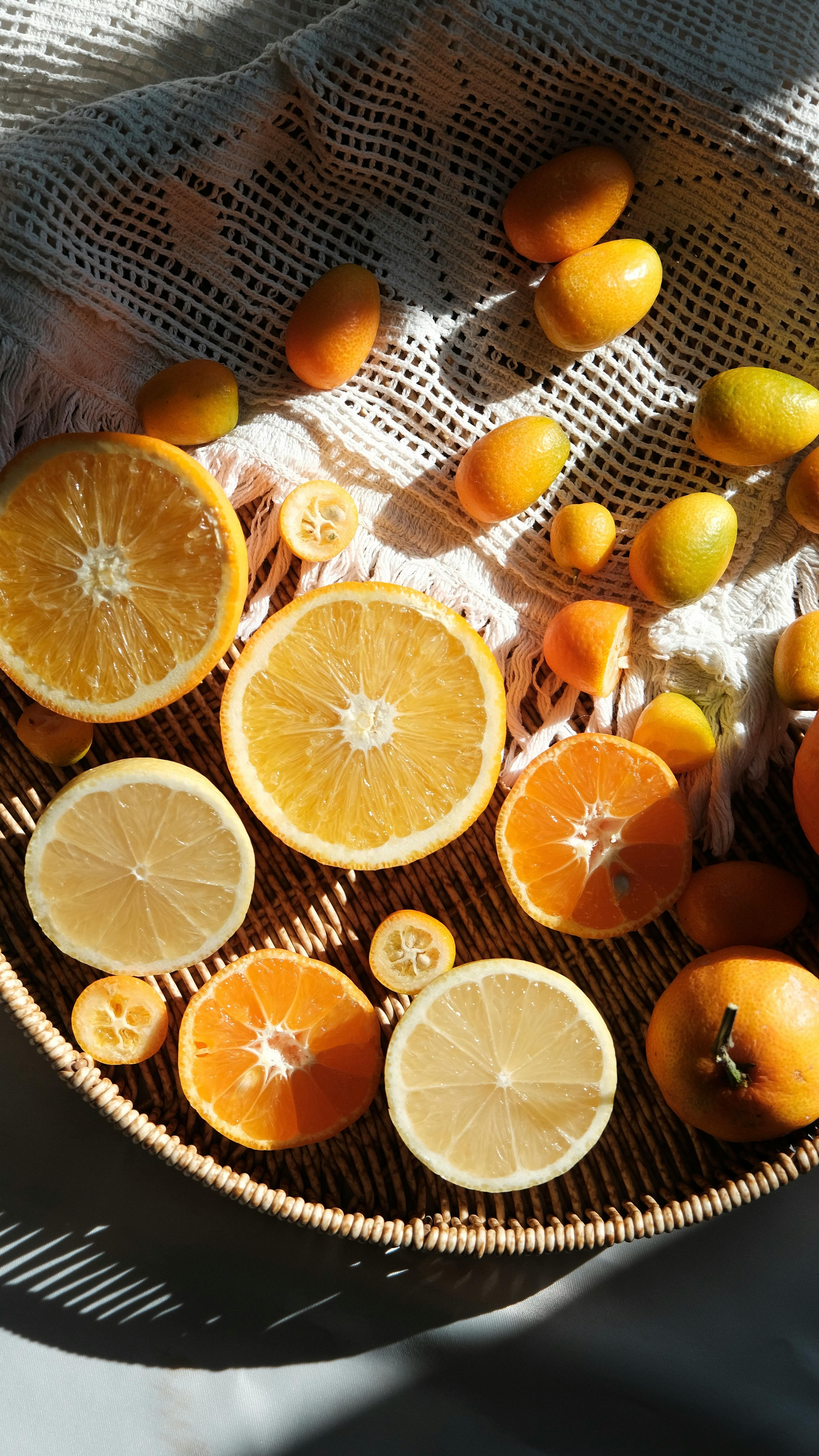
Fortunella species (Fortunella japonica, Fortunella margarita, others)
Kumquats are tiny, distinctive citrus fruits approximately olive-sized with bright golden-orange oblong shape and remarkable edible sweet skin contrasting with tart-acidic juicy interior - creating unique flavor experience unlike any other citrus. These thumb-sized treasures, native to China and cultivated throughout East Asia for centuries, offer distinctive culinary identity where entire fruit (skin, flesh, seeds) is consumed whole without peeling, providing distinctive sweet-sour-bitter interplay. Kumquats deliver exceptional eating experience where sweet, slightly bitter peel balances mouth-puckering acidic juice creating sophisticated flavor complexity appreciated by adventurous palates. The unique combination of edible skin and tart flesh provides distinctive textural and flavor contrast making kumquats memorable and distinctive among citrus fruits. Kumquats offer impressive nutritional profile despite small size - exceptional vitamin C content (particularly considering portion size), fiber, calcium, and diverse phytonutrients including limonoids with potential health benefits. The fruit's aesthetic appeal makes kumquats popular ornamental houseplants while simultaneously providing edible harvest - dual-purpose trees offering both beauty and nutrition. Kumquats represent sophisticated, elegant fruit combining distinctive flavor, unusual edibility profile, nutritional value, and aesthetic appeal while introducing discerning consumers to remarkable miniature citrus treasures deserving greater recognition and appreciation.
Explore Kumquat in stunning detail
Kumquat - Main View
Per 100g
Per 100g
Nutrition breakdown for one serving
South China, particularly Fujian Province
Kumquats originate from south China, particularly Fujian Province, where cultivation dates to ancient times. The name 'kumquat' derives from Cantonese 'gam gwat' meaning 'golden fruit' - reflecting the fruit's distinctive appearance. Chinese cultivation of kumquats predates written history, with references appearing in Chinese texts and artwork. Portuguese traders encountered kumquats in 16th century during expeditions to China and documented the fruit. Kumquats reached Europe via Portuguese trading routes and became established in Mediterranean region. European botanists noted the fruit's distinctive characteristics and began cultivation in botanical gardens and estates. The fruit arrived in Americas during 19th century, with cultivation establishing in suitable climates (Florida, California). Japanese cultivators developed refined cultivation techniques and selected superior varieties, perfecting kumquat production. Victorian era Western appreciation for exotic fruits increased kumquat popularity as ornamental houseplants - the combination of attractive foliage, delicate blossoms, and decorative fruits made kumquats popular for conservatories. Today, kumquats are cultivated globally in suitable climates but remain less commercially prominent than other citrus fruits. China remains largest producer, followed by Japan and other Asian countries. Modern Western interest in kumquats has grown as exotic fruit appreciation increases, farmers markets expand, and culinary rediscovery promotes kumquat applications in contemporary cuisine. Kumquats represent rare example of fruit with dual ornamental and edible value - appreciated as decorative plants in gardens and homes while simultaneously providing fresh fruit harvest.
Late fall to early winter (November-February in Northern Hemisphere)
Each variety offers unique flavors, textures, and culinary applications
Keep your fruit fresh and delicious for longer
Select firm, fragrant kumquats with bright golden-orange color
Kumquats should yield slightly to gentle pressure - avoid rock-hard or overly soft fruit
Skin should be smooth and unblemished without significant bruising or soft spots
Fragrant aroma indicates ripeness and quality
Avoid greenish kumquats (underripe, very tart)
Look for heavy kumquats for their size - indicates juiciness
Small size is normal - kumquats are naturally tiny fruits
For ornamental plants with edible fruit, choose healthy plants with abundant fruit
Whole branches with attached kumquats available at some markets offer decorative appeal
Fresh kumquats keep refrigerated 2-4 weeks in breathable container or paper bag
Do not wash kumquats until ready to eat - moisture accelerates spoilage
Room temperature storage acceptable 1-2 weeks for fresh kumquats
Frozen kumquats preserve quality excellently for 6-8 months
Flash freeze on baking sheet before bagging to prevent clumping
Canned or preserved kumquats in syrup keep unopened 2+ years
Candied kumquats keep several months in airtight containers
Kumquat marmalade keeps 1+ years unopened, 3-4 weeks after opening in refrigerator
Fresh kumquats can be dried at home - slice thin and dehydrate until crispy
Preserve freshness for months
Fresh kumquats freeze excellently for 6-8 months
Flash freeze whole on baking sheet before bagging
Frozen kumquats work well for cooking, beverages, and smoothies
Use directly from freezer for cooking - no need to thaw
Thawed kumquats become softer - texture less ideal for fresh eating but perfect for processing
Consider slicing and freezing for easier portioning
Candied or preserved kumquats can be frozen 12+ months
Label frozen items with the date to track freshness. Most fruits maintain quality for 2-3 months when properly frozen. For best results, use airtight containers or freezer bags to prevent freezer burn.
Discover delicious possibilities
Kumquat allergies are uncommon but documented, particularly in individuals with existing citrus allergies. Allergic reactions typically present as oral allergy syndrome - itching, tingling, or swelling of mouth, lips, tongue, and throat, particularly fresh kumquats. Some individuals experience generalized allergic reactions including hives, urticaria, or skin rashes. Severe reactions including respiratory symptoms are rare but documented. LATEX-FRUIT SYNDROME: Individuals with latex allergies may theoretically show cross-reactivity (though this connection is weaker than with other fruits). SALICYLATE SENSITIVITY: Those with salicylate sensitivity may react to kumquats (salicylate-containing food). FODMAP SENSITIVITY: Those with FODMAP sensitivity may need caution (though specific data on kumquats is limited).
Conventionally grown kumquats in commercial orchards may contain pesticide residues, though citrus trees generally require moderate pesticide management compared to some crops. Kumquat peel is edible, so surface pesticide concerns are relevant. Proper washing: Rinse kumquats under cool running water for 15-20 seconds, gently rubbing surface. The firm skin resists damage. Pat dry. This removes surface pesticides and contaminants. Organic kumquats are increasingly available and eliminate synthetic pesticide concerns. Supporting organic ornamental citrus production promotes sustainable farming. Small-scale growers or homegrown kumquats may have transparent information about pesticide use.
Surprising trivia you'll love!
Kumquat name derives from Cantonese 'gam gwat' meaning 'golden fruit' - reflecting the fruit's distinctive bright golden-orange color
Kumquats are unique among citrus fruits in that the entire fruit including skin is meant to be eaten - skin is deliberately sweet and edible unlike all other citrus
Victorian era made kumquats extremely popular as ornamental houseplants - the combination of attractive foliage, delicate blossoms, and decorative fruits made them conservatory favorites
Kumquats have been cultivated in China for over 1,000 years - among the oldest continuously cultivated fruits
The smallest kumquat variety (Hong Kong) produces fruits barely larger than a large grape - among tiniest commercially cultivated fruits
Meiwa kumquat variety (sweetest variety) is sometimes called 'dessert kumquat' - can be eaten like candy with minimal tartness
Kumquat trees can be highly productive ornamental plants - producing hundreds of fruits while maintaining decorative appeal
Japanese cultivators developed refined kumquat cultivation techniques perfecting plant production and fruit quality
Kumquat marmalade is traditional preparation with centuries-old recipes passed through families in Asia
Modern kumquat cultivation in California, Florida, and other regions represents adaptation of ancient Chinese fruit to Western growing conditions
Yes, absolutely! Eating kumquat skin is not just allowed but encouraged - the entire fruit including skin is meant to be consumed whole, making kumquats unique among citrus fruits. DISTINCTIVE FEATURE: Kumquats are specifically bred and cultivated to have sweet, edible skin - this is THE defining characteristic that distinguishes kumquats from other citrus fruits. Unlike oranges, lemons, or limes where peel is typically discarded, kumquat skin is integral to eating experience and nutritional value. SKIN BENEFITS: Kumquat skin contains concentrated phytonutrients (limonoids, hesperidin, flavonoids), calcium (significant amount from edible skin), fiber, and antioxidants. Removing skin means discarding valuable nutrition and missing the distinctive flavor profile. The skin contributes sweet notes balancing tart interior. FLAVOR PROFILE: The eating experience is specifically designed around skin-interior contrast: outer skin is sweet and slightly bitter, interior juice is tart and acidic. This interplay creates sophisticated flavor complexity appreciated by discerning palates. Eating whole fruit creates memorable taste experience. TEXTURE: Skin is thin, tender, and easily chewed (unlike thick citrus peels). The texture contributes to pleasant eating experience. PREPARATION: Simply rinse kumquat gently, pat dry, and eat whole by biting into it like grape or cherry. No preparation required. Some cut in half to enjoy separately or add to beverages. Some slice thin for garnish. But whole-fruit eating is traditional and preferred. CULTURAL PRACTICE: Throughout Asia where kumquats originate, whole-fruit consumption is universal and standard - no tradition of peeling or discarding skin. Western consumers discover this distinctive eating approach as they experience kumquats. COMPARISON: Kumquats are more similar to eating berries or grapes (where whole fruit is consumed) than to eating traditional citrus (where peel is discarded). BOTTOM LINE: Embrace kumquat skin! Eating whole kumquats including skin maximizes nutrition, delivers intended flavor experience, and provides authentic kumquat appreciation.
Kumquats have distinctive, sophisticated flavor profile unique among citrus fruits - described as sweet-tart-bitter combination creating complexity that's difficult to compare to single fruit. FLAVOR INTERPLAY: Eating kumquat creates intentional contrast experience: The outer skin tastes sweet with honey-like notes and subtle bitterness. The interior juice is intensely tart and acidic - mouth-puckering but not unpleasantly sour. The combination creates sophisticated sweet-sour interplay where neither flavor dominates - they balance each other creating complex taste. INITIAL PERCEPTION: First-time eaters often find kumquats surprising - the unexpectedly sweet skin followed by tart interior creates memorable sensory experience. Some describe it as "candy with a tart center." COMPLEXITY: Unlike simple-sweet citrus, kumquats offer multi-layered flavor: sweetness, tartness, subtle bitterness, and floral notes create complex profile. The flavor is refined and sophisticated rather than aggressively tart like lemon or sweet like orange. VARIETY VARIATIONS: Taste varies significantly between varieties: Nagami (most common) provides balanced sweet-tart profile. Marumi offers slightly sweeter skin. Meiwa is dessert-quality - exceptionally sweet with minimal tartness. Hong Kong is intensely tart - cooking variety. FRESH CHARACTERISTICS: Fresh ripe kumquats taste bright and refreshing. The eating experience is crisp and energizing. COMPARISON CHALLENGE: Kumquats don't taste like oranges despite citrus family relationship. They're not exactly like lemons. The combination of edible sweet skin and tart interior makes direct comparison difficult. Most people describe discovering kumquat taste as pleasant surprise - sophisticated flavor rewarding curiosity. CULTURAL PERSPECTIVE: In Asia where kumquats originated, they're appreciated as distinctive, sophisticated fruit. Western consumers discover kumquats as exotic, interesting citrus offering departure from common fruit flavors. SUMMARY: Kumquat tastes like sophisticated sweet-tart-bitter combination with unique interplay between sweet skin and tart interior. The flavor is complex, refined, and memorable.
Yes, kumquats are genuinely healthy food with impressive nutritional profile and several health-promoting properties - particularly considering their small size and whole-fruit consumption model. VITAMIN C POWERHOUSE: Kumquats provide exceptional vitamin C (73% DV per 100g) - more impressive considering portion size. A small handful of kumquats delivers significant immune support and antioxidant protection. UNIQUE PHYTONUTRIENTS: Kumquats contain limonoids - unique citrus compounds with demonstrated anti-cancer and health-promoting properties in research. These compounds are particularly abundant in kumquat peel (which you eat). Hesperidin (flavonoid in peel) provides antioxidant and anti-inflammatory benefits. WHOLE-FRUIT ADVANTAGE: Consuming entire fruit including skin maximizes nutrition and bioavailability. You get fiber, calcium, antioxidants, and phytonutrients from edible peel - advantages unavailable from citrus where peel is discarded. DIGESTIVE BENEFITS: Fiber content (1.8g per 100g) supports digestive health, regular bowel movements, and prebiotic effects. The whole-fruit consumption provides complete digestive benefits. CARDIOVASCULAR SUPPORT: Multiple pathways support heart health: potassium for blood pressure regulation, fiber for cholesterol management, polyphenolic compounds for inflammation reduction, and limonoids for cardiovascular protection. BLOOD SUGAR MANAGEMENT: Low glycemic index (65) and moderate glycemic load (10) make kumquats suitable for blood sugar management. The fiber and phytonutrients further support glucose metabolism. ADDITIONAL MINERALS: Calcium (5% DV from edible skin) and manganese (7% DV) support bone health, metabolism, and overall health. ANTIOXIDANT RICH: Multiple antioxidant compounds provide cellular protection, reduce oxidative stress, and support disease prevention. PORTION CONSIDERATION: Small size means reasonable portion control - you naturally eat modest amount providing balanced nutrition without excessive calories (71 per 100g). TRADITIONAL USES: Asian traditional medicine recognized kumquats as health-supporting fruit - modern science increasingly validates these traditional applications. VERDICT: Kumquats are genuinely healthy, nutrient-dense food. The combination of exceptional vitamin C, unique phytonutrients, edible skin benefits, and whole-fruit consumption model makes kumquats nutritional standout.
Kumquats are versatile cooking ingredient with multiple applications ranging from sweet marmalade to savory sauces - the tart-sweet profile works surprisingly well across cuisines. TRADITIONAL MARMALADE: Kumquat marmalade (jam) is classic preparation - slice kumquats (remove seeds), cook with sugar and water creating glossy, intense, bittersweet preserve. The cooking process softens skin and concentrates flavors. Marmalade works with pastries, yogurt, cheese boards, and glazes. This is most common traditional kumquat preparation. SAUCE APPLICATIONS: Kumquat sauce pairs beautifully with duck, game, and rich meats - the tartness cuts through richness and provides brightness. Similarly effective with poultry. Reduce kumquat juice with honey, ginger, and spices creating sophisticated sauce. CANDIED KUMQUATS: Slice kumquats and candy in sugar syrup creating glossy, chewy treats. Candied kumquats serve as garnish for desserts, eaten as confection, or incorporated into baking. GARNISH AND DECORATION: Slice thin kumquats for decorative garnish on desserts, cocktails, plates, and beverages. The bright color and distinctive shape provide visual appeal. Whole or halved kumquats create elegant presentation. BEVERAGE APPLICATIONS: Add kumquat slices to cocktails, sparkling wine, tea, or lemonade. The tartness adds complexity to drinks. Kumquat-infused spirits create unique flavored beverages. BAKING INTEGRATION: Incorporate candied or fresh kumquat pieces into cakes, cookies, pastries, and breads. The tart-sweet flavor complements baked goods. Kumquat glaze works on pastries and cakes. SALAD APPLICATIONS: Slice fresh kumquats into salads - both fresh and cooked preparations. The tartness provides brightness and interest. PRESERVATION: Preserve whole kumquats in syrup creating shelf-stable ingredient available year-round. Preserved kumquats work in many applications where fresh unavailable. MINIMAL PREPARATION: Unlike many citrus, kumquats need minimal prep - no peeling required. Simply slice or halve for most applications. FLAVOR PAIRING: Kumquats pair well with: honey and sweeteners (balance tartness), ginger and warming spices, dark chocolate, cream and custard, meat (game, duck, poultry), herbs (mint, basil), and spirits. REGIONAL APPLICATIONS: Mediterranean cuisine uses kumquats in preserves and liqueurs. Asian cuisine incorporates preserved kumquats in savory dishes. Modern cuisine explores kumquat versatility.
Yes, kumquats can support immune health and may help alleviate cold symptoms through exceptional vitamin C content and immune-supporting phytonutrients - though they're not medical treatment. VITAMIN C ADVANTAGE: Kumquats provide 73% DV vitamin C per 100g - significant amount supporting immune function. Vitamin C is essential for white blood cell production, antimicrobial activity, and infection fighting. Regular kumquat consumption supports baseline immune health. COLD PREVENTION: Adequate vitamin C intake supports immune strength and may reduce cold incidence slightly - consuming kumquats as part of balanced diet supports preventive health. However, vitamin C is not cold cure. SYMPTOM SUPPORT: During active cold, consuming kumquats may provide benefit through vitamin C supporting immune response. The acidic juice may also provide throat comfort similar to lemon drinks (though evidence is anecdotal). PHYTONUTRIENT CONTRIBUTION: Limonoids, hesperidin, and polyphenolic compounds in kumquats have anti-inflammatory properties potentially supporting immune function during illness. TRADITIONAL USE: Asian traditional medicine recognized kumquats as supporting respiratory and immune health - used in tea preparations and consumed during seasonal transitions. REALISTIC EXPECTATIONS: Kumquats are supportive food but not medical treatment. They don't cure colds. They support overall health and may modestly reduce cold severity through immune support, but shouldn't replace medical care for serious illness. PREPARATION FOR ILLNESS: Kumquat tea (steep fresh or dried kumquats in hot water with honey) provides warming, soothing preparation. The combination of heat, vitamin C, and honey addresses comfort aspects of cold. DAILY CONSUMPTION BENEFIT: Regular consumption of kumquats as part of balanced diet supporting overall immune health is more valuable than emergency consumption during illness. SYNERGY: Kumquats work best as component of comprehensive immune health approach including sleep, stress management, other nutrient-dense foods, and general wellness practices. CAUTION: Those with citrus allergies or sensitivities should avoid kumquats. Those on blood-thinning medication should moderate intake. VERDICT: Kumquats are genuinely supportive immune-health food providing meaningful vitamin C and immune-supporting phytonutrients. Regular consumption supports baseline health. During active cold, they may provide comfort and immune support though not medical treatment.
No, kumquats are relatively LOW in sugar (9.4g per 100g) - moderate and manageable for most diets despite sweet taste. SUGAR PERCEPTION VS REALITY: Kumquats taste distinctly sweet, but actual sugar content is modest. The sweetness perception derives from flavor complexity and taste buds' sensitivity to concentrated flavor in small fruit. The contrast between sweet skin and tart interior also amplifies sweet perception. COMPARISON TO OTHER FRUITS: Kumquats contain 9.4g sugar per 100g - lower than or comparable to many common fruits: grapes (16.3g/100g), bananas (12.2g/100g), apples (10.4g/100g), oranges (9.3g/100g), mango (13.7g/100g). Kumquats are genuinely low-sugar among fruits. PORTION ADVANTAGE: The small size naturally limits sugar consumption - you typically eat modest number of kumquats providing balanced nutrition without excessive sugar. A small handful (100g) provides reasonable sugar amount. GLYCEMIC PROFILE: Glycemic index of 65 (moderate) and glycemic load of 10 (moderate) indicate moderate blood sugar impact. Fiber content helps moderate glucose absorption. DIABETIC CONSIDERATIONS: Diabetics can include kumquats in moderation. A serving (100g, about 5-6 whole kumquats) provides 15.9g total carbohydrates and 9.4g sugar - manageable portion within meal planning. Blood sugar monitoring determines individual tolerance. CALORIC CONTEXT: At 71 calories per 100g, kumquats are moderate-calorie fruit. Sugar contributes portion of calories but overall profile is not high-sugar. PROCESSED VS FRESH: Fresh whole kumquats are genuinely low-sugar. Kumquat marmalade and candied kumquats contain added sugar, making them high-sugar products. Choose fresh for minimal sugar. VERDICT: Fresh kumquats are genuinely low-sugar fruit. The sweet taste belies actual modest sugar content. They're appropriate for those monitoring sugar intake when consumed in reasonable portions. Processed kumquat products (marmalade, candied) are high-sugar and should be consumed moderately.
Yes, dogs can safely eat fresh kumquats in very small amounts as occasional treat - they're non-toxic and generally safe, though several considerations apply. SAFETY: Fresh kumquats are non-toxic to dogs - no compounds are harmful. The entire fruit is safe (skin, flesh, seeds). BENEFITS: Kumquats provide vitamin C for immune support, fiber for digestive health, and antioxidants. Small amounts offer modest nutritional value. The water content (80.9%) provides hydration. CONCERNS: SUGAR CONTENT: Fresh kumquats contain 9.4g sugar per 100g - modest but still significant for dogs. Excessive sugar contributes to obesity, dental problems, and diabetes risk - major canine health concerns. ACIDIC JUICE: The tart acidic interior may upset sensitive digestive systems or cause mouth discomfort in some dogs. CHOKING HAZARD: Fresh whole kumquats could pose minor choking risk for very small dogs or dogs that gulp food without chewing. The small size and firm flesh are manageable for most dogs but require precaution. DIGESTIVE UPSET: The combination of fiber, sugar, and acidic juice can cause digestive disturbance in sensitive dogs - diarrhea, gas, stomach discomfort, or vomiting. PORTION GUIDELINES: Small dogs (under 20 lbs): 1 small kumquat maximum (about 15-20g). Medium dogs (20-50 lbs): 1-2 small kumquats maximum (about 30-40g). Large dogs (over 50 lbs): 2-3 small kumquats maximum (about 50-60g). Frequency: No more than 2-3 times per month as very occasional treat. PREPARATION: Ensure ripe kumquats (safer than underripe), cut into small pieces for small dogs to eliminate choking risk, introduce gradually with tiny amount to test tolerance, and avoid processed kumquat products (marmalade, candied - added sugar). WHEN TO AVOID: Dogs with diabetes should avoid due to sugar content. Overweight dogs should have minimal or no kumquats. Dogs with sensitive digestive systems should avoid or minimize. Puppies should avoid until mature. BETTER ALTERNATIVES: Safer dog-friendly fruits include blueberries, watermelon (seedless), apple slices (no seeds), bananas (moderation), and pumpkin - all lower in sugar and safer choices. BOTTOM LINE: Fresh whole kumquats are safe for dogs in very small amounts as rare special treat with proper precautions, but many better fruit options exist. They're not toxic but modest sugar content makes them inappropriate for regular feeding. If offering kumquats, do so very sparingly and monitor for any adverse reactions.
Sustainability insights
Kumquat cultivation represents relatively sustainable agricultural model with minimal environmental concerns. Benefits include perennial trees with 20-30 year productive lifespan eliminating annual replanting, moderate water requirements once established, traditional cultivation often using organic methods and minimal inputs, dual-purpose ornamental-edible value, and integration into home gardens reducing commercial agriculture demand. Challenges are minimal - occasional pests may require management, but overall environmental footprint is low. Modern sustainable practices include organic kumquat production, integrated pest management reducing chemical inputs, and home cultivation encouraging local food production.
Kumquat carbon footprint is relatively low due to perennial cultivation, minimal processing for fresh consumption, and efficient regional distribution. Fresh whole kumquats require minimal processing - carbon footprint is primarily from cultivation and transportation. The perennial nature means no annual planting fuel costs. Regional distribution within production areas minimizes transportation carbon. Long-distance export involves moderate carbon but still reasonable for fruit category. Per-serving carbon impact is low - kumquats provide concentrated nutrition and calories relative to growing resources. Home cultivation of kumquat plants eliminates commercial carbon entirely. To minimize carbon footprint: Purchase locally during season if available, choose fresh kumquats over processed products, buy from local growers, and support home cultivation of kumquat plants.
Kumquat cultivation requires moderate water with water footprint approximately 600-800 liters per kilogram - moderate compared to water-intensive crops and reasonable for citrus. Mature kumquat trees develop root systems allowing good drought tolerance once established, though young trees require consistent irrigation during establishment. Traditional and commercial cultivation in moderate-rainfall regions minimizes supplemental irrigation. Ornamental home cultivation often receives rain and household water providing sustainable pattern. Modern commercial orchards optimize water: drip systems, mulching, soil monitoring. Kumquats are reasonable water-use fruit for most regions.
Supporting local kumquats maximizes sustainability and freshness. Kumquats are cultivated in California, Florida, Mediterranean, South Africa, and other regions with suitable climates. For residents in kumquat-growing regions, local fruit provides minimal transportation carbon. For non-producing regions, frozen or preserved kumquats from producing regions represent sustainable option. Home cultivation of kumquat ornamental plants eliminates commercial agriculture demand while providing fresh fruit. BEST PRACTICES: Buy fresh local kumquats during season when available, purchase frozen kumquats from producing regions off-season, choose organic when available, support home cultivation of kumquat plants in suitable climates, and appreciate kumquats' dual ornamental-edible value.
We aim to keep this Kumquat profile accurate and easy to understand. Nutrition values and % Daily Value figures are based on established reference databases and standard daily value guidance.
Last updated: September 7, 2026
Medical disclaimer
This page is for general educational purposes and does not replace professional medical advice.
Found an issue? Contact us.