Loading Fruit Details...
Please wait while we fetch nutritional information and health benefits
Please wait while we fetch nutritional information and health benefits
Recommended Products
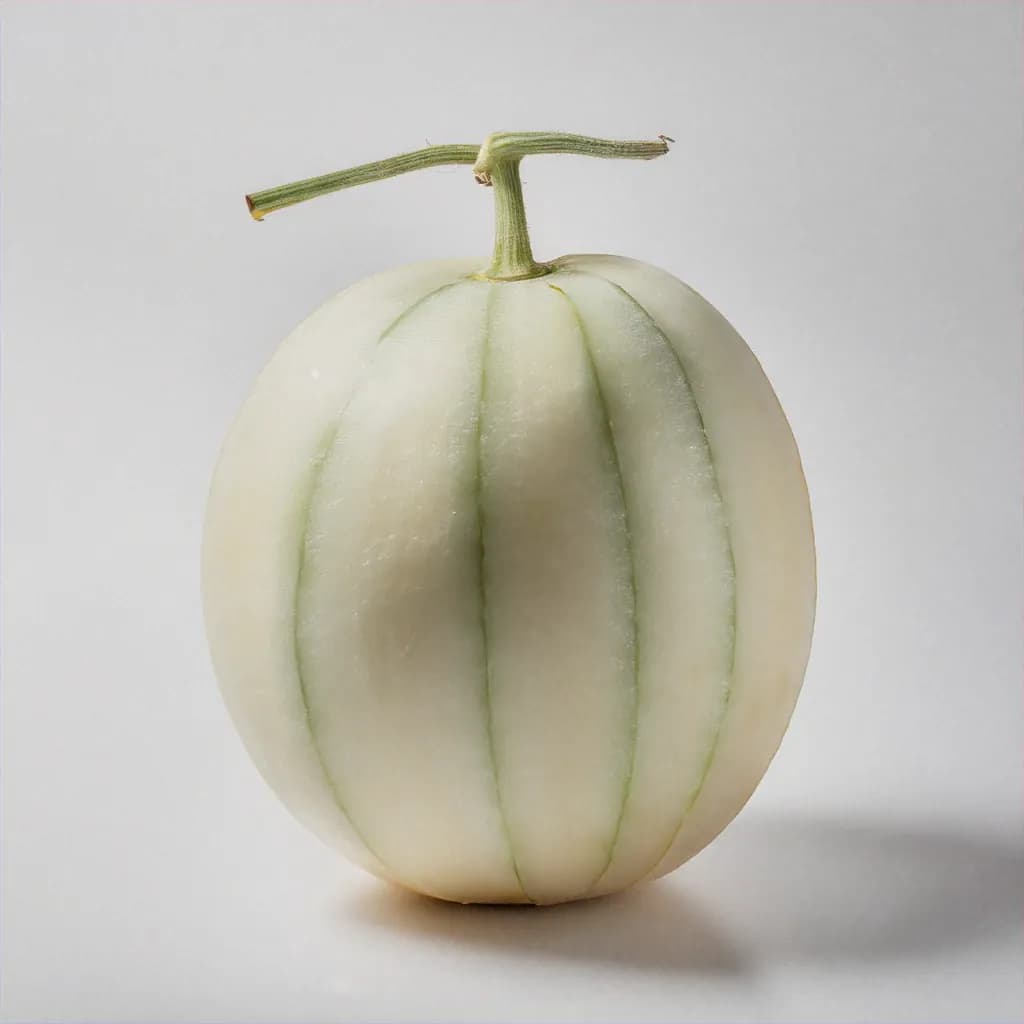
Cucumis melo
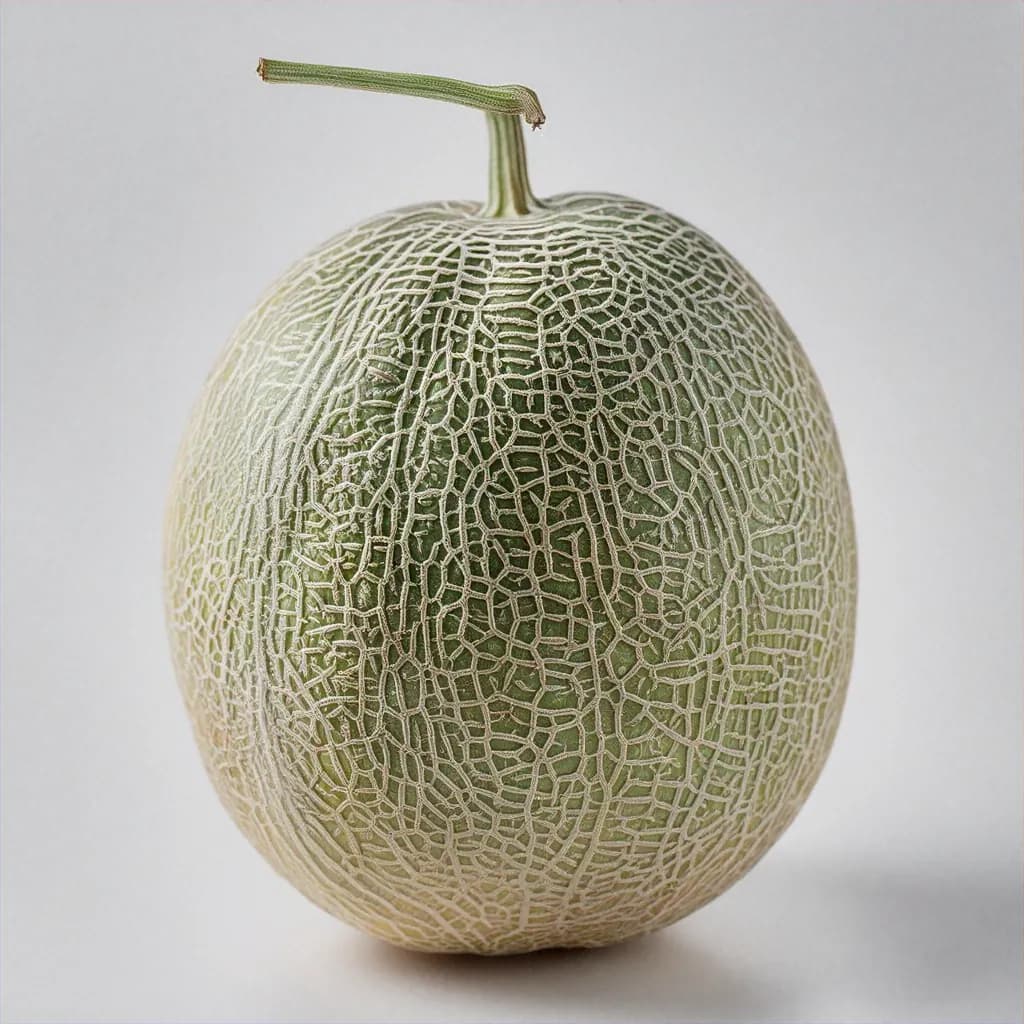
Honeydew melons are large melons with pale green or yellow smooth rind and sweet pale green flesh featuring high water content. Excellent hydration source with 90% water content supporting fluid balance and electrolyte management. Rich in vitamin C (14% DV) for immune support and potassium (10% DV) for cardiovascular health. Contains folate and B vitamins supporting energy metabolism and cellular function. Native to Africa and Asia, honeydew melons thrive in warm climates and provide refreshing superfruit benefits ideal for summer nutrition.
Explore Honeydew Melon in stunning detail
Honeydew Melon - Main View
Per 100g
Per 100g
Nutrition breakdown for one serving
Africa and Asia, particularly Persia and Central Asia
Honeydew melons originated in Africa and Asia with cultivation expanding through Persia and Central Asia. Documented in ancient Egyptian and Persian gardens. Spread to Mediterranean through trade routes. European cultivation expanded during Renaissance. Colonial introduction to Americas established commercial production. Modern cultivation developed extensive variety and global distribution.
Summer peak season June-September in Northern Hemisphere
Each variety offers unique flavors, textures, and culinary applications
Keep your fruit fresh and delicious for longer
Select melon that feels heavy for its size - indicates juiciness
Look for pale yellow or cream color on bottom indicating ripeness
Melon should yield slightly to gentle pressure at blossom end
Smell near stem end - sweet aroma indicates ripeness
Avoid soft spots, bruises, or cracks
Smooth rind without blemishes indicates quality
Listen for hollow sound when tapped gently
Refrigerate whole uncut melon 3-5 days
Store cut melon in airtight container 3-4 days
Keep in coldest section of refrigerator
Do not freeze - damages texture
Wrap cut melon tightly preventing odor absorption
Place near back of refrigerator away from warmth
Preserve freshness for months
Fresh honeydew does not freeze well - texture deteriorates
Puree flesh and freeze in ice cube trays for smoothies
Frozen puree keeps 2-3 months
Use frozen for blended drinks only
Thaw in refrigerator before use in drinks
Label frozen items with the date to track freshness. Most fruits maintain quality for 2-3 months when properly frozen. For best results, use airtight containers or freezer bags to prevent freezer burn.
Discover delicious possibilities
Honeydew melon allergies uncommon but documented in individuals with pollen sensitivities. Oral allergy syndrome possible in birch pollen allergic individuals. Allergic reactions typically mild - itching or throat irritation. Severe reactions very rare. Those with melon allergies should consult allergist.
Honeydew melons may contain pesticide residues - proper cleaning important. Conventional melons should be rinsed thoroughly. Organic melon options available reducing pesticide concerns. Peel rind before consumption removing outer layer. Remove seeds completely before serving.
Surprising trivia you'll love!
Honeydew melons contain 90% water providing exceptional hydration benefits
Vitamin C content (30% DV per serving) supports immune system and collagen synthesis
Potassium content (7% DV) essential for cardiovascular health and muscle function
Honeydew melons originated in Africa and Asia spreading globally through trade
Japanese melon gifting tradition reflects highest respect and premium quality
Prosciutto and honeydew melon classic Italian pairing combines sweet and salty flavors
Low calorie content (36 per 100g) makes melons ideal for weight management
Hollow sound when tapped indicates proper ripeness and sugar development
Honeydew melons grow on the ground preventing pest damage from vines
Peak season June-September provides optimal freshness and sweetness
Honeydew melon exceptional hydration and electrolyte benefits supporting athletic performance and recovery. WATER CONTENT: 90% water composition provides superior hydration. Higher water content than many beverages. Rapidly absorbed supporting quick rehydration. Natural hydration without added sugars or chemicals. Ideal for pre and post-workout hydration. ELECTROLYTE PROFILE: Potassium (7% DV) essential electrolyte for muscle function. Sodium naturally present in small amounts supporting electrolyte balance. Magnesium (3% DV) supports muscle relaxation and function. Copper (5% DV) supports energy metabolism. Balanced electrolyte composition mirrors sports drink formulations. NATURAL HYDRATION: Superior to artificial sports drinks with whole food source. No artificial colors, flavors, or preservatives. Natural carbohydrates provide energy without excess sugar. Gentle on digestive system during activity. Rapid absorption minimizing stomach stress. POTASSIUM CARDIOVASCULAR SUPPORT: Potassium regulates heart rhythm and function. Blood pressure regulation through electrolyte balance. Muscle contraction and relaxation depends on potassium. Heart health maintained through adequate intake. Prevents electrolyte imbalances during exercise. ENERGY SUPPORT: Natural carbohydrates (8.7g per 100g) provide energy. Quick carbohydrate absorption supports sustained activity. Low calories (36 per 100g) with carbohydrate efficiency. Rapid replenishment for athletic recovery. Prevention of energy depletion. RECOVERY BENEFITS: Hydration restoration after physical activity essential. Potassium replenishment prevents muscle cramps. Carbohydrate consumption supports glycogen restoration. Natural antioxidants support recovery. Sleep quality enhanced through proper hydration. VITAMIN C COLLAGEN SYNTHESIS: Vitamin C (30% DV per serving) essential for collagen. Exercise-induced collagen breakdown requires vitamin C replacement. Joint and tissue repair supported by vitamin C. Wound healing enhanced post-exercise. Antioxidant protection against exercise-induced stress. EXERCISE PERFORMANCE: Proper hydration enhances endurance and power. Electrolyte balance prevents cramping and fatigue. Sustained energy through natural carbohydrates. Temperature regulation supported by hydration. Mental focus and coordination enhanced. NATURAL ALTERNATIVE: Superior to artificial sports drinks for many athletes. Whole food source with additional micronutrients. No artificial additives or chemicals. Cost-effective natural hydration option. Environmental sustainability of whole fruit. BOTTOM LINE: Honeydew melon exceptional athletic hydration and recovery food through 90% water content, potassium and electrolytes for muscle function, natural carbohydrates for energy, vitamin C for collagen repair, and natural antioxidants supporting athletic performance and recovery.
Honeydew melon selection and storage crucial for maximizing sweetness, hydration, and nutritional benefits. RIPENESS SELECTION: Look for pale yellow or cream color on bottom - indicates ripeness and sugar development. Smell near stem end - sweet aroma indicates full ripeness. Melon should yield slightly to gentle pressure at blossom end - firmness indicates readiness. Avoid hard melons - may be underripe. Avoid overly soft melons - may be overripe. Listen for hollow sound when tapped gently - indicates proper ripeness. WEIGHT ASSESSMENT: Select melon that feels heavy for its size - indicates high water content and juiciness. Light melons may be watery or lacking flavor. Density increases with ripeness and sugar content. APPEARANCE CHECK: Smooth rind without blemishes or cracks. Avoid soft spots, bruises, or discoloration. Even coloring indicates uniform ripeness. No sprouting or mold visible. REFRIGERATOR STORAGE: Refrigerate whole uncut melon 3-5 days. Store in coldest section of refrigerator. Do not freeze - damages texture significantly. Remove from refrigerator 15-20 minutes before serving for optimal flavor. Chilled melons lose some sweetness - serve chilled for refreshment. CUT MELON STORAGE: Store cut melon in airtight container 3-4 days. Wrap cut side tightly preventing odor absorption. Keep in coldest section of refrigerator. Consume within 3-4 days for optimal quality. Cover tightly preventing moisture loss. ROOM TEMPERATURE RIPENING: Ripen at room temperature 1-2 days if slightly underripe. Move to refrigerator when fully ripe. Monitor daily for ripeness development. Avoid extended room temperature storage - promotes spoilage. FREEZING NOT RECOMMENDED: Fresh honeydew freezes poorly - texture becomes mushy. Not suitable for freezing whole fruit. Puree alternative for long-term storage in freezer. PUREE FREEZING: Process fresh flesh into smooth puree. Strain through fine mesh if desired. Freeze in ice cube trays for portion control. Transfer frozen cubes to freezer bags. Frozen puree keeps 2-3 months. Use in smoothies and frozen drinks. CONSUMPTION TIMELINE: Optimal consumption within 1-2 days after cutting. Refrigerated whole melon lasts 3-5 days. Quality gradually declines over time. Early consumption maximizes sweetness and nutrition. HANDLING PRECAUTIONS: Handle gently preventing bruising and damage. Wash before cutting under cool running water. Use clean utensils for cutting. Cut on clean surfaces preventing contamination. Remove any discolored or soft areas. BOTTOM LINE: Select heavy melons with pale bottom color and sweet aroma, refrigerate whole 3-5 days or cut 3-4 days, serve chilled for refreshment, freeze puree for extended storage, and consume fresh for optimal sweetness and hydration benefits.
Honeydew melons safe and nutritious for children supporting hydration, growth, and immune function. NUTRITIONAL BENEFITS: Vitamin C (30% DV per serving) supports immune system protecting against infections. Potassium (7% DV) supports cardiovascular health and muscle function. Magnesium (3% DV) supports bone development and muscle relaxation. Folate (5% DV) supports cell division and DNA synthesis. Fiber (5% DV) supports digestive health and regular bowel function. HIGH HYDRATION: 90% water content supports optimal hydration essential for children. Natural electrolytes support fluid balance. Prevents dehydration especially important in warm weather. Encourages water intake through appealing fruit. LOW ALLERGEN: Honeydew allergies uncommon in children. Rarely allergenic with minimal reactions. Generally well-tolerated when introduced properly. Severe allergic reactions very rare. INTRODUCTION GUIDELINES: Introduce gradually starting with small quantities. Begin with small pieces observing reactions. Increase quantity as child demonstrates tolerance. Watch for any unusual reactions initially. Supervise first few consumptions. PREPARATION FOR CHILDREN: Melon easily cut into safe pieces for young children. No choking hazard with proper preparation. Age-appropriate handling for all ages. Remove seeds completely. FLAVOR APPEAL: Naturally sweet taste appeals to most children. Refreshing flavor especially popular in summer. Mild flavor accepted by picky eaters. Natural sweetness satisfies sweet cravings. PORTION SIZES: Young children - small bowl (100g) daily. Older children - 1 cup (177g) daily. Include with balanced diet. Encourage water consumption supplementing melon. DEVELOPMENT SUPPORT: Vitamin C supports immune development and collagen formation. Potassium supports cardiac and muscle development. Magnesium supports bone development and growth. Folate supports cell growth and development. Fiber supports digestive system development. HYDRATION IMPORTANCE: Children often under-hydrate especially during activity. Honeydew provides appealing hydration alternative. Prevents dehydration during warm weather. Supports cognitive function and physical performance. Electrolyte balance maintained through consumption. IMMUNE SUPPORT: Vitamin C strengthens immune response. Supports disease prevention. Collagen formation essential for growing bodies. Antioxidants protect developing cells. Natural immune support without additives. PRACTICAL TIPS: Pack in lunch boxes - convenient portable snack. Serve with meals improving nutrition intake. Frozen cubes interesting treat for hot days. Smoothies incorporating melon appealing to children. Involve children in selection and cutting. DIGESTIVE HEALTH: Fiber supports healthy digestion and regularity. Natural sweetness well-tolerated. Smooth digestion prevents constipation. Gut health development important for children. BOTTOM LINE: Honeydew melons safe and nutritious for children supporting hydration, immune function, growth, and development through vitamin C, potassium, magnesium, and fiber with simple preparation and minimal allergy risk.
Honeydew melons exceptional cultural significance spanning continents with diverse culinary traditions and summer celebration roles. ANCIENT ORIGINS: Melons originated in Africa and Asia with cultivation in ancient Egypt and Persia. Documented in ancient Egyptian tombs and gardens. Persian cultivation developed sophisticated melon varieties. Central Asian trade routes expanded melon cultivation. Historical significance in Mediterranean and Middle Eastern cultures. MEDITERRANEAN TRADITIONS: Greek cuisine celebrates melon consumption. Italian summer cuisine centers around fresh melons. Spanish tradition of melon platters for festivals. Turkish kebab and melon pairing tradition. Mediterranean diet component reflecting seasonal eating. ASIAN CULINARY TRADITIONS: Chinese culture highly values melons - gifts of respect. Japanese melon gifting tradition denotes premium quality. Korean summer cuisine features melon consumption. Southeast Asian melon cultivation and consumption traditions. Silk Road trade expanded melon distribution. MIDDLE EASTERN TRADITIONS: Persian melon cultivation refined sophisticated varieties. Turkish kebab and melon pairing celebrated. Arab summer traditions revolving around melons. Islamic gardens historically featured melons. Regional recipes incorporating melons historically. SUMMER CELEBRATION TRADITIONS: Melons represent summer season across cultures. Picnic and outdoor gathering staple. Festival foods celebrating harvest season. Family gathering traditions around melon consumption. Community celebration incorporation. CULINARY APPLICATIONS: Prosciutto and melon classic Italian pairing. French elegant melon preparations. Spanish gazpacho with melon additions. Asian melon preparation methods. Modern fusion cuisine adapting traditions. PREMIUM GIFTING TRADITION: Japanese melon gifting denotes highest respect. Premium melons command high prices. Specialty varieties highly valued. Gift baskets featuring melons. Luxury fruit symbolism across cultures. COLONIAL EXPANSION: European colonization introduced melons to Americas. Americas developed commercial melon production. Trade routes expanded global distribution. Selective breeding created modern varieties. Industrial agriculture transformed cultivation. GLOBAL COMMERCIAL PRODUCTION: Modern production spans continents. Diverse variety development reflecting preferences. Seasonal availability manipulation through greenhouses. Trade networks enabling worldwide distribution. Export industries supporting economies. MODERN CULINARY INNOVATION: Contemporary chefs celebrating melon diversity. Fine dining melon preparations. Fusion cuisine adapting traditional applications. Molecular gastronomy experimenting with melons. Culinary competitions featuring melon dishes. SUMMER CULTURAL SIGNIFICANCE: Melons define summer season across cultures. Heat management through hydrating melons. Refreshment symbol in warm climates. Social gatherings centered around melons. Family traditions passing through generations. SUSTAINABILITY AND TRADITIONS: Traditional farming practices preserved in regions. Heirloom varieties maintained by local farmers. Organic cultivation gaining momentum. Fair trade practices supporting producers. Climate considerations affecting traditions. CHALLENGES AND OPPORTUNITIES: Climate change affecting traditional growing regions. Water availability concerns in some areas. Sustainable farming practices emerging. Fair trade certification developing. Cultural traditions evolving with modernization. BOTTOM LINE: Honeydew melons represent multicultural heritage from ancient African and Asian origins through Mediterranean traditions, Persian refinement, summer celebrations worldwide, premium gifting significance, and modern culinary innovation reflecting diverse cultural appreciation.
Sustainability insights
Honeydew melon cultivation represents diverse environmental impact from sustainable to conventional practices. Benefits include relatively short growing season, water-efficient drip irrigation availability, and local cultivation potential. Challenges include water requirements in arid regions, pesticide use in conventional farming, and transportation carbon footprint. Sustainable practices include organic cultivation, water conservation, integrated pest management, and local production supporting regional economies.
Honeydew melon carbon footprint low-to-moderate depending on cultivation and transportation. Local cultivation dramatically reduces footprint. Seasonal eating minimizes storage and transport carbon. Peak season June-September optimal for footprint reduction. Long-distance transport increases carbon significantly. Cold storage requirements increase energy use. Organic cultivation reduces overall environmental impact.
Honeydew melon cultivation requires moderate water. Deep root systems access groundwater in established plantations. Drip irrigation reduces water waste compared to flood irrigation. Rainfall primary water source in appropriate climate regions. Irrigation supplementation necessary in arid regions. Reasonable water requirements compared to other crops. Water conservation practices reducing overall usage.
Supporting local melon cultivation maximizes sustainability benefits. Peak season June-September optimal for local sourcing. Off-season imports increase carbon footprint significantly. BEST PRACTICES: Purchase locally in-season when available, support organic melon farmers, choose seasonal varieties, minimize cold storage requirements, source from nearby producers.
We aim to keep this Honeydew Melon profile accurate and easy to understand. Nutrition values and % Daily Value figures are based on established reference databases and standard daily value guidance.
Last updated: September 6, 2026
Medical disclaimer
This page is for general educational purposes and does not replace professional medical advice.
Found an issue? Contact us.