Loading Fruit Details...
Please wait while we fetch nutritional information and health benefits
Please wait while we fetch nutritional information and health benefits
Recommended Products
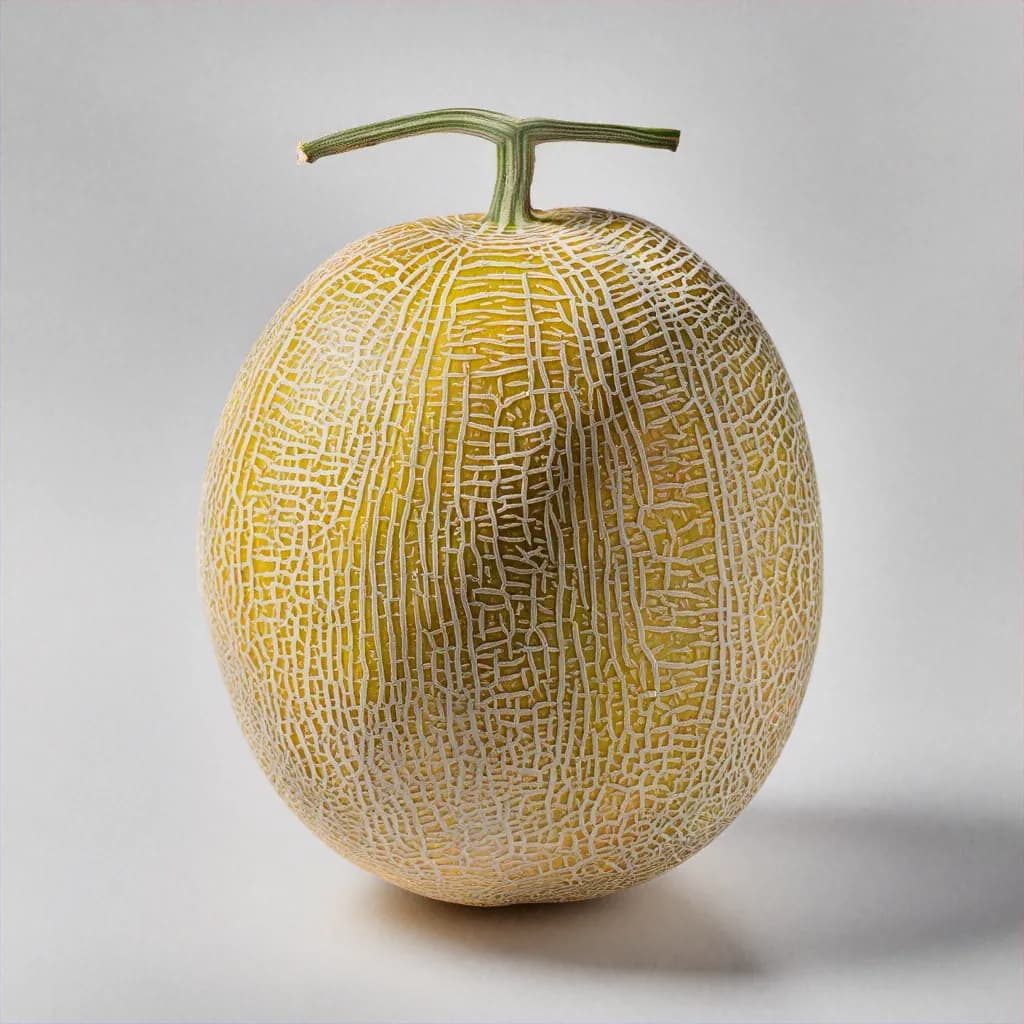
Cucumis melo var. inodorus
Casaba melons are distinctive winter melons with bright yellow, deeply wrinkled rind and creamy white to pale green flesh. Known for mild, subtly sweet flavor with cucumber-like refreshing taste, casaba melons offer unique alternative to summer melons. These large, football-shaped melons provide excellent hydration with 90% water content while delivering vitamin C, potassium, and beneficial antioxidants at only 48 calories per cup. Unlike aromatic melons, casaba has little to no fragrance, making flavor identification challenging until tasting. The crisp, juicy flesh has delicate sweetness without intense melon flavor, appealing to those preferring mild taste. Exceptional shelf life (up to 4-6 weeks when properly stored) makes casaba melons economical and practical. Available late summer through winter when other melons are scarce, casaba extends fresh melon season and provides refreshing option during cooler months.
Explore Casaba Melon in stunning detail
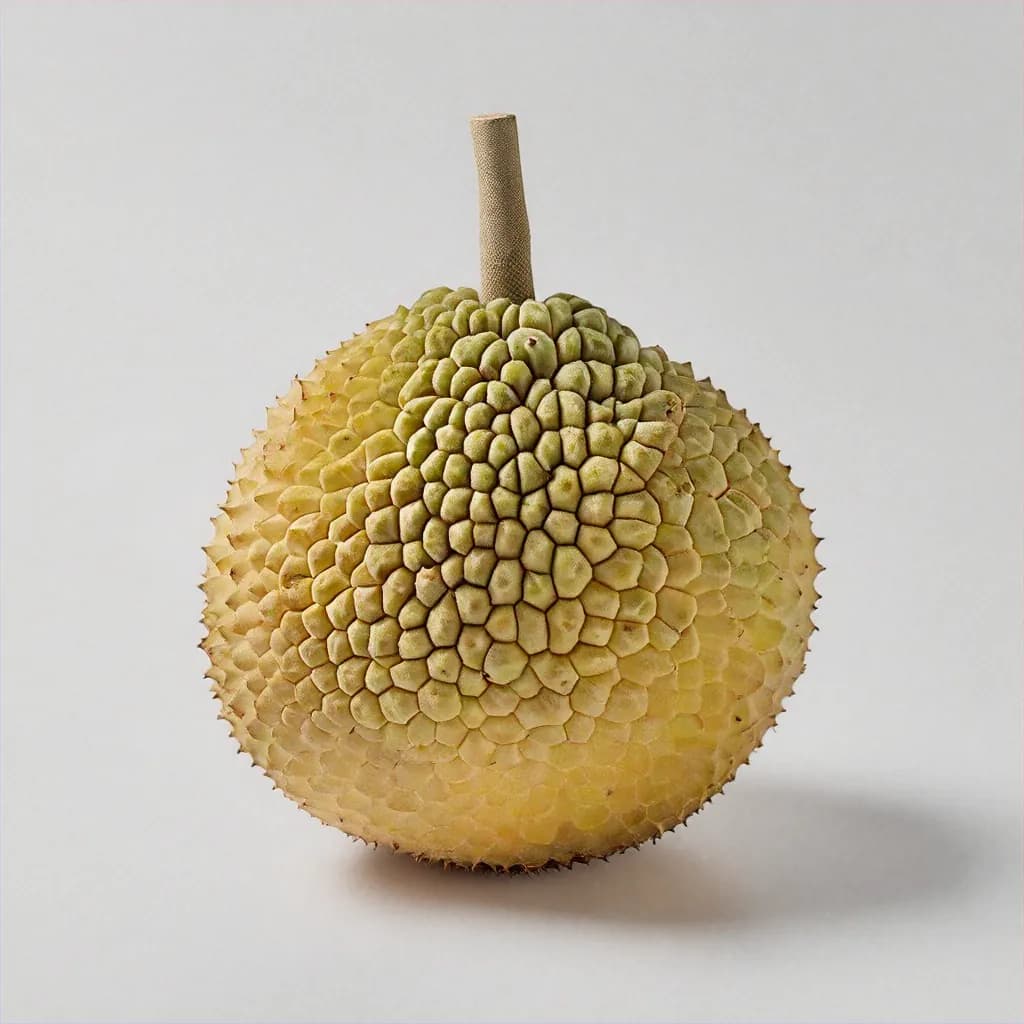
Casaba Melon - Main View
Per 100g
Per 100g
Nutrition breakdown for one serving
Persia and Turkey (ancient Kasaba region)
Casaba melons derive their name from Kasaba (now Turgutlu), Turkey, where this distinctive variety originated centuries ago. Part of the inodorus group of Cucumis melo (which includes honeydew and canary melons), casaba melons were cultivated in the Middle East and Mediterranean region for thousands of years. Turkish farmers developed the variety for its exceptional keeping qualities - critical before refrigeration when melons needed to last through winter months. The thick, protective rind and low respiration rate allowed storage for weeks or months in cool cellars. Casaba melons arrived in the United States in the late 1800s through Turkish and Armenian immigrants who brought seeds to California. The variety thrived in California's Central Valley and desert regions, where hot, dry summers provided ideal growing conditions. By the early 1900s, California growers recognized casaba's commercial potential as a late-season and winter melon, filling market gaps when summer melons disappeared. The Golden Beauty variety became the standard commercial casaba, prized for bright yellow color and good shipping quality. Unlike highly aromatic cantaloupe or honeydew, casaba's lack of fragrance initially puzzled American consumers unfamiliar with the variety. Marketing emphasized the unique mild flavor, refreshing quality, and extended availability. Today, casaba remains a specialty melon appreciated by those seeking subtle flavor alternatives and exceptional storage capability.
Late summer through winter (August to February)
Each variety offers unique flavors, textures, and culinary applications
Keep your fruit fresh and delicious for longer
Select casaba melons with bright golden yellow color - deeper yellow indicates better ripeness (green areas mean underripe)
Choose melons that feel heavy for their size, indicating good water content and juice
Rind should have deep wrinkles and ridges - characteristic casaba texture
Gently press the blossom end (pointed end) - should yield slightly to pressure when ripe
Unlike other melons, casaba has little to no aroma even when ripe - don't rely on smell
Avoid melons with soft spots, dark bruises, cracks, or mold on the rind
Look for dry, slightly sunken stem end - indicates proper maturity
Skin should feel slightly waxy when ripe
Avoid melons that are too soft overall or have wet, sticky areas
Medium to large size (4-8 pounds) typically offers best flavor and value
Unripe casaba melons can be stored at room temperature (65-70°F) for 1-2 weeks until ripe
Once ripe (golden yellow, blossom end yields to pressure), refrigerate to extend shelf life
Whole ripe casaba melons can be refrigerated 4-6 weeks - exceptional among melons
Store whole melons in refrigerator crisper drawer for best longevity
After cutting, wrap tightly in plastic wrap or store in airtight container
Refrigerate cut melon immediately and consume within 5-7 days
Remove seeds before storing cut portions to prevent excess moisture
Keep cut melon away from strong-smelling foods - absorbs odors
For best flavor, remove from refrigerator 30 minutes before serving
Preserve freshness for months
Cut casaba melon into cubes or balls before freezing
Spread melon pieces in single layer on parchment-lined baking sheet
Flash freeze 2-3 hours until solid
Transfer frozen melon to freezer-safe bags or containers, removing excess air
Frozen casaba melon maintains quality for 10-12 months
Best used in smoothies, frozen desserts, or blended drinks (texture becomes soft when thawed)
For better texture preservation, toss melon cubes in light simple syrup before freezing
Thawed casaba works well in purees, agua fresca, and cold soups but not fresh eating
Frozen casaba makes excellent smoothie base with mild flavor that complements other ingredients
Label frozen items with the date to track freshness. Most fruits maintain quality for 2-3 months when properly frozen. For best results, use airtight containers or freezer bags to prevent freezer burn.
Discover delicious possibilities
Casaba melon allergies are uncommon but possible, particularly in individuals with existing melon allergies or pollen sensitivities. Allergic reactions may manifest as oral allergy syndrome (OAS) - itching, tingling, or swelling of mouth, lips, tongue, and throat - especially in people with ragweed, grass, or mugwort pollen allergies due to cross-reactive proteins. True casaba allergy can cause more severe symptoms including hives, skin rashes, digestive upset (nausea, vomiting, diarrhea), respiratory symptoms (wheezing, nasal congestion), or rarely, anaphylaxis. Cross-reactivity may occur with other Cucurbitaceae family members (cantaloupe, honeydew, watermelon, cucumber, zucchini, squash, pumpkin) and potentially with banana, avocado, and kiwi. Some individuals with latex-fruit syndrome may react to casaba due to protein similarities between latex and certain fruits. Most casaba allergies are mild and localized. Individuals with known melon allergies should avoid casaba and introduce cautiously if uncertain. Cooking may reduce allergenic proteins though melons are rarely consumed cooked.
Conventionally grown casaba melons may contain pesticide residues, though the thick, protective rind provides substantial barrier to the edible flesh. The deeply wrinkled surface can harbor dirt and bacteria in crevices, making thorough washing essential even though pesticide levels on casaba are generally lower than on thin-skinned fruits. The Environmental Working Group does not specifically list casaba melons in testing, but melons generally show low to moderate pesticide residues. Proper washing protocol: Scrub entire casaba surface under running water with clean vegetable brush for 30-60 seconds, paying special attention to deep wrinkles and ridges where dirt accumulates. Rinse thoroughly and dry completely before cutting. This removes surface pesticides, bacteria, and dirt. Consider organic casaba melons for frequent consumers, pregnant women, and children to minimize pesticide exposure and support sustainable farming practices. The thick rind means casaba is relatively low-risk for pesticide contamination compared to berries or leafy greens.
Surprising trivia you'll love!
Casaba melons can be stored refrigerated for 4-6 weeks - among the longest shelf life of any fresh fruit, making them economical choices
The name 'casaba' comes from Kasaba (now Turgutlu), Turkey, the ancient region where this variety was first cultivated
Unlike aromatic melons, casaba has virtually no fragrance even when perfectly ripe - you can't judge ripeness by smell
Casaba melons were called 'Christmas melons' in early American markets because exceptional storage allowed availability through December
The deeply wrinkled, ridged rind isn't just decorative - the thick protective skin enables the exceptional shelf life
Casaba belongs to the inodorus group meaning 'not fragrant' - distinguished from aromatic cantaloupe varieties
A single casaba melon typically weighs 4-8 pounds and can provide 8-12 servings, offering excellent value
Turkish and Armenian immigrants introduced casaba to California in the late 1800s, where it thrived in hot, dry climates
Casaba's firm, crisp texture is more similar to cucumber than typical soft, juicy melons like cantaloupe or watermelon
The mild flavor makes casaba the 'gateway melon' for people who typically dislike strong melon tastes
Casaba melon has distinctive mild, subtly sweet flavor quite different from aromatic melons like cantaloupe or honeydew. Primary taste: Delicate sweetness with refreshing, cucumber-like quality and clean finish. Flavor profile: Very mild melon flavor without intensity or muskiness. Some describe it as blend of cucumber, honeydew, and Asian pear with subtle sweetness. The taste is clean and refreshing rather than complex or aromatic. Texture: Crisp, firm, and very juicy - firmer than honeydew or cantaloupe with satisfying crunch similar to cucumber. The flesh is smooth and creamy white. Sweetness level: Moderately sweet when fully ripe but never intensely sugary - approximately 9-11% Brix (sugar content). Much milder than cantaloupe or watermelon. Comparison: If cucumber and honeydew had a baby, it would taste like casaba melon. The subtlety appeals to those who find other melons too sweet or strongly flavored. Because casaba has virtually no aroma even when ripe, you can't judge flavor by smell - must taste to appreciate. The mild flavor makes casaba excellent for savory applications and blending with other fruits.
Determining casaba ripeness differs from other melons because casaba has no fragrance even when perfectly ripe. Color: The most reliable indicator - ripe casaba displays bright, vibrant golden yellow color across entire surface. Green or pale yellow areas indicate underripe melon. Deeper, richer yellow means better ripeness. Feel: Gently press the blossom end (pointed end opposite stem) - should yield slightly to gentle pressure when ripe but not be mushy. The melon should feel heavy for its size. Touch: Ripe casaba skin feels slightly waxy and sticky to touch. The characteristic deep wrinkles and ridges become more pronounced. Smell: Unlike cantaloupe or honeydew, casaba has little to no aroma even when perfectly ripe - don't rely on fragrance as ripeness indicator. Stem: The stem end should be dry and slightly sunken. Sound: Tap the melon - ripe casaba produces deeper, hollow sound versus higher pitch from underripe melons. Casaba continues to ripen after harvest. If purchased underripe (greenish), leave at room temperature 1-2 weeks until bright golden yellow and blossom end softens slightly. Once ripe, refrigerate - casaba stores exceptionally well (4-6 weeks refrigerated).
While casaba and honeydew both belong to the inodorus melon group, they have distinct differences. Appearance: Casaba has bright yellow, deeply wrinkled, ridged rind giving football-like shape with pointed end. Honeydew has smooth, creamy white to pale green rind with round shape. Flesh: Casaba has creamy white to very pale green firm flesh. Honeydew has distinctive light green, softer flesh. Flavor: Casaba offers mild, subtly sweet, cucumber-like taste with clean finish. Honeydew is sweeter, more intensely flavored with characteristic honeydew taste. Aroma: Casaba has virtually no fragrance even when ripe. Honeydew develops subtle sweet aroma when ripe. Texture: Casaba is firmer and crisper with satisfying crunch. Honeydew is softer and more succulent with melting texture. Season: Casaba is late-season/winter melon (August-February). Honeydew is summer melon (May-September) though available year-round. Storage: Casaba has exceptional shelf life (4-6 weeks refrigerated). Honeydew lasts 1-2 weeks refrigerated. Nutritionally similar with both providing vitamin C, potassium, and hydration. Casaba appeals to those preferring mild, subtle flavors while honeydew suits those wanting sweeter, more traditional melon taste.
No, casaba melon rind (outer skin) is not typically eaten due to thick, tough, deeply wrinkled texture that's unpalatable and difficult to digest. The rind is not toxic but completely unenjoyable to eat with no culinary value. The wrinkled, ridged surface is even tougher and more fibrous than smooth-skinned melons. Best practice: Cut the melon in half lengthwise, scoop out seeds and surrounding fibrous material, then cut into quarters or slices. Use sharp knife to separate creamy white flesh from yellow rind by cutting along the curve between flesh and skin. All the white to pale green flesh is edible. The firm flesh near the rind is still good - don't discard too much. Important food safety: Always wash casaba melon exterior thoroughly before cutting even though you won't eat the rind. Bacteria on the surface can transfer to edible flesh via knife during cutting. Scrub under running water with vegetable brush, paying attention to deep wrinkles and crevices. Dry completely before cutting. Use clean knife and cutting board to prevent contamination.
Flavorless casaba melon typically results from premature harvesting or improper storage. Primary causes: Picked too early - Casaba doesn't develop sweetness after harvest. Melons picked underripe (still green or pale yellow) will never achieve proper flavor. Look for bright golden yellow color indicating vine ripeness. Insufficient growing conditions - Inadequate sunlight, water stress, cool temperatures, or poor soil during growth reduce sugar development. Casaba needs hot, dry conditions for optimal sweetness. Cold damage - Casaba exposed to temperatures below 45°F suffers chilling injury that destroys flavor compounds, creating bland, watery taste. Never store below 50°F until fully ripe. Variety variation - Some casaba varieties naturally have milder flavor than others. Golden Beauty typically offers best sweetness. Wrong expectations - Casaba is inherently mild compared to cantaloupe or watermelon. If expecting intense sweetness, casaba will disappoint. The subtle, cucumber-like flavor is characteristic, not a defect. Solutions: Buy from local sources during peak season (September-November), choose melons with deep golden yellow color (no green), avoid refrigerating until ripe, give unripe melons 1-2 weeks at room temperature, and appreciate casaba's mild, refreshing quality rather than expecting cantaloupe-level sweetness. The subtle flavor is casaba's unique appeal.
Casaba melon has exceptional shelf life - among the longest of all melons, making it economical and practical. Whole unripe melon: 1-2 weeks at room temperature (65-70°F) until ripe and bright golden yellow. Whole ripe melon at room temperature: 3-5 days before quality declines. Whole ripe melon refrigerated: 4-6 WEEKS - exceptionally long compared to cantaloupe (5-7 days), honeydew (1-2 weeks), or watermelon (1-2 weeks). This extended storage made casaba valuable before refrigeration. Cut melon refrigerated: 5-7 days when tightly wrapped or in airtight container - longer than most melons. Frozen melon: 10-12 months in freezer-safe containers. Signs of spoilage: Soft, mushy texture throughout; sour or fermented smell (casaba normally has little smell); visible mold; excessive liquid or sliminess; significantly darkened flesh; or unpleasant taste. The remarkable shelf life results from thick protective rind, low respiration rate, and firm flesh texture. Storage tips for maximum longevity: Store whole ripe melon in refrigerator crisper drawer, keep at 50-55°F (avoid temperatures below 45°F which cause chilling injury), store cut melon in airtight container with seeds removed, and check periodically for spoilage signs. One casaba melon can provide fresh fruit for over a month when properly stored.
Yes, casaba melon is excellent for weight loss and weight management for several compelling reasons. Very low calorie density: Only 48 calories per cup - among the lowest of all melons, allowing generous portions without excessive calories. One cup provides satisfying volume for minimal caloric impact. Highest water content: 92% water - highest among winter melons. Water-rich foods promote satiety and fullness while contributing virtually no calories. Fiber content: 1.5g per cup aids digestion and helps you feel full longer, reducing overall calorie intake and preventing overeating. Low fat: Only 0.2g per cup. Natural mild sweetness: Satisfies sweet cravings healthily without added sugars or empty calories. The subtle flavor prevents overconsumption unlike intensely sweet melons. Low glycemic load (4): Prevents blood sugar spikes and crashes that trigger hunger and cravings. Nutrient-dense despite low calories: Provides vitamin C (51% DV), potassium (7% DV), and B vitamins supporting overall health during calorie restriction. Refreshing quality: Makes it easy to choose casaba over high-calorie desserts and snacks. Best practices for weight loss: Eat fresh without added sugar or cream, use in smoothies as low-calorie base instead of juice or milk, pair with protein (Greek yogurt, cottage cheese) for balanced snacks, measure portions to track intake, and use frozen casaba cubes for refreshing low-calorie treats.
Yes, casaba melon is safe for dogs in moderation and can provide health benefits. The flesh is non-toxic and offers excellent hydration, vitamin C, and natural low-calorie treat option most dogs enjoy. Benefits: Exceptionally high water content (92%) provides excellent hydration, especially beneficial during hot weather or after exercise; vitamin C provides antioxidants (though dogs produce their own); potassium supports heart and muscle function; very low calories (48 per cup) make healthy alternative to commercial treats; mild flavor appeals to dogs sensitive to strong tastes. Feeding guidelines: Remove ALL rind and seeds before giving to dogs - thick, tough rind is difficult to digest and could cause intestinal blockage; seeds may pose choking hazard. Portion sizes: Small dogs (under 20 lbs) - 2-3 small cubes; medium dogs (20-50 lbs) - 4-6 cubes; large dogs (over 50 lbs) - 8-10 cubes as occasional treats not exceeding 10% of daily calories. Introduce gradually to check tolerance. Considerations: Very high water content may cause increased urination or loose stools if overfed; natural sugars mean portions should be controlled for diabetic or overweight dogs; some dogs may not enjoy mild flavor compared to sweeter fruits. Frozen casaba cubes make refreshing summer treats. Never feed moldy melon - mold toxins harmful to dogs. Always wash melon before cutting to prevent bacterial transfer.
Sustainability insights
Casaba melon cultivation has moderate environmental impact with notable sustainable aspects and some challenges. Benefits include annual crop allowing rotation that improves soil health and reduces pest pressure, pollination by honeybees supporting pollinator biodiversity, and thick protective rind reducing some pesticide needs compared to thin-skinned fruits. The exceptional shelf life (4-6 weeks refrigerated) significantly reduces food waste - a major sustainability advantage. Melons that last longer mean less spoilage in supply chain and homes. Challenges include water-intensive cultivation especially in arid California and Arizona growing regions, conventional farming often using synthetic fertilizers and pesticides impacting soil and water quality, and susceptibility to some diseases requiring chemical interventions. Positive aspects: Late-season production (August-February) fills market gaps reducing need for long-distance imports; domestic California production reduces transportation emissions; vine cover protects soil from erosion; spent vines return organic matter to soil. Supporting organic casaba production promotes soil health, reduces chemical inputs, and encourages sustainable water management.
Casaba melon carbon footprint varies by source and season. Domestic melons from California during peak season (September-November) have relatively low carbon footprint with minimal transportation distances. Late-season/winter availability (through February) provides fresh domestic option when other melons require imports, reducing overall carbon impact. However, off-season casaba (spring/summer) may come from Chile or other distant sources, significantly increasing carbon emissions from long-distance shipping. The large size and weight increase per-unit transportation emissions. Refrigerated storage and transport add to carbon footprint, though casaba's exceptional shelf life reduces waste-related emissions. Per-serving environmental impact is moderate - casaba provides good nutrition (vitamin C, hydration) relative to growing resources. To minimize carbon footprint: Buy domestic casaba during peak season (September-November), choose locally grown melons when available, avoid spring/summer imports from distant countries, buy whole melons rather than pre-cut (reduces processing energy), and utilize entire melon to minimize food waste. One large casaba (6-8 lbs) provides 10-12 servings, improving efficiency.
Casaba melons require significant water during cultivation, particularly in primary growing regions like California's Central Valley and Arizona desert areas with minimal natural rainfall. Water footprint is approximately 180-220 liters per kilogram - moderate among melons. Melons need consistent moisture throughout 85-100 day growing season, with peak requirements during fruit development. Modern drip irrigation systems significantly reduce water waste compared to flood irrigation by delivering water directly to root zones. Mulching conserves soil moisture and reduces evaporation. The exceptionally high water content in fruit (92%) means substantial water is stored in harvested product. Compared to extremely water-intensive crops like almonds (4,000+ liters/kg) or avocados (1,000+ liters/kg), casaba is relatively water-efficient per kilogram. However, large size means substantial total water per melon. Sustainable practices include soil moisture monitoring, efficient drip systems, drought-resistant variety development, and rainwater harvesting. The extended shelf life improves water efficiency by reducing waste - water invested in growing isn't wasted on spoiled fruit.
Buying local casaba melons during peak season (September-November) maximizes sustainability, flavor, and freshness while minimizing environmental impact. California-grown casaba from Central Valley and desert regions offers superior quality with minimal transportation emissions. Look for domestic melons at farmers markets, produce stands, and supermarkets during fall and winter months. Supporting local growers preserves agricultural diversity and regional economies. Casaba's unique advantage: As late-season/winter melon, it provides fresh domestic option through February when other melons would require long-distance imports. This seasonal timing reduces overall carbon footprint of year-round melon consumption. However, spring and summer casaba (off-season) may come from Chile or other distant sources, traveling thousands of miles and significantly increasing carbon emissions. Trade-offs: Limited imported casaba supports economies in producing countries but has higher environmental costs. Best practices: Prioritize local seasonal casaba (September-February), ask retailers about melon origin and choose domestic over imported, buy whole melons rather than pre-cut (less packaging and processing), utilize entire melon to minimize waste, and appreciate casaba's seasonal nature as winter melon alternative.
We aim to keep this Casaba Melon profile accurate and easy to understand. Nutrition values and % Daily Value figures are based on established reference databases and standard daily value guidance.
Last updated: September 19, 2026
Medical disclaimer
This page is for general educational purposes and does not replace professional medical advice.
Found an issue? Contact us.