Loading Fruit Details...
Please wait while we fetch nutritional information and health benefits
Please wait while we fetch nutritional information and health benefits
Recommended Products
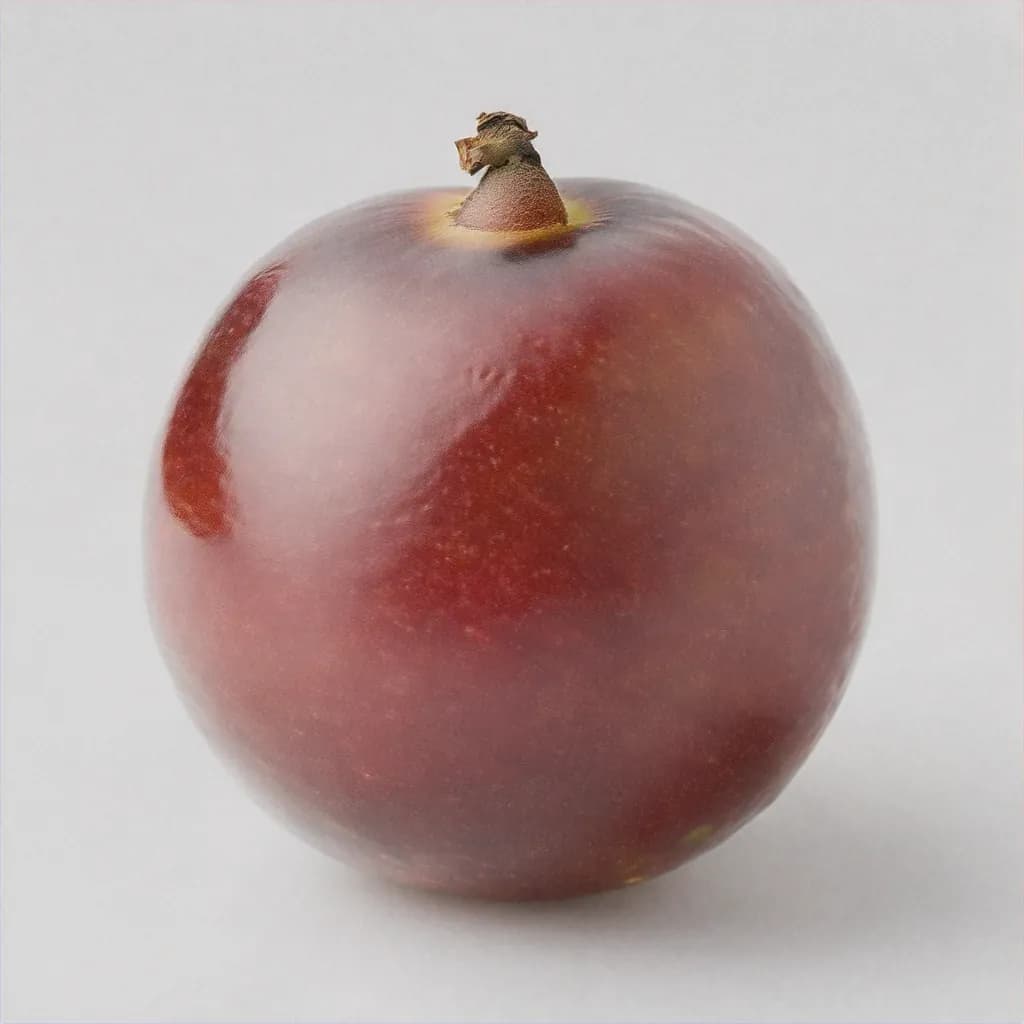
Myrciaria dubia
Camu Camu is an ultra-potent Amazonian superfruit celebrated as one of the richest natural sources of vitamin C on Earth. Native to the Amazon rainforest, this small cherry-like fruit delivers extraordinary antioxidant power, immune defense, and anti-inflammatory benefits. With very low calories, minimal sugar, and exceptionally high phytonutrient density, camu camu is widely used in powders, juices, supplements, and functional foods. Its intensely tart flavor reflects its unmatched vitamin C concentration, making camu camu a cornerstone of modern immunity-focused and wellness nutrition.
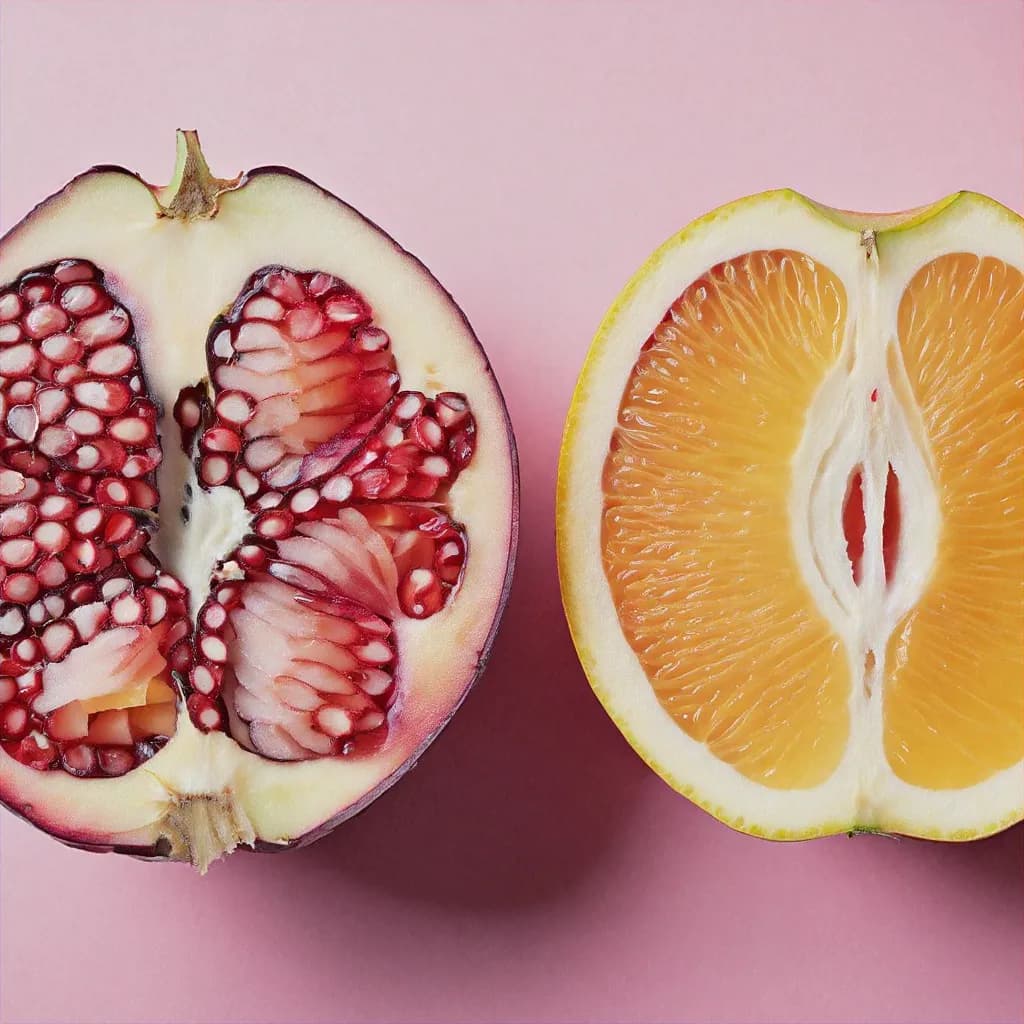
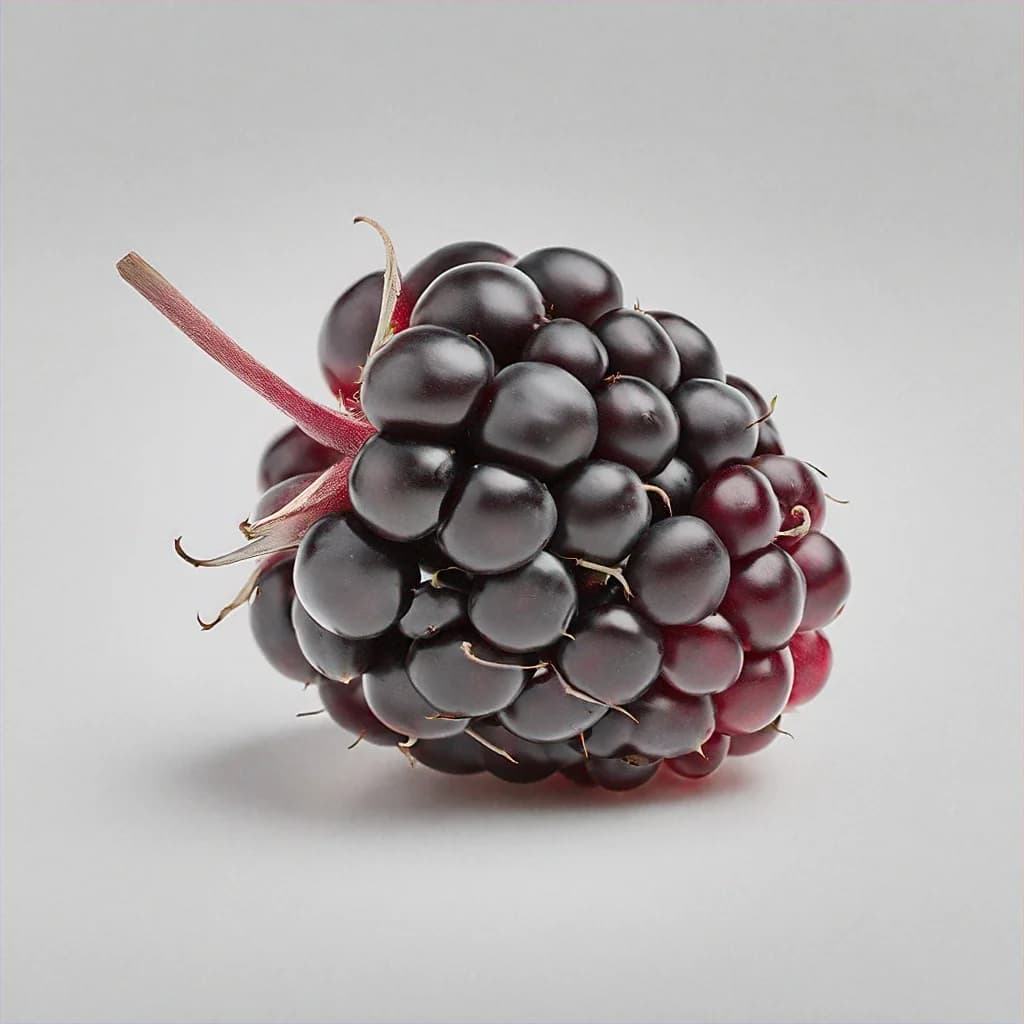
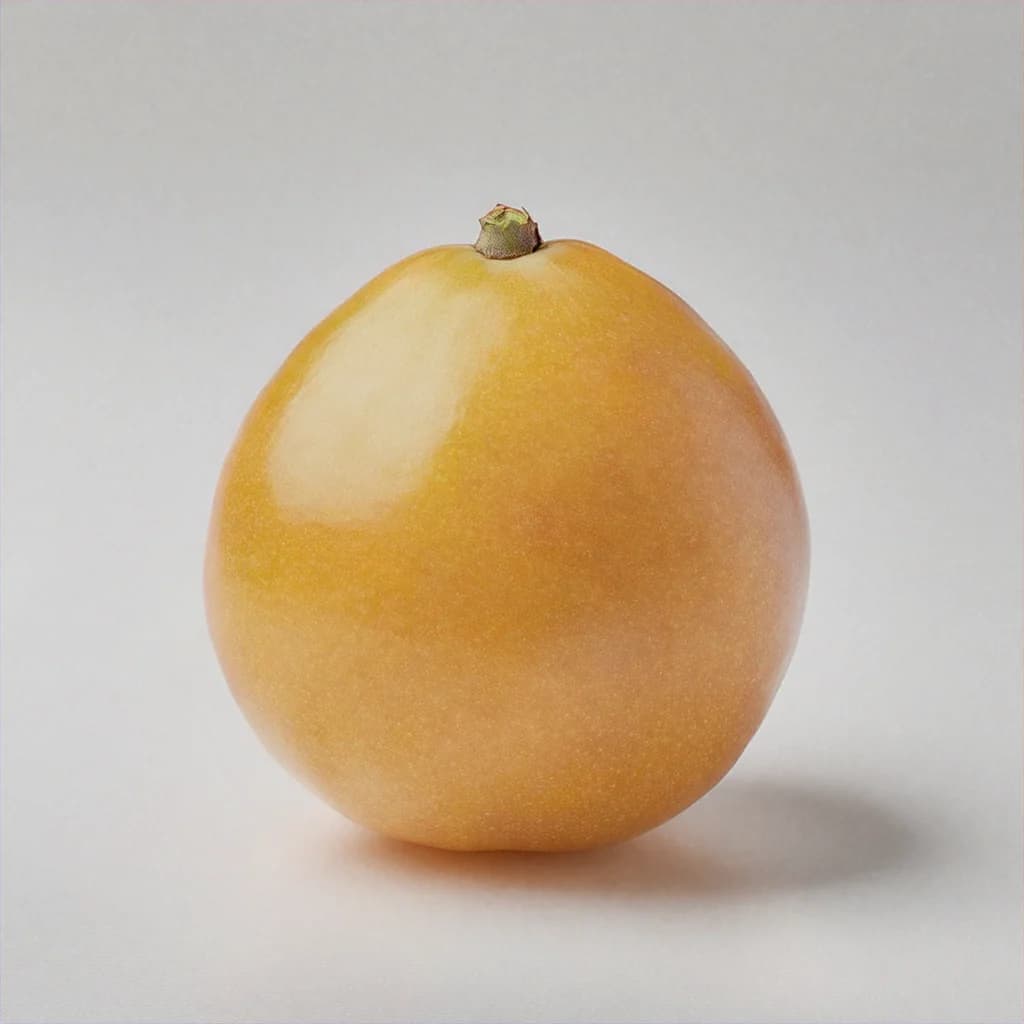
Explore Camu Camu in stunning detail
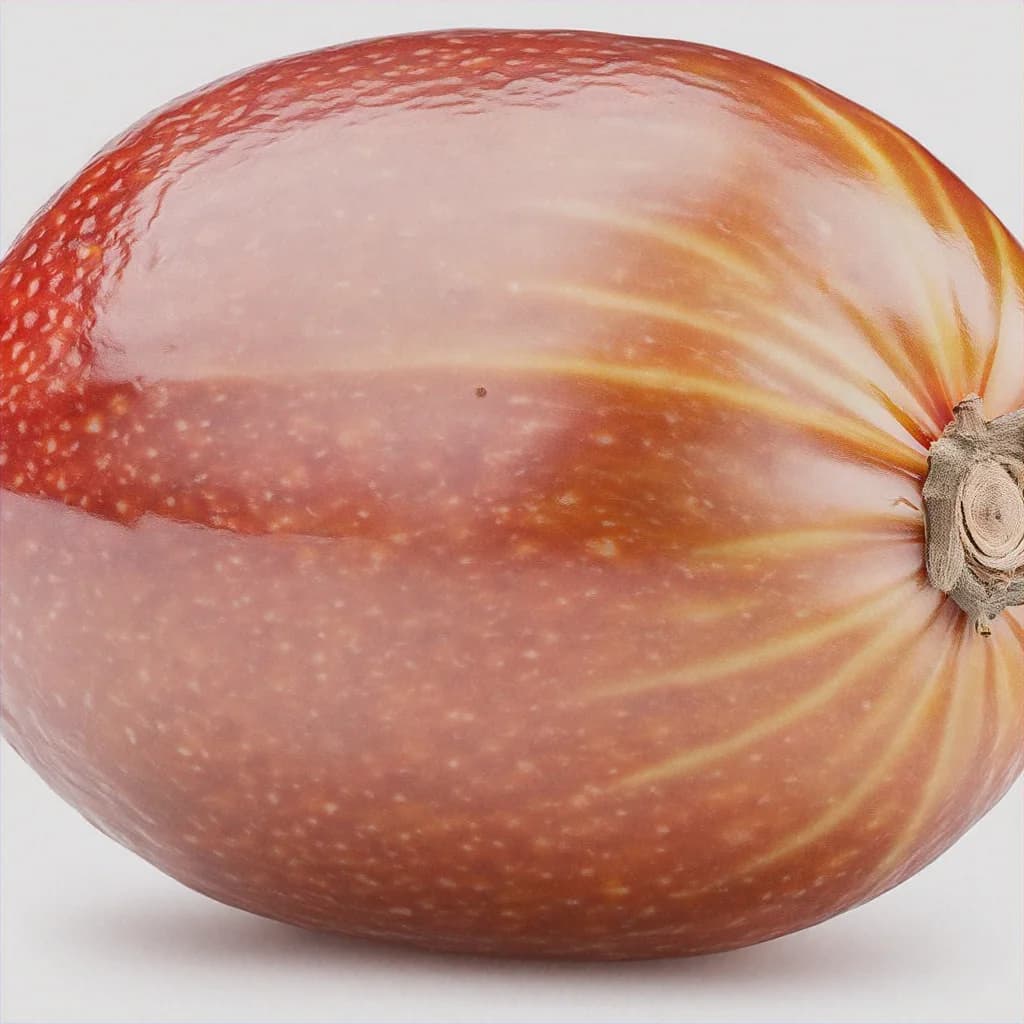
Camu Camu - Main View
Per 100g
Per 100g
Nutrition breakdown for one serving
Amazon Rainforest (South America)
Camu Camu (Myrciaria dubia) has been traditionally consumed by indigenous Amazonian communities for centuries for its medicinal and revitalizing properties. The fruit grows along riverbanks and floodplains of the Amazon. Scientific analysis in the late 20th century revealed camu camu to be one of the most concentrated natural sources of vitamin C, propelling it to global recognition as a functional superfruit.
December–April
Each variety offers unique flavors, textures, and culinary applications
Keep your fruit fresh and delicious for longer
Choose pure camu camu powder without additives
Select bright-colored frozen pulp if available
Avoid products with added sugars or fillers
Store powder in airtight container away from light
Refrigerate or freeze pulp to preserve vitamin C
Avoid heat exposure to prevent nutrient loss
Preserve freshness for months
Freeze pulp immediately after harvesting
Store in airtight containers
Use frozen pulp for smoothies and beverages
Label frozen items with the date to track freshness. Most fruits maintain quality for 2-3 months when properly frozen. For best results, use airtight containers or freezer bags to prevent freezer burn.
Discover delicious possibilities
Camu camu allergies are extremely rare.
Typically wild-harvested with minimal pesticide exposure.
Surprising trivia you'll love!
Camu camu contains more vitamin C than oranges, lemons, and most fruits combined
The fruit is rarely eaten fresh due to its extreme tartness
Traditionally harvested from flooded Amazon riverbanks
Often used as a natural vitamin C source in supplements
One small serving can exceed daily vitamin C needs many times over
Camu camu is an Amazonian fruit known as one of the richest natural sources of vitamin C in the world.
Yes, camu camu generally contains more vitamin C per 100g than acerola and most other fruits.
It is commonly consumed as powder, frozen pulp, juice, or blended into smoothies and supplements.
Yes, camu camu is extremely nutrient-dense, providing vitamin C, antioxidants, and phytonutrients.
Yes, its exceptionally high vitamin C content strongly supports immune function.
Camu camu has an extremely tart, sour flavor and is rarely eaten raw.
It can be eaten raw but is very sour, so it is usually processed or mixed with other foods.
Yes, vitamin C in camu camu supports collagen production and skin repair.
Yes, camu camu is naturally very low in sugar compared to most fruits.
Yes, camu camu contains flavonoids and polyphenols that help combat oxidative stress.
Yes, camu camu powder and extract are widely used in natural vitamin C supplements.
Camu camu is harvested seasonally in flooded Amazon regions, often during the rainy season.
Fresh camu camu should be frozen, while powder should be stored in a cool, dry place.
Camu camu grows naturally in the Amazon rainforest regions of Peru, Brazil, and Colombia.
Yes, camu camu fruit contains one to several seeds inside the pulp.
Sustainability insights
Camu camu harvesting supports sustainable Amazon livelihoods and river ecosystem preservation.
Low when minimally processed and responsibly sourced.
Naturally adapted to floodplain environments.
Ethical sourcing supports indigenous communities.
We aim to keep this Camu Camu profile accurate and easy to understand. Nutrition values and % Daily Value figures are based on established reference databases and standard daily value guidance.
Last updated: September 20, 2026
Medical disclaimer
This page is for general educational purposes and does not replace professional medical advice.
Found an issue? Contact us.