Loading Fruit Details...
Please wait while we fetch nutritional information and health benefits
Please wait while we fetch nutritional information and health benefits
Recommended Products
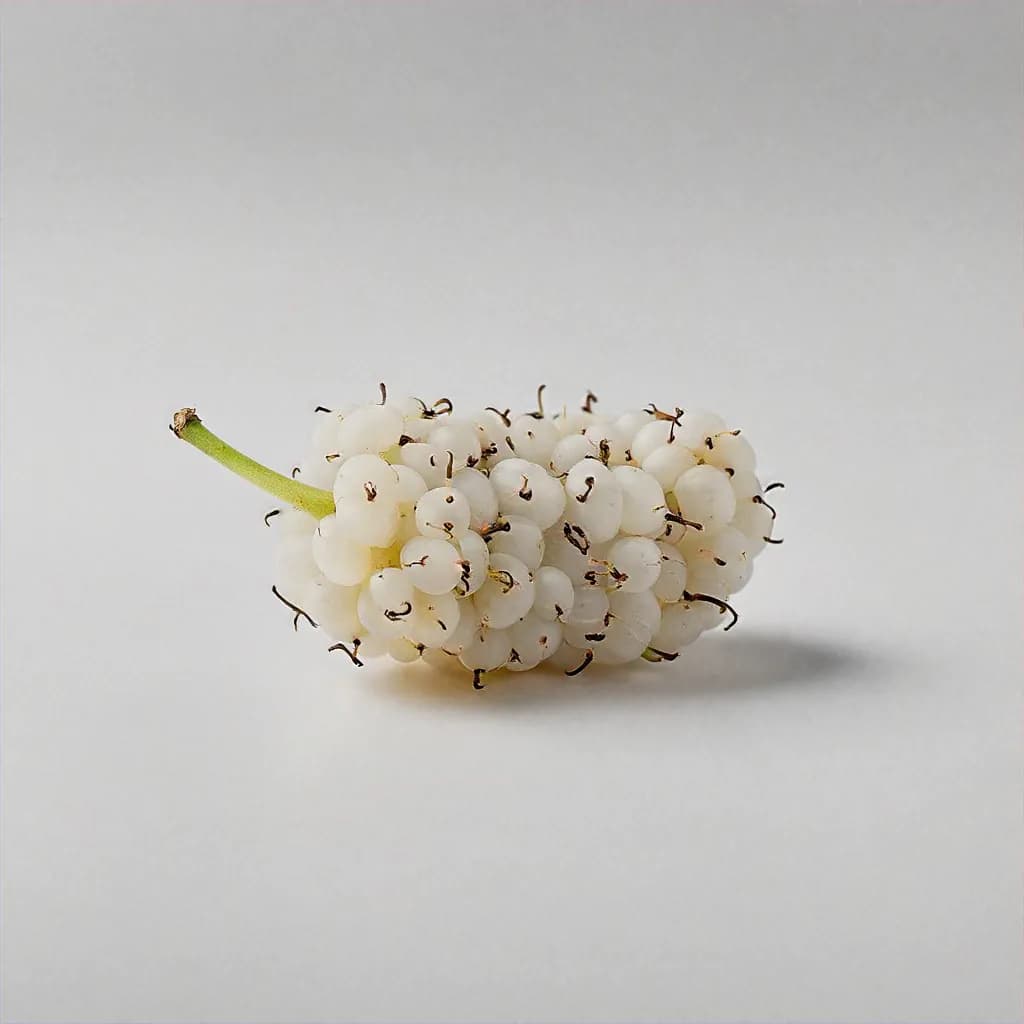
Morus alba
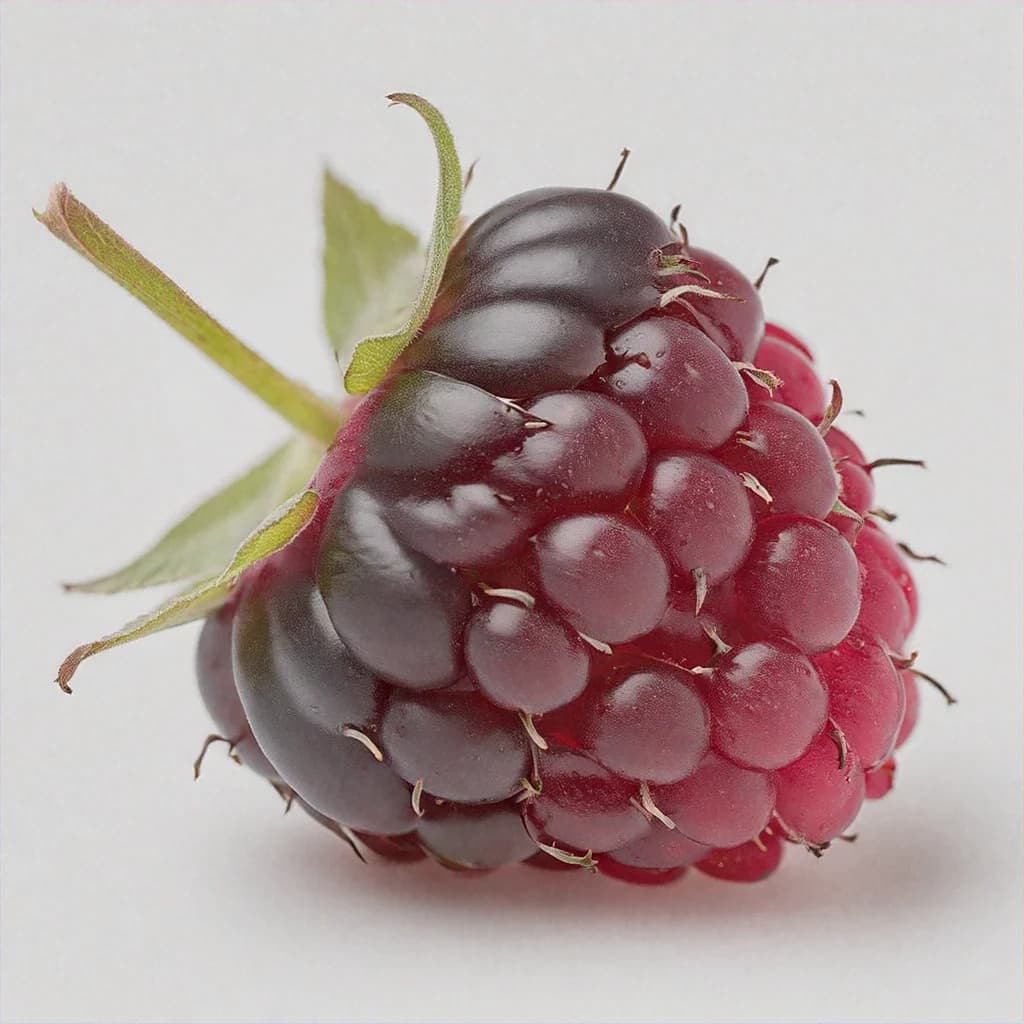
White mulberry is a nutrient-rich superfruit traditionally valued in Asian wellness systems and modern nutrition science for its powerful antioxidants, blood sugar–supporting properties, and impressive micronutrient profile. The fruit is mildly sweet with a honey-like flavor and provides natural energy from carbohydrates, dietary fiber for digestion, iron for blood health, and vitamin C for immune support. At just 43 calories per 100g with a low glycemic load, white mulberry is widely used in metabolic wellness, antioxidant nutrition, and holistic health applications worldwide.
Explore White Mulberry in stunning detail
White Mulberry - Main View
Per 100g
Per 100g
Nutrition breakdown for one serving
Northern China and East Asia
White mulberry (Morus alba) has been cultivated for over 4,000 years, primarily in China, where it played a central role in sericulture as the primary food source for silkworms. The fruit and leaves have long been used in traditional Chinese medicine for supporting blood sugar balance, liver health, and longevity. Over time, white mulberry spread to India, the Middle East, and Europe, becoming valued both as a nutritional fruit and a medicinal plant.
Spring to early summer
Each variety offers unique flavors, textures, and culinary applications
Keep your fruit fresh and delicious for longer
Choose plump berries with uniform pale color
Avoid fruits with mold or excessive moisture
Fresh mulberries should be soft but not mushy
Store fresh mulberries in the refrigerator
Keep unwashed until ready to eat
Consume within 2–3 days for best freshness
Preserve freshness for months
Wash and dry thoroughly before freezing
Freeze in single layers before transferring to containers
Frozen mulberries last up to 6 months
Label frozen items with the date to track freshness. Most fruits maintain quality for 2-3 months when properly frozen. For best results, use airtight containers or freezer bags to prevent freezer burn.
Discover delicious possibilities
Mulberry allergies are rare but possible in sensitive individuals.
Choose organic mulberries when possible and wash thoroughly before consumption.
Surprising trivia you'll love!
White mulberry leaves are the primary food for silkworms
The fruit has been used in traditional medicine for thousands of years
White mulberries are naturally lower in acidity than black mulberries
Often dried and used as a natural sweetener
Considered a longevity-supporting fruit in Asian cultures
Yes, white mulberry contains DNJ compounds that help slow carbohydrate absorption and support healthy blood sugar levels.
Yes, white mulberries can be eaten fresh, dried, or used in smoothies and desserts.
Yes, white mulberry can support weight management due to its low calorie content (43 calories per 100g), dietary fiber that promotes satiety, and low glycemic index which helps prevent blood sugar spikes.
White mulberry contains flavonoids and resveratrol that may help support healthy cholesterol levels and promote cardiovascular wellness when consumed as part of a balanced diet.
Yes, white mulberries are considered suitable for diabetics in moderation due to their low glycemic index (25) and natural DNJ compounds that help slow carbohydrate absorption.
White mulberries can be eaten fresh, dried, blended into smoothies, added to yogurt or oatmeal, or consumed as herbal tea or infusion for wellness benefits.
Yes, dried white mulberries are nutrient-dense and rich in antioxidants and iron. However, they are more calorie-dense than fresh mulberries and should be consumed in moderation.
White mulberry supports skin health through its high vitamin C content and antioxidants, which help promote collagen production and protect skin cells from oxidative damage.
Yes, white mulberries can be safely consumed daily in moderate portions as part of a balanced diet, providing antioxidants, fiber, and essential micronutrients.
White mulberries (Morus alba) are milder and sweeter with lower acidity, while black mulberries (Morus nigra) are tangier and higher in anthocyanins. Both are nutritious but have different flavor profiles and antioxidant compositions.
Sustainability insights
White mulberry trees are hardy and require relatively low inputs once established.
Low when locally sourced.
Moderate water requirements.
Local mulberries have significantly lower environmental impact.
We aim to keep this White Mulberry profile accurate and easy to understand. Nutrition values and % Daily Value figures are based on established reference databases and standard daily value guidance.
Last updated: September 18, 2026
Medical disclaimer
This page is for general educational purposes and does not replace professional medical advice.
Found an issue? Contact us.