Loading Fruit Details...
Please wait while we fetch nutritional information and health benefits
Please wait while we fetch nutritional information and health benefits
Recommended Products
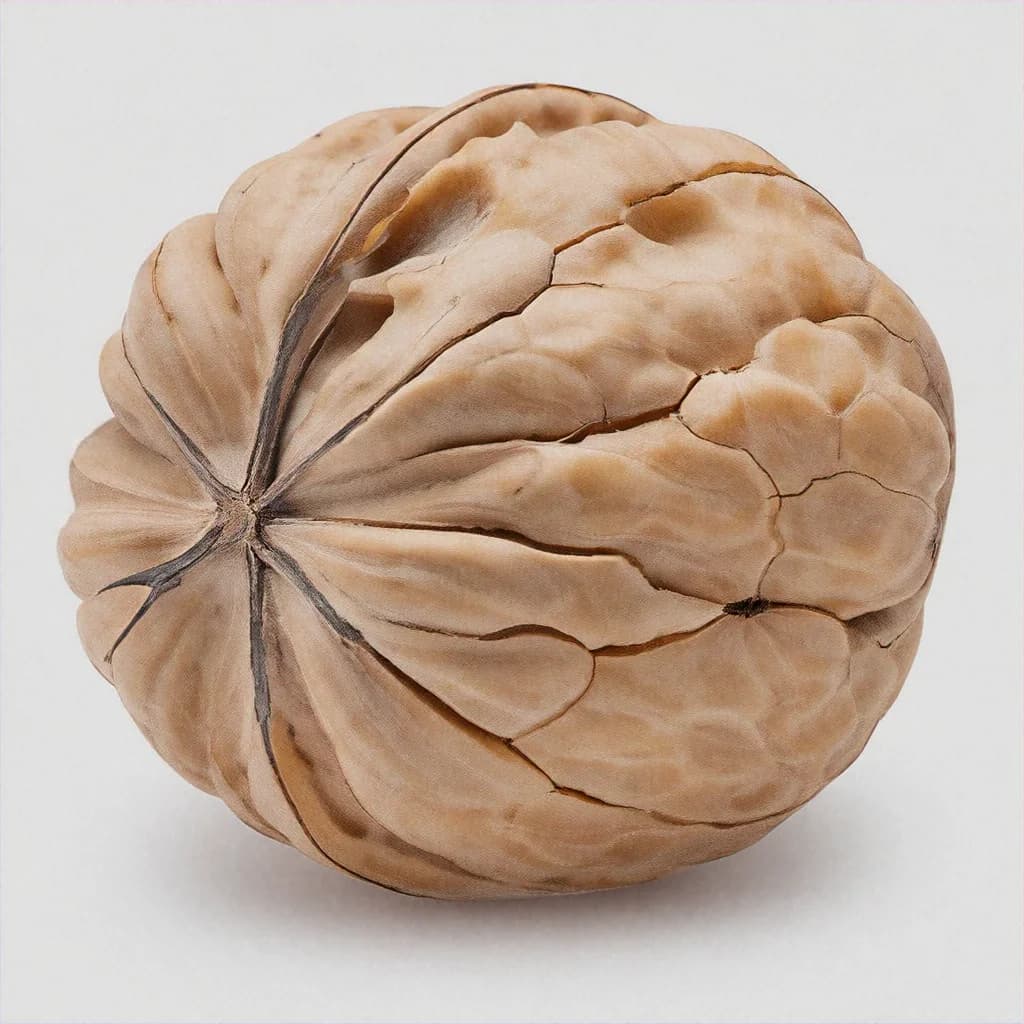
Coula edulis
The African Walnut (Coula edulis) is a tropical evergreen tree native to the humid forests of West Africa. Its fruit, often referred to as 'Gabon nut,' is highly prized for its rich, creamy, and nutty flavor. The fruit consists of a hard, woody shell encasing a single large seed (the nut), which is enveloped in a fibrous, orange-brown husk. The nuts are a staple in local diets and are used in various culinary applications, from snacks to ingredients in stews and desserts. Rich in healthy fats, proteins, and essential minerals, the African Walnut is not only a delicious treat but also a nutritional powerhouse.
Explore African Walnut in stunning detail
African Walnut - Main View
Per 100g
Per 100g
Nutrition breakdown for one serving
West Africa
The African Walnut has been a traditional food source in West Africa for centuries. It is deeply rooted in local cultures and is often used in traditional medicine and rituals.
Year-round, with peak harvesting in the dry season (November to March).
Each variety offers unique flavors, textures, and culinary applications
Keep your fruit fresh and delicious for longer
Look for nuts with intact, undamaged shells.
Avoid nuts with moldy or soft spots on the husk.
Store in a cool, dry place away from direct sunlight.
Refrigerate or freeze for extended shelf life.
Preserve freshness for months
Freeze in an airtight container to preserve freshness.
Thaw at room temperature before use.
Label frozen items with the date to track freshness. Most fruits maintain quality for 2-3 months when properly frozen. For best results, use airtight containers or freezer bags to prevent freezer burn.
Discover delicious possibilities
Individuals with tree nut allergies should avoid consuming African Walnuts.
Minimal, as they are often grown organically in their native regions.
Surprising trivia you'll love!
The African Walnut is often referred to as the 'Gabon nut' due to its prevalence in Gabon.
The nuts are a significant source of income for rural communities in West Africa.
Use a nutcracker or a hammer to gently crack the shell. Be cautious to avoid damaging the nut inside.
Fresh nuts have a firm, intact husk with no signs of mold or softness.
Yes, they can be frozen in an airtight container to extend their shelf life.
They are commonly used in stews, soups, and as a snack in West African cuisine.
While high in calories, their healthy fats and fiber can support satiety and weight management when consumed in moderation.
Individuals with tree nut allergies should avoid African Walnuts, as they may trigger an allergic reaction.
In some West African cultures, the nuts are used in traditional medicine to treat skin conditions and digestive issues.
Sustainability insights
African Walnuts are typically harvested from wild trees, making them a sustainable food source.
Low, as they are often locally sourced in West Africa.
Minimal, as they are rain-fed crops.
Prefer locally sourced nuts to reduce environmental impact.
We aim to keep this African Walnut profile accurate and easy to understand. Nutrition values and % Daily Value figures are based on established reference databases and standard daily value guidance.
Last updated: October 4, 2026
Medical disclaimer
This page is for general educational purposes and does not replace professional medical advice.
Found an issue? Contact us.