Loading Fruit Details...
Please wait while we fetch nutritional information and health benefits
Please wait while we fetch nutritional information and health benefits
Recommended Products
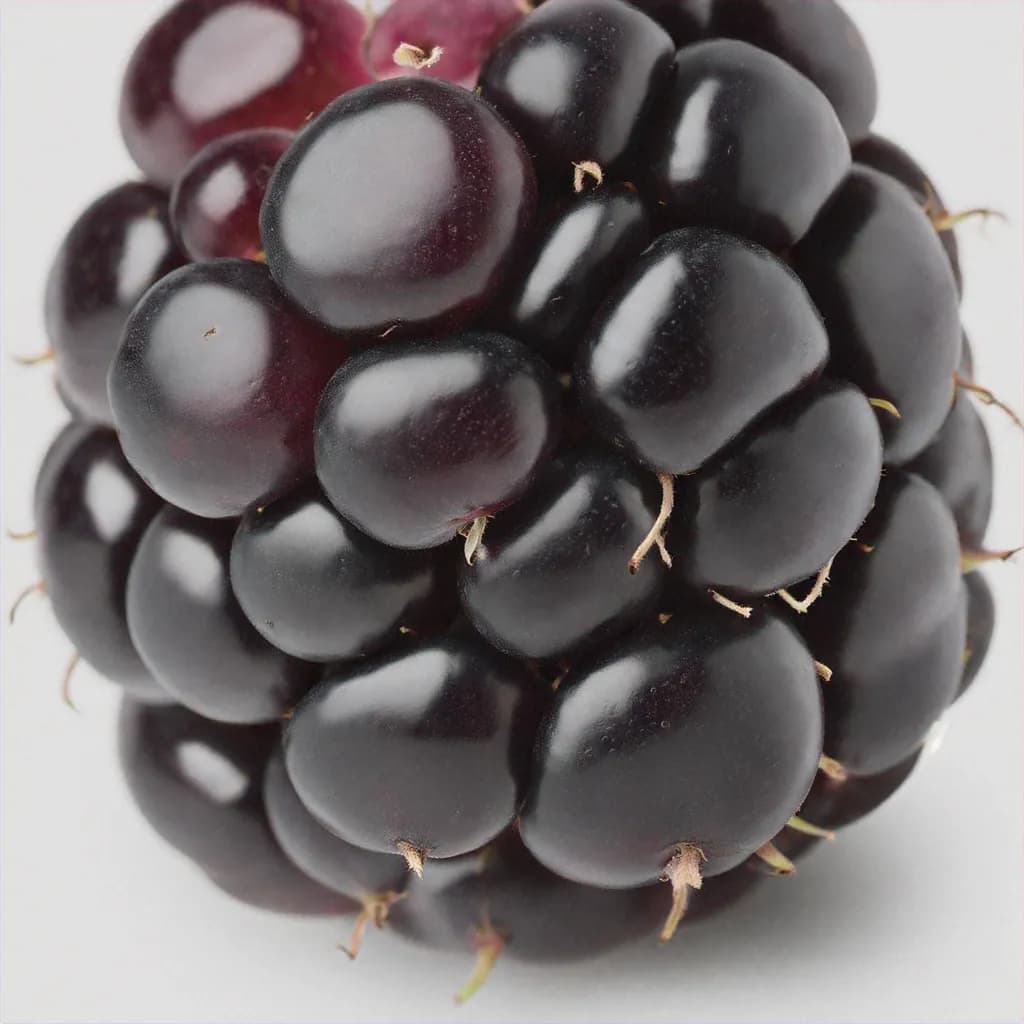
Rubus ursinus × idaeus (hybrid)
Boysenberries are large, juicy berries that are a unique hybrid combining raspberry, blackberry, and loganberry genetics. These dark purple-maroon berries are known for their intensely sweet-tart flavor, soft texture, and exceptional juice content. Larger and softer than blackberries, boysenberries offer a perfect balance of sweetness and acidity with complex berry notes. Rich in vitamin C, vitamin K, manganese, and powerful anthocyanins, boysenberries provide impressive antioxidant protection and anti-inflammatory benefits. Though delicate and highly perishable, these berries excel in jams, pies, syrups, and fresh eating. Developed in California in the 1920s, boysenberries remain a treasured specialty berry offering nostalgic flavor and exceptional nutrition.
Explore Boysenberry in stunning detail
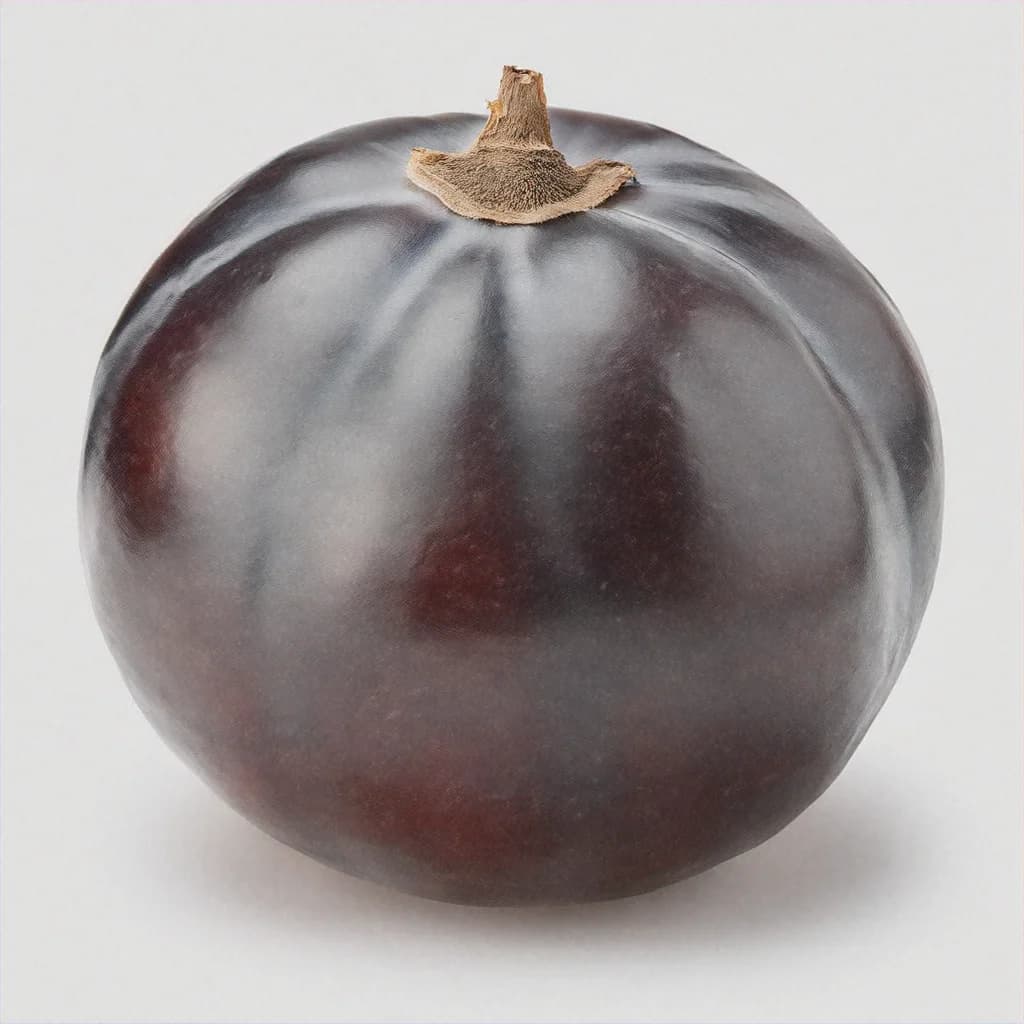
Boysenberry - Main View
Per 100g
Per 100g
Nutrition breakdown for one serving
California, USA (hybrid created in 1920s)
Boysenberries have a fascinating origin story beginning in 1920s California. Rudolph Boysen, a horticulturist, created the berry by crossing European raspberry, common blackberry, and loganberry (itself a raspberry-blackberry hybrid). After initial experiments at his farm in Napa, Boysen abandoned the project when crops failed commercially. In 1932, Walter Knott of Knott's Berry Farm fame heard about Boysen's work from USDA researchers. Knott tracked down Boysen and rescued several dying vines from Boysen's abandoned farm. Knott successfully cultivated the berries and named them 'boysenberries' in honor of their creator. Knott's Berry Farm began selling boysenberry preserves in 1934, which became wildly popular. The unique berry gained fame through Knott's products and the theme park that grew from the farm. Boysenberries spread to Oregon, Washington, and eventually New Zealand, which became a major producer. Despite their exceptional flavor, boysenberries never achieved widespread commercial success due to extreme perishability and difficult harvesting. Today, they remain specialty crops loved by berry enthusiasts and preserved through small-farm production, farmers markets, and frozen products.
Summer season in respective hemispheres
Each variety offers unique flavors, textures, and culinary applications
Keep your fruit fresh and delicious for longer
Select plump, deeply colored boysenberries with uniform dark purple-maroon color
Berries should be firm but yield slightly to gentle pressure - not mushy or leaking
Avoid berries with red or light purple areas - they're underripe and won't ripen after picking
Check for mold, mushiness, or signs of deterioration in containers
Look for dry berries without moisture or juice staining the container
Fresh boysenberries should have glossy appearance and slight shine
Avoid containers with crushed or leaking berries at the bottom
Smell should be fresh and sweet without fermentation odor
Boysenberries are extremely delicate - handle containers gently
Buy from local sources during peak season (June-August) for best quality
Do NOT wash boysenberries until ready to eat - moisture promotes rapid mold growth
Store unwashed berries in original container or shallow dish lined with paper towels
Keep in coldest part of refrigerator (32-35°F / 0-2°C)
Remove any moldy or damaged berries immediately to prevent spread
Store in single layer if possible to prevent crushing
Keep away from ethylene-producing fruits like apples and bananas
Best consumed within 1-2 days of purchase - boysenberries are extremely perishable
Once washed, pat completely dry before refrigerating
Consider freezing immediately if not using within 1-2 days
Preserve freshness for months
Freeze boysenberries unwashed for best results
Spread berries in single layer on parchment-lined baking sheet
Flash freeze for 2-3 hours until solid
Transfer frozen berries to freezer-safe bags or containers, removing excess air
Frozen boysenberries maintain quality for 10-12 months
No need to thaw for smoothies, baking, or cooking
Thaw in refrigerator for fresh consumption applications
Expect softer texture after thawing - best used in cooked preparations
Frozen boysenberries are excellent for pies, jams, smoothies, and sauces
Label frozen items with the date to track freshness. Most fruits maintain quality for 2-3 months when properly frozen. For best results, use airtight containers or freezer bags to prevent freezer burn.
Discover delicious possibilities
Boysenberry allergies are uncommon but possible, particularly in individuals allergic to other berries or birch pollen. Allergic reactions typically manifest as oral allergy syndrome (mouth, lip, or throat itching) in pollen-sensitive individuals. True boysenberry allergy can cause hives, digestive upset, respiratory symptoms, or rarely, anaphylaxis. Cross-reactivity may occur with raspberries, blackberries, strawberries, and other Rubus species (same botanical family). Some people react to salicylates naturally present in boysenberries, experiencing symptoms similar to aspirin sensitivity. The tiny seeds rarely cause issues but could trigger reactions in seed-sensitive individuals. Most boysenberry allergies are mild. Those with known berry allergies should introduce boysenberries cautiously. Cooking may reduce allergenic proteins, allowing some sensitive individuals to tolerate cooked boysenberries but not fresh.
Conventionally grown boysenberries may contain pesticide residues similar to other berries. The delicate nature and clustered growth make pesticides common in conventional cultivation for pest and disease management. However, boysenberries are often grown on small farms using sustainable practices due to their specialty status. The Environmental Working Group doesn't specifically list boysenberries due to limited commercial availability, but related berries (blackberries, raspberries) show moderate pesticide levels. Washing thoroughly under running water for 30-60 seconds removes surface residues. Consider organic boysenberries from local farms, especially for frequent consumers and children. Many u-pick farms use minimal pesticides. Frozen boysenberries from New Zealand often follow sustainable practices. For fresh boysenberries, buy from known sources and ask about growing practices.
Surprising trivia you'll love!
Boysenberries were named after Rudolph Boysen, who created them in the 1920s but abandoned the project before they became famous
Walter Knott rescued dying boysenberry vines from Boysen's abandoned farm and built Knott's Berry Farm empire on boysenberry preserves
Knott's Berry Farm theme park grew from a roadside berry stand selling boysenberry preserves during the Great Depression
Boysenberries are complex hybrids combining three berry species: European raspberry, common blackberry, and loganberry
New Zealand became a major boysenberry producer and exports frozen berries worldwide, keeping the variety alive commercially
Fresh boysenberries last only 1-2 days refrigerated - among the most perishable berries, which limits commercial distribution
A single boysenberry plant can produce 10-20 pounds of fruit per season when mature and well-maintained
The deep purple-maroon color comes from extremely high anthocyanin content - powerful antioxidants
Boysenberries are significantly larger than blackberries and raspberries, often reaching 1 inch in length
Despite being created in California in the 1920s, boysenberries never achieved widespread commercial success due to extreme fragility
While boysenberries and blackberries look similar, they're distinct fruits with key differences. Boysenberries are larger (often 50-100% bigger), softer, and more delicate than blackberries. They have more intense, complex flavor combining sweet-tart notes with raspberry-like undertones, while blackberries taste more straightforward berry-sweet. Boysenberries are darker purple-maroon versus blackberries' glossy black color. Boysenberries are exceptionally juicy with softer texture, making them more perishable - they last only 1-2 days refrigerated versus blackberries' 3-5 days. Genetically, boysenberries are complex hybrids (raspberry × blackberry × loganberry) created in the 1920s, while blackberries are ancient native species. Nutritionally similar, both offer high fiber, vitamin K, manganese, and anthocyanins. Boysenberries have slightly higher antioxidant content. In cooking, boysenberries excel in jams and pies due to superior juice content. Blackberries are more widely available commercially due to better shelf life. Boysenberries remain specialty crops found at farmers markets, u-pick farms, or frozen.
Boysenberries are rare commercially due to extreme perishability and cultivation challenges. The berries deteriorate within hours at room temperature and last only 1-2 days refrigerated even under optimal conditions - far shorter than blackberries (3-5 days) or raspberries (2-3 days). This brief shelf life makes shipping and retail distribution nearly impossible. The soft, delicate berries bruise and crush easily during harvesting and transport, creating significant losses. Thorny canes (in standard varieties) make hand-harvesting difficult and time-consuming. Commercial growers prefer blackberries and raspberries with better shelf life and easier handling. However, boysenberries' exceptional flavor makes them treasured by specialty producers. Where to find them: farmers markets during peak season (June-August), u-pick berry farms, frozen sections of specialty stores, Knott's Berry Farm products (jams, preserves), online frozen fruit suppliers, and home gardens. New Zealand exports frozen boysenberries globally. Growing your own is rewarding - plants thrive in home gardens and produce prolifically. The scarcity makes fresh boysenberries special treats worth seeking out.
Absolutely yes! Fresh boysenberries are delicious eaten raw and offer maximum nutritional benefits. The berries have intense sweet-tart flavor perfect for fresh snacking. Simply rinse gently under cool water just before eating and enjoy whole. The texture is soft and juicy with tiny edible seeds (much smaller than blackberry seeds). Fresh boysenberries provide full vitamin C, anthocyanins, and antioxidants without cooking losses. They're excellent in: fruit salads, yogurt parfaits, breakfast bowls, smoothie bowls, green salads with cheese, and straight snacking. No preparation needed beyond washing. Some people find them slightly tart and prefer light sweetening with honey or sugar. The delicate berries should be eaten soon after purchasing - within 1-2 days for best quality. Due to extreme perishability, most people encounter boysenberries frozen or in preserves rather than fresh. If you find fresh boysenberries at farmers markets or u-pick farms, eating them raw showcases their exceptional flavor. They're sweeter and more complex than blackberries with raspberry undertones.
Yes, boysenberries are exceptionally nutritious and offer impressive health benefits! One cup provides 27% DV fiber - more than most fruits - supporting digestive health, blood sugar control, and satiety. They're rich in manganese (40% DV) for bone health and metabolism, copper (26% DV) for iron absorption and collagen production, and vitamin K (23% DV) for bone and cardiovascular health. Boysenberries score very high on antioxidant scales due to abundant anthocyanins (providing deep purple color). These powerful antioxidants combat oxidative stress, reduce inflammation, and may protect against chronic diseases. The berries contain ellagic acid with potential anti-cancer properties. Low glycemic index (25) and glycemic load (3) make boysenberries excellent for diabetics and blood sugar management. Only 72 calories per cup yet highly satisfying from fiber. The anti-inflammatory compounds support heart health and may reduce arthritis symptoms. Anthocyanins support brain health and cognitive function. Regular berry consumption is linked to reduced heart disease, improved memory, and healthy aging. Boysenberries provide these benefits in delicious, easy-to-eat form.
Boysenberries grow well in home gardens with proper care. Requirements: Full sun (6-8 hours daily), well-drained soil with pH 5.5-6.5, regular water (consistent moisture without waterlogging), and trellis or support structure (canes grow 6-8 feet). Planting: Plant bare-root or container plants in early spring, space 3-5 feet apart in rows 6-8 feet apart, and amend soil with compost. Care: Water regularly, especially during fruiting; mulch heavily to retain moisture and suppress weeds; fertilize in early spring with balanced fertilizer; and prune annually after harvest (remove fruited canes). Canes are biennial - first-year canes grow vegetatively, second-year canes produce fruit then die. Harvest: Berries ripen June-August depending on region. Pick when deeply colored and easily detach from plant. Harvest every 2-3 days during peak. Challenges: Thorns make harvesting challenging (thornless varieties available), prone to same diseases as blackberries/raspberries (anthracnose, cane blight), and birds love the berries (netting helps). Rewards: Prolific production (10-20 pounds per plant), superior flavor to store-bought, and fresh boysenberries rarely available commercially. Zones 5-9 are ideal.
Yes, freezing is the BEST way to preserve boysenberries and extend their extremely short shelf life! Due to extreme perishability (1-2 days fresh), freezing captures peak flavor and nutrition. Method: Don't wash berries before freezing (moisture causes ice crystals), spread unwashed boysenberries in single layer on parchment-lined baking sheet, flash freeze 2-3 hours until solid, transfer to freezer bags removing excess air, label with date, and store up to 12 months. The berries maintain excellent quality frozen - texture and flavor remain superior to most berries. Uses for frozen boysenberries: smoothies (use directly frozen), pies and cobblers (can use frozen or thaw slightly), jams and preserves, sauces and syrups, baking (muffins, cakes, scones), and ice cream bases. Thawing: For fresh eating, thaw in refrigerator - expect softer texture than fresh but excellent flavor. For cooking, often no thawing needed. Commercial frozen boysenberries from New Zealand are available year-round online and in specialty stores. Freezing makes boysenberries accessible beyond brief summer season. Many boysenberry enthusiasts freeze their u-pick or farmers market hauls immediately.
Boysenberries have complex, intensely flavored taste combining elements of their parent berries. Primary flavor is sweet-tart balance with perfect ratio - sweeter than blackberries but more tart than raspberries. They offer rich, wine-like berry notes with subtle floral undertones and hints of raspberry tartness. The flavor is deeper and more complex than single-variety berries, often described as 'the ultimate berry flavor.' Texture is extremely soft and juicy - boysenberries contain more juice than blackberries or raspberries, making them burst in your mouth. Tiny edible seeds add slight crunch but are less prominent than blackberry seeds. Sweetness level varies by ripeness - fully ripe berries (deep purple-maroon) are sweetest with balanced tartness. The intense flavor concentrates beautifully when cooked, making exceptional jams, pies, and syrups. Many people describe boysenberries as tasting like 'improved blackberries' or 'blackberries with raspberry complexity.' The unique flavor made Knott's Berry Farm boysenberry products famous. If you enjoy berries with bold, complex flavor rather than simple sweetness, boysenberries are exceptional. First-time tasters often become devoted fans.
Yes, boysenberries are safe for dogs in moderation and can provide health benefits. The berries are non-toxic and contain vitamin C, fiber, and antioxidants beneficial to canine health. Benefits include antioxidant support, fiber for digestion (though dogs need less than humans), and low-calorie treat option. Feeding guidelines: offer 2-4 berries for small dogs, 4-6 berries for medium dogs, 8-10 berries for large dogs as occasional treats (not exceeding 10% of daily calories). Wash thoroughly before feeding and introduce gradually to check tolerance. Considerations: the high fiber content can cause diarrhea if overfed, tiny seeds are safe but monitor for digestive issues, and remove any moldy berries (mold toxins harmful to dogs). Most dogs enjoy the sweet-tart taste. Frozen boysenberries make refreshing summer treats. Avoid boysenberry products with added sugar, xylitol (toxic to dogs), or chocolate. Never feed boysenberry jam, pie filling, or desserts containing harmful ingredients. While safe, boysenberries aren't necessary in canine diets - dogs produce their own vitamin C. Use as occasional healthy treats. If your dog shows adverse reactions (vomiting, diarrhea, lethargy), discontinue and consult veterinarian.
Sustainability insights
Boysenberry cultivation is moderately sustainable with both benefits and challenges. Perennial brambles live 10-15 years, reducing replanting frequency and soil disruption. Benefits include supporting pollinators with abundant flowers, requiring less water than many fruit crops, thriving in temperate climates with natural rainfall, and often grown on small sustainable farms. Challenges include conventional operations potentially using pesticides and herbicides for disease and pest control, brambles becoming invasive in some ecosystems if not managed, and hand-harvesting being labor-intensive. The specialty crop status means smaller-scale production compared to industrial berries, often resulting in more sustainable practices. Many boysenberry growers pursue organic or low-spray approaches. Supporting local boysenberry farms promotes agricultural diversity and sustainable small-farm economies.
Local boysenberries during peak season (June-August in Northern Hemisphere) have minimal carbon footprint with short transportation distances. Small-farm production and farmers market sales further reduce emissions. Due to extreme perishability, boysenberries are rarely transported long distances fresh - most commercial products are frozen or preserved. Frozen boysenberries from New Zealand to other markets have moderate carbon footprint - freezing requires energy but enables year-round availability without constant refrigerated transport. Domestic frozen or preserved boysenberries minimize environmental impact. The specialty crop nature limits industrial-scale production and associated emissions. Choosing seasonal local fresh or domestic frozen boysenberries maximizes sustainability. Supporting u-pick farms offers lowest carbon footprint - direct harvest without transportation or packaging.
Boysenberries require moderate water compared to many fruit crops. Established brambles need approximately 1-2 inches (25-50mm) water weekly during growing season, with increased needs during fruiting. Water footprint is approximately 150-200 liters per kilogram - lower than many fruits. Plants are relatively drought-tolerant once established but require consistent moisture for optimal fruit production. In regions with adequate rainfall (Pacific Northwest, parts of New Zealand), supplemental irrigation needs are minimal. Drip irrigation systems in commercial operations significantly reduce water waste. Mulching conserves soil moisture and reduces irrigation frequency. Compared to water-intensive crops like almonds or avocados, boysenberries are water-efficient. Sustainable farms implement rainwater harvesting and soil moisture monitoring to optimize water use.
Buying local boysenberries during peak season (June-August) maximizes sustainability and supports regional farmers. Due to extreme perishability, boysenberries are almost exclusively local/regional products when fresh. Seek out farmers markets, u-pick farms, and local berry stands during summer. Supporting local growers preserves this heritage berry variety and small-farm agriculture. For year-round availability, frozen boysenberries from domestic sources or New Zealand are more sustainable than attempting fresh imports (nearly impossible due to shelf life). The specialty nature means small-scale, often sustainable production. Choose organic when possible to support environmentally friendly farming. Local boysenberry farms often welcome visitors and offer u-pick experiences, connecting consumers to sustainable agriculture.
We aim to keep this Boysenberry profile accurate and easy to understand. Nutrition values and % Daily Value figures are based on established reference databases and standard daily value guidance.
Last updated: September 8, 2026
Medical disclaimer
This page is for general educational purposes and does not replace professional medical advice.
Found an issue? Contact us.