Loading Fruit Details...
Please wait while we fetch nutritional information and health benefits
Please wait while we fetch nutritional information and health benefits
Recommended Products
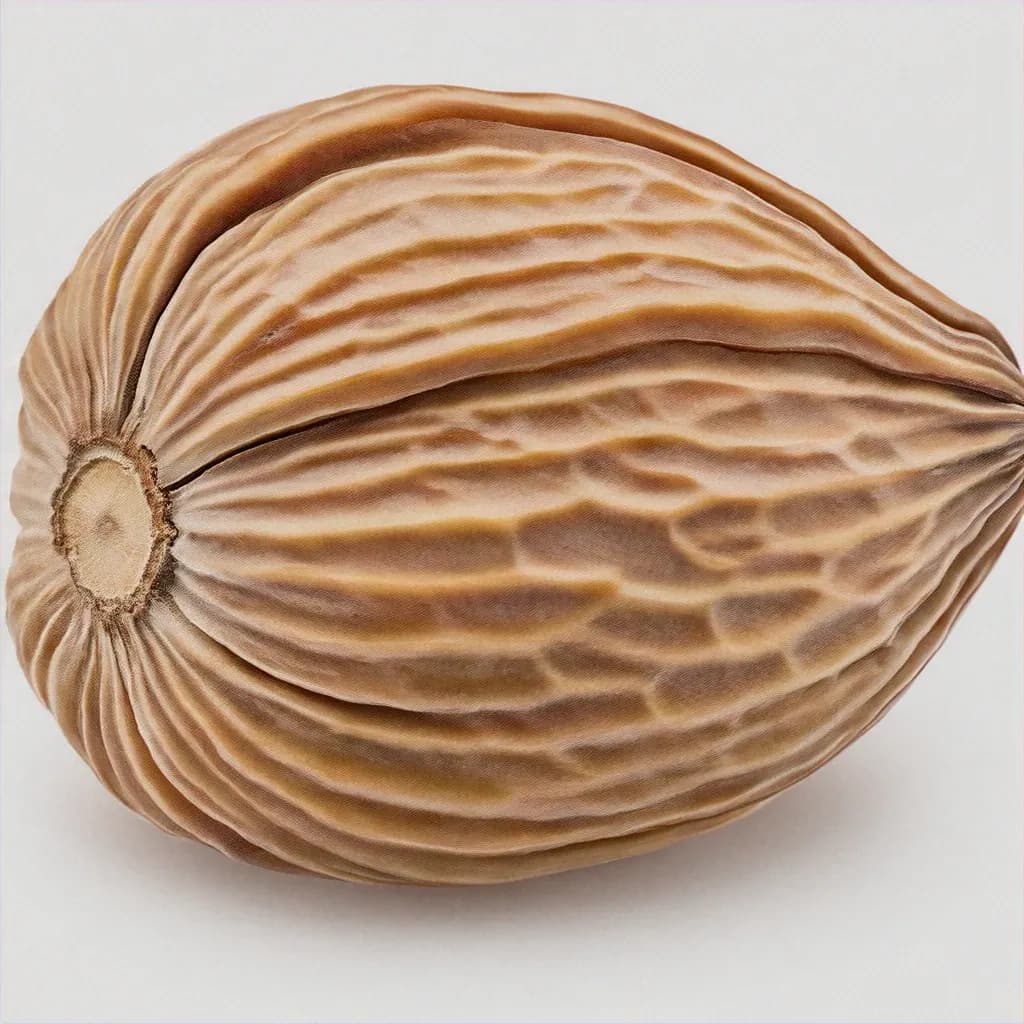
Terminalia catappa
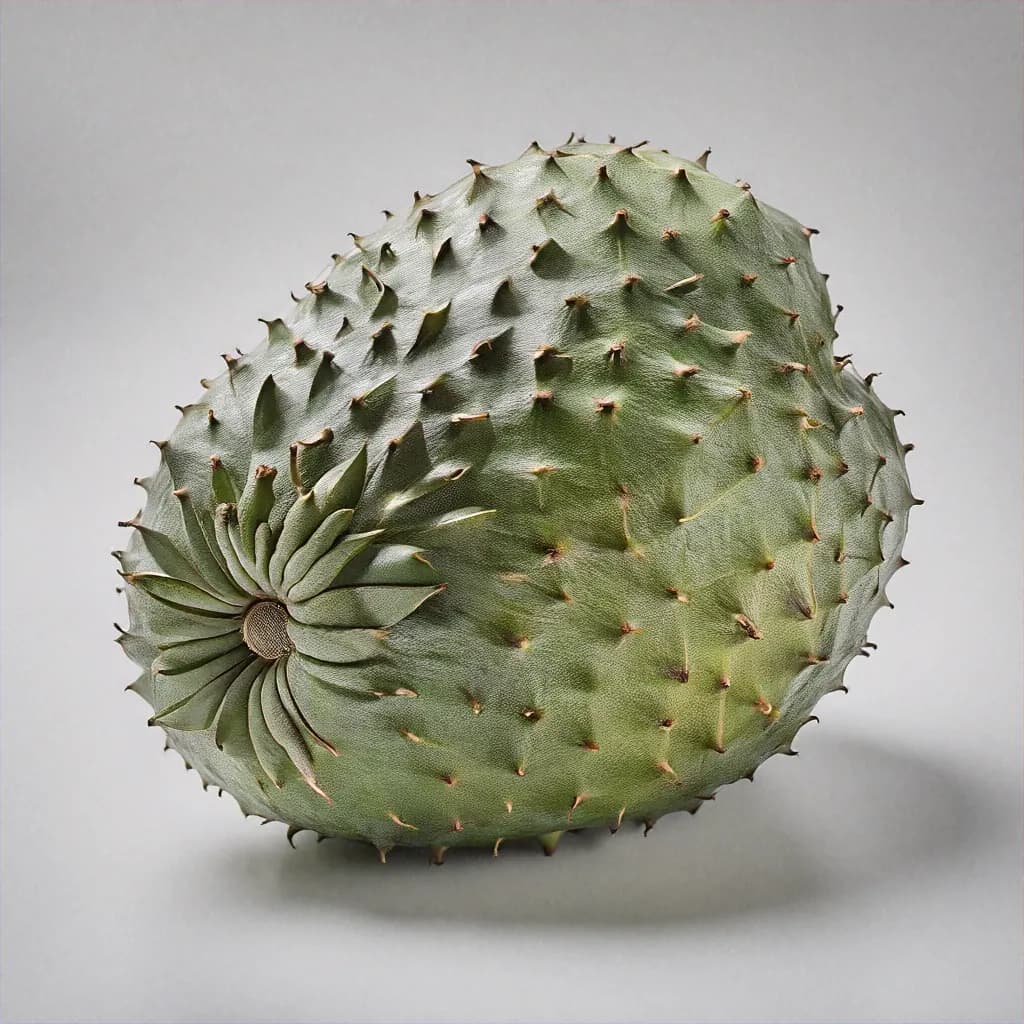
The Sea Almond, scientifically known as Terminalia catappa, is a tropical tree that produces almond-like fruits. These fruits, encased in a green, fleshy exterior, mature to a yellow or brown color. The taste is mildly sweet with a hint of bitterness, reminiscent of marzipan. Sea Almonds are not only delicious but also packed with nutrients. They are rich in vitamins, minerals, and antioxidants, making them a valuable addition to any diet. The tree itself is often found near coastal areas, thriving in sandy, saline environments. Its fruits are commonly used in traditional medicine and culinary practices across various tropical regions.
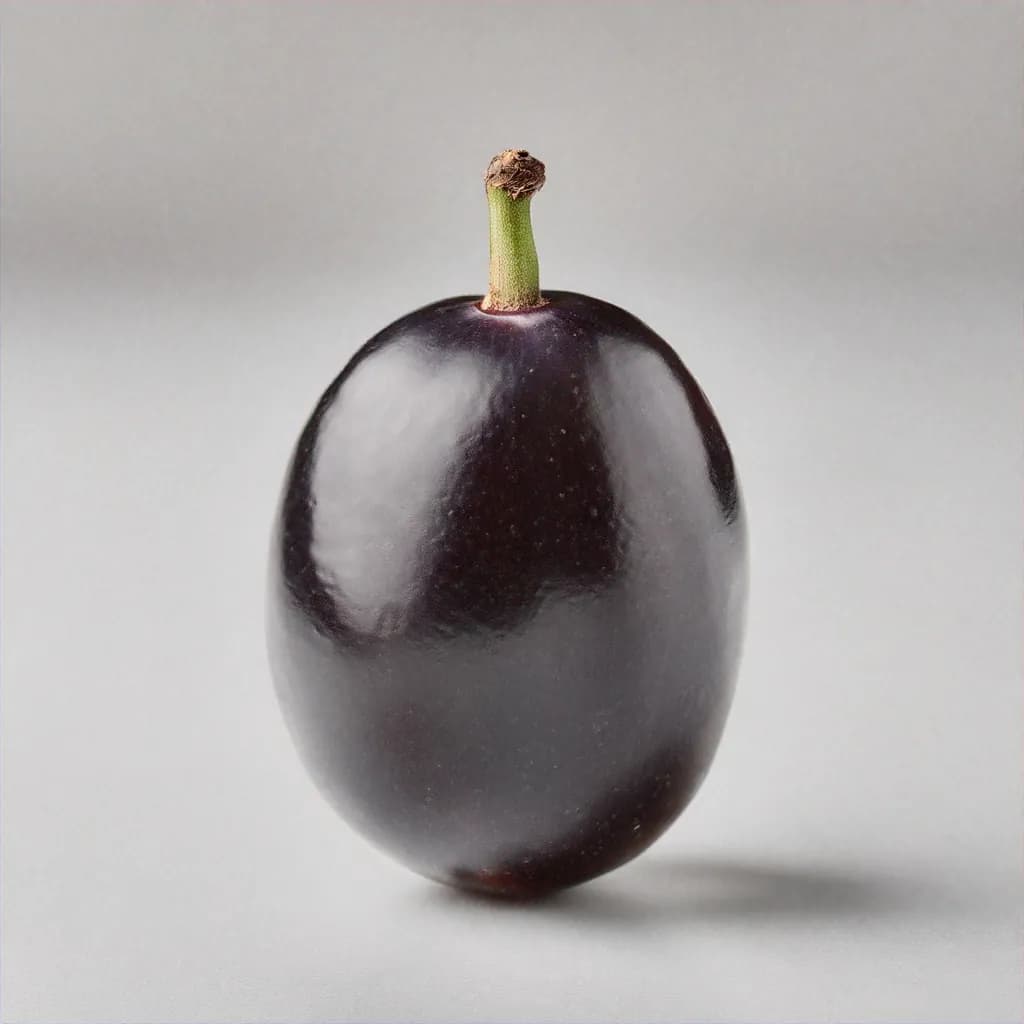
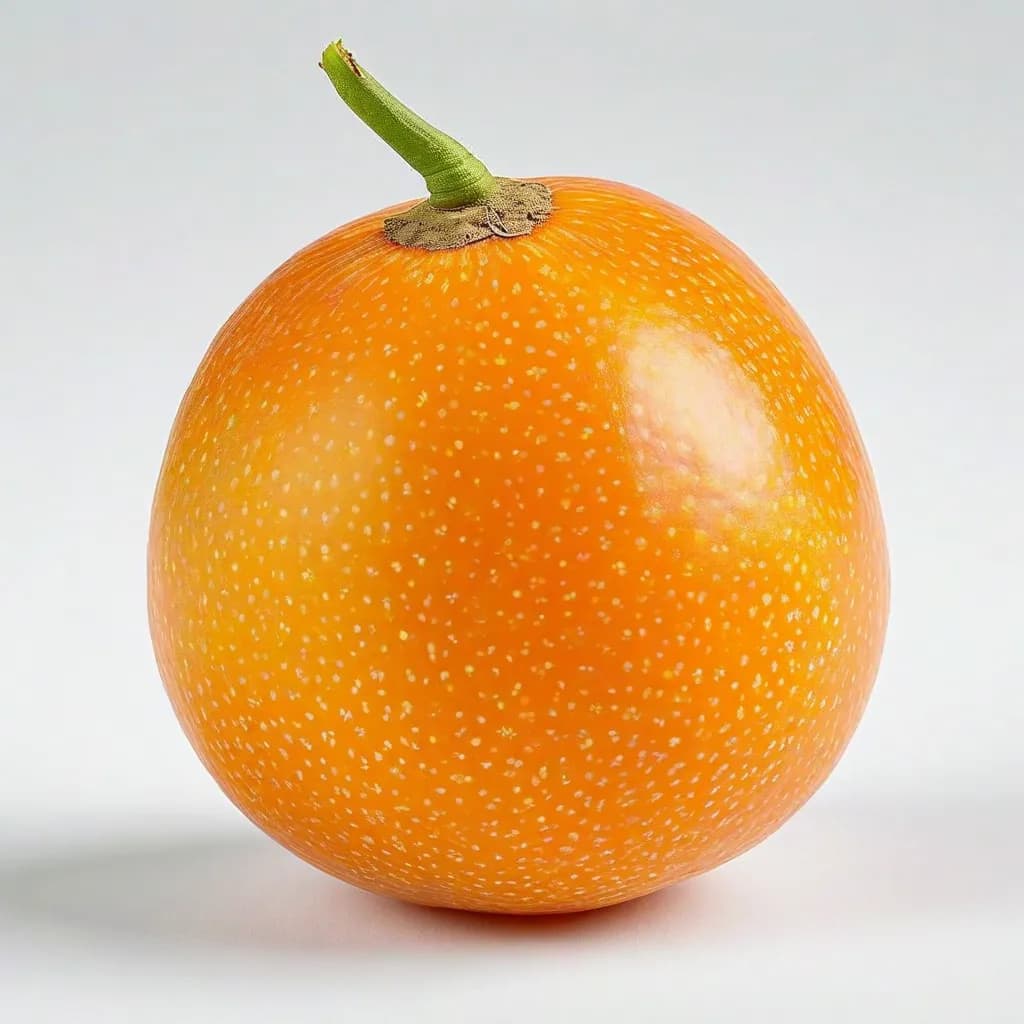
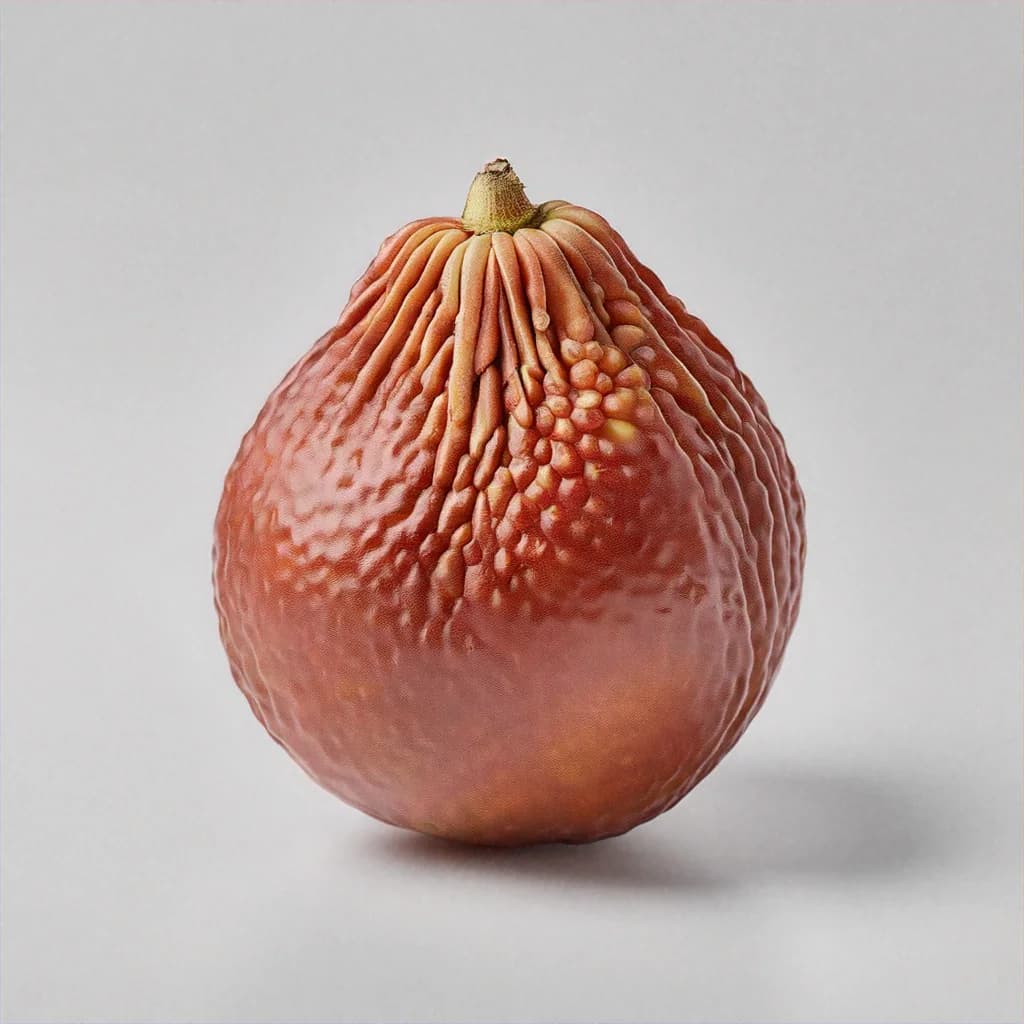
Explore Sea Almond in stunning detail
Sea Almond - Main View
Per 100g
Per 100g
Nutrition breakdown for one serving
Southeast Asia
The Sea Almond tree has been cultivated for centuries in Southeast Asia, where it was valued not only for its edible fruits but also for its timber and medicinal properties. The tree was introduced to other tropical regions through trade and colonization, where it quickly adapted to coastal environments. Today, it is widely grown in tropical climates around the world.
Year-round
Each variety offers unique flavors, textures, and culinary applications
Keep your fruit fresh and delicious for longer
Select fruits that are firm and have a uniform color.
Avoid fruits with bruises or soft spots.
Choose fruits with a slightly glossy appearance, indicating freshness.
Smell the fruit; it should have a mild, sweet aroma.
Check for any signs of mold or decay.
Store at room temperature if the fruit is unripe.
Refrigerate ripe fruits to extend shelf life.
Keep in a cool, dry place away from direct sunlight.
Use within a few days of purchase for best quality.
Store in a perforated plastic bag to maintain humidity.
Preserve freshness for months
Peel and slice the fruit before freezing.
Blanch the fruit for 1-2 minutes to preserve color and nutrients.
Store in airtight containers or freezer bags.
Use within 6 months for best quality.
Label frozen items with the date to track freshness. Most fruits maintain quality for 2-3 months when properly frozen. For best results, use airtight containers or freezer bags to prevent freezer burn.
Discover delicious possibilities
Some individuals may experience allergic reactions to Sea Almonds. Symptoms may include itching, swelling, or difficulty breathing.
Always wash Sea Almonds thoroughly before consumption to remove any pesticide residues.
Surprising trivia you'll love!
Sea Almond trees can live up to 200 years.
The tree is often planted near coastal areas to prevent erosion.
Sea Almonds are used in traditional medicine to treat various ailments.
The wood of the Sea Almond tree is highly valued for its durability.
Sea Almonds are sometimes called "Indian Almonds" due to their origin.
The fruit is a favorite among birds and other wildlife.
Sea Almond is rich in antioxidants, vitamins, and minerals. It provides vitamin C for immune support, potassium for heart health, and calcium for bone strength. It also contains dietary fiber for digestion and various phytonutrients with anti-inflammatory and anti-cancer properties.
Store unripe Sea Almonds at room temperature and ripe ones in the refrigerator. Keep them in a cool, dry place away from direct sunlight. Use within a few days for best quality.
Yes, you can freeze Sea Almonds. Peel and slice them, blanch for 1-2 minutes, and store in airtight containers or freezer bags. Use within 6 months for best quality.
Popular recipes include Sea Almond Smoothie, Sea Almond and Coconut Milk Pudding, Sea Almond Salad with Tropical Fruits, and Sea Almond and Dark Chocolate Bark.
Sea Almonds pair well with tropical fruits like mango and pineapple, coconut milk, dark chocolate, and spicy dishes. They also complement citrus fruits and nuts.
Sea Almonds are generally safe for consumption. However, some individuals may experience allergic reactions. It's always best to consult with a healthcare provider if you have any concerns.
Sustainability insights
Sea Almond trees are often planted in coastal areas to help prevent erosion and provide habitat for wildlife.
The carbon footprint of Sea Almonds is relatively low due to their natural growth in tropical regions.
Sea Almond trees are drought-tolerant and require minimal water once established.
Locally sourced Sea Almonds have a lower environmental impact compared to imported ones.
We aim to keep this Sea Almond profile accurate and easy to understand. Nutrition values and % Daily Value figures are based on established reference databases and standard daily value guidance.
Last updated: September 20, 2026
Medical disclaimer
This page is for general educational purposes and does not replace professional medical advice.
Found an issue? Contact us.