Loading Fruit Details...
Please wait while we fetch nutritional information and health benefits
Please wait while we fetch nutritional information and health benefits
Recommended Products
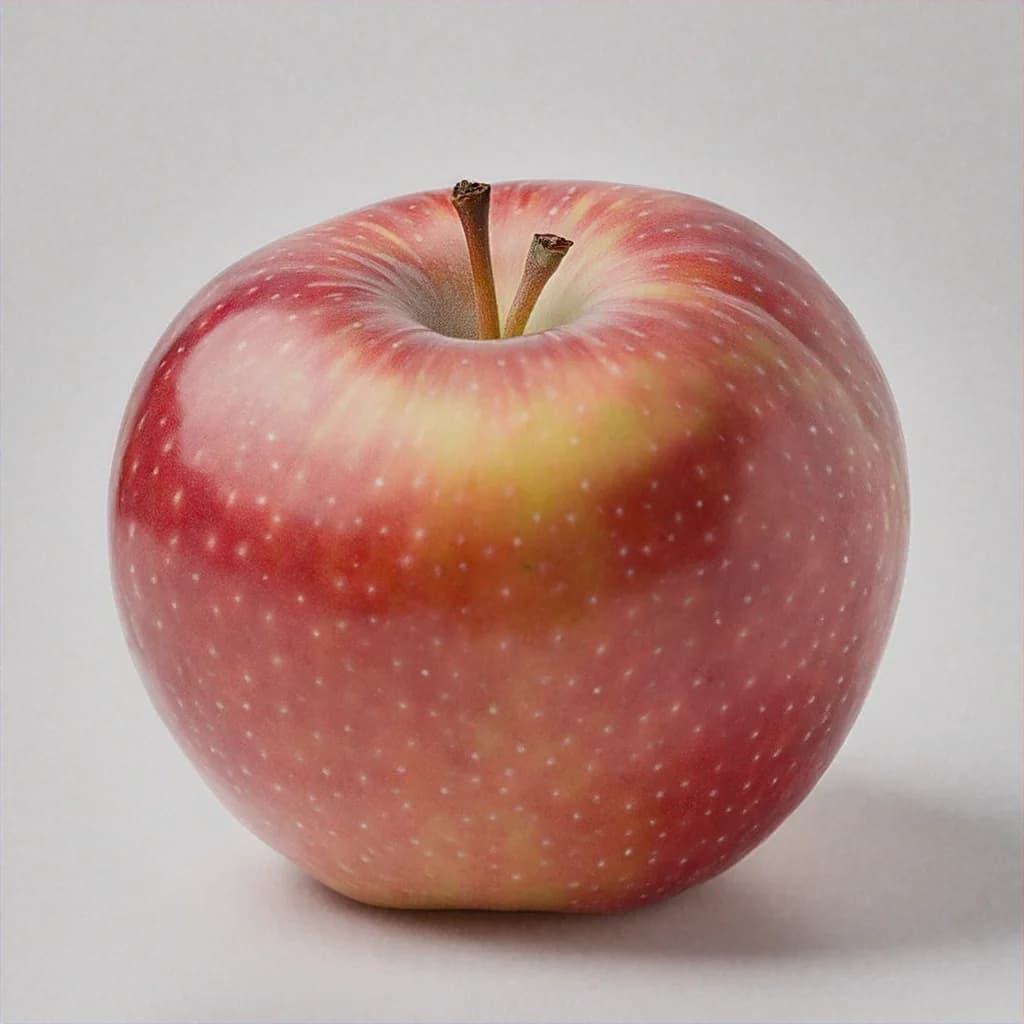
Dovyalis caffra
The Kei Apple, scientifically known as Dovyalis caffra, is a unique and tangy fruit native to Southern Africa. With its vibrant yellow-green skin and juicy, slightly acidic pulp, it offers a refreshing and distinct flavor profile. The fruit grows on a thorny shrub and is prized for its high vitamin C content and antioxidant properties. Kei Apples are often enjoyed fresh, but their tartness makes them an excellent ingredient in jams, jellies, and chutneys. Beyond its culinary appeal, the Kei Apple has significant nutritional value, contributing to immune health and overall well-being. Its resilience and adaptability to various climates make it a sustainable and intriguing addition to any fruit lover's repertoire.
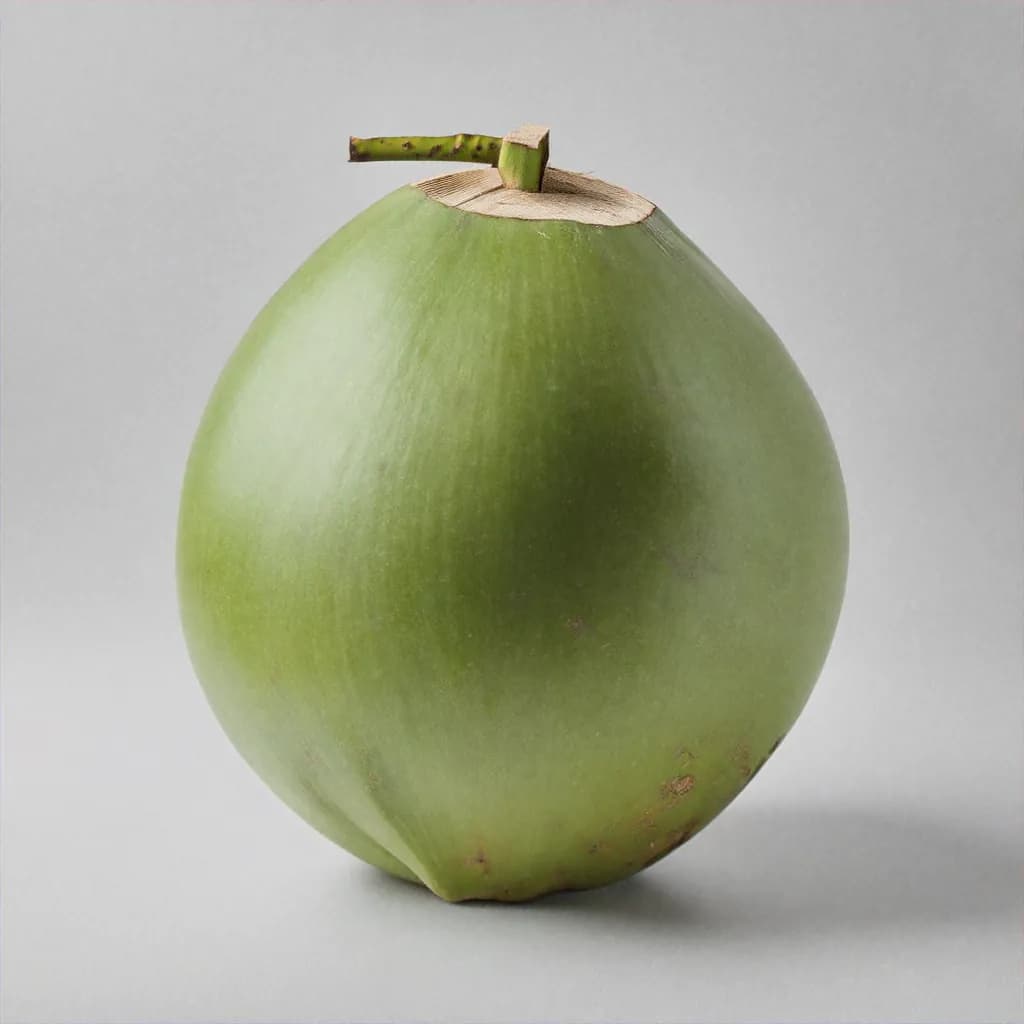
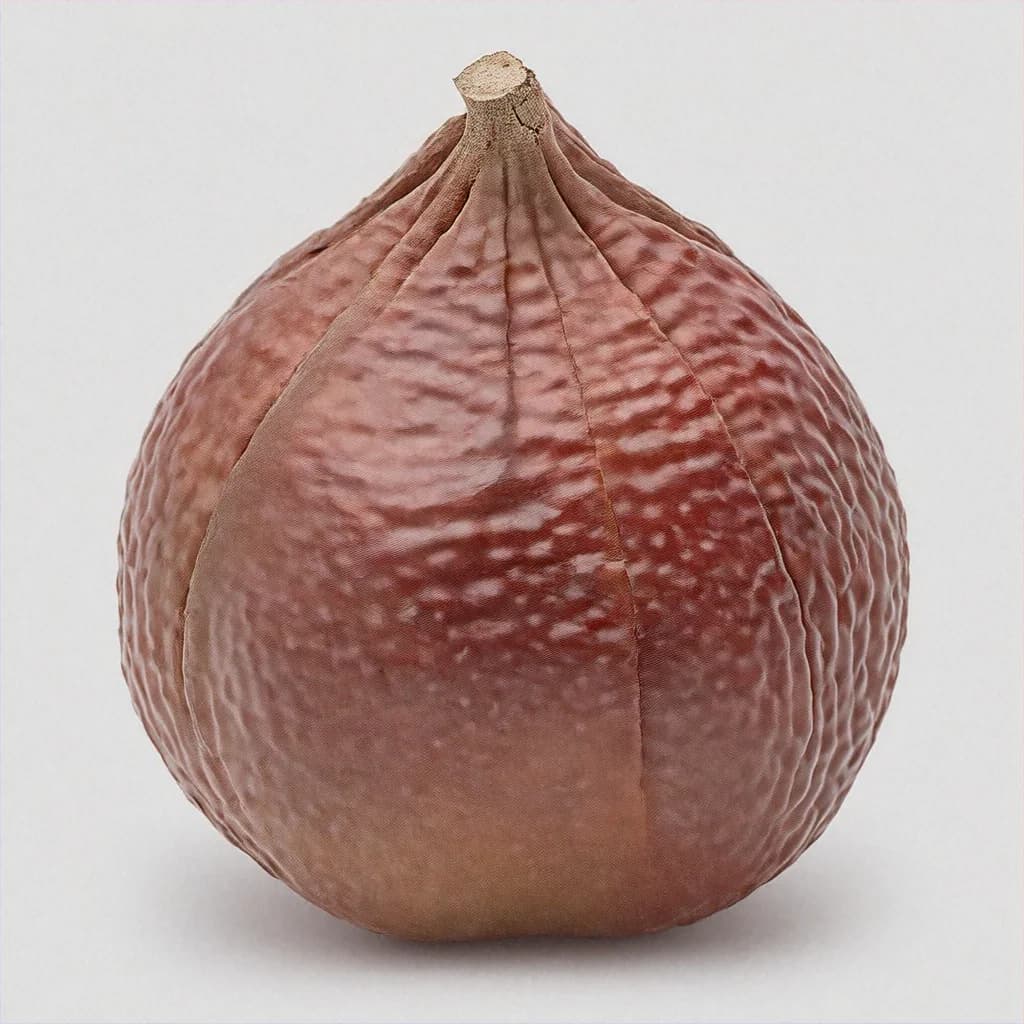
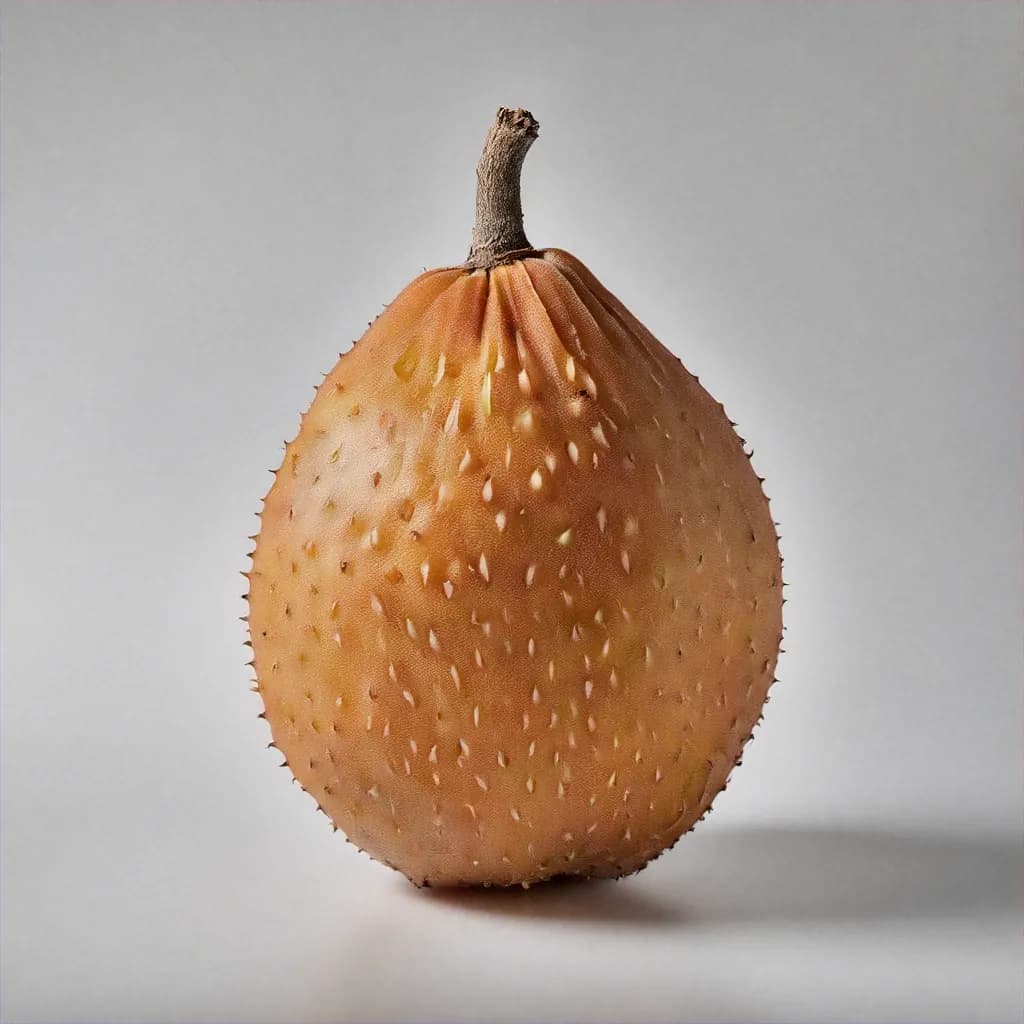
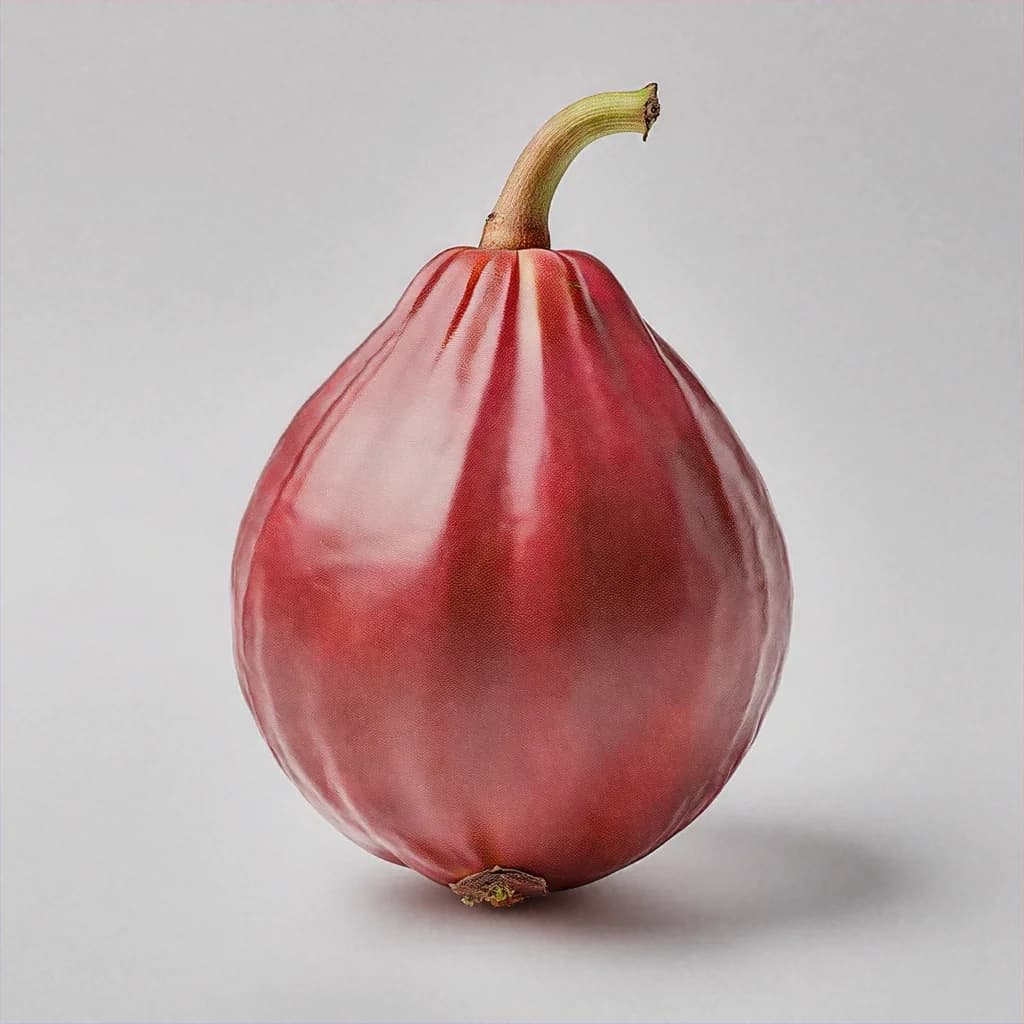
Explore Kei Apple in stunning detail
Kei Apple - Main View
Per 100g
Per 100g
Nutrition breakdown for one serving
Southern Africa
The Kei Apple has been a staple in Southern African diets for centuries, valued for its tart flavor and medicinal properties. It was traditionally used to treat scurvy due to its high vitamin C content.
Late summer to early fall
Each variety offers unique flavors, textures, and culinary applications
Keep your fruit fresh and delicious for longer
Look for firm, bright yellow-green fruits with no blemishes.
Avoid fruits with soft spots or discoloration.
Store Kei Apples in a cool, dry place for up to 1 week.
Refrigerate to extend shelf life up to 2 weeks.
Preserve freshness for months
Freeze whole or sliced Kei Apples in an airtight container.
Use frozen Kei Apples within 6 months for best quality.
Label frozen items with the date to track freshness. Most fruits maintain quality for 2-3 months when properly frozen. For best results, use airtight containers or freezer bags to prevent freezer burn.
Discover delicious possibilities
Kei Apples are not known to cause allergies, but individuals with oral allergy syndrome may react.
Kei Apples are generally low in pesticide residues, but it's always best to wash fruits thoroughly before consumption.
Surprising trivia you'll love!
Kei Apples were traditionally used to treat scurvy due to their high vitamin C content.
The Kei Apple plant is thorny and resilient, making it adaptable to various climates.
Kei Apples have a tart, slightly sweet flavor with a juicy, acidic pulp.
Ripe Kei Apples are firm with a bright yellow-green color and no soft spots.
Yes, Kei Apples can be frozen whole or sliced in an airtight container for up to 6 months.
Kei Apples are commonly used in jams, jellies, chutneys, and smoothies.
Yes, Kei Apples are rich in vitamin C, providing 39% of the daily value per 100g serving.
Yes, Kei Apples are high in fiber, which aids in digestion and supports gut health.
Yes, Kei Apples have a low glycemic index and glycemic load, making them suitable for blood sugar management.
Sustainability insights
Kei Apples are a sustainable fruit option due to their resilience and adaptability to various climates.
Low, as Kei Apples are often locally sourced in their native regions.
Moderate, as the Kei Apple plant is drought-tolerant.
Prefer locally grown Kei Apples for freshness and reduced environmental impact.
We aim to keep this Kei Apple profile accurate and easy to understand. Nutrition values and % Daily Value figures are based on established reference databases and standard daily value guidance.
Last updated: September 16, 2026
Medical disclaimer
This page is for general educational purposes and does not replace professional medical advice.
Found an issue? Contact us.