Loading Fruit Details...
Please wait while we fetch nutritional information and health benefits
Please wait while we fetch nutritional information and health benefits
Recommended Products
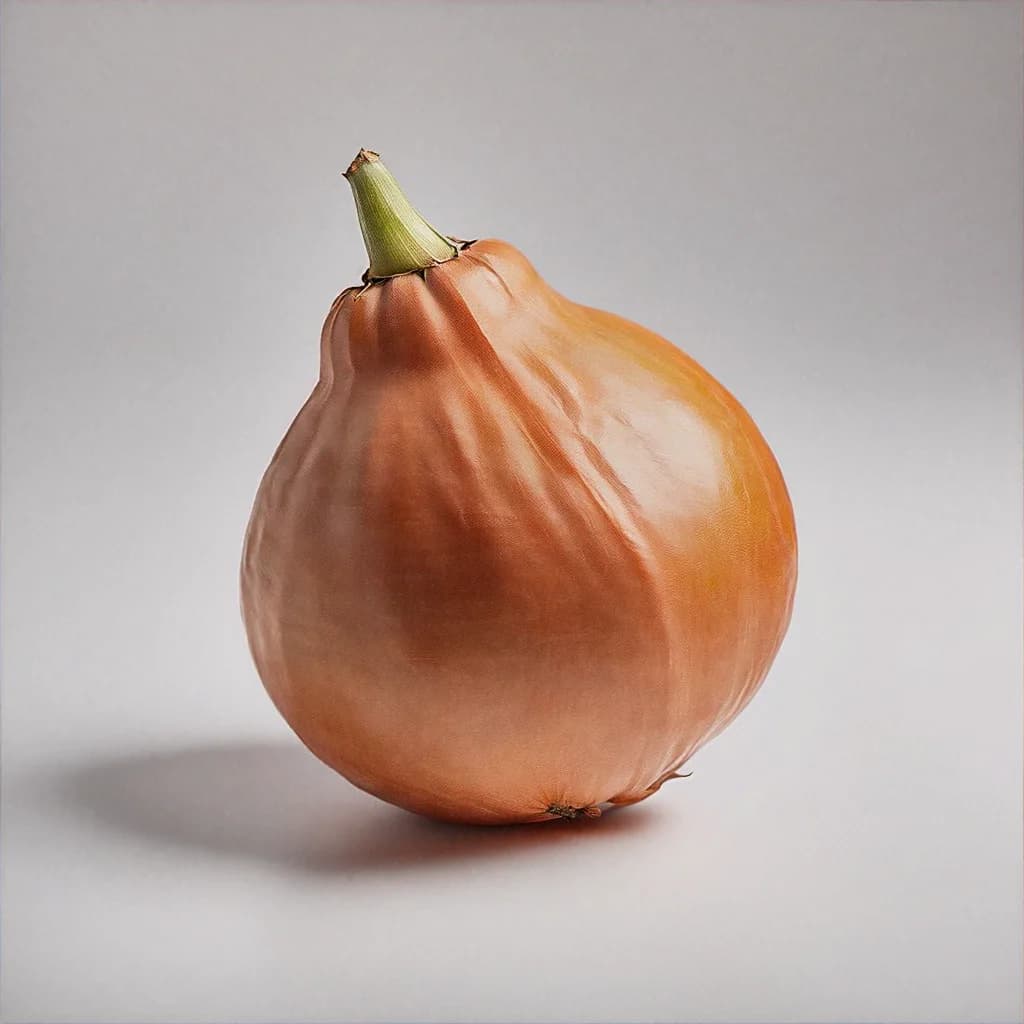
Spondias pinnata
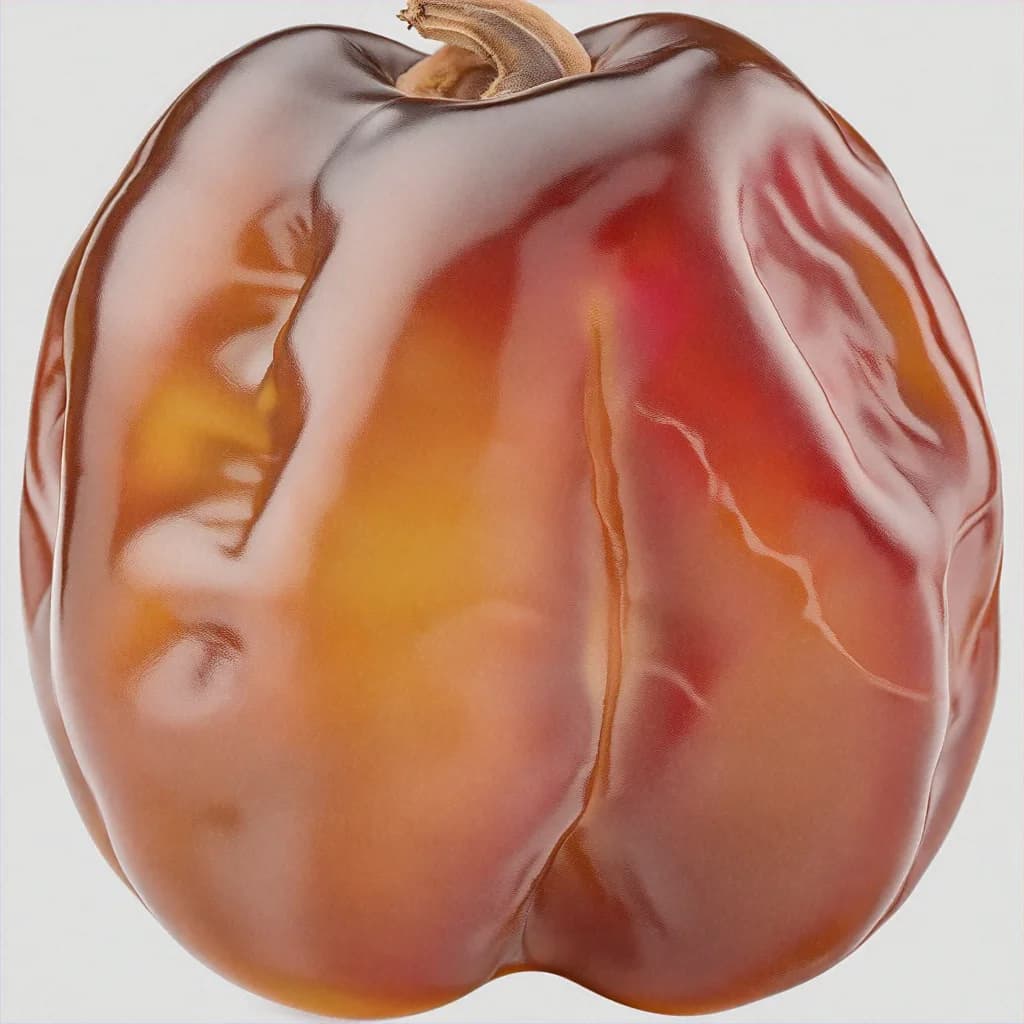
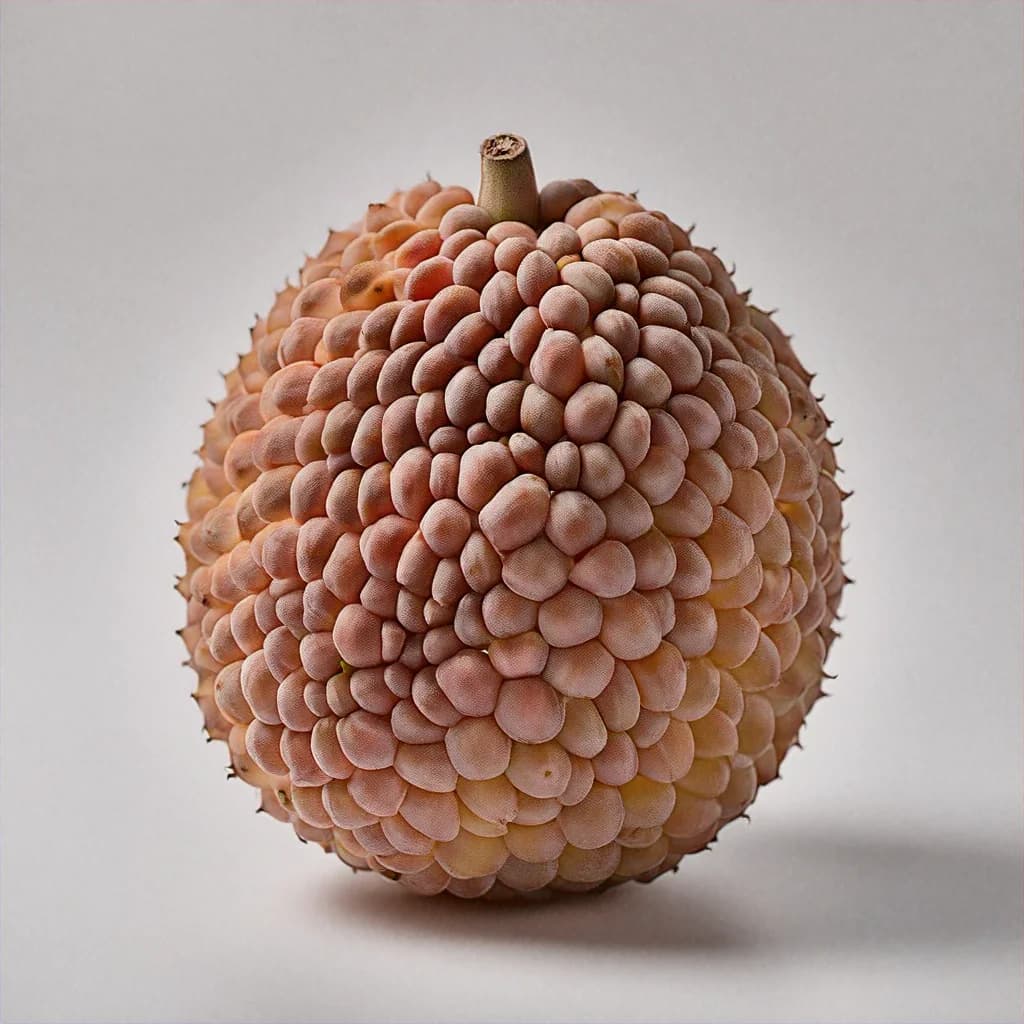
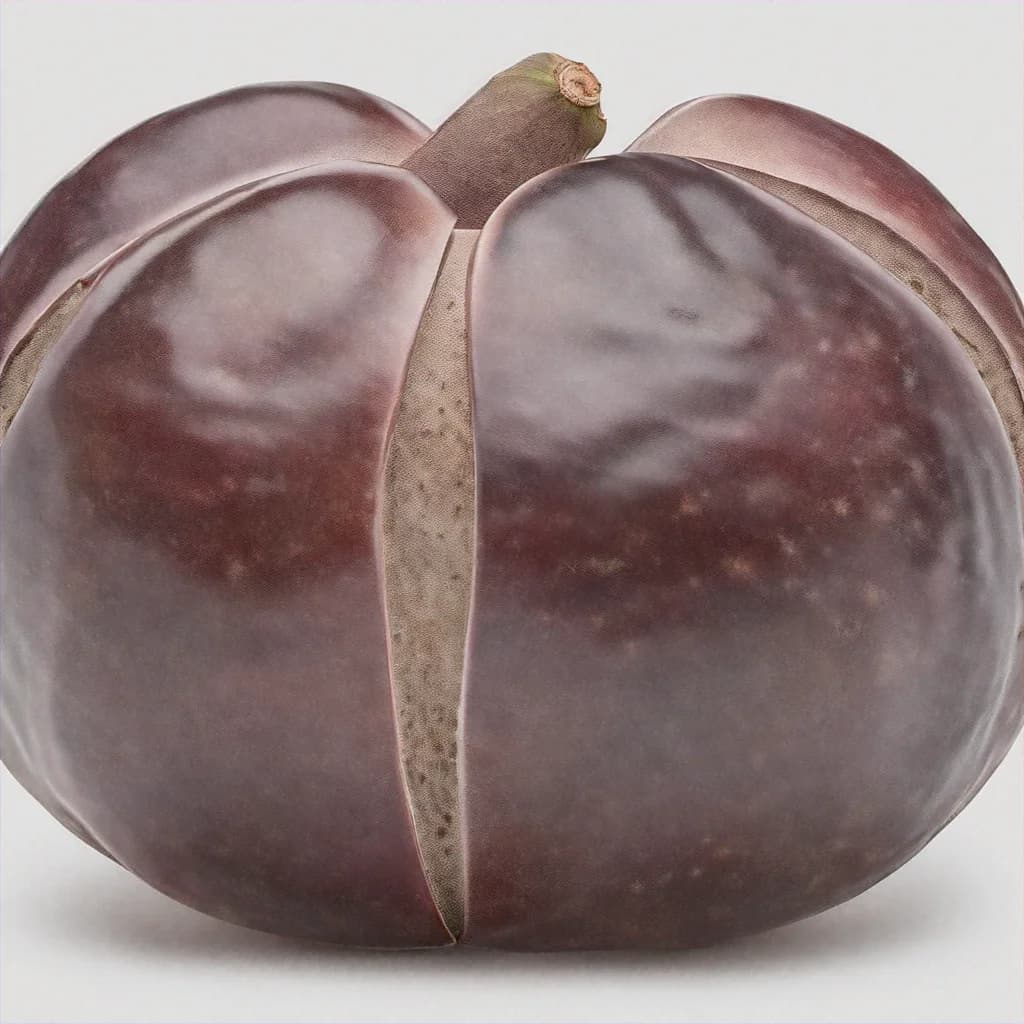
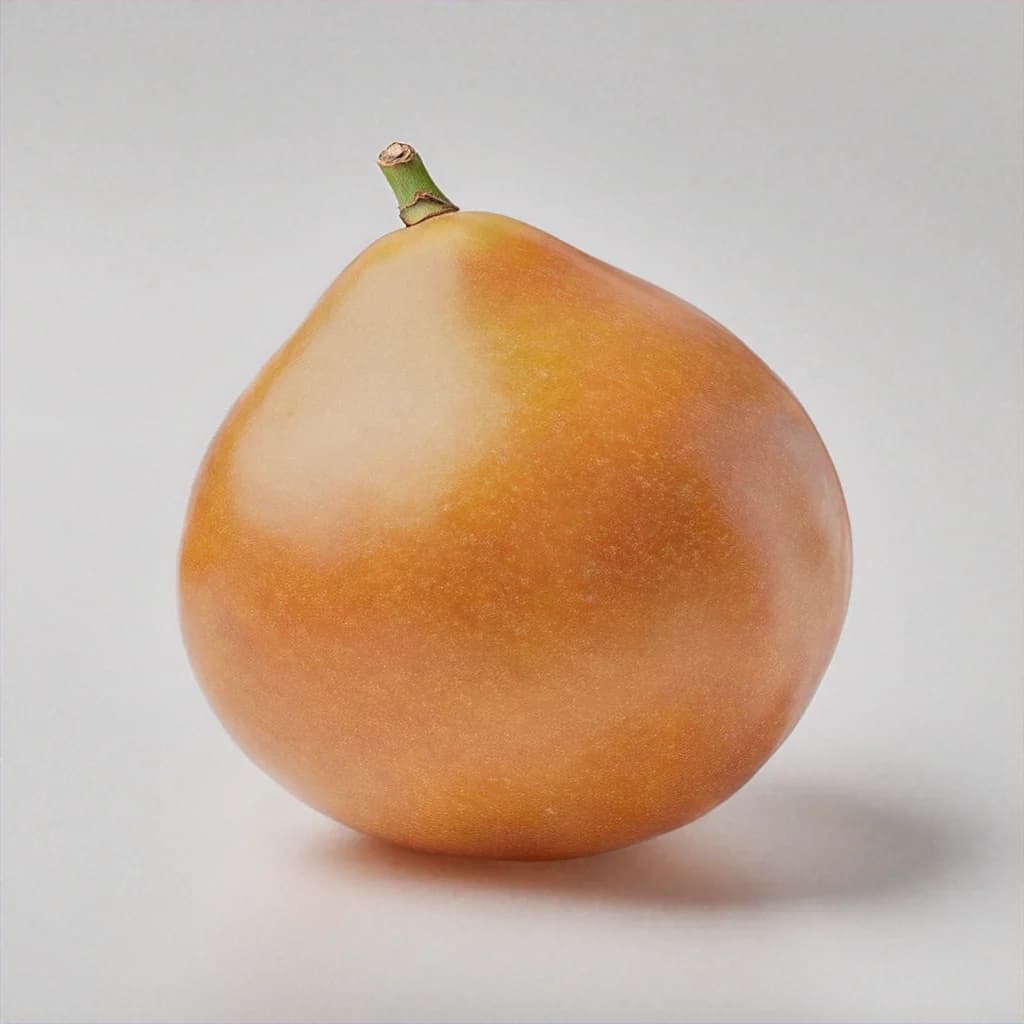
Kedondong Asam, scientifically known as Spondias pinnata, is a tropical fruit native to Southeast Asia and widely enjoyed for its tangy, slightly sour flavor. The fruit is oval-shaped with a thin, waxy skin that ranges from green to yellowish-brown as it ripens. Its flesh is juicy, crisp, and refreshing, making it a popular choice for salads, pickles, and beverages. Rich in vitamins A and C, as well as essential minerals like potassium and magnesium, Kedondong Asam offers a delightful blend of culinary versatility and nutritional value. Its unique taste profile adds a zesty twist to both sweet and savory dishes, making it a favorite among chefs and home cooks alike.
Explore Kedondong Asam in stunning detail
Kedondong Asam - Main View
Per 100g
Per 100g
Nutrition breakdown for one serving
Southeast Asia
Kedondong Asam has been cultivated for centuries in Southeast Asia, valued for its culinary uses and medicinal properties. It is deeply rooted in traditional cuisines and cultural practices.
Year-round in tropical regions, with peak seasons varying by location.
Each variety offers unique flavors, textures, and culinary applications
Keep your fruit fresh and delicious for longer
Look for firm fruits with smooth, unblemished skin.
Avoid fruits with soft spots or bruises.
Store in a cool, dry place for up to 5 days.
Refrigerate for extended shelf life, up to 2 weeks.
Preserve freshness for months
Freeze whole or sliced in an airtight container.
Use within 6 months for best quality.
Label frozen items with the date to track freshness. Most fruits maintain quality for 2-3 months when properly frozen. For best results, use airtight containers or freezer bags to prevent freezer burn.
Discover delicious possibilities
Allergic reactions to Kedondong Asam are rare but possible. Individuals with sensitivities to related fruits (e.g., mango) should exercise caution.
As with any fruit, it is important to wash Kedondong Asam thoroughly to remove potential pesticide residues.
Surprising trivia you'll love!
Kedondong Asam is often used in traditional medicine to treat digestive issues.
The tree is also valued for its timber, which is used in construction.
Kedondong Asam has a tangy, slightly sour flavor with a crisp, juicy texture.
Ripe Kedondong Asam will have a yellowish-brown skin and a slightly softer texture compared to unripe fruits.
Store in a cool, dry place for up to 5 days, or refrigerate for up to 2 weeks.
Kedondong Asam is commonly used in salads, pickles, soups, and beverages.
Kedondong Asam contains about 10.2g of sugar per 100g, making it moderately sweet.
Kedondong Asam is generally safe, but its high vitamin C content may interact with certain medications. Consult a healthcare provider if you have concerns.
Yes, Kedondong Asam can be frozen whole or sliced in an airtight container for up to 6 months.
Sustainability insights
Kedondong Asam is generally sustainable, as it is often grown in mixed-crop systems that support biodiversity.
Low, as it is typically grown locally in tropical regions.
Moderate, requiring regular irrigation during dry periods.
Prefer locally grown Kedondong Asam to reduce transportation emissions and support local farmers.
We aim to keep this Kedondong Asam profile accurate and easy to understand. Nutrition values and % Daily Value figures are based on established reference databases and standard daily value guidance.
Last updated: September 28, 2026
Medical disclaimer
This page is for general educational purposes and does not replace professional medical advice.
Found an issue? Contact us.