Loading Fruit Details...
Please wait while we fetch nutritional information and health benefits
Please wait while we fetch nutritional information and health benefits
Recommended Products
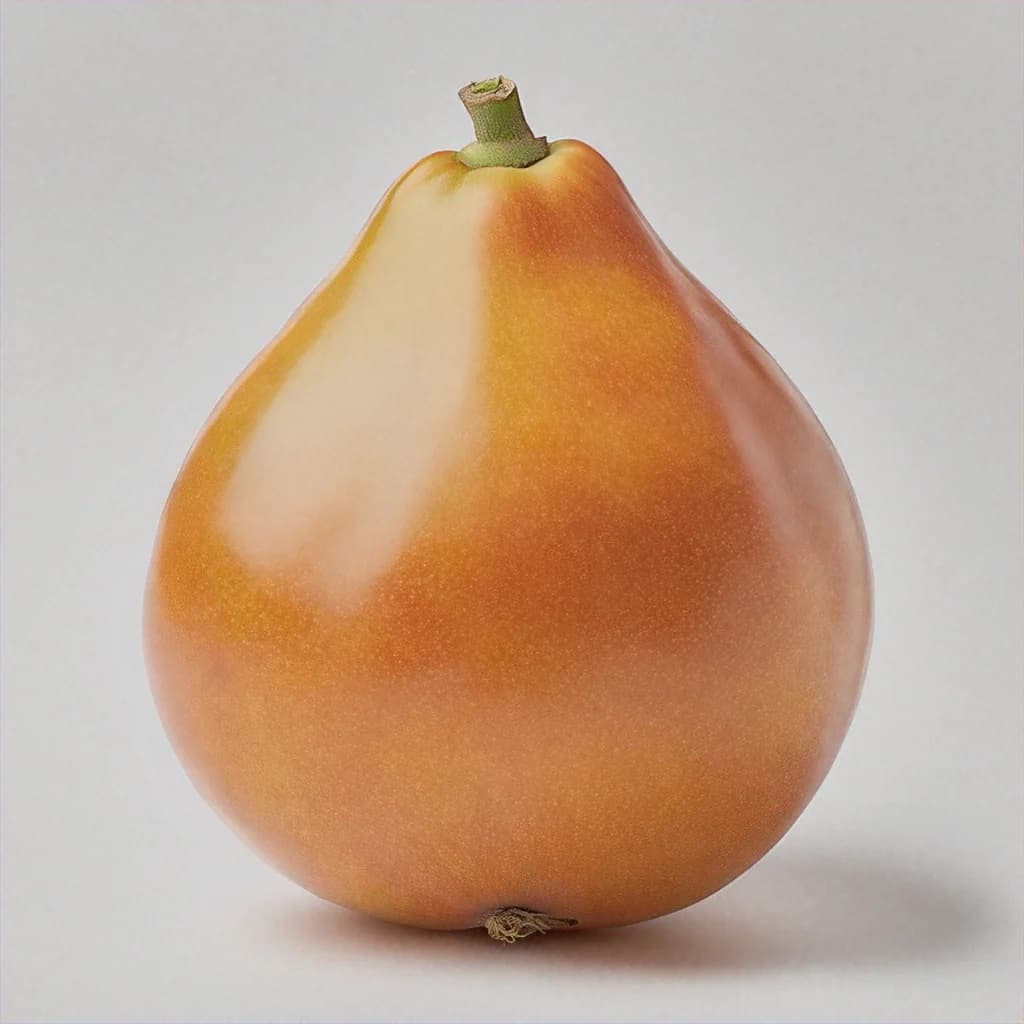
Carpobrotus rossii
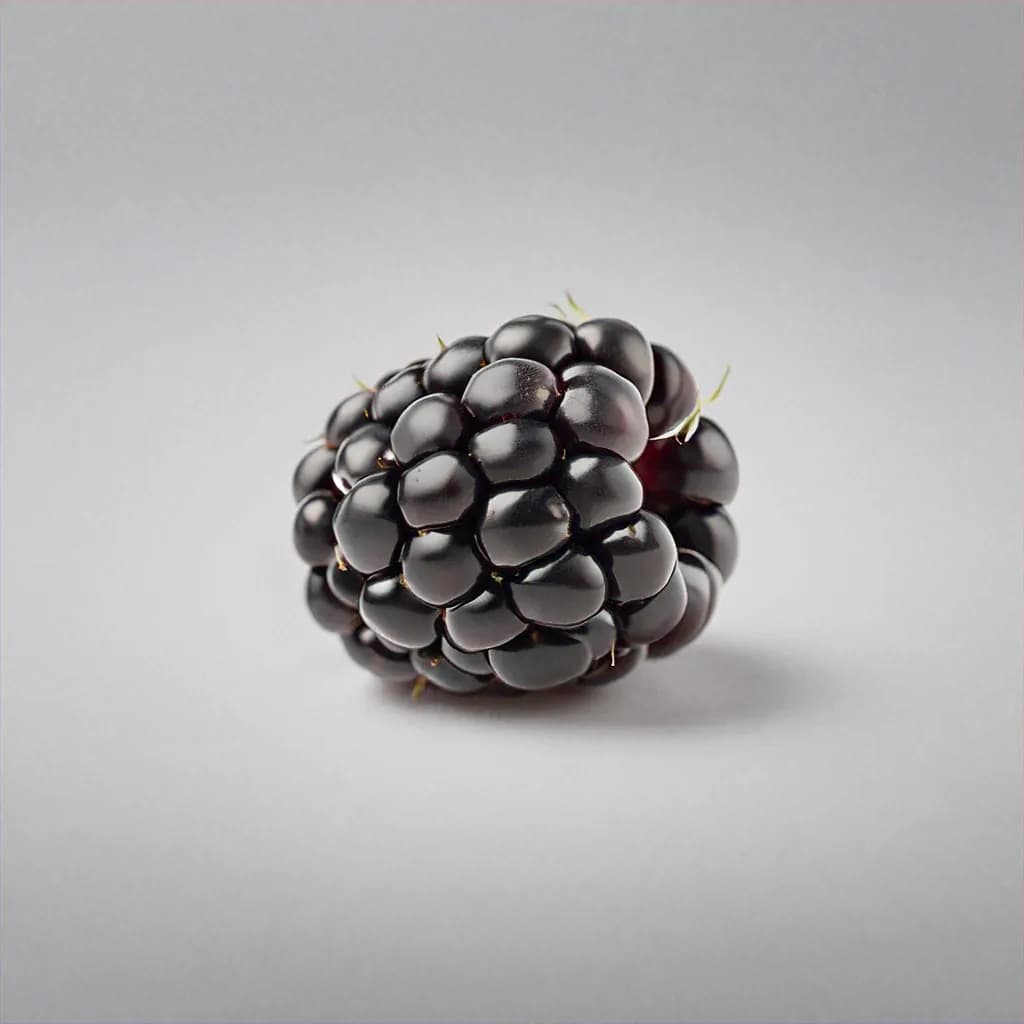
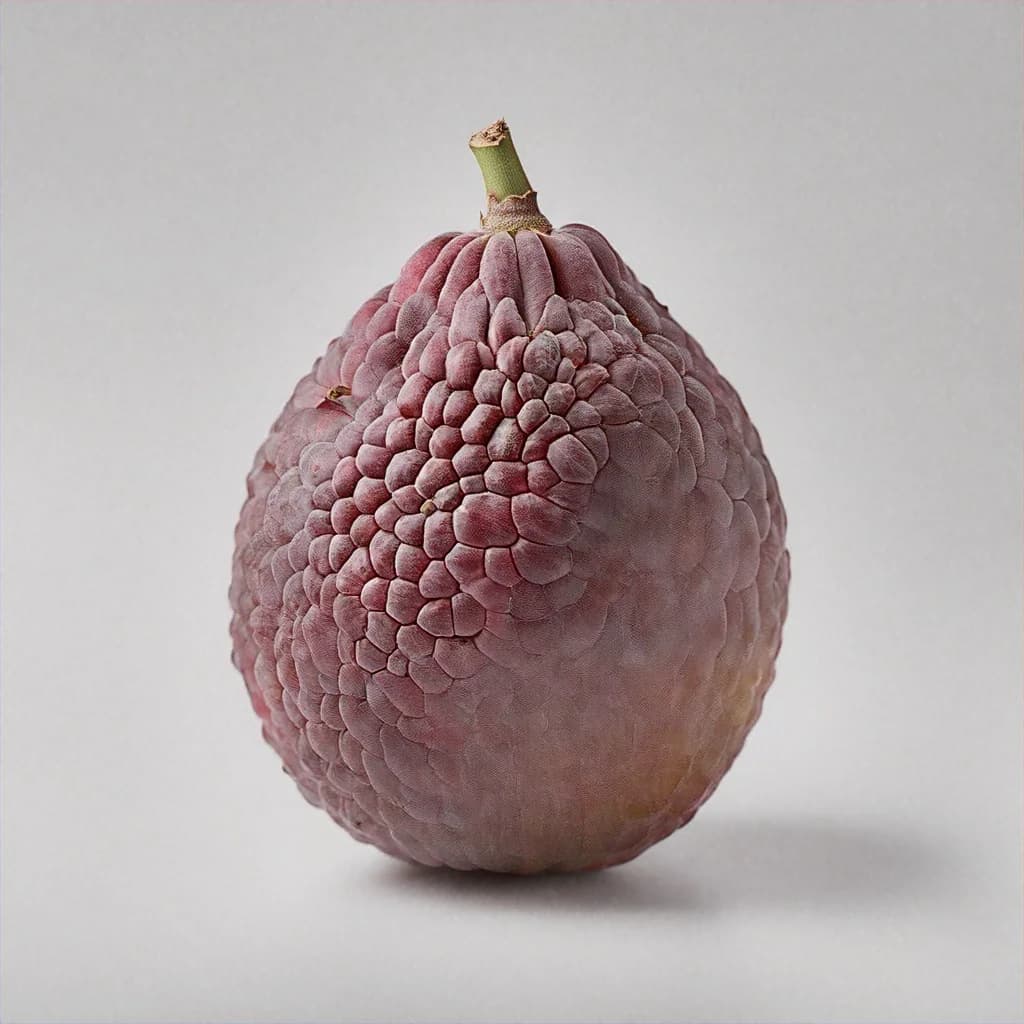
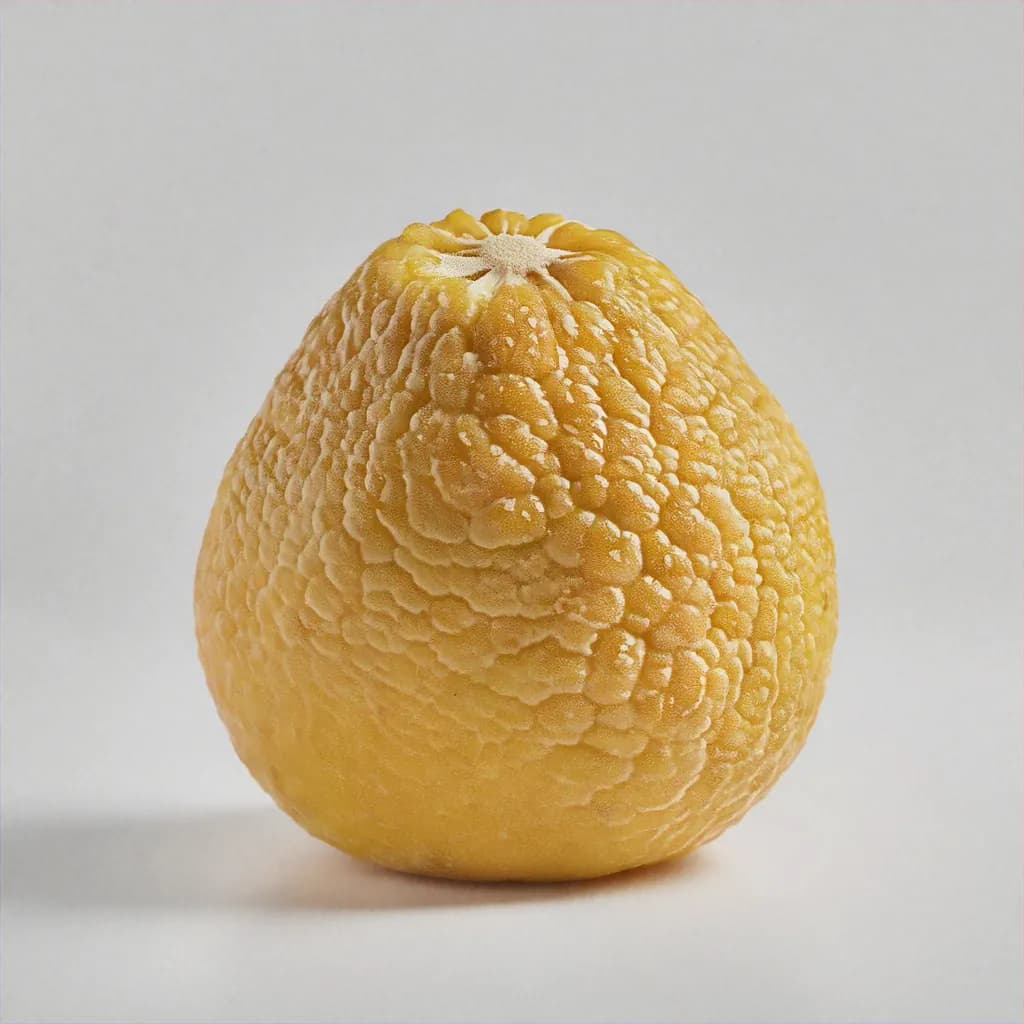
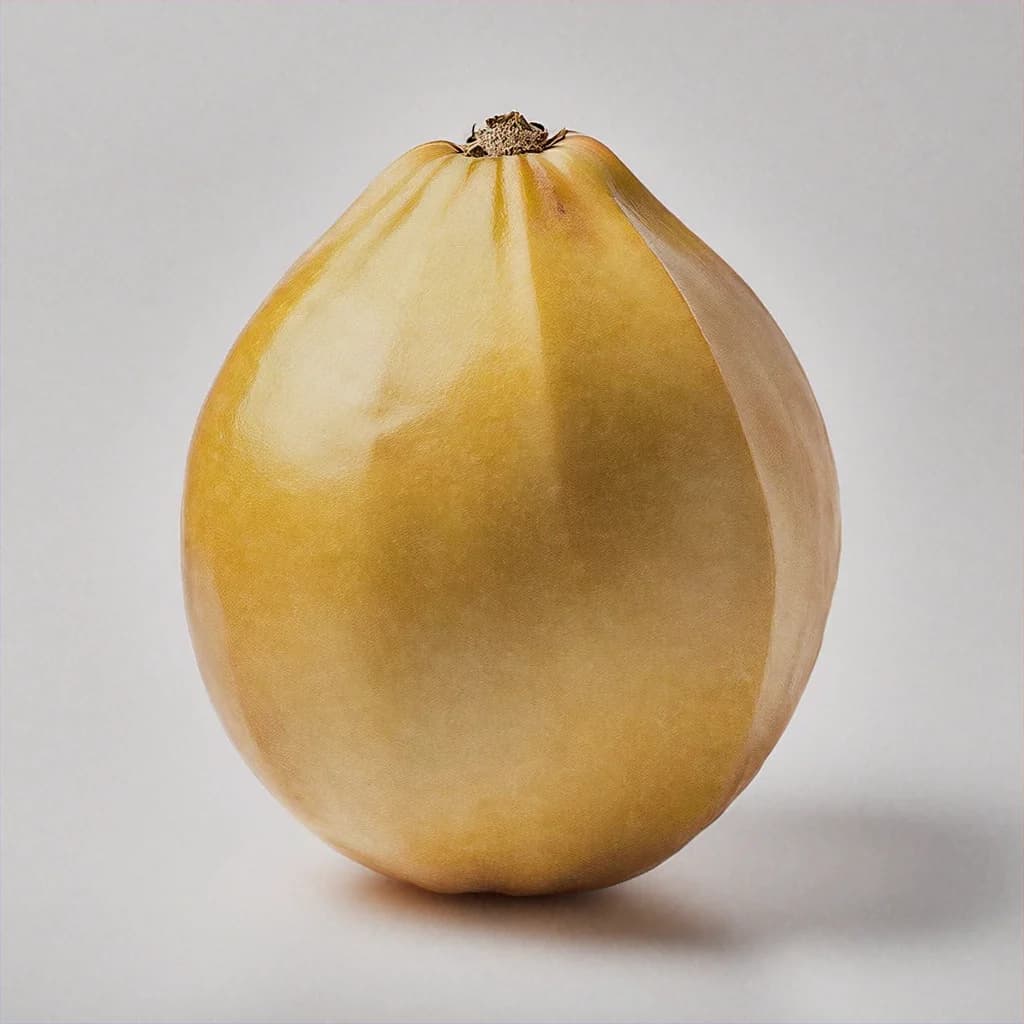
Karkalla, scientifically known as Carpobrotus rossii, is a succulent plant native to Australia, often found growing in coastal regions. Its fleshy, salty leaves and vibrant, edible fruits have made it a staple in bush tucker cuisine. The fruit is juicy, slightly tart, and refreshing, with a unique blend of sweet and salty notes. Rich in vitamins, minerals, and antioxidants, Karkalla is not only a culinary delight but also a nutritional powerhouse. Its adaptability to harsh environments makes it a resilient and sustainable food source, while its distinctive flavor profile adds a unique twist to both traditional and modern dishes.
Explore Karkalla in stunning detail
Karkalla - Main View
Per 100g
Per 100g
Nutrition breakdown for one serving
Coastal regions of Australia
Karkalla has been a traditional food source for Indigenous Australians for thousands of years. Its ability to thrive in saline environments has made it a valuable resource in coastal areas, where it is often harvested for its edible leaves and fruits.
Spring to early summer
Each variety offers unique flavors, textures, and culinary applications
Keep your fruit fresh and delicious for longer
Look for bright, unblemished fruits.
Ensure the leaves are firm and not wilted.
Store in a cool, dry place away from direct sunlight.
Refrigerate to extend freshness.
Preserve freshness for months
Freeze whole fruits in an airtight container.
Thaw before use for best texture.
Label frozen items with the date to track freshness. Most fruits maintain quality for 2-3 months when properly frozen. For best results, use airtight containers or freezer bags to prevent freezer burn.
Discover delicious possibilities
No known allergens, but individuals with plant sensitivities should exercise caution.
Low, as Karkalla is often harvested wild and grows in natural environments.
Surprising trivia you'll love!
Karkalla is often referred to as 'pigface' due to the shape of its flowers.
Indigenous Australians have used Karkalla as a food source for thousands of years.
Karkalla has a unique sweet and salty flavor, with a slightly tart and refreshing taste.
Look for bright, unblemished fruits with firm leaves.
Karkalla can be stored for 3-5 days at room temperature or up to 14 days refrigerated.
Yes, Karkalla can be cooked in stews, soups, or pickled for added flavor.
No, Karkalla has a moderate sugar content of 6.2g per 100g.
There are no known interactions, but always consult a healthcare provider if you have concerns.
Yes, Karkalla thrives in coastal environments and can be grown in well-draining soil with ample sunlight.
Sustainability insights
Karkalla is highly sustainable due to its ability to thrive in saline environments with minimal water requirements.
Low, as it is often harvested locally and requires minimal processing.
Low, as Karkalla is drought-tolerant.
Typically consumed locally in Australia, reducing the need for importation.
We aim to keep this Karkalla profile accurate and easy to understand. Nutrition values and % Daily Value figures are based on established reference databases and standard daily value guidance.
Last updated: September 25, 2026
Medical disclaimer
This page is for general educational purposes and does not replace professional medical advice.
Found an issue? Contact us.