Loading Fruit Details...
Please wait while we fetch nutritional information and health benefits
Please wait while we fetch nutritional information and health benefits
Recommended Products
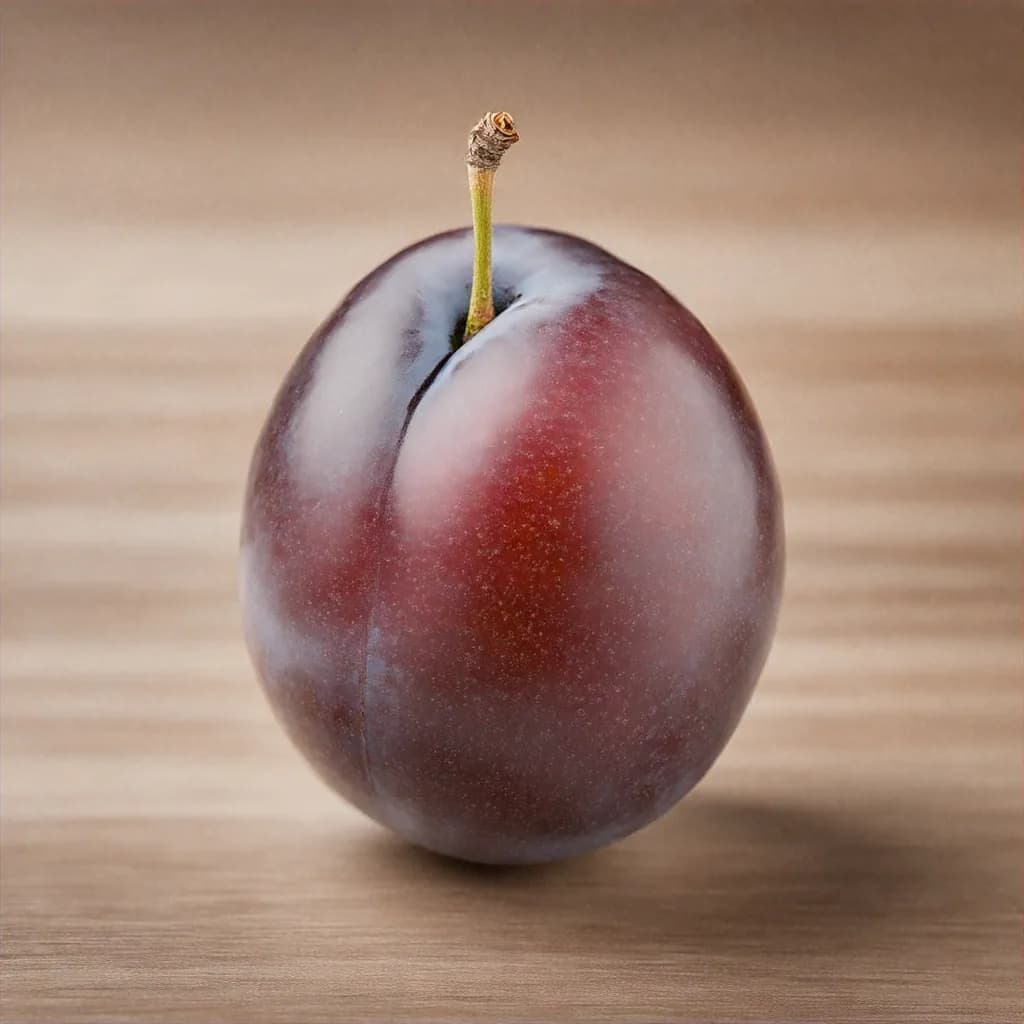
Terminalia ferdinandiana
Kakadu plum is a legendary Australian native superfruit and the richest natural source of vitamin C in the world, delivering up to 3,230% DV per 100g. Also known as gubinge or billygoat plum, Kakadu plum contains extraordinary antioxidant levels, powerful polyphenols, ellagic acid, and gallic acid that support immune defense, skin health, and cellular protection. With very low calories, minimal sugar, and exceptional phytonutrient density, Kakadu plum is prized in modern nutrition science, functional foods, skincare, and traditional Indigenous medicine. Ideal for immune resilience, antioxidant wellness, collagen support, and metabolic health.
Explore Kakadu Plum in stunning detail
Kakadu Plum - Main View
Per 100g
Per 100g
Nutrition breakdown for one serving
Northern Australia
Kakadu plum has been used for over 60,000 years by Indigenous Australians for food, healing, and medicinal purposes. Traditionally consumed fresh or ground into pastes, it was used to treat colds, infections, and skin conditions. Modern science later confirmed its unmatched vitamin C concentration and antimicrobial properties. Today, Kakadu plum is globally valued in nutraceuticals, functional foods, and premium skincare.
Harvested March–July
Keep your fruit fresh and delicious for longer
Choose plump fruits with green-yellow skin
Avoid shriveled or moldy fruit
Frozen or powdered forms should be from reputable suppliers
Refrigerate fresh fruit immediately
Freeze for long-term storage
Keep powdered Kakadu plum sealed away from light and moisture
Preserve freshness for months
Freeze whole or pureed fruit
Frozen Kakadu plum lasts up to 12 months
Ideal for smoothies and supplements
Label frozen items with the date to track freshness. Most fruits maintain quality for 2-3 months when properly frozen. For best results, use airtight containers or freezer bags to prevent freezer burn.
Discover delicious possibilities
Allergies are rare but possible.
Wild-harvested fruit typically has minimal pesticide exposure.
Surprising trivia you'll love!
Kakadu plum contains up to 100 times more vitamin C than oranges
Used by Indigenous Australians for over 60,000 years
Often used in luxury skincare products worldwide
Naturally antimicrobial and anti-inflammatory
Kakadu plum contains the highest natural vitamin C concentration on Earth, delivering over 3,000% DV per 100g along with powerful antioxidants that support immunity, skin health, and cellular protection.
Yes, Kakadu plum is safe in small amounts. Due to its extremely high vitamin C content, moderate consumption is recommended.
Yes, its vitamin C and polyphenols support collagen production, skin brightening, and protection against oxidative damage.
Yes, Kakadu plum provides unmatched immune support due to its extreme vitamin C and antimicrobial compounds.
Yes, Kakadu plum is traditionally used to support cold and flu recovery due to its extremely high vitamin C content and natural antimicrobial compounds that strengthen immune response.
Yes, Kakadu plum provides natural vitamin C along with polyphenols and flavonoids that enhance absorption and effectiveness compared to isolated synthetic vitamin C.
Yes, Kakadu plum is widely available as powders, capsules, and extracts, making it easy to consume as a functional food or dietary supplement.
Yes, Kakadu plum has a low glycemic index and low sugar content, making it suitable for people with diabetes when consumed in moderate amounts.
Yes, the high vitamin C and antioxidant content in Kakadu plum helps reduce oxidative stress, support collagen production, and slow visible signs of skin aging.
Yes, Kakadu plum can be eaten raw, though it has a very tart taste. It is more commonly consumed in dried, powdered, or processed forms for better palatability.
Sustainability insights
Harvesting supports Indigenous communities and sustainable land management.
Low when sourced within Australia
Naturally drought-tolerant plant
Prefer ethically sourced Indigenous suppliers
We aim to keep this Kakadu Plum profile accurate and easy to understand. Nutrition values and % Daily Value figures are based on established reference databases and standard daily value guidance.
Last updated: September 20, 2026
Medical disclaimer
This page is for general educational purposes and does not replace professional medical advice.
Found an issue? Contact us.
.webp&w=3840&q=75)