Loading Fruit Details...
Please wait while we fetch nutritional information and health benefits
Please wait while we fetch nutritional information and health benefits
Recommended Products
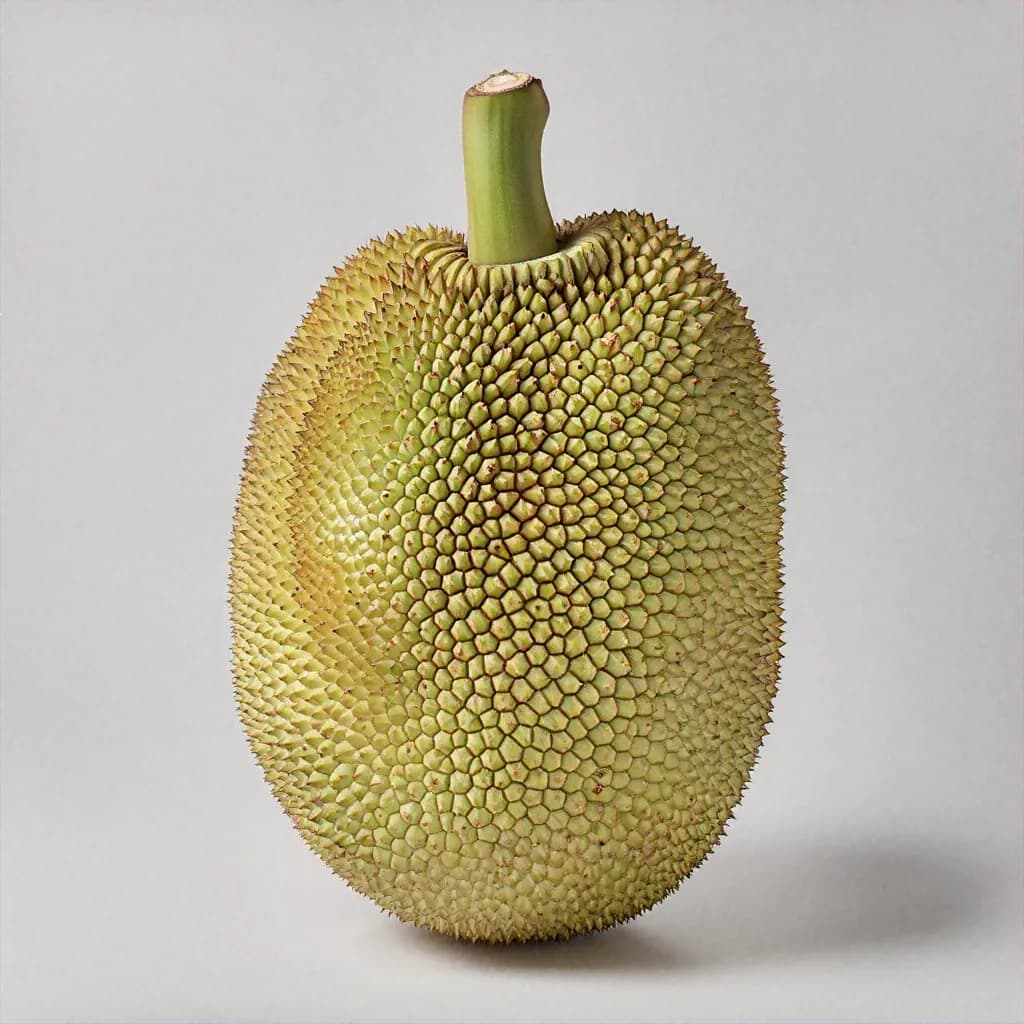
Artocarpus heterophyllus
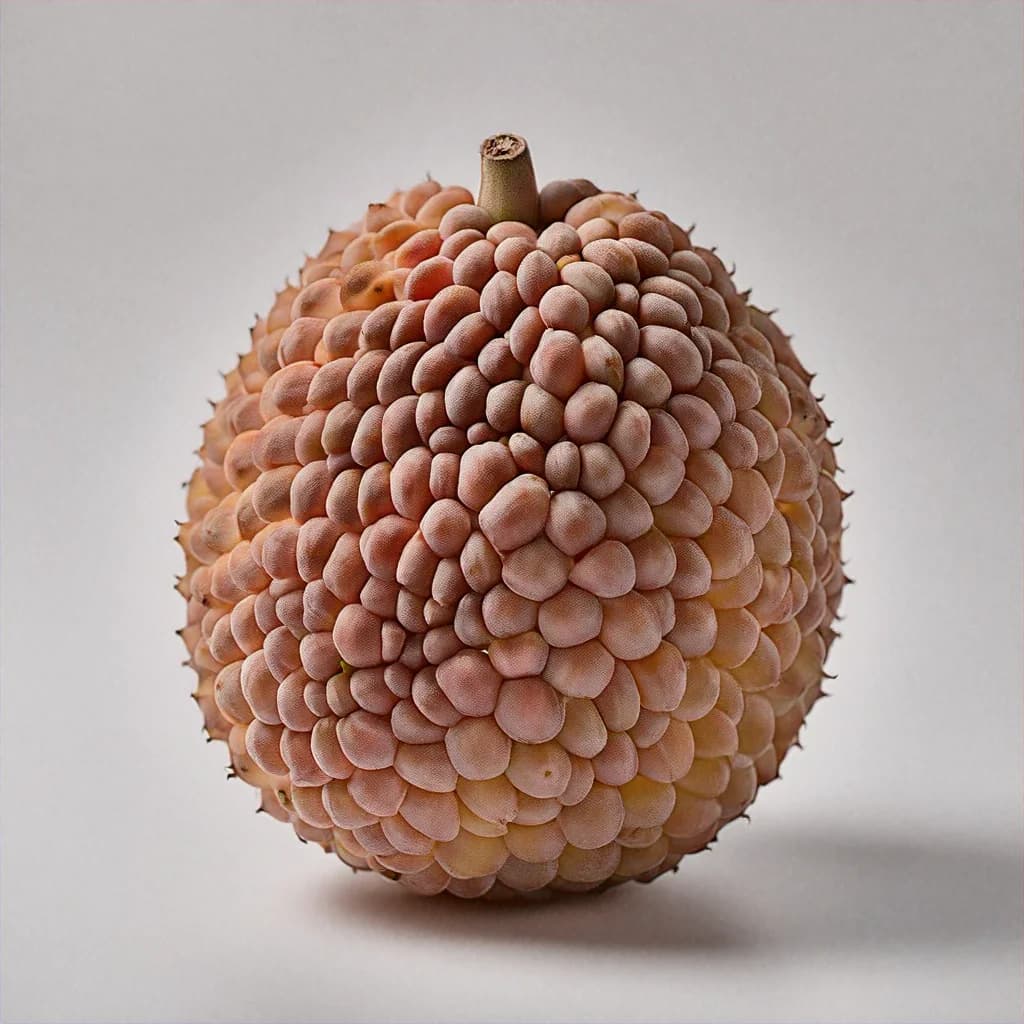
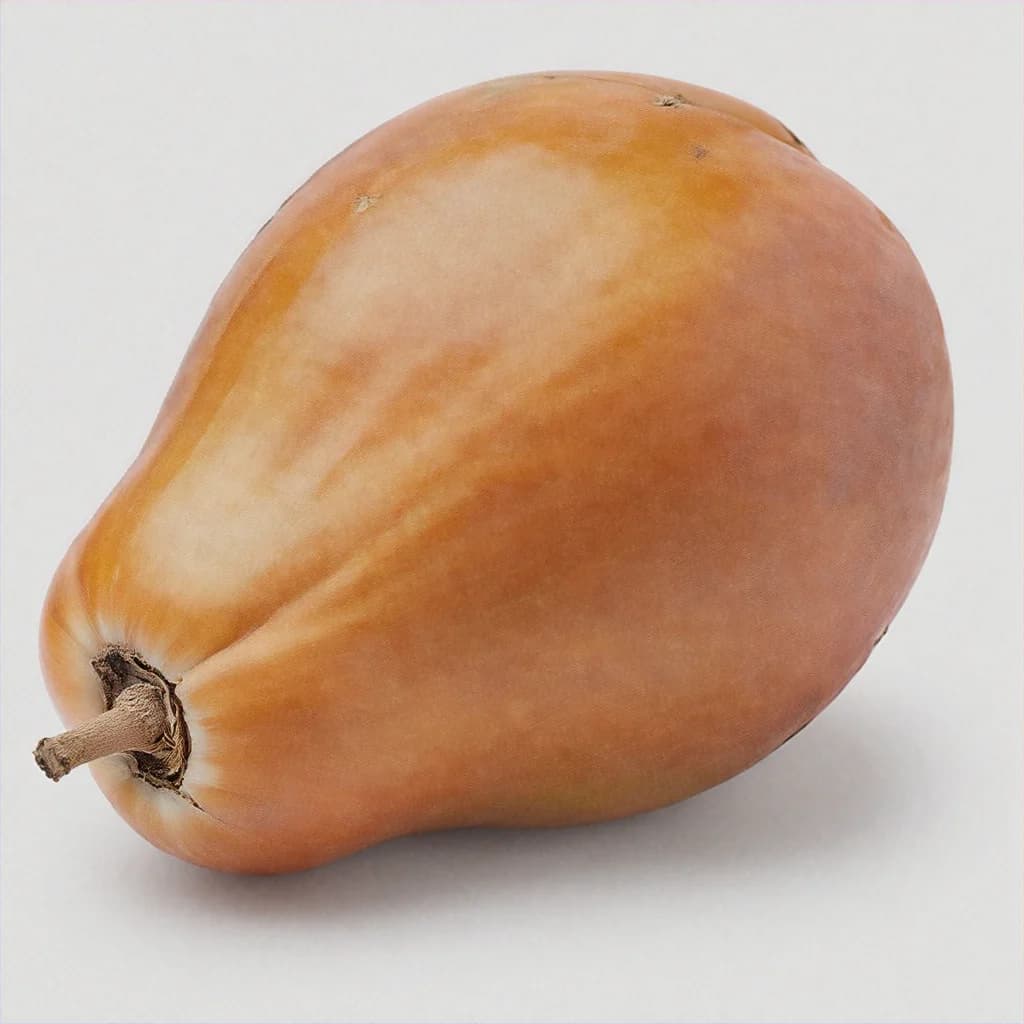
Jackfruit is colossal, exotic tropical fruit renowned as world's largest tree fruit, reaching up to 80 pounds and 3 feet long with bumpy, knobby golden-green exterior resembling armored medieval weapon. These impressive fruits, native to South Asia (particularly India, Bangladesh, Indonesia), offer dual culinary identity - immature unripe jackfruit provides meaty, fiber-rich texture ideal for savory applications (particularly vegan meat substitute prized in plant-based cuisine), while ripe sweet jackfruit delivers custard-like creamy segments tasting of mango, pineapple, and banana with subtle floral notes. The massive fruit contains numerous seed compartments encased in thick rind, each compartment holding seeds surrounded by edible aromatic flesh. Jackfruit's versatility extends from culinary adaptability to nutritional richness - excellent fiber content (especially unripe), substantial carbohydrates, and diverse micronutrients including vitamin C, vitamin B6, potassium, and manganese. The fruit's sustainability advantage includes thriving in tropical climates with minimal chemical inputs, perennial tree with 30+ year productive lifespan, and seeds also edible when roasted. Jackfruit represents superfood combining culinary flexibility, nutritional value, and environmental sustainability while introducing international food culture and culinary innovation to global audiences discovering this remarkable tropical treasure.
Explore Jackfruit in stunning detail
Jackfruit - Main View
Per 100g
Per 100g
Nutrition breakdown for one serving
South Asia, particularly Western Ghats region of India
Jackfruit originates from South Asian Western Ghats region (India/Bangladesh border), where wild trees still grow. Archaeological and textual evidence suggests cultivation for over 3,000 years in South Asia. Early Sanskrit literature mentions jackfruit, and fruit appears in Indian artwork and religious texts. Hindu and Buddhist traditions reference jackfruit's significance. The fruit spread throughout Southeast Asia via trade routes and cultivation, becoming culturally important throughout tropical Asia. Jackfruit appears in Thai, Indonesian, Philippine, and Vietnamese cuisines as traditional ingredient. Portuguese traders documented jackfruit in 16th century, facilitating spread to Africa and Americas. Jackfruit reached Brazil in 18th century where it became established in tropical regions. Today, India remains world's largest producer and consumer, with jackfruit deeply integrated into Indian cuisine and culture. In recent decades, jackfruit gained international recognition as plant-based meat substitute (particularly in vegan/vegetarian cuisine), sustainability champion (perennial tree, minimal inputs, multiple uses), and nutritional superfruit. Western culinary rediscovery has propelled jackfruit from regional specialty to trendy global ingredient, with increasing cultivation in suitable climates worldwide and recognition in health-conscious cuisine.
Year-round in tropical regions (peak: summer and early fall)
Each variety offers unique flavors, textures, and culinary applications
Keep your fruit fresh and delicious for longer
Whole jackfruits are extremely large (up to 80+ pounds) - most consumers buy pre-cut packaged fruit
For packaged fresh jackfruit: Choose pieces labeled 'ripe' for sweet eating or 'unripe/green' for savory cooking
Ripe packaged jackfruit should appear golden-yellow to cream-colored
Unripe packaged jackfruit should be pale greenish-white or cream-colored
Smell jackfruit pieces if possible - ripe should have sweet, pleasant tropical aroma
Avoid darkened, bruised, or moldy-looking pieces
For whole jackfruits (if available): Choose fragrant fruits with sweet aroma
Whole ripe jackfruits yield to gentle pressure and emit strong sweet fragrance
Whole unripe jackfruits are harder and have minimal aroma
Canned and frozen jackfruit: Check ingredient labels - choose varieties without added sugar for unripe products
Fresh ripe jackfruit pieces keep refrigerated 3-5 days in airtight container
Unripe jackfruit keeps refrigerated 5-7 days
Jackfruit has pungent aroma - store in sealed containers to prevent odor from spreading in refrigerator
Freeze fresh jackfruit for 6-8 months - works well for cooking applications, texture less ideal for fresh eating
Flash freeze on baking sheet before bagging to prevent clumping
Canned jackfruit in brine or syrup keeps unopened 2+ years
Frozen jackfruit works perfectly for cooking, curries, vegan recipes, and baking
Whole fresh jackfruits keep at room temperature 2-3 weeks before ripening
Once ripe, whole jackfruits should be refrigerated and used within 1-2 weeks
Preserve freshness for months
Fresh jackfruit freezes well for 6-8 months
Flash freeze pieces on baking sheet before bagging
Frozen jackfruit works excellently for cooking, curries, soups, and vegan recipes
Use directly from freezer for cooking - no need to thaw
Thawed jackfruit becomes softer - not ideal for fresh eating but perfect for processing
Consider pureeing before freezing for smoothies or sauces
Canned jackfruit can be frozen 12+ months for extended storage
Label frozen items with the date to track freshness. Most fruits maintain quality for 2-3 months when properly frozen. For best results, use airtight containers or freezer bags to prevent freezer burn.
Discover delicious possibilities
Jackfruit allergies are relatively uncommon but documented, particularly in individuals with existing tree pollen or latex allergies. Allergic reactions to jackfruit typically present as oral allergy syndrome - itching, tingling, or swelling of mouth, lips, tongue, and throat after consuming fresh jackfruit, particularly in people with birch pollen allergies due to cross-reactive proteins. Some individuals experience generalized allergic reactions including hives, urticaria, skin rashes, or gastrointestinal symptoms. Severe reactions including respiratory symptoms are rare but documented. LATEX-FRUIT SYNDROME: Jackfruit may show cross-reactivity in individuals with latex allergies due to similar proteins (Hevea latex and jackfruit both contain certain proteins). Individuals with known latex allergies should approach jackfruit cautiously. FODMAP SENSITIVITY: Jackfruit contains fructose and other FODMAPs that may bother individuals with FODMAP sensitivity or IBS, though data is limited. SEED CONCERNS: Whole undigested jackfruit seeds could potentially cause blockage if consumed in large quantities, particularly in young children - seeds should be removed before giving to children.
Conventionally grown jackfruit in commercial tropical orchards may have pesticide residues, though data is limited compared to temperate fruits. Jackfruit trees are generally hardy and resistant to many pests limiting need for heavy pesticide application compared to some crops. However, some fungal diseases and pests may require management in commercial production. Proper washing: Rinse jackfruit pieces gently under cool running water, wipe with clean cloth. The thick rind of whole fruit provides natural protection. Organic jackfruit is becoming increasingly available and eliminates synthetic pesticide concerns. Supporting organic tropical fruit production promotes sustainable farming in developing regions. Source transparency is important - purchasing from known producers or fair-trade sources helps ensure quality and sustainable practices. Tropical jackfruit production in India, Bangladesh, and Southeast Asia generally operates with less intensive chemical use than temperate agriculture.
Surprising trivia you'll love!
Jackfruit is world's largest tree fruit - individual fruits can exceed 80 pounds and reach 3 feet long, weighing more than human head
Jackfruit trees can live 100+ years and remain productive throughout lifespan, providing exceptional sustainability for tropical agriculture
A single jackfruit tree can produce 100-200 fruits annually under optimal conditions - extraordinary yield from one tree
Bangladesh adopted jackfruit as national fruit in recognition of cultural and nutritional importance to population
Jackfruit is considered 'superfood for tropical climate' - thriving with minimal chemical inputs, supporting food security in developing regions
Kerala, India's jackfruit heartland, celebrates jackfruit season with festivals and treats - jackfruit chips are regional specialty snack
Vegan and plant-based food movement rediscovery of jackfruit in 2010s-2020s transformed ancient fruit into trendy global ingredient
Jackfruit seeds are roasted and served as snack in many South Asian and Southeast Asian countries - traditionally valued food
The sulfur compounds creating jackfruit's distinctive aroma are similar to compounds in aged cheeses and other fermented foods
Jackfruit holds significance in Hindu and Buddhist traditions appearing in ancient texts, religious artwork, and spiritual symbolism
Jackfruit has distinctive pungent aroma that ranges from pleasantly sweet to intensely offensive depending on ripeness, individual perception, and cultural familiarity - it's one of most polarizing fruit smells. THE COMPOUNDS: Ripe jackfruit contains sulfur compounds (dimethyl disulfide, dimethyl trisulfide) and volatile organic compounds creating strong, distinctive aroma. These same compounds appear in cheeses, onions, and other pungent foods - not inherently bad, just intense. The aroma intensifies with ripeness. PERCEPTION VARIATION: Smell perception is highly subjective and culturally influenced. South Asians and Southeast Asians familiar with jackfruit find aroma pleasant and appetizing. First-time Western consumers often find it overwhelming or unpleasant - reactions range from "like old gym socks" to "onion-cheese blend" to "funky sweet smell." Neither perception is wrong - it reflects familiarity and individual olfactory sensitivity. RIPENESS FACTOR: Unripe jackfruit has minimal aroma. As fruit ripens, aroma intensifies dramatically. Very ripe jackfruit has strongest smell. The smell isn't from spoilage but from natural ripening biochemistry. PRACTICAL IMPLICATIONS: Fresh whole jackfruit in kitchen creates strong, pervasive aroma. Packaged pre-cut jackfruit has moderate aroma when sealed. Cooking jackfruit can intensify aroma in cooking area. This is why some cultures suggest cooking jackfruit outdoors. ADAPTATION: Most people who consume jackfruit regularly become accustomed to aroma and learn to appreciate it as sign of ripeness and quality. The smell becomes associated with delicious eating experience rather than something unpleasant. COMPARISON: Similar to how durian (another tropical fruit) is infamous for smell - what seems offensive becomes normal with exposure. SOLUTION: If aroma bothers you, unripe jackfruit has minimal smell and is ideal for savory cooking where aroma isn't prominent issue. Store sealed in refrigerator to minimize aroma spread.
Eating jackfruit differs significantly based on ripeness and form - packaged vs whole fruit - but basic process is straightforward. RIPE JACKFRUIT (Fresh or Packaged): Cut ripe jackfruit into manageable pieces if working with whole fruit (requires sharp knife and significant effort). Locate seed compartments (natural divisions in flesh). Remove individual arils (seed pods) - each compartment contains central seed surrounded by creamy flesh. Discard central seed (though you can roast seeds separately) and eat surrounding flesh. Flavor resembles mango-pineapple-banana with floral notes. Flesh is custardy and soft. Can eat plain, add to yogurt, use in desserts, or blend into smoothies. UNRIPE JACKFRUIT (Cooking Use): For packaged unripe jackfruit, pieces are already separated and ready to use. Heat in curry, stir-fry, or other preparations - unripe jackfruit becomes tender when cooked and absorbs surrounding flavors. The stringy texture resembles pulled meat. For whole unripe jackfruit (rare), requires significant effort to cut and separate - usually not recommended for home cooks. SEEDS: Jackfruit seeds can be roasted like nuts when removed from fresh fruit - boil briefly, dry, then roast until crispy. They're edible but small relative to effort required. PREPARATION TIPS: Use packaged jackfruit (fresh, frozen, or canned) for convenience - significantly easier than whole fruit. Whole raw jackfruit is extremely labor-intensive and requires sharp knives. Most home cooks should buy pre-cut or packaged versions. Ripe jackfruit is sticky - wash hands well after eating. For fresh ripe jackfruit, cutting board and sharp knife help. Wear apron or old clothes - sticky residue can stain. For packaged products, follow package instructions. CULTURAL APPROACH: In South Asian and Southeast Asian home cooking, jackfruit preparation is skilled task developed through practice. Most Western cooks benefit from purchasing pre-prepared jackfruit.
Ripe and unripe jackfruit are dramatically different products suited to completely different culinary purposes - they're almost like two different fruits. RIPE JACKFRUIT: Fully ripened jackfruit (golden-yellow color, sweet fragrance) is dessert fruit with creamy, sweet flesh. Flavor resembles combination of mango, pineapple, banana, and subtle floral notes. Flesh is soft, custardy, sweet, and eaten fresh or used in desserts. Texture is jammy and delicate. Natural ripeness brings high sugar content (30.6g sugar per 160g serving) and lower fiber. Ripe jackfruit is eaten as fresh fruit, blended into smoothies, mixed with yogurt, or incorporated into desserts. Preparation: Simply remove arils (seed compartments), eat flesh, discard seeds. Taste experience is sweet, fruity, indulgent. Nutritional profile emphasizes carbohydrates and natural sugars with moderate fiber. UNRIPE JACKFRUIT: Green, pale-colored underripe jackfruit is cooked vegetable with meaty, fiber-rich texture. Taste is neutral, bland, not sweet. Texture is stringy, fibrous, somewhat tough until cooked, resembling pulled meat - this is why it's prized as vegan meat substitute. Unripe jackfruit absorbs surrounding flavors excellently, making it ideal for curries, stir-fries, and savory preparations. Fiber content remains high (2.5g per 100g) while sugar stays low, creating different nutritional profile than ripe jackfruit. Unripe jackfruit requires cooking to become tender and palatable. Preparation: Use pre-cut packaged unripe jackfruit (significantly easier than whole fruit), shred or break into smaller pieces during cooking, incorporate into curries or savory dishes, and allow cooking to tenderize and flavor the jackfruit. CULINARY APPLICATIONS: Ripe = desserts, fresh eating, smoothies, sweet preparations. Unripe = vegan meat replacement, curries, stir-fries, savory applications, pulled jackfruit sandwiches. FLAVOR: Ripe = sweet, fruity, complex. Unripe = neutral, absorbs added flavors. TEXTURE: Ripe = soft, creamy, delicate. Unripe = stringy, fibrous, tough until cooked. SUBSTITUTABILITY: These cannot typically be substituted for each other - ripe jackfruit in savory preparations doesn't work well, and unripe jackfruit in desserts is inappropriate. PURCHASE LABELING: Packaged jackfruit is labeled 'ripe' or 'unripe' - read carefully to get intended product. VERDICT: They're fundamentally different products suited to different purposes. Understanding the distinction is essential for successful jackfruit cooking.
Yes, unripe jackfruit is excellent vegan meat replacement and has become extremely popular in plant-based cuisine for specific reasons. WHY JACKFRUIT WORKS AS MEAT SUBSTITUTE: Unripe jackfruit has stringy, fibrous texture that closely resembles pulled or shredded meat after cooking. When cooked in sauce or seasoning, the texture and appearance mimic pulled pork, shredded chicken, or other meat preparations. The neutral, bland flavor absorbs surrounding seasoning excellently - jackfruit takes on characteristics of sauce and cooking ingredients. Nutritionally, unripe jackfruit provides protein (1.5g per 100g) and substantial fiber (2.5g per 100g) more aligned with whole foods than processed vegan meats. ADVANTAGES OVER PROCESSED VEGAN MEATS: Whole food rather than processed product, lower in sodium and additives compared to commercial meat substitutes, higher in fiber than many plant-based alternatives, contains natural vitamins and minerals, versatile across cuisines and preparations, significantly cheaper than many commercial vegan meats, and increasingly available in regular supermarkets. LIMITATIONS: Protein content is moderate (not as high as legumes or processed vegan meats), texture isn't perfect meat substitute (still distinctly vegetable-based), some recipes work better than others (pulled "pork" style more successful than ground meat texture), and requires proper seasoning and sauce to achieve meat-like eating experience. BEST APPLICATIONS: Pulled jackfruit tacos (excellent and very popular), jackfruit curry (traditional preparation, works beautifully), jackfruit stir-fry (works well), jackfruit 'pulled pork' sandwiches (becoming common), jackfruit rice bowls (good application), jackfruit nachos or toppings, and any preparation where shredded meat texture is desired. LESS SUCCESSFUL: Ground meat applications, meat alternatives requiring firm shape maintenance, applications relying heavily on protein density. PREPARATION: Use packaged unripe jackfruit, cook in sauce or seasoning 15-20 minutes, shred or break into pulled texture, incorporate into desired recipe. The cooking time allows flavors to develop and jackfruit to become tender. MARKET REALITY: Major vegan and health-conscious restaurants now feature jackfruit preparations. Commercial jackfruit meat products have emerged. Home cooks increasingly discover jackfruit as accessible, affordable vegan protein. VERDICT: Jackfruit is legitimate, effective, whole-food meat alternative excellent for specific applications (pulled preparations) and very popular in plant-based cooking. It's not perfect universal substitute but works exceptionally well for particular uses.
Yes, ripe jackfruit can absolutely be eaten fresh and is delicious as fresh fruit - it's primary use in many cultures. RIPENESS REQUIREMENT: Only RIPE jackfruit should be eaten fresh. Unripe jackfruit is bland, tough, and unappealing fresh - it requires cooking. Ripe jackfruit is creamy, sweet, and naturally pleasant. FRESH EATING EXPERIENCE: Fresh ripe jackfruit arils (seed compartments) have custardy, sweet flesh resembling mango or custard. Flavor is fruity with notes of mango, pineapple, banana, and subtle floral qualities. Texture is soft, delicate, slightly sticky. Eating experience is indulgent and pleasurable. The fruit is naturally sweet without requiring added sugar. PREPARATION: Remove arils from whole fruit (labor-intensive) or purchase pre-cut packaged ripe jackfruit (much easier). Pop individual arils into mouth like grapes, discard central seed, enjoy flesh. Very simple eating process once you have arils extracted. ADVANTAGES: Fresh ripe jackfruit contains important vitamin B6, copper, potassium, and moderate fiber. It's whole food with no processing. Provides hydration (73% water). Calorie content is moderate (95 per 100g, 152 per cup). PRACTICAL CONSIDERATIONS: Whole fresh jackfruits are extremely large and labor-intensive to process - most home cooks prefer packaged pre-cut ripe jackfruit. Fresh packaged ripe jackfruit keeps 3-5 days refrigerated. The fruit has pungent but pleasant aroma when ripe. CULTURAL NORMALITY: Fresh ripe jackfruit consumption is completely normal and common in South Asia, Southeast Asia, and increasingly globally. It's not exotic or unusual way to eat jackfruit - it's traditional primary use. VARIATIONS: Fresh ripe jackfruit can be eaten plain, chilled before eating, mixed with yogurt, blended into smoothies, or incorporated into fruit salads. VERDICT: Ripe jackfruit is absolutely delicious fresh fruit. Most Western consumers should purchase packaged pre-cut ripe jackfruit for convenience and optimal experience.
Yes, jackfruit seeds are edible, nutritious, and traditionally consumed, though the seeds are small relative to effort required. SEED LOCATION: Each arils (seed compartment) in fresh jackfruit contains central seed surrounded by flesh. Seeds are roughly walnut or chestnut-sized but covered in tough hull that must be removed. PREPARATION: Jackfruit seeds are traditionally boiled briefly (10-15 minutes) to ease hull removal and ensure safety. After boiling, dry seeds in sun or oven until completely dry. Roast dried seeds in oven at 350°F until crispy (15-20 minutes) or on stovetop with stirring. Roasted seeds can be cracked open and kernel eaten like nuts, or seeds can be eaten whole if hull is thin. TASTE AND TEXTURE: Roasted jackfruit seeds have mild, pleasant nutty flavor resembling chestnuts or acorns. Texture is crispy when properly roasted. They're edible and tasty but laborious to process relative to quantity. NUTRITION: Jackfruit seeds contain protein, fiber, carbohydrates, and minerals. They're nutritious whole food. However, seeds are labor-intensive to process compared to eating fruit flesh. CULTURAL USE: In South Asia and Southeast Asia, jackfruit seeds are traditionally consumed and valued. However, in modern Western culinary context, seeds are usually discarded. PRACTICAL CONSIDERATIONS: Most home cooks discard seeds due to effort. If interested in trying seeds, boil, dry, and roast - the roasting process develops nutty flavor. For minimal effort, freeze whole seeds and roast directly from frozen. YIELD: Whole jackfruit yields numerous seeds but each seed is labor-intensive to prepare relative to kernel amount obtained. It's worthwhile if you're already processing whole jackfruit but not worthwhile as separate purchased product. AVAILABILITY: Packaged jackfruit seeds are becoming available commercially in some regions - this is much easier than processing them yourself. VERDICT: Jackfruit seeds are edible and nutritious but labor-intensive to process. They're worthwhile if traditionally consuming jackfruit and want to maximize use, but not essential.
Ripe jackfruit contains substantial natural sugars (19.1g per 100g, 30.6g per cup serving) - moderate to moderately high for fruit, though context matters significantly. SUGAR CONTENT COMPARISON: Fresh ripe jackfruit contains 19.1g sugar per 100g, which is moderate-to-high compared to common fruits: grapes (16.3g/100g), bananas (12.2g/100g), oranges (9.3g/100g), strawberries (7g/100g), berries (10-15g/100g). Jackfruit sugar is higher than many fresh fruits. PERCEPTION OF SWEETNESS: Ripe jackfruit tastes very sweet due to flavor complexity and high natural sugar content. It's genuinely sweet fruit - not a misconception. GLYCEMIC INDEX AND LOAD: Jackfruit has glycemic index of 50 (moderate) and glycemic load of 12 (moderate). This means it has moderate blood sugar impact - not extreme but noticeable. FIBER FACTOR: Jackfruit contains 1.5g fiber per 100g (8% per serving) which moderates blood sugar impact. The fiber slows sugar absorption somewhat though total fiber isn't exceptional. NET CARBOHYDRATES: Accounting for fiber, net carbohydrates are still substantial. DIABETIC CONSIDERATIONS: Diabetics should consume ripe jackfruit in moderation. A standard serving (160g cup) contains 37g total carbohydrates and 30.6g sugar - significant portion of daily carbohydrate allowance. Portion control is essential. UNRIPE JACKFRUIT DIFFERENCE: Unripe jackfruit contains much lower sugar (minimal, under 5g per 100g) making it appropriate for all diets. The sugar content is fundamentally different between ripe and unripe. CALORIC CONTEXT: At 95 calories per 100g, ripe jackfruit is moderate-calorie fruit - not high-calorie but not low either. The sugar contributes significantly to calorie content. VERDICT: Ripe jackfruit is moderately high in natural sugar. It's not extremely high-sugar fruit but it's sweetness is significant and noticeable. Diabetics should practice portion control. Unripe jackfruit is much lower in sugar. From general population perspective, whole fruit consumption in reasonable portions is fine, but those monitoring sugar intake should be aware of content.
Yes, dogs can safely eat ripe jackfruit in very small amounts as occasional treat - it's non-toxic and offers some nutritional value, though several considerations apply. SAFETY: Ripe jackfruit flesh is non-toxic to dogs - no compounds are harmful. Unripe jackfruit is also non-toxic but not appropriate for dogs (tough, unpleasant texture). Both are safe from toxicity standpoint but aren't ideal dog foods. BENEFITS: Jackfruit provides vitamin C for immune support, vitamin B6 for nervous system health, moderate fiber for digestive function, and hydration from high water content. Small amounts offer some nutritional value. CONCERNS: SUGAR CONTENT: Ripe jackfruit contains substantial natural sugar (19.1g per 100g). Excessive sugar contributes to obesity, dental problems, and diabetes risk - significant canine health concerns. Dogs shouldn't consume sugary foods regularly. HIGH FIBER: While fiber can support digestive health, excessive fiber can cause gas, bloating, diarrhea, or digestive upset, particularly in dogs with sensitive systems. Unripe jackfruit is higher in fiber making it more problematic. DIGESTIVE UPSET: The combination of high sugar and fiber can cause digestive disturbance in sensitive dogs. Start with tiny amounts to test tolerance. CHOKING HAZARD: Fresh jackfruit pieces can pose choking risk for small dogs or dogs that gulp food without chewing. The sticky texture could be problematic. STICKY RESIDUE: Jackfruit is sticky - residue can stick to fur, face, and between teeth. This isn't toxic but can be messy and uncomfortable. PORTION GUIDELINES: Small dogs (under 20 lbs): 1-2 small pieces (about 10-15g, 10-15 calories) maximum. Medium dogs (20-50 lbs): 2-4 small pieces (about 30-40g, 30-40 calories) maximum. Large dogs (over 50 lbs): 3-6 small pieces (about 50-60g, 50-60 calories) maximum. Frequency: No more than 2-3 times per month as very occasional treat. PREPARATION: Choose ripe fruit (sweeter, safer than tough unripe), remove all seeds (potential choking hazard), cut into tiny pieces for small dogs, introduce gradually with small amount to test tolerance, and never feed unripe jackfruit (inappropriate texture and taste for dogs). WHEN TO AVOID: Dogs with diabetes should avoid due to high sugar content. Overweight dogs should have minimal or no jackfruit. Dogs with sensitive digestive systems should avoid or minimize. Dogs with history of pancreatitis should avoid sweet, high-sugar foods. Puppies should avoid until mature. BETTER ALTERNATIVES: Safer dog-friendly fruits include blueberries, watermelon (seedless), apple slices (no seeds), bananas (moderation), and pumpkin - all lower in sugar and safer choices. BOTTOM LINE: Ripe jackfruit is safe but not ideal dog treat. It's not toxic but contains excessive sugar making it inappropriate for regular feeding. If you choose to offer jackfruit, do so very sparingly as rare special treat with proper precautions. Many better fruit options exist for dogs.
Sustainability insights
Jackfruit cultivation represents highly sustainable agricultural model with exceptional environmental advantages. Benefits include perennial tree with 30+ year productive lifespan eliminating annual replanting and reducing soil disturbance, prolific production (100-200+ fruits per tree annually) providing exceptional yield efficiency, thriving in tropical climates with minimal chemical inputs, deep-rooting systems preventing soil erosion and improving soil structure, multiple uses (fruit, seeds, leaves for livestock feed), supporting biodiversity through providing food for wildlife, minimal refrigeration requirements compared to many fruits, and integration into traditional agroforestry systems. Jackfruit agriculture represents food security solution for tropical developing regions - reliable, productive, low-input cultivation. Modern sustainability practices include organic jackfruit production, integrated pest management reducing chemical inputs, waste utilization (leaves, seeds, fruit processing byproducts), and support for small-scale farmers cultivating traditional trees. Challenges are minimal - occasional pests and diseases may require management, but overall environmental footprint is exceptionally low.
Jackfruit carbon footprint is relatively low for tropical fruit due to perennial cultivation, high yield, minimal processing for fresh consumption, and efficient regional distribution. Fresh whole jackfruit requires minimal processing - carbon footprint is primarily from cultivation and transportation. Unripe packaged jackfruit involves minimal processing (cutting, packaging) - energy use remains moderate. The perennial nature means no annual planting fuel costs - trees produce for decades from single establishment. Regional distribution within tropical Asia (primary consumption area) minimizes transportation carbon. Long-distance export of packaged jackfruit involves more carbon than regional consumption but still reasonable for fruit category. Per-serving carbon impact is low - jackfruit provides substantial nutrition and calories relative to growing resources. Supporting local jackfruit consumption in tropical regions minimizes carbon footprint. For Western consumers, frozen or canned jackfruit allows year-round access with reasonable carbon profile compared to long-distance fresh transport. To minimize carbon footprint: Purchase locally during season if in tropical regions, choose frozen/canned jackfruit for off-season access, buy from known sustainable producers, and appreciate jackfruit's role in sustainable tropical agriculture.
Jackfruit cultivation requires moderate water with water footprint approximately 500-800 liters per kilogram - moderate compared to water-intensive crops (almonds 4,000+ liters/kg, avocados 1,000+ liters/kg) and lower than many tropical fruits. Mature jackfruit trees develop deep root systems allowing good drought tolerance once established, though young trees require consistent irrigation during establishment. Traditional cultivation in high-rainfall tropical regions minimizes supplemental irrigation. Modern commercial orchards optimize water use through efficient irrigation: Drip systems with 90%+ efficiency, soil moisture monitoring, mulching conserving soil moisture, and timing irrigation to critical growth periods. Jackfruit trees are significantly more water-efficient than many temperate and tropical fruits making them sustainable choice for tropical agriculture. Climate change impacts including altered rainfall patterns may affect production in some regions but overall water profile remains favorable.
Supporting local jackfruit maximizes sustainability, freshness, and economic impact in tropical producing regions. India, Bangladesh, Indonesia, Thailand, and other tropical countries represent natural jackfruit-growing regions where cultivation is integral to agriculture and culture. For residents in tropical regions, jackfruit represents local seasonal fruit with minimal transportation carbon. For non-tropical consumers, packaged jackfruit from major producing regions (India, Bangladesh, Indonesia) represents more sustainable option than seeking fresh jackfruit (impractical due to size, weight, perishability). Frozen jackfruit allows year-round access with reasonable carbon profile. Supporting tropical producer regions through jackfruit purchases supports farmer livelihoods and sustainable agriculture in developing economies. Fair-trade and organic jackfruit products ensure ethical sourcing. BEST PRACTICES: Prioritize fresh local jackfruit if in tropical region, purchase frozen or canned jackfruit from major producing regions for non-tropical consumption, choose organic and fair-trade when available, support small-scale tropical farmers and producers, and recognize jackfruit's role in sustainable tropical food systems.
We aim to keep this Jackfruit profile accurate and easy to understand. Nutrition values and % Daily Value figures are based on established reference databases and standard daily value guidance.
Last updated: September 8, 2026
Medical disclaimer
This page is for general educational purposes and does not replace professional medical advice.
Found an issue? Contact us.