Loading Fruit Details...
Please wait while we fetch nutritional information and health benefits
Please wait while we fetch nutritional information and health benefits
Recommended Products
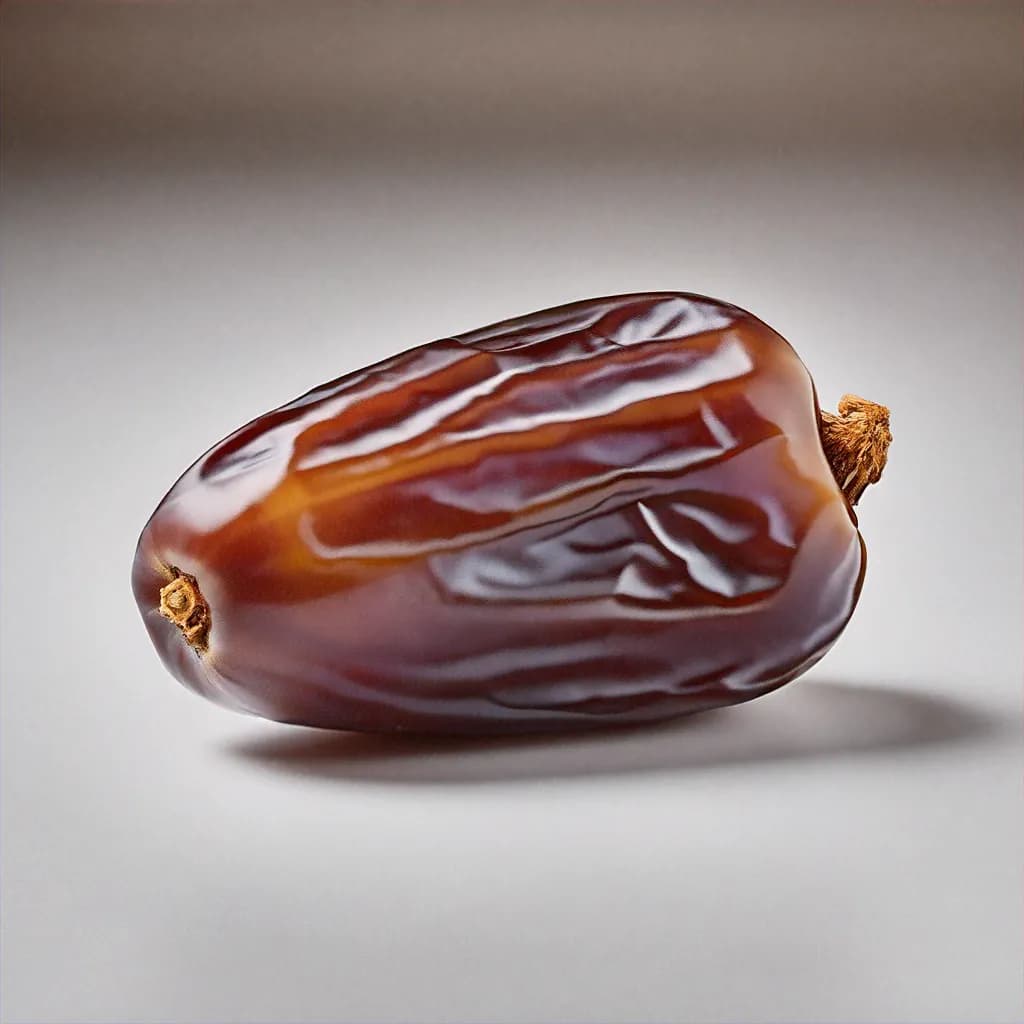
Phoenix dactylifera
Dates are sweet, chewy fruits from the date palm tree, one of humanity's oldest cultivated foods with over 7,000 years of history in Middle Eastern and North African regions. These nutrient-dense fruits offer naturally concentrated sweetness, making them nature's candy with remarkable health benefits. Rich in natural sugars (primarily glucose, fructose, and sucrose), dates provide quick, sustained energy while delivering impressive nutritional profile including fiber (20% DV per 100g), potassium (20% DV), magnesium (13% DV), and vitamin B6 (12% DV). The chewy, caramel-like texture and complex sweet flavor with hints of honey, toffee, and brown sugar make dates versatile ingredient for both sweet and savory applications. Available in numerous varieties from soft Medjool ("king of dates") to semi-dry Deglet Noor, dates serve as natural sweetener, energy booster, and wholesome snack. Despite high natural sugar content (66-75g per 100g), dates offer low glycemic index (42) and substantial fiber, moderating blood sugar impact. Ancient superfood revered in Middle Eastern, Mediterranean, and Islamic cultures, dates provide concentrated nutrition, antioxidants, and minerals supporting digestive health, heart function, bone strength, and energy metabolism.
Explore Dates in stunning detail
Dates - Main View
Per 100g
Per 100g
Nutrition breakdown for one serving
Middle East, particularly Persian Gulf region and Mesopotamia
Dates rank among humanity's oldest cultivated crops with archaeological evidence dating cultivation to 7000-6000 BCE in Mesopotamia (modern Iraq) and ancient Arabia. The date palm (Phoenix dactylifera) holds profound historical, cultural, and religious significance across Middle Eastern, North African, and Mediterranean civilizations. Ancient Mesopotamians cultivated dates extensively, with cuneiform tablets documenting date cultivation techniques, varieties, and economic importance. Dates were dietary staple providing concentrated nutrition and energy in harsh desert climates where few crops thrived. The date palm's remarkable drought tolerance and ability to produce abundant fruit in extreme heat made it essential for survival and prosperity. Ancient Egyptians revered dates, depicted extensively in tomb paintings and hieroglyphics. Dates were offered to gods, consumed by pharaohs, and included in burial provisions. Egyptian date wine and honey (made from dates) were prized commodities. The palm symbolized fertility and eternal life. Throughout ancient world, dates were traded commodity. Phoenician merchants spread date cultivation across Mediterranean. Greeks and Romans imported dates as luxury food. Alexander the Great's armies encountered dates in Persian conquests. Islamic tradition elevated dates to sacred status. Prophet Muhammad reportedly broke fasts with dates, establishing religious custom that continues during Ramadan. The Quran mentions dates and palms repeatedly, emphasizing their blessing. Islamic expansion spread date cultivation across North Africa, Spain, and beyond. Medieval Arab agricultural texts documented sophisticated date palm cultivation, pollination techniques, and variety selection. Dates reached Americas through Spanish colonization. In 1890s-early 1900s, USDA imported date offshoots from Iraq, Algeria, and Morocco to California and Arizona, establishing American date industry in Coachella Valley and Yuma region. These hot, arid regions proved ideal. Today, dates remain culturally significant in Middle East and North Africa while gaining recognition worldwide as nutritious superfood and natural sweetener.
Year-round availability (dried), fresh dates seasonal (late summer to fall)
Each variety offers unique flavors, textures, and culinary applications
Keep your fruit fresh and delicious for longer
Select dates that are plump, glossy, and slightly wrinkled - avoid overly shriveled or hard dates
Fresh dates should have smooth, unblemished skin without cracks, mold, or crystallized sugar on surface
Choose dates with rich, even color - avoid dates with dark spots or discoloration indicating spoilage
Medjool dates should be large, soft, and moist with deep brown color
Deglet Noor dates are firmer with translucent golden-amber appearance
Check packaging for added sugars or preservatives - quality dates need no additives
For fresh dates (in season), look for slight firmness with give when gently pressed
Avoid dates that smell fermented, sour, or off - should have sweet, pleasant aroma
Purchase from reputable sources with good turnover to ensure freshness
Pitted dates offer convenience but check for pit fragments; unpitted dates have better texture
Store dates in airtight container to prevent moisture loss and protect from odors
Room temperature storage (cool, dark pantry) suitable for 1-2 months
Refrigeration extends shelf life to 6-12 months - dates remain soft and fresh
For long-term storage, dates can be frozen for 12-24 months without quality loss
Keep dates away from strong-smelling foods - absorb odors easily
If dates become too dry or hard, soften by microwaving briefly (15-20 seconds) or steaming
White coating on dates is natural sugar crystallization, not mold - perfectly safe to eat
Separate individual dates if they stick together during storage
Once opened, transfer dates from original packaging to sealed container
Fresh dates (seasonal) are more perishable - refrigerate and consume within 2-3 weeks
Preserve freshness for months
Dates freeze excellently for extended storage (12-24 months)
Freeze whole dates or chopped dates depending on intended use
Place dates in single layer on parchment-lined baking sheet and freeze until solid (1-2 hours)
Transfer frozen dates to freezer-safe bags or containers, removing excess air
Label with variety and date for organization
Frozen dates can be used directly in smoothies, baking, or energy balls without thawing
For fresh eating, thaw dates in refrigerator overnight or at room temperature for 30-60 minutes
Texture remains excellent after freezing - no significant quality loss
Freezing actually makes pitting easier if using unpitted dates
Consider freezing in portion sizes for convenience (e.g., smoothie portions, baking quantities)
Label frozen items with the date to track freshness. Most fruits maintain quality for 2-3 months when properly frozen. For best results, use airtight containers or freezer bags to prevent freezer burn.
Discover delicious possibilities
Date allergies are relatively uncommon but documented, particularly in regions with high date palm pollen exposure. Allergic reactions may range from mild oral symptoms to more severe responses. Symptoms can include oral allergy syndrome (OAS) - itching, tingling, or swelling of mouth, lips, tongue, and throat - especially in people with date palm pollen allergies or grass pollen sensitivities due to cross-reactive proteins. True date allergy can cause hives, skin rashes (contact dermatitis from handling dates), digestive upset (nausea, vomiting, diarrhea, abdominal cramps), respiratory symptoms (wheezing, nasal congestion, difficulty breathing, asthma exacerbation), or rarely, anaphylaxis. Cross-reactivity may occur with other palm family fruits, certain grasses and pollens, and possibly stone fruits or latex (limited evidence). Occupational allergies are documented among date palm workers and processors exposed to palm pollen, date dust, and handling dates extensively. Most date allergies involve pollen cross-reactivity rather than true fruit allergy. Date sulfites: Some commercially processed dates are treated with sulfites (sulfur dioxide) as preservatives to maintain color and extend shelf life. Individuals with sulfite sensitivity can experience allergic-type reactions including breathing difficulties, hives, or digestive issues. Check labels for "sulfites" or "sulfur dioxide" - choose unsulfured dates if sensitive. Dates are generally considered low-allergen food compared to tree nuts, peanuts, or shellfish. However, individuals with documented date allergies should avoid dates and date-derived products (date syrup, date sugar, date paste).
Conventionally grown dates may contain pesticide residues, though dates generally test lower for pesticide contamination compared to thin-skinned fruits like berries or stone fruits. Date palms are susceptible to various pests including date palm borers, mites, and scale insects, potentially requiring chemical management in commercial production. The thick skin provides some protection to flesh, but pesticides can still be present on surface. Proper washing protocol: Rinse dates thoroughly under running water, gently rubbing surface for 30 seconds. Pat dry with clean towel. This removes surface pesticides, dust, and contaminants. However, dates are often sold already cleaned and processed. The Environmental Working Group (EWG) doesn't specifically test dates in their Dirty Dozen/Clean Fifteen lists due to classification as dried fruit rather than fresh produce. Limited testing data exists. Organic dates are recommended for frequent consumers, pregnant women, children, and those minimizing pesticide exposure. Organic certification ensures no synthetic pesticides, fungicides, or chemical fertilizers were used. Supporting organic production promotes sustainable farming and protects date palm workers from pesticide exposure. Imported dates (from Middle East, North Africa) may have different pesticide regulations than U.S.-grown dates. California-grown dates from Coachella Valley generally follow strict U.S. standards. Sulfites: Beyond pesticides, be aware some conventional dates are treated with sulfites (sulfur dioxide) to preserve color and extend shelf life. These aren't pesticides but chemical preservatives. Sulfites must be declared on labels if concentration exceeds 10ppm. Choose unsulfured organic dates to avoid both pesticides and sulfite preservatives.
Surprising trivia you'll love!
Dates are among humanity's oldest cultivated crops with archaeological evidence dating to 7,000 years ago in Mesopotamia
A single date palm tree can live 100-200 years and produce 100-300 pounds of dates annually at maturity
Date palms are dioecious (separate male and female trees) - only female palms produce fruit, requiring one male tree per 50 females for pollination
Ancient Mesopotamians documented over 100 different uses for date palms including food, building materials, rope, baskets, and fuel
The Coachella Valley in California produces 90% of U.S. dates, with the date industry established by USDA imports in early 1900s
Prophet Muhammad reportedly broke his fasts with dates, establishing Islamic tradition of eating dates during Ramadan that continues today
Fresh Barhi dates at the yellow Khalal stage have crisp, apple-like texture - completely different from typical chewy dried dates
The term "having a date" (romantic engagement) likely originates from Middle Eastern custom of sharing dates during courtship
California's annual National Date Festival in Indio celebrates date harvest with Arabian Nights theme, camel races, and date shakes
Dates naturally contain all essential amino acids (though in small amounts), making them more protein-complete than most fruits
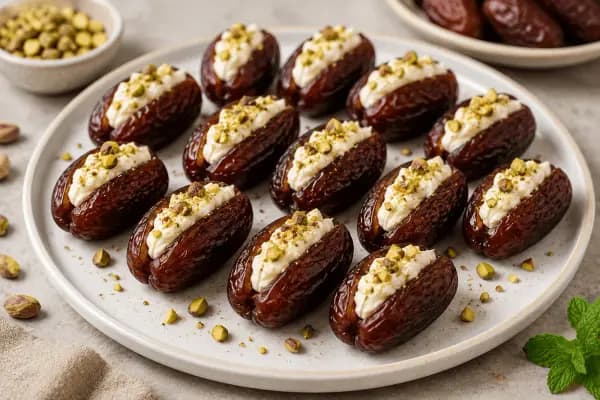
Medjool and Deglet Noor are the two most common date varieties, with significant differences in size, texture, sweetness, price, and uses. MEDJOOL DATES: Known as "King of Dates," Medjool dates are premium variety characterized by large size (1.5-2 inches long), very soft and moist texture, deep amber to dark brown color, and exceptionally sweet, rich, caramel-like flavor with complex notes. Fresh Medjool dates have tender, almost melting texture. They're significantly more expensive than Deglet Noor (often 2-3 times the price) due to labor-intensive cultivation, lower yields, and premium status. Best uses: Fresh eating as natural candy, stuffing with nuts or cheese, gourmet applications, gift giving, and recipes showcasing date flavor. Origin: Morocco originally, now grown in California, Israel, Jordan. DEGLET NOOR DATES: Translated as "Date of Light," Deglet Noor dates are smaller (about 1 inch), semi-dry with firmer, chewier texture, translucent golden-amber color when held to light, and sweet but more delicate, less intense flavor than Medjool. They're more affordable and widely available, accounting for majority of U.S. date production. Best uses: Baking, cooking, chopping for recipes, general purposes where texture and subtle sweetness work well. Origin: Algeria and Tunisia, now extensively grown in California's Coachella Valley and Arizona. NUTRITIONAL COMPARISON: Both varieties offer similar nutrition per weight - high fiber, potassium, natural sugars. Medjool dates are slightly higher in calories and sugars due to moisture content and larger size. Three Medjool dates (about 72g) = approximately 200 calories. Three Deglet Noor dates (about 84g due to smaller individual size) = approximately 232 calories. TEXTURE PREFERENCE: Medjool's soft, moist texture makes them preferred for fresh eating. Deglet Noor's firmer texture makes them ideal for cooking and baking where they hold shape better. Both are delicious - choice depends on intended use, budget, and personal preference for sweetness intensity and texture.
Dates present complex consideration for weight loss - they offer valuable nutrition and can support healthy eating, but portion control is absolutely critical due to high calorie and sugar density. CALORIE DENSITY CHALLENGE: Dates are very calorie-dense at 277 calories per 100g (about 66-70 calories per Medjool date). Just 3 Medjool dates contain approximately 200 calories and 48g natural sugars. Without mindful portions, dates can easily contribute excess calories undermining weight loss efforts. This is dates' primary weight loss concern. BENEFICIAL ASPECTS: Despite calorie density, dates offer several weight management benefits when consumed appropriately. HIGH FIBER (17% DV per 3-date serving): Promotes satiety, keeps you full longer, slows digestion, and reduces overall calorie intake by controlling hunger. Fiber supports digestive health during calorie restriction. NATURAL SWEETNESS: Dates satisfy sweet cravings healthily, potentially preventing consumption of processed sweets, candy, and refined sugar treats with empty calories and no nutrients. One or two dates can satisfy dessert craving with added fiber and minerals unlike cookies or candy. NUTRIENT DENSITY: Despite calories, dates provide potassium (11% DV), magnesium (9% DV), copper (29% DV), B vitamins, and antioxidants supporting overall health and energy during weight loss. This prevents nutrient deficiencies that derail weight loss. SUSTAINED ENERGY: Natural sugars provide quick energy for workouts and physical activity supporting active lifestyle crucial for weight loss. Athletes often use dates as pre-workout fuel. MODERATE GLYCEMIC INDEX (42): Despite high sugar content, dates have moderate GI due to fiber content, preventing extreme blood sugar spikes that trigger hunger and overeating. WEIGHT LOSS BEST PRACTICES: Limit to 1-2 dates per day as sweet treat or pre-workout energy, pair with protein (handful of almonds, Greek yogurt) for balanced snack preventing blood sugar swings, measure portions rather than eating from container, use dates to replace processed sugars in recipes (date paste in baking), account for date calories in daily intake, and avoid unlimited snacking on dates. The key is moderation - dates can absolutely fit into weight loss plan as nutritious sweet treat, but must be consumed mindfully in controlled portions. They're not low-calorie food but offer far superior nutrition compared to refined sugar alternatives.
Yes, compelling scientific research suggests eating dates during late pregnancy may promote easier labor, shorter labor duration, and reduced need for medical interventions. This traditional practice, common in Middle Eastern cultures for centuries, now has scientific backing. RESEARCH FINDINGS: Multiple studies demonstrate significant benefits. A landmark 2011 study published in Journal of Obstetrics and Gynaecology found women who consumed 6 dates daily for 4 weeks before due date had higher cervical dilation upon admission (3.5cm vs 2cm), significantly higher proportion of intact membranes (83% vs 60%), reduced need for labor induction and augmentation (28% vs 47%), and shorter first stage of labor. Subsequent studies confirmed similar results. 2017 study showed women eating dates had shorter labor duration and lower need for oxytocin to induce/augment labor. PROPOSED MECHANISMS: Dates may work through several pathways. Natural compounds in dates may have oxytocin-like effects stimulating uterine contractions. High natural sugars provide sustained energy for demanding labor process. Dates contain prostaglandin-like compounds potentially promoting cervical ripening. The fiber helps prevent constipation common in late pregnancy. RECOMMENDED PROTOCOL (based on research): Consume 6 dates (typically Medjool or Deglet Noor) daily starting at 36 weeks gestation (4 weeks before due date). Continue until labor begins. This matches successful study protocols. SAFETY: Dates are generally safe during pregnancy when consumed in recommended amounts. They provide excellent nutrition including fiber (preventing pregnancy constipation), potassium, folate, and iron. However, women with gestational diabetes should consult healthcare providers due to high natural sugar content. Dates have moderate GI (42) and fiber, but blood sugar monitoring may be necessary. IMPORTANT: While research is promising, dates should complement, not replace, standard prenatal care. Always discuss with healthcare provider, especially with high-risk pregnancies or gestational diabetes. Individual results vary. BEYOND PREGNANCY: Dates traditionally consumed postpartum in Middle Eastern cultures to restore energy, promote healing, and support milk production. High calorie and nutrient density supports recovery from childbirth demands.
Yes, diabetics can eat dates in moderation with careful portion control and blood sugar monitoring, though dates' high natural sugar content (66.5g per 100g) requires cautious approach. Dates offer surprising benefits for blood sugar management despite sweetness, but individualized decisions are essential. GLYCEMIC INDEX CONSIDERATION: Dates have moderate glycemic index (GI 42) - lower than white bread (75), white rice (73), and even whole wheat bread (69). This moderate GI means dates raise blood sugar more gradually than many common foods. The fiber content (6.7g per 100g) slows sugar absorption, preventing extreme spikes. Glycemic load (GL 31 per 100g) is moderately high due to concentrated carbohydrates, making portion size critical. BENEFICIAL ASPECTS: Beyond GI, dates offer diabetic-friendly benefits. HIGH FIBER (17% DV per 3-date serving): Slows glucose absorption, improves blood sugar control, and supports digestive health. Fiber is crucial for diabetic management. NUTRIENT DENSITY: Provides magnesium (9% DV) supporting insulin sensitivity and glucose metabolism, potassium for cardiovascular health (diabetes increases heart disease risk), antioxidants reducing oxidative stress elevated in diabetes, and B vitamins supporting energy metabolism. NATURAL WHOLE FOOD: Unlike refined sugars and processed sweets, dates contain fiber, minerals, and beneficial compounds. When diabetics choose dates over candy or cookies, they receive nutritional value with sweetness. PORTION CONTROL IS CRITICAL: This cannot be overstated. Diabetics should limit to 1-2 dates per serving maximum, never exceed 2-3 dates per day, pair dates with protein or healthy fat (nuts, nut butter, cheese) to further slow sugar absorption, account for carbohydrates in meal planning (3 Medjool dates = approximately 54g carbs), monitor blood glucose after consumption to understand individual response, and avoid eating dates on empty stomach. VARIETY CONSIDERATION: Some studies suggest certain varieties may be better for diabetics. Zahidi dates have lower sugar content than Medjool. Deglet Noor are firmer and may be digested more slowly than soft Medjool. INDIVIDUAL VARIATION: Glycemic response varies significantly between individuals. One diabetic may tolerate dates well while another experiences problematic blood sugar elevation. Blood glucose monitoring after consumption is essential. MEDICAL GUIDANCE: Diabetics should consult healthcare providers or registered dietitians before incorporating dates regularly. Medication adjustments may be necessary. Those with uncontrolled diabetes should be particularly cautious. The verdict: Dates can fit into diabetic diet as occasional treat in small, controlled portions with careful monitoring, but are not "free food" and require same caution as other concentrated carbohydrates.
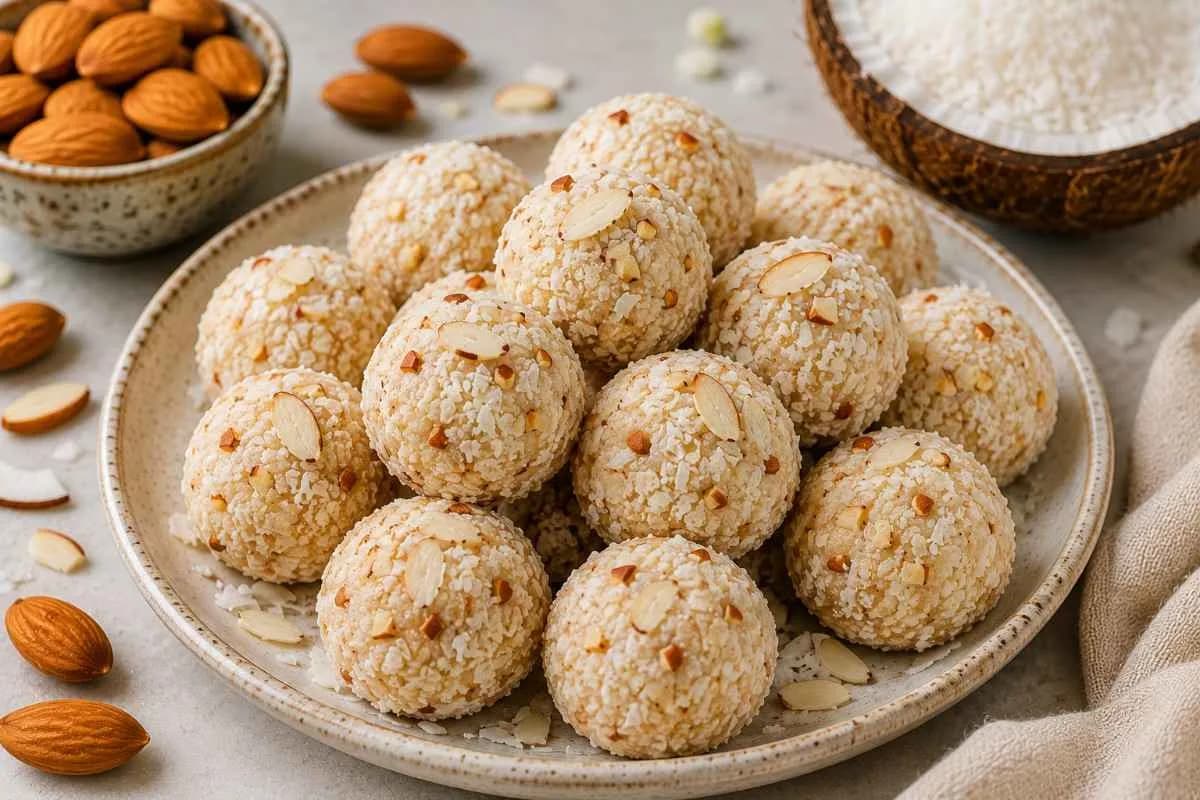
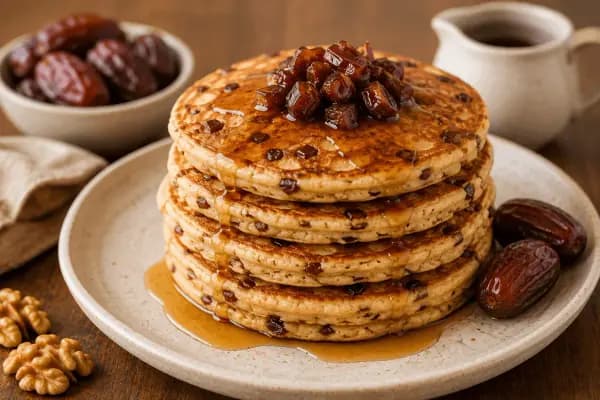
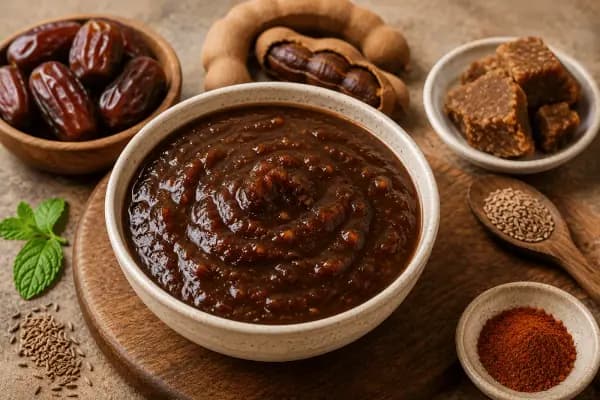
Date paste and date syrup are natural sweeteners made from whole dates, offering healthier alternatives to refined sugar in baking and cooking while retaining dates' fiber, minerals, and antioxidants. Both are easy to make at home with simple methods. DATE PASTE RECIPE: Ingredients: 2 cups pitted dates (Medjool or Deglet Noor) and 1-1.5 cups water (adjust for desired consistency). Method: Soak dates in hot water for 10-15 minutes until softened (skip if using fresh, soft Medjool dates). Drain dates, reserving soaking liquid. Place dates in food processor or high-powered blender. Add 1/2 cup water or reserved soaking liquid. Blend on high until completely smooth, scraping down sides as needed (2-3 minutes). Add more water gradually if paste is too thick - aim for thick, spreadable consistency like peanut butter. Taste and adjust - can add vanilla extract, cinnamon, or pinch of salt for enhanced flavor. Transfer to airtight glass jar. Refrigerate up to 2 weeks or freeze up to 3 months. USES: Replace sugar in baking (use 1 cup date paste for 1 cup sugar, reduce liquid in recipe by 1/4 cup), spread on toast, sweeten oatmeal and smoothies, or use in energy balls. DATE SYRUP RECIPE: Ingredients: 2 cups pitted dates and 3-4 cups water. Method: Combine dates and water in medium saucepan. Bring to boil, then reduce heat and simmer 20-30 minutes until dates are completely soft. Let cool slightly. Transfer dates and liquid to blender and blend until completely smooth. Strain mixture through fine-mesh sieve or cheesecloth to remove solids, pressing firmly to extract maximum liquid. The strained liquid is date syrup. For thicker syrup, return liquid to saucepan and simmer until reduced to desired consistency. Cool completely. Store in airtight glass jar in refrigerator up to 1 month. USES: Drizzle over pancakes, waffles, yogurt; sweeten beverages; glaze for roasted vegetables; salad dressing sweetener; or Middle Eastern cooking. NUTRITIONAL ADVANTAGE: Unlike refined sugar (empty calories), date paste and syrup retain dates' fiber (especially paste), minerals (potassium, magnesium, copper), antioxidants, and beneficial compounds. Date paste provides more nutrition than syrup since whole fruit is used. CONVERSION: Generally use same amount of date paste/syrup as sugar called for in recipes, but reduce other liquids slightly since dates add moisture. Experimentation may be needed for optimal results. Commercial date syrup (like silan) is available but homemade versions cost less and avoid additives.
The white coating or white spots on dates is natural sugar crystallization, not mold or contamination - completely safe and actually indicates high-quality dates with excellent natural sugar content. This phenomenon is normal and expected. WHAT IT IS: The white substance is crystallized glucose and fructose from dates' natural sugars migrating to the surface and solidifying. Dates contain 66-75% natural sugars. As dates age or experience temperature fluctuations, moisture evaporates slightly, causing dissolved sugars to move to surface where they crystallize into white deposits. The technical term is "sugar bloom" or "sugaring." WHEN IT OCCURS: Sugar crystallization happens most commonly with high-quality dates (especially Medjool) containing maximum natural sugars, dates stored in cool conditions (refrigeration encourages crystallization as sugars become less soluble), dates experiencing temperature changes (moving from cold to warm environments), and older dates as moisture gradually evaporates concentrating sugars. Fresh dates straight from harvest have minimal crystallization. IS IT SAFE: Absolutely! Sugar crystallization is completely natural and harmless. The white coating is pure crystallized fruit sugar - you can eat it without concern. In fact, dates with sugar bloom often have most concentrated, intense sweetness. HOW TO DISTINGUISH FROM MOLD: SUGAR CRYSTALLIZATION appears as fine, granular white powder or small white spots, feels dry and slightly gritty, wipes off easily, has no odor, and appears on surface only. MOLD appears as fuzzy growth (not crystalline), may be white but also green, black, or other colors, has musty or unpleasant odor, and may spread into date's interior. If unsure, smell dates - mold has distinctive off-odor while sugar crystallization smells like normal dates. HOW TO HANDLE: No action necessary - eat dates as normal. Sugar is natural part of fruit. If appearance bothers you, gently rinse dates under warm water to dissolve crystals, or wipe with damp cloth. Warming dates slightly (leaving at room temperature or brief microwave) may reduce visible crystallization. PREVENTION: Store dates in airtight container to minimize moisture loss and temperature fluctuations. However, some crystallization is inevitable with high-quality dates and doesn't indicate problems. Bottom line: White coating on dates is badge of natural, high-sugar-content fruit - not quality concern but rather indicator of authentic, minimally processed dates.
Fresh dates and dried dates offer different experiences, nutritional profiles, and uses - neither is universally "better" but rather suited for different preferences and purposes. Understanding differences helps choose appropriately. FRESH DATES (seasonal, less common): Available during harvest season (late summer through fall, September-November). These are dates picked and sold before dehydration. CHARACTERISTICS: Firmer, crispier texture (especially Barhi variety at yellow Khalal stage), lighter color (yellow to light amber depending on variety and ripeness stage), milder, more delicate sweetness, higher water content (up to 50% moisture vs 21% in dried), and shorter shelf life (2-3 weeks refrigerated). NUTRITION: Lower calorie and sugar concentration per weight due to higher water content. For example, fresh dates might contain 150 calories per 100g vs 277 calories in dried dates. However, per date comparison depends on size. AVAILABILITY: Limited to growing regions (California, Arizona, Middle East) during harvest season. Uncommon in most supermarkets. May be found at specialty stores, farmers markets, or online during season. DRIED DATES (year-round standard): These are dates that have been naturally or artificially dehydrated to 15-25% moisture content. This is the standard "date" most people encounter. CHARACTERISTICS: Chewy, soft texture (Medjool) to firm (Deglet Noor), deep amber to dark brown color, concentrated intense sweetness, lower water content (about 21%), and exceptional shelf life (6-12 months refrigerated, 1-2 years frozen). NUTRITION: Higher calorie and nutrient density due to moisture removal. Same amount of dates in dried form contains more concentrated sugars, fiber, minerals, and calories than fresh. All nutritional values commonly cited for dates refer to dried dates. AVAILABILITY: Year-round in virtually all grocery stores worldwide. Easy to find and affordable. USES: Dried dates dominate in baking, smoothies, energy balls, stuffing, and general cooking because concentrated sweetness and texture work better in recipes. Fresh dates are specialty item for fresh eating and seasonal enjoyment. WHICH TO CHOOSE: For fresh eating experience and lower calorie density, choose fresh dates when available seasonally. For year-round availability, concentrated sweetness, longer storage, baking, and cooking, choose dried dates (standard option). For maximum nutrient density and fiber, choose dried dates. For unique crispy texture experience (especially Barhi), seek fresh dates during harvest season. Most health benefits and research apply to dried dates since that's standard form consumed globally. Both are nutritious and delicious - choice depends on availability, intended use, and personal texture/sweetness preferences.
Yes, dogs can safely eat dates in moderation as occasional treat. Dates are non-toxic to dogs and provide some nutritional benefits including fiber, potassium, and natural energy. However, several important considerations must guide feeding dates to dogs. SAFETY: Dates contain no compounds toxic to dogs (unlike grapes, raisins, currants which are extremely dangerous). The fruit itself is safe. However, pits/seeds pose serious choking hazard and intestinal blockage risk - ALWAYS remove pits completely before giving dates to dogs. Even small pit fragments can be problematic. BENEFITS: Dates offer dogs high fiber supporting digestive health and regular bowel movements, potassium for heart and muscle function, natural energy from sugars beneficial for active dogs, magnesium supporting various body functions, and antioxidants providing cellular protection. Some owners use dates as training treats or special rewards. CONCERNS AND PRECAUTIONS: HIGH SUGAR CONTENT (66.5g per 100g): Natural sugars are still sugars. Excessive date consumption can lead to weight gain, obesity, dental problems, and potential blood sugar issues, especially in diabetic dogs. CALORIE DENSITY (277 calories per 100g): Dates pack substantial calories in small volume. Overfeeding contributes to obesity - major dog health concern. DIGESTIVE SENSITIVITY: Some dogs have sensitive stomachs. Too many dates may cause diarrhea, upset stomach, or excessive gas due to high fiber and sugar content. CHOKING HAZARD: The sticky, chewy texture can pose choking risk, particularly for small dogs or those who gulp food without chewing. PORTION GUIDELINES: Small dogs (under 20 lbs): Half to 1 small date as occasional treat. Medium dogs (20-50 lbs): 1-2 dates maximum. Large dogs (over 50 lbs): 2-3 dates maximum. Frequency: No more than 2-3 times per week. Treats (including dates) should not exceed 10% of daily caloric intake. PREPARATION: Always remove pits completely, cut dates into small pieces for small dogs to prevent choking, introduce gradually starting with tiny amount to check tolerance, and pair with regular dog food, not as meal replacement. WHEN TO AVOID: Dogs with diabetes or pre-diabetic conditions should not eat dates without veterinary approval due to high sugar content. Overweight dogs should have minimal or no dates. Dogs with history of pancreatitis should avoid high-sugar foods. Puppies with developing digestive systems should avoid dates until mature. ALTERNATIVES: If seeking healthy dog treats, consider apple slices (no seeds), blueberries, carrots, green beans, or plain cooked sweet potato - all lower in sugar and calories than dates. BOTTOM LINE: Dates can be safe, occasional treat for healthy dogs in strict moderation with pits removed, but are not necessary for canine nutrition and should never be primary treat. Many better, lower-sugar fruit options exist for dogs.
Sustainability insights
Date palm cultivation has moderate environmental impact with both sustainable advantages and significant challenges, particularly regarding water usage in arid climates. Benefits include perennial trees with 100-200 year lifespan eliminating annual replanting and reducing soil disturbance, deep root systems preventing soil erosion in desert environments, traditional oasis agriculture creating biodiversity hotspots supporting wildlife in otherwise barren landscapes, and carbon sequestration as mature palms store significant carbon over decades. Date palms thrive in extreme heat and poor soils unsuitable for most crops, utilizing agricultural land that couldn't support alternatives. Traditional date palm groves create multi-layered agroforestry systems with crops grown beneath canopy, maximizing land use efficiency. Challenges include significant water requirements despite drought tolerance - palms need regular irrigation in commercial production, particularly during fruit development. Water scarcity in primary growing regions (Middle East, North Africa, California desert) creates sustainability concerns. Conventional date farming often uses synthetic fertilizers and pesticides impacting soil and water quality. The monoculture approach in large commercial operations reduces biodiversity compared to traditional mixed oasis gardens. Positive modern practices: Drip irrigation systems significantly reduce water waste versus flood irrigation, integrated pest management (IPM) minimizes chemical inputs, organic date production is growing, and some operations harness date palm biomass (pruned fronds, palm trunks) for sustainable materials. Supporting organic, sustainably grown dates and local production (when applicable) promotes better environmental practices. The long productive lifespan and ability to thrive in marginal lands provide sustainability advantages when water management is responsible.
Date carbon footprint varies dramatically based on production location, growing practices, transportation distance, and processing methods. Domestically grown dates (California, Arizona) consumed regionally have relatively low carbon footprint with minimal transportation emissions. California's Coachella Valley dates benefit from local consumption across western U.S. The perennial nature means no annual planting fuel costs - palms produce for decades from single establishment. However, significant date consumption relies on imports from Middle East and North Africa (Egypt, Saudi Arabia, Iran, Algeria), requiring long-distance shipping (often air freight for premium fresh dates or ocean freight for dried dates) substantially increasing carbon emissions. Dates imported from Middle East to North America or Europe carry high transportation carbon costs. Processing and packaging add moderate carbon impact - dates are washed, sorted, pitted (for pitted varieties), packaged, and sometimes treated with preservatives. Refrigerated storage and transport for fresh dates increase energy consumption. Per-serving environmental impact is moderate - dates provide concentrated nutrition and calories (277 cal/100g) relative to growing resources, making them efficient energy source. To minimize carbon footprint: Choose domestic dates during season (California dates available year-round but freshest September-November), buy in bulk to reduce packaging waste, select minimally processed dates (unpitted, unsulfured) reducing processing energy, avoid air-freighted imported premium dates when possible, choose sustainable certified producers, and store properly to prevent waste (dates last 6-12 months refrigerated). Supporting California date industry reduces international shipping emissions for North American consumers. Dates' exceptional shelf life reduces food waste - major carbon benefit since wasted food represents wasted production carbon.
Date palm water usage presents significant sustainability concern, particularly in water-scarce regions where dates are primarily grown. Water footprint is approximately 2,000-3,000 liters per kilogram of dates - moderately high compared to some crops but lower than extremely water-intensive almonds (4,000+ liters/kg) or beef (15,000+ liters/kg). However, date cultivation occurs predominantly in arid desert regions (Middle East, North Africa, California/Arizona deserts) where water scarcity is critical issue, making water consumption particularly problematic. Date palms require consistent irrigation throughout growing season despite reputation for drought tolerance. Mature producing palms need 100-120 gallons (380-450 liters) water daily during hot growing months. Annual water requirements range 4,000-8,000 gallons (15,000-30,000 liters) per tree depending on climate, soil, and efficiency of irrigation. In California's Coachella Valley, dates rely heavily on Colorado River water and underground aquifers - both stressed resources facing depletion. Middle Eastern date production strains limited water supplies in Saudi Arabia, Egypt, Iraq, and other regions facing severe water scarcity. Traditional flood irrigation wastes 40-60% of applied water through evaporation and runoff. Modern efficient practices significantly improve water use: Drip irrigation delivers water directly to root zone, reducing waste by 30-50% compared to flood irrigation. Mulching conserves soil moisture and reduces evaporation. Soil moisture monitoring prevents overwatering. Wastewater treatment and reuse for irrigation in some operations. Selecting drought-tolerant date varieties reduces requirements. Despite improvements, date cultivation in water-scarce regions raises sustainability questions about water allocation - should limited water grow dates versus other uses? Sustainable practices include supporting producers using efficient irrigation, choosing dates from regions with better water availability when possible, and appreciating dates as occasional treat rather than unlimited commodity. The water intensity in water-scarce regions is date cultivation's primary environmental challenge.
Buying local dates when available maximizes sustainability, freshness, and quality while minimizing environmental impact - particularly relevant for North American consumers with access to California-grown dates. CALIFORNIA DATES (for U.S. consumers): Coachella Valley and Yuma region produce 90% of U.S. dates, offering domestic option year-round but especially fresh during harvest (September-November). Supporting local California dates provides minimal transportation emissions for western U.S. consumers, fresher product with shorter time from harvest, economic support for U.S. agriculture, and transparency in growing practices and labor standards. California dates are predominantly Medjool and Deglet Noor varieties meeting most consumer needs. Look for California-grown labels at supermarkets, farmers markets, and specialty stores. However, water usage concerns apply to California desert production (Colorado River, aquifer dependence). IMPORTED DATES: Most global date supply comes from Egypt, Saudi Arabia, Iran, Algeria, Iraq, and other Middle East/North Africa countries. These regions produce hundreds of varieties unavailable domestically and traditional date cultivation is central to cultures and economies. Trade-offs: Imported dates provide variety diversity (Ajwa, Barhi, Zahidi, countless regional varieties), support traditional date-growing communities and economies, and offer authentic varieties for cultural/religious purposes. However, environmental costs include massive carbon emissions from international shipping (especially air freight for premium fresh dates), reduced freshness and nutrient content (vitamin degradation during long transport), and potential labor and environmental standard concerns depending on origin country. BEST PRACTICES: North American consumers should prioritize California/Arizona dates during harvest season (September-November) for freshest quality, choose domestic year-round when variety needs are met by Medjool or Deglet Noor, select imported dates only for special varieties unavailable domestically or cultural/religious significance, ask retailers about date origin and choose closest sources, avoid air-freighted imports when possible, and support certified organic and fair-trade dates whether domestic or imported. For consumers in Middle East, North Africa, and Europe, regional dates are "local" - prioritize those for sustainability. Supporting local/regional date production wherever you live minimizes environmental impact while maintaining this ancient food tradition.
We aim to keep this Dates profile accurate and easy to understand. Nutrition values and % Daily Value figures are based on established reference databases and standard daily value guidance.
Last updated: September 8, 2026
Medical disclaimer
This page is for general educational purposes and does not replace professional medical advice.
Found an issue? Contact us.
.webp&w=3840&q=75)