Loading Fruit Details...
Please wait while we fetch nutritional information and health benefits
Please wait while we fetch nutritional information and health benefits
Recommended Products
Vaccinium membranaceum, Vaccinium parvifolium, and other Vaccinium species
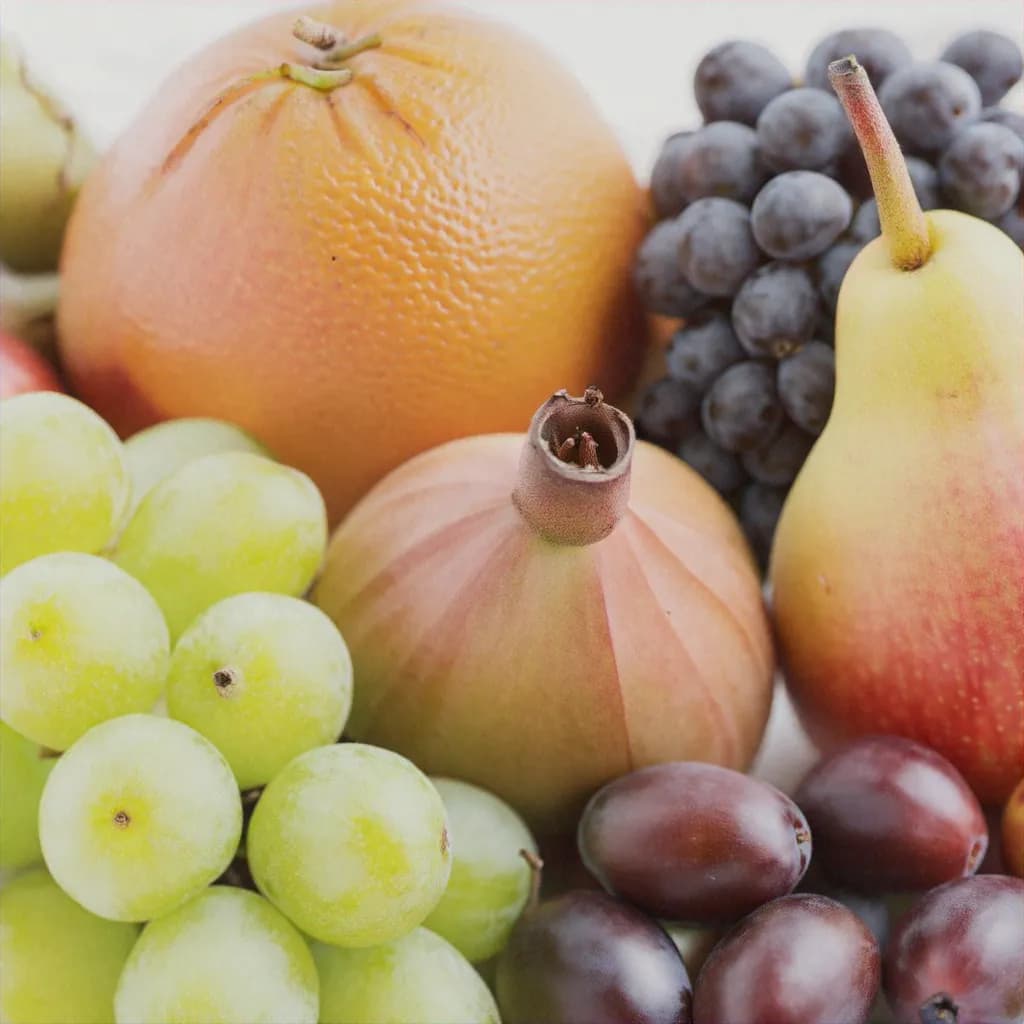
The huckleberry is a small, round, deep-purple to black berry that grows wild in the mountainous regions of North America, particularly in the Pacific Northwest and the Rocky Mountains. Belonging to the same genus as blueberries and cranberries (Vaccinium), huckleberries are often confused with their cultivated cousins but boast a more intense, tart-sweet flavor with earthy undertones. These berries thrive in acidic soils at elevations of 2,000 to 11,000 feet, often found in coniferous forests or alpine meadows. Huckleberries are typically harvested by hand, as they grow on low shrubs and are not commercially cultivated on a large scale. Their rich color comes from high concentrations of anthocyanins, powerful antioxidants that contribute to their health benefits. The berries are prized for their versatility, used in everything from jams and pies to syrups and wines, and their nutritional profile makes them a superfood for supporting immune function, heart health, and cognitive performance.
Explore Huckleberry in stunning detail
Huckleberry - Main View
Per 100g
Per 100g
Nutrition breakdown for one serving
Western North America, including the Rocky Mountains, Cascade Range, and Sierra Nevada
Huckleberries have been a staple food for Indigenous peoples of North America for thousands of years, including the Blackfeet, Salish, Kootenai, and Nez Perce tribes. These berries were traditionally harvested in late summer and preserved for winter use by drying, mixing with meat to make pemmican, or storing in animal fat. Early European settlers adopted huckleberry harvesting, and the berries became a popular ingredient in pies, jams, and syrups. Unlike blueberries, huckleberries have resisted large-scale commercial cultivation due to their specific growing requirements and the challenges of mechanized harvesting. Today, huckleberries remain a beloved wild-harvested fruit, with festivals in states like Montana celebrating their cultural and culinary significance. The berries also hold ecological importance, as they are a key food source for bears, birds, and small mammals in their native habitats.
Late summer to early fall, typically July through September, depending on elevation and latitude
Each variety offers unique flavors, textures, and culinary applications
Keep your fruit fresh and delicious for longer
Look for berries that are deep purple to black (for black huckleberries) or bright red (for red huckleberries), indicating ripeness. Avoid berries with dull, shriveled, or moldy appearances.
Choose plump, firm berries with a slight powdery bloom on the surface. Soft or mushy berries may be overripe or spoiled.
Smell the berries—ripe huckleberries have a sweet, slightly floral aroma. A sour or fermented smell indicates spoilage.
If buying frozen huckleberries, check for clumping, which suggests thawing and refreezing. The berries should be free-flowing and individually frozen.
Purchase from reputable sources, such as farmers' markets or specialty stores, to ensure the berries were harvested sustainably and handled properly.
Store fresh huckleberries in the refrigerator in a single layer on a paper towel-lined tray. Cover loosely with plastic wrap to allow airflow and prevent moisture buildup.
Do not wash the berries until ready to use, as excess moisture accelerates spoilage. Rinse gently under cool water just before eating or cooking.
Consume fresh huckleberries within 5-7 days of purchase for optimal flavor and texture. After this period, they may become mushy or develop mold.
For longer storage, freeze huckleberries (see freezing tips below). They can be kept frozen for up to 12 months without significant nutrient loss.
Preserve freshness for months
Wash and dry the berries thoroughly before freezing to prevent ice crystal formation. Spread them in a single layer on a baking sheet and freeze until solid (about 2 hours).
Transfer the frozen berries to an airtight container or freezer bag, removing as much air as possible to prevent freezer burn. Label with the date for future reference.
For easy portioning, freeze berries in small batches (e.g., 1-cup portions) to avoid thawing more than needed. Frozen huckleberries can be used directly in smoothies, baked goods, or sauces without thawing.
Label frozen items with the date to track freshness. Most fruits maintain quality for 2-3 months when properly frozen. For best results, use airtight containers or freezer bags to prevent freezer burn.
Discover delicious possibilities
Huckleberries are not commonly allergenic, but some individuals may experience mild allergic reactions, particularly if they have sensitivities to other berries in the Vaccinium genus (e.g., blueberries, cranberries). Symptoms may include itching, swelling, or digestive discomfort. Cross-reactivity with birch pollen (oral allergy syndrome) is also possible, leading to tingling or itching in the mouth after consumption. If you have a known berry allergy, introduce huckleberries cautiously and consult an allergist if symptoms arise.
Huckleberries are primarily wild-harvested and not commercially cultivated, so pesticide exposure is generally low. However, berries harvested near agricultural areas or roadsides may be contaminated with herbicides, insecticides, or heavy metals. To minimize risk, harvest huckleberries in remote, pristine areas or purchase from trusted foragers who follow organic practices. Washing berries thoroughly before consumption can reduce surface contaminants.
Surprising trivia you'll love!
Huckleberries are a favorite food of grizzly bears, who can consume up to 200,000 berries in a single day during peak season to build fat reserves for hibernation.
The word "huckleberry" comes from an old dialect term meaning "little blueberry," but in the American South, it was also slang for something small or insignificant—hence the nickname "Huck" for Mark Twain’s character Huckleberry Finn.
Huckleberries were a key ingredient in pemmican, a traditional Native American survival food made from dried meat, fat, and berries, which could last for years without spoiling.
In Montana, huckleberries are so beloved that the state has an official Huckleberry Lookout (a fire lookout tower) and hosts an annual Huckleberry Festival in Trout Creek.
Huckleberry leaves were used by Indigenous peoples to make a tea that treated urinary tract infections, thanks to their arbutin content, a compound also found in cranberries.
Unlike blueberries, huckleberries have 10 large seeds that give them a slightly gritty texture, which some people describe as "crunchy" when eaten fresh.
Huckleberry wine was a popular homemade beverage in the early 20th century, with recipes passed down through generations in the Pacific Northwest.
The huckleberry plant is highly sensitive to fire—while controlled burns can stimulate growth, severe wildfires can destroy entire huckleberry patches, which may take decades to recover.
Huckleberries and blueberries are closely related but have several key differences. Huckleberries grow wild in mountainous regions, while blueberries are typically cultivated. Huckleberries are smaller, with larger seeds that give them a slightly gritty texture, whereas blueberries have tiny, almost imperceptible seeds. Flavor-wise, huckleberries are more tart and complex, with earthy, pine-like undertones, while blueberries are sweeter and milder. Nutritionally, huckleberries often contain higher levels of antioxidants, particularly anthocyanins, due to their wild-growing conditions. Additionally, huckleberries are rarely found in grocery stores, whereas blueberries are widely available year-round.
Picking huckleberries sustainably ensures the plants continue to thrive for future harvests. Use a gentle hand-picking method: hold the stem of a berry cluster and roll the berries between your fingers, letting the ripe ones fall into your palm. Avoid pulling or tugging, as this can damage the plant. Use a shallow container to prevent crushing the berries, and never strip a bush completely—leave some berries for wildlife and future growth. If you're harvesting in a public area, check local regulations, as some regions require permits. Consider using a huckleberry rake, a handheld tool with teeth that combs berries off the bush, but use it sparingly to avoid harming the plant.
Yes, huckleberries can be eaten raw, but their tartness may be too intense for some people. Ripe huckleberries are safe to eat fresh and offer the most nutritional benefits when consumed raw, as cooking can degrade some heat-sensitive nutrients like vitamin C. To enjoy them raw, rinse gently under cool water and pat dry. They can be eaten out of hand, added to fruit salads, or sprinkled over yogurt or oatmeal. If the tartness is overwhelming, pair them with sweeter fruits like bananas or a drizzle of honey. Avoid eating unripe huckleberries, as they can be bitter and may cause stomach discomfort.
Huckleberries can be preserved in several ways to enjoy their flavor and nutrients year-round. Freezing is the simplest method: wash, dry, and spread the berries on a baking sheet to freeze individually, then transfer to airtight containers. They’ll keep for up to 12 months. For jams and jellies, simmer huckleberries with sugar and pectin, then can using a water bath method for long-term storage. Drying is another option—spread berries on a dehydrator tray or in the oven at low heat until shriveled, then store in airtight containers. Huckleberry syrup can be made by reducing berries with sugar and water, then bottling and refrigerating. For a unique preservation method, mix huckleberries with honey or sugar and store in the fridge for a quick topping or medicinal remedy.
Huckleberries can be a beneficial addition to a weight loss diet due to their low calorie content (57 calories per 100g) and high fiber (2.8g per 100g, or 10% DV). Fiber promotes satiety, helping you feel full longer and reducing overall calorie intake. The berries' low glycemic index (50) and glycemic load (7) help regulate blood sugar levels, preventing spikes and crashes that can lead to cravings. Additionally, huckleberries are rich in antioxidants like anthocyanins, which may support metabolism and reduce inflammation associated with obesity. However, they should be consumed as part of a balanced diet, as their tartness may lead some people to add sugar, which can negate their weight loss benefits. Pair them with protein or healthy fats (e.g., nuts, yogurt) to enhance their satiating effects.
Huckleberries have a long history of medicinal use among Indigenous peoples and herbalists. Their high antioxidant content, particularly anthocyanins and vitamin C, makes them effective for boosting immune function and reducing inflammation. Traditionally, huckleberry tea (made from leaves or berries) was used to treat urinary tract infections, sore throats, and digestive issues. The leaves contain arbutin, a compound also found in bearberry, which has mild antiseptic properties. Huckleberry jam or syrup was used to soothe coughs and colds, while the berries' astringent properties made them useful for treating diarrhea. Modern research supports some of these uses, showing that huckleberries may help lower blood pressure, improve circulation, and protect against chronic diseases like diabetes and heart disease. However, always consult a healthcare provider before using huckleberries for medicinal purposes, especially if you have underlying health conditions or are taking medications.
Huckleberries are rare in stores due to several factors. Unlike blueberries, huckleberries have not been successfully domesticated on a large scale—they grow wild in remote, mountainous regions and require specific conditions (acidic soil, high elevation) that are difficult to replicate commercially. Harvesting is labor-intensive, as the berries must be picked by hand to avoid damaging the plants, and they don’t ripen uniformly. Additionally, huckleberry bushes take years to mature, and their yield is unpredictable, making large-scale production unfeasible. The short harvest season (typically August) further limits availability. When huckleberries are sold, they’re often sourced from small-scale foragers or specialty farms, driving up the price. Some regions, like Montana and Idaho, have festivals celebrating huckleberries, where locals sell fresh or preserved berries at premium prices.
Yes, several poisonous berries resemble huckleberries, so it’s crucial to identify them correctly before consumption. The most dangerous look-alike is the deadly nightshade (Atropa belladonna), which produces shiny black berries that can be fatal if ingested. Other toxic berries include those from the buckthorn family (Rhamnus spp.), which are dark purple to black but grow in clusters on thorny shrubs, and the berries of the pokeweed (Phytolacca americana), which are deep purple but grow on tall, reddish stems. To safely identify huckleberries, look for their distinct powdery bloom, small size (5-10mm in diameter), and growth on low shrubs (6-18 inches tall) in mountainous or forested areas. When in doubt, consult a local expert or use a field guide, and never eat wild berries unless you’re absolutely certain of their identity.
Sustainability insights
Huckleberries are a sustainable food source when harvested responsibly. As wild plants, they require no irrigation, fertilizers, or pesticides, reducing their environmental footprint compared to cultivated crops. However, overharvesting can deplete local populations, as huckleberry bushes take years to mature and produce fruit. Sustainable harvesting practices include leaving some berries on each bush for wildlife and future growth, avoiding damage to the plants, and harvesting only in designated areas. Climate change poses a threat to huckleberry habitats, as rising temperatures and altered precipitation patterns may shift their growing ranges. Supporting local foragers who follow ethical harvesting guidelines helps preserve huckleberry ecosystems.
Huckleberries have a low carbon footprint compared to many fruits, as they are wild-harvested and not transported long distances. The majority of huckleberries are consumed locally or regionally, reducing emissions from transportation. However, if sold in specialty stores or online, their carbon footprint may increase due to packaging and shipping. Freezing or preserving huckleberries at home can further reduce their environmental impact by minimizing food waste.
Huckleberries are drought-tolerant plants that thrive in mountainous regions with natural precipitation. They require no irrigation, making them a low-water crop compared to cultivated fruits like almonds or avocados. Their deep root systems help prevent soil erosion and improve water retention in their native habitats. However, climate change-induced droughts may threaten huckleberry populations in the future, particularly in regions like the Pacific Northwest where water resources are already stressed.
Huckleberries are almost exclusively locally sourced, as they are not commercially cultivated on a large scale. This reduces their environmental impact compared to imported fruits, which require significant resources for transportation and storage. When purchasing huckleberries, opt for locally foraged or regionally produced products to support sustainable practices and reduce your carbon footprint. Avoid imported "huckleberry" products, which may actually be bilberries or other Vaccinium species, as these can have a higher environmental cost due to international shipping.
We aim to keep this Huckleberry profile accurate and easy to understand. Nutrition values and % Daily Value figures are based on established reference databases and standard daily value guidance.
Last updated: September 18, 2026
Medical disclaimer
This page is for general educational purposes and does not replace professional medical advice.
Found an issue? Contact us.