Loading Fruit Details...
Please wait while we fetch nutritional information and health benefits
Please wait while we fetch nutritional information and health benefits
Recommended Products
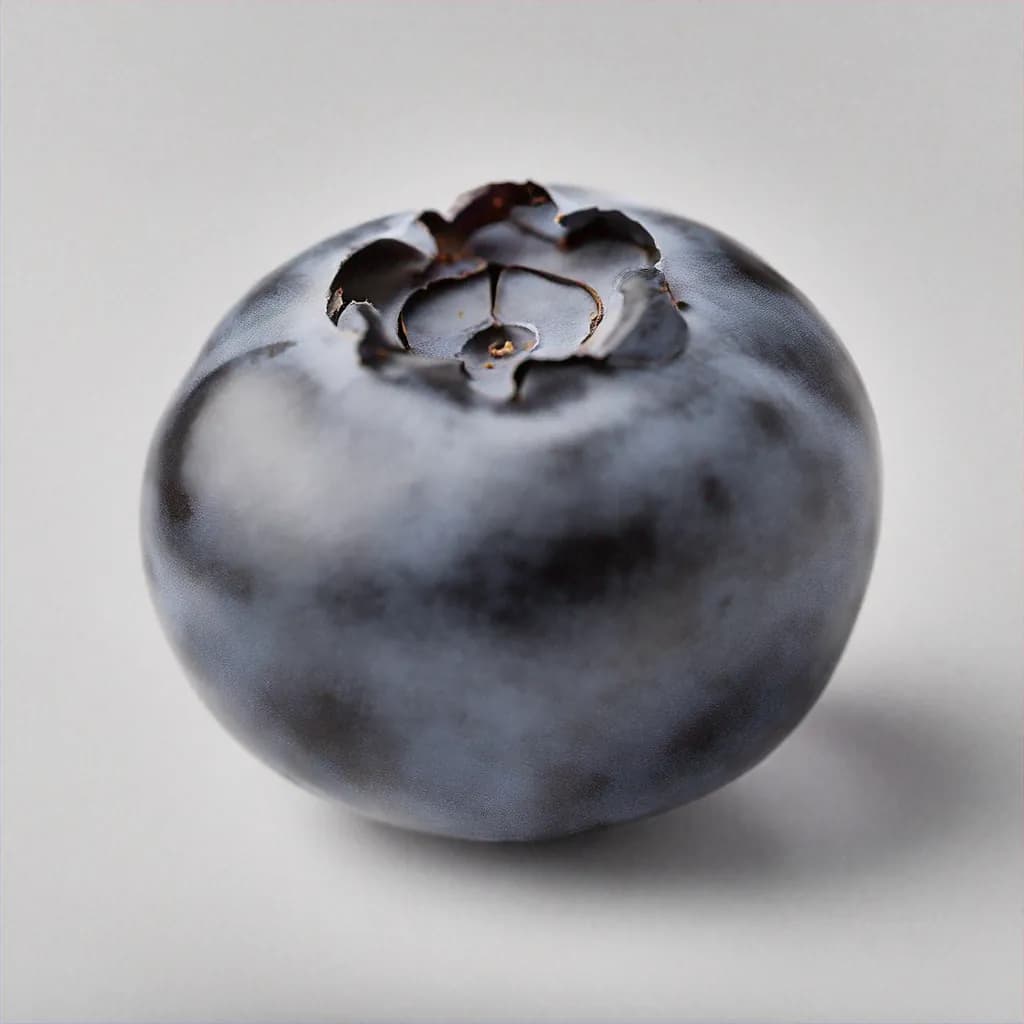
Vaccinium corymbosum (Highbush), Vaccinium angustifolium (Lowbush)
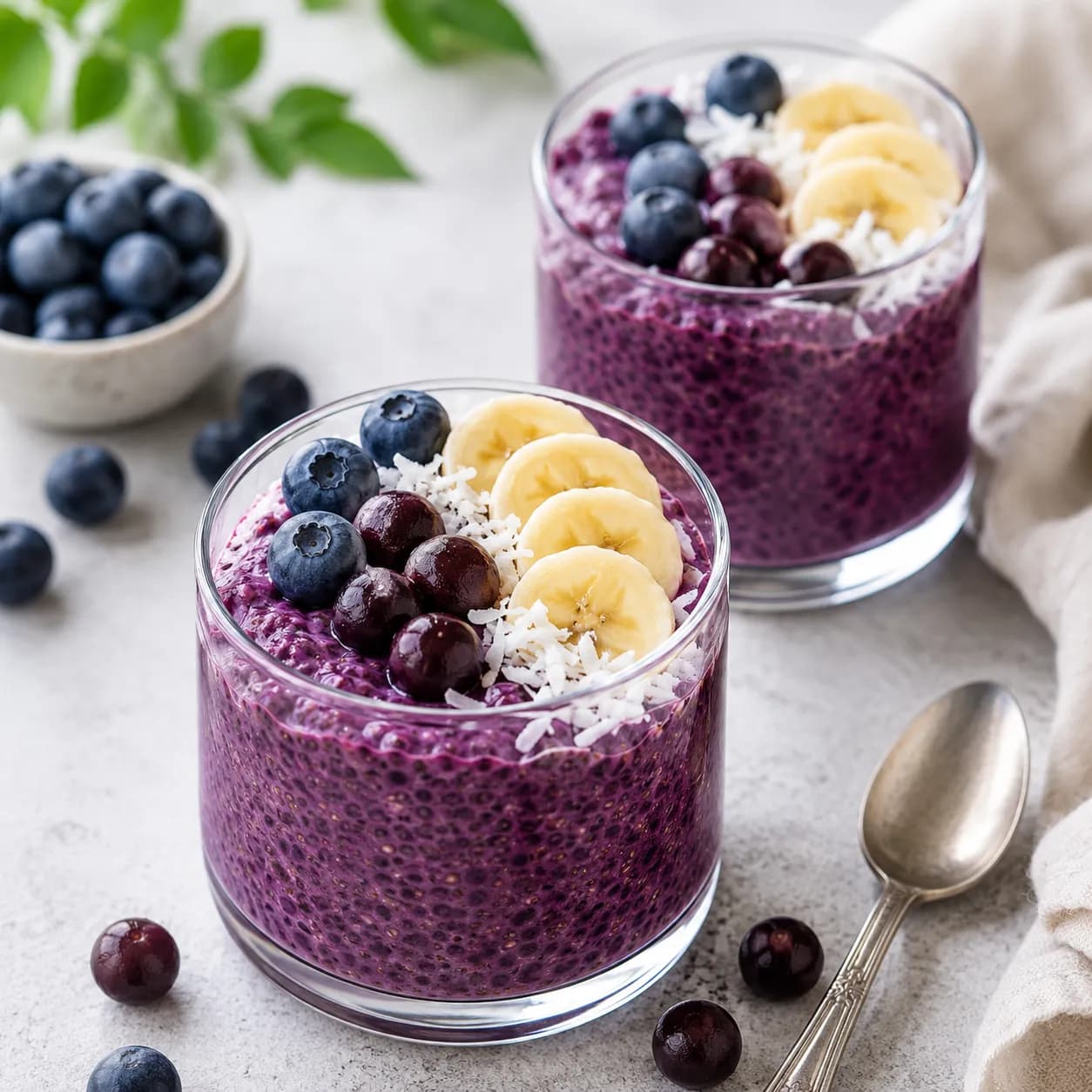
A beloved North American native, the blueberry is a small, round berry celebrated for its deep blue-purple color, sweet-tart flavor, and remarkable nutritional profile. These jewel-toned fruits are often hailed as a superfood due to their exceptional antioxidant content, particularly anthocyanins that give them their characteristic color. Fresh blueberries offer a perfect balance of sweetness and acidity with a slight floral undertone, while their firm yet juicy texture makes them ideal for eating fresh or cooking. Cultivated across North America and increasingly worldwide, blueberries have evolved from wild forest treasures to one of the most popular and nutritious fruits available year-round.
Explore Blueberry in stunning detail
Blueberry - Main View
Per 100g
Per 100g
Nutrition breakdown for one serving
North America (Eastern United States and Canada)
Blueberries are one of the few fruits native to North America. Indigenous peoples harvested wild blueberries for thousands of years, consuming them fresh, dried, or smoked for preservation. Native Americans shared these berries and preservation techniques with European colonists, likely preventing scurvy and malnutrition. Blueberries held spiritual significance in many Native American cultures and were used medicinally. Commercial cultivation began in the early 1900s when Elizabeth White, a New Jersey farmer, partnered with USDA botanist Frederick Coville to domesticate wild blueberries. By the 1920s, they had successfully bred the first highbush blueberry varieties. The industry expanded dramatically after World War II, and today blueberries are grown worldwide. Wild blueberries are still harvested commercially in Maine and eastern Canada, maintaining their status as a treasured native American crop.
Late spring through early fall in Northern Hemisphere
Each variety offers unique flavors, textures, and culinary applications
Keep your fruit fresh and delicious for longer
Select blueberries that are firm, plump, and completely blue with a silvery frost (bloom)
Avoid berries that are soft, wrinkled, moldy, or leaking juice
Look for dry berries - moisture promotes mold growth
Check the bottom of the container for juice stains indicating damaged fruit
The silvery-white bloom on the skin is natural and indicates freshness
Berries should move freely in the container, not be clumped or stuck together
Avoid containers with green or reddish berries as they won't ripen further
Fresh blueberries should have no fermented or wine-like smell
Organic blueberries may be smaller but often have more concentrated flavor
Wild blueberries are smaller, darker, and more intensely flavored than cultivated
Do NOT wash blueberries until ready to use - moisture promotes mold
Store unwashed berries in their original container or shallow container in refrigerator
Remove any moldy or damaged berries immediately to prevent spread
Keep blueberries in the coldest part of refrigerator (usually back, not door)
Store away from ethylene-producing fruits like apples and bananas
Line storage container with paper towel to absorb excess moisture
For maximum freshness, store in a single layer if possible
Keep refrigerated at 32-40°F (0-4°C) for optimal storage
Once washed, pat completely dry before refrigerating
Use within 5-10 days for best quality and flavor
Preserve freshness for months
Freeze blueberries unwashed for longest freezer life
Spread berries in single layer on parchment-lined baking sheet
Flash freeze for 2-4 hours until solid
Transfer frozen berries to freezer-safe bags or containers, removing excess air
Frozen blueberries maintain quality for 10-12 months
No need to thaw before using in smoothies, baking, or cooking
Rinse frozen berries under cold water just before use
Thawed berries are softer but perfect for baking, sauces, and smoothies
Wild blueberries freeze especially well and maintain texture better than cultivated
Label bags with date and consider portion sizes for convenient use
Label frozen items with the date to track freshness. Most fruits maintain quality for 2-3 months when properly frozen. For best results, use airtight containers or freezer bags to prevent freezer burn.
Discover delicious possibilities
Blueberry allergies are relatively rare but can occur. Allergic reactions may include oral allergy syndrome (itching or tingling in the mouth), hives, digestive discomfort, or in rare cases, anaphylaxis. Some people with birch pollen allergies may experience cross-reactivity with blueberries due to similar proteins. Those allergic to other berries (strawberries, raspberries) may have increased risk. Salicylate sensitivity can also cause reactions to blueberries. Symptoms typically appear within minutes to hours after consumption.
Conventionally grown blueberries may contain pesticide residues and rank in the middle range on the Environmental Working Group's Dirty Dozen list. The USDA has detected multiple pesticide residues on conventional blueberries. While the firm skin provides some protection, washing is essential. Organic blueberries eliminate synthetic pesticide exposure. To reduce residues on conventional berries: wash thoroughly under running water for 30-60 seconds, soak in baking soda solution (1 teaspoon per 2 cups water) for 2 minutes, or use a vinegar rinse (1 part vinegar to 3 parts water).
Surprising trivia you'll love!
Blueberries are one of only three fruits native to North America (along with cranberries and Concord grapes)
The indentation at the top of each blueberry is called a calyx and forms a five-pointed star shape
North America produces about 90% of the world's blueberries
Maine is the largest producer of wild blueberries, harvesting about 10% of North America's crop
A single blueberry bush can produce 6,000 blueberries per year at peak maturity
It takes about 75 days for a blueberry flower to develop into a ripe berry
Blueberry bushes can live and produce fruit for 30-50 years or more with proper care
The town of Hammonton, New Jersey, calls itself the 'Blueberry Capital of the World'
National Blueberry Month is celebrated every July in the United States
Blueberries were called 'star berries' by Native Americans because of the five-pointed star shape on the blossom end
During World War II, the U.S. military included blueberries in soldiers' rations for vision health
The first blueberry pie was created in the late 1800s in North America
Wild blueberries have been growing naturally in North America for over 13,000 years
Blueberries contain more antioxidants than most other fresh fruits and vegetables
A mature highbush blueberry plant can grow 6-8 feet tall and equally wide
Yes, always wash blueberries just before eating or using them. However, DO NOT wash them before storing, as moisture promotes mold growth and reduces shelf life. When ready to use, rinse blueberries gently in a colander under cold running water for 30-60 seconds. You can also soak them briefly in a bowl of water, swirl gently, then drain and pat dry with paper towels. This removes any dirt, pesticide residues, and potential bacteria. The white bloom on the berries is natural and safe, though washing will remove some of it.
Yes, frozen blueberries are nearly as nutritious as fresh and sometimes even better! Blueberries are frozen at peak ripeness when nutrient content is highest. Studies show frozen blueberries retain their anthocyanins, antioxidants, and most vitamins very well. In fact, the freezing process can break down cell walls, making some antioxidants more bioavailable. Vitamin C may decrease slightly, but the loss is minimal. Frozen blueberries are picked and frozen within hours, while fresh berries may sit in transport and storage for days, potentially losing nutrients. Both fresh and frozen offer excellent health benefits - choose based on availability and intended use.
The white, powdery coating on fresh blueberries is called 'bloom' and is completely natural and safe to eat. Bloom is a waxy protective coating produced by the berry itself to guard against moisture loss, insects, and bacteria. It's a sign of freshness - the more bloom present, the fresher the berries and the less they've been handled. This protective layer helps blueberries stay fresh longer. While bloom is edible and harmless, it will mostly wash off when you rinse the berries. Don't try to wipe it off before storage, as this removes the natural protection and can damage the berries.
Yes, blueberries are safe and healthy for dogs in moderation! They're low in calories, high in antioxidants, fiber, and vitamins that benefit dogs just as they do humans. Blueberries make an excellent training treat or healthy snack. Feed them fresh or frozen (some dogs love frozen blueberries as a summer treat). Limit portions to 10% or less of your dog's daily caloric intake - about 8-10 berries for small dogs, more for larger breeds. Introduce gradually to avoid digestive upset. Wash berries before feeding. While very safe, too many can cause diarrhea due to the fiber content. Always supervise small dogs to prevent choking.
Wild blueberries (lowbush) and cultivated blueberries (highbush) differ significantly. Wild blueberries are smaller (about half the size), darker blue-purple, and have intensely concentrated flavor. They contain nearly twice the antioxidants and anthocyanins per serving compared to cultivated varieties. Wild berries spread naturally and are harvested rather than planted, primarily in Maine and eastern Canada. They don't grow on bushes but as low ground cover. Cultivated blueberries are larger, lighter blue, sweeter with less tartness, and more uniform in size. They're grown on tall bushes worldwide. Both are nutritious, but wild blueberries pack more antioxidant power per gram. Wild are often sold frozen; cultivated dominate the fresh market.
While there's no official daily recommendation, most health experts suggest 1/2 to 1 cup (74-148g) of blueberries daily provides optimal health benefits. This amount delivers significant antioxidants without excessive sugar or calories. Studies showing cognitive and cardiovascular benefits typically use 1/2 to 1 cup daily. This serving provides approximately 40-80 calories and substantial anthocyanins, vitamin K, manganese, and fiber. Eating blueberries several times per week is beneficial even if not daily. They can be part of the recommended 5-9 servings of fruits and vegetables per day. There's no upper limit for healthy individuals, but balance with varied fruits for diverse nutrients.
Yes, blueberries are an excellent fruit choice for diabetics! Despite containing natural sugars, blueberries have a low to moderate glycemic index (53) and low glycemic load (5), meaning they cause a gradual rise in blood sugar rather than spikes. The fiber content slows sugar absorption, and research shows blueberries may actually improve insulin sensitivity and glucose metabolism. Studies indicate regular blueberry consumption can reduce type 2 diabetes risk. Portion control is still important - stick to 1/2 to 1 cup servings and pair with protein or healthy fats for better blood sugar control. Monitor your individual response and consult your healthcare provider about incorporating blueberries into your meal plan.
Blueberries are often called 'brain berries' due to their exceptional cognitive benefits. The high concentration of anthocyanins and other flavonoids crosses the blood-brain barrier and accumulates in brain regions responsible for learning and memory. These compounds reduce oxidative stress and inflammation in the brain, protect neurons from damage, and may stimulate new neuron growth. Multiple studies show blueberries improve memory, slow cognitive decline, enhance learning ability, and may reduce Alzheimer's disease risk. They improve communication between brain cells and increase blood flow to the brain. Regular consumption, especially as we age, supports brain health, with some research showing improvements in just 12 weeks of daily intake.
No, you should discard any blueberries with visible mold, whether white, gray, green, or fuzzy in appearance. While the mold you see is on the surface, mold roots (mycelia) can penetrate deep into soft fruits like berries. Even if you remove the moldy berry, nearby berries in contact may have invisible contamination. Some molds produce mycotoxins that can cause allergic reactions or illness. When you find moldy berries, immediately remove them and any touching them. Inspect remaining berries carefully - if more than a few are affected, discard the entire container. To prevent mold, store berries unwashed and dry, remove damaged berries promptly, and use within recommended timeframes.
The best method is flash freezing: Don't wash the berries first (wash after freezing, before use). Spread unwashed blueberries in a single layer on a parchment-lined baking sheet, ensuring they don't touch. Place in freezer for 2-4 hours until completely frozen solid. Transfer frozen berries to freezer-safe bags or containers, removing as much air as possible. Label with date and store for up to 10-12 months. This method prevents berries from clumping into a solid mass and allows you to pour out only what you need. Frozen blueberries don't need thawing for smoothies, baking, or cooking. For best results, use them directly from frozen.
Organic blueberries can be worth the extra cost depending on your priorities. Conventionally grown blueberries often test positive for pesticide residues and rank moderately high on the Environmental Working Group's list of produce with pesticides. Organic berries are grown without synthetic pesticides, herbicides, or fertilizers. However, blueberries' firm skin and the fact that you can wash them reduce exposure. Studies show organic blueberries may have slightly higher antioxidant content. Consider organic if you're concerned about pesticide exposure, especially for children and pregnant women. If cost is prohibitive, thoroughly washing conventional berries significantly reduces residues. Both types offer excellent nutrition - the most important thing is eating blueberries regularly.
Blueberry season varies by region and type. In North America, the season runs from April through September, with peak availability June through August. The season starts earliest in the South (Florida, Georgia, Texas) in April-May with southern highbush varieties. Mid-season areas (North Carolina, New Jersey, Michigan) peak in June-July. Late season berries come from northern regions (Maine, Canada, Pacific Northwest) in July-September. Wild blueberries are harvested August-September in Maine and Canada. Thanks to imports from South America (Chile, Peru, Argentina), fresh blueberries are available year-round in stores, with Southern Hemisphere season running November-March. Frozen blueberries are available throughout the year.
Blueberries can support weight loss as part of a balanced diet. At only 57 calories per 100g (about 84 calories per cup), they're low in calories while high in fiber (3.6g per cup) that promotes satiety and reduces hunger. The natural sweetness satisfies sugar cravings without added sugars. Studies suggest blueberries may reduce belly fat and improve metabolism due to their polyphenol content. They have a low glycemic index, preventing blood sugar spikes that lead to cravings. The antioxidants may help reduce inflammation associated with obesity. However, they're not a magic solution - weight loss requires overall caloric deficit and healthy lifestyle. Blueberries excel as a nutritious, lower-calorie snack or dessert alternative that provides satisfaction and health benefits.
Yes, blueberries can be grown successfully at home in the right conditions! They need acidic soil (pH 4.5-5.5), full sun (6+ hours daily), consistent moisture, and good drainage. Choose varieties suited to your climate: northern highbush for cold climates, southern highbush or rabbiteye for warm areas. Plant at least two different varieties for cross-pollination and better yields. Blueberries grow on perennial bushes that produce for 20+ years. They need 2-3 years to establish before significant fruiting begins. Container growing is possible with acidic potting mix. Regular watering is crucial, especially during berry development. Add sulfur or peat moss to maintain soil acidity. With proper care, mature bushes produce 5-10 pounds of berries per season.
Blueberries get their distinctive blue-purple color from high concentrations of anthocyanins, a group of flavonoid pigments with powerful antioxidant properties. These water-soluble pigments are stored in the berry's skin and flesh. The specific anthocyanins in blueberries include malvidin, delphinidin, cyanidin, petunidin, and peonidin. Color intensity varies by variety - wild blueberries are darker due to higher anthocyanin content. The white bloom on the surface is a protective waxy coating separate from the berry's color. Interestingly, anthocyanin content and color intensity correlate with antioxidant capacity - darker berries generally contain more beneficial compounds. These same anthocyanins provide most of blueberries' celebrated health benefits, from brain protection to heart health.
Sustainability insights
Blueberry cultivation can be sustainable when managed with integrated pest management, organic practices, and water conservation. Perennial plants that don't require replanting annually provide long-term carbon sequestration. Blueberries support pollinators - they require bee pollination and provide early-season nectar. Native wild blueberry harvesting in Maine and Canada is particularly sustainable as it doesn't involve pesticides or irrigation. Conventional farming may use significant pesticides and fertilizers. Choose organic when possible to support sustainable practices.
Locally grown blueberries have low carbon footprint, especially during peak season. Off-season imports from South America (Chile, Peru) have moderate to high footprint due to air freight or refrigerated shipping. Frozen blueberries require energy for freezing and storage but eliminate waste from spoilage. The carbon impact varies significantly: local fresh (June-August) has lowest impact, frozen has moderate impact, and air-freighted imports have highest impact. Buying domestically during season is most environmentally friendly.
Blueberries require moderate water, with needs varying by stage of growth. They need consistent moisture, especially during fruit development, but are more drought-tolerant than many crops once established. Drip irrigation and mulching significantly reduce water usage in commercial operations. Wild blueberries require no irrigation. Average water footprint is approximately 300-400 liters per kilogram of berries, which is moderate compared to other fruits. Modern sustainable farms use moisture monitoring and efficient irrigation to minimize water waste.
Buying local blueberries during peak season (June-August in North America) is most sustainable, supporting local farms and reducing transportation emissions. Fresh berries are available from nearby regions for 4-6 months. During off-season, frozen domestic berries are more sustainable than fresh imports. If buying imports in winter, South American berries (December-March) at least provide fresh options when domestic aren't available. Consider frozen wild Maine blueberries year-round as a sustainable alternative with excellent nutrition.
We aim to keep this Blueberry profile accurate and easy to understand. Nutrition values and % Daily Value figures are based on established reference databases and standard daily value guidance.
Last updated: September 8, 2026
Medical disclaimer
This page is for general educational purposes and does not replace professional medical advice.
Found an issue? Contact us.