Loading Fruit Details...
Please wait while we fetch nutritional information and health benefits
Please wait while we fetch nutritional information and health benefits
Recommended Products
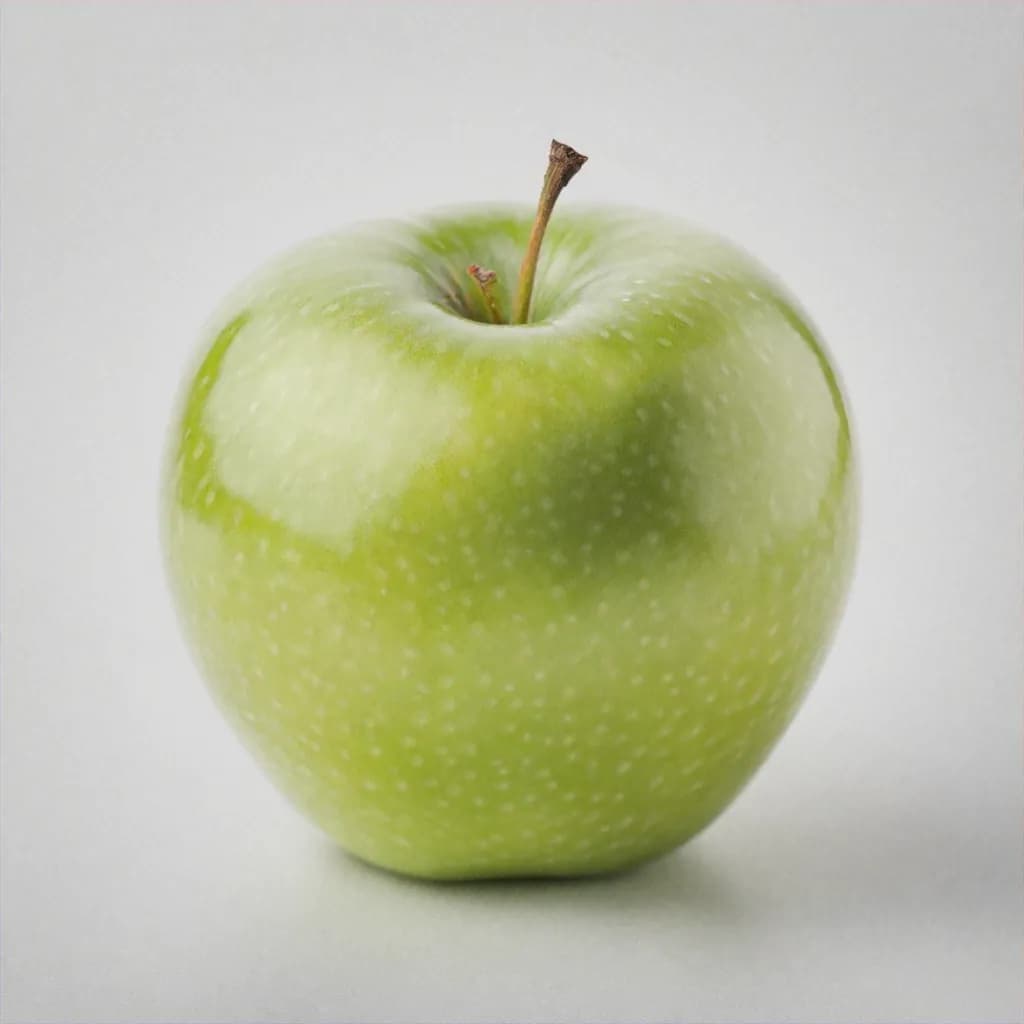
Malus domestica
Green apples are crisp tart fruits with bright green skin and firm white flesh featuring distinctive tangy-sweet flavor profile with high acidity and refreshing taste. Native to Central Asia, green apples thrive in temperate climates with distinct seasons and moderate chilling hours. Each fruit delivers impressive nutritional benefits - excellent vitamin C (5% DV per 100g) supporting immune function and antioxidant protection, potassium (3% DV) for heart health and muscle function, fiber (2.4g) for digestive wellness, and valuable polyphenols including quercetin and catechin for antioxidant defense. Crisp firm texture with tart-sweet flavor complements fresh consumption and diverse culinary applications. Lower sugar content compared to red apples supports blood sugar management. Green apples support digestive health, antioxidant defense, and metabolic wellness through comprehensive nutrient profile. Traditional wisdom validated by modern nutrition science regarding apple health benefits. Green apples represent versatile temperate fruit combining excellent nutrition, refreshing flavor, broad climate adaptability, and culinary diversity making them globally popular year-round fruit.
Explore Green Apple in stunning detail
Green Apple - Main View
Per 100g
Per 100g
Nutrition breakdown for one serving
Central Asia, particularly Kazakhstan and surrounding regions
Green apples originated in Central Asia with evidence of cultivation dating back thousands of years. Archaeological evidence shows apple domestication in Kazakhstan region 5,000+ years ago. Ancient Silk Road trade expanded apple cultivation throughout Asia, Europe, and Middle East. Apple cultivation documented in ancient Greece, Rome, and medieval Europe. Colonial expansion distributed apples globally including Americas, Australia, and Africa. Modern green apple varieties developed through selective breeding in 18th-20th centuries. Granny Smith variety created in Australia 1868 becoming dominant commercial green apple. Contemporary production represents global commodity with diverse cultivars by region.
Fall and winter primary seasons with storage extending availability
Each variety offers unique flavors, textures, and culinary applications
Keep your fruit fresh and delicious for longer
Select bright green apples without brown spots or bruising
Gently squeeze - should be firm and crisp without soft spots
Avoid apples with wrinkled skin indicating age or dehydration
Look for uniform green color throughout skin
Choose medium-to-large apples over very small ones
Smooth unblemished skin indicates quality and freshness
Purchase from stores with good turnover ensuring freshness
Avoid apples with visible damage or deep bruises
Store in refrigerator crisper drawer for 2-4 weeks
Keep separate from ethylene-producing fruits (bananas)
Maintain temperature 32-40°F (0-4°C) for optimal storage
Do not wash until ready to consume - promotes mold growth
Check occasionally removing any developing mold
Individual plastic bags extend shelf-life by reducing moisture loss
Room temperature storage 1-2 weeks for fresh apples
Preserve freshness for months
Wash, peel, core, and slice apples uniformly
Treat with lemon juice preventing enzymatic browning
Blanch 2 minutes in boiling water optional for texture preservation
Cool completely in ice bath patting dry
Freeze on baking sheet 3-4 hours
Transfer to freezer bags removing excess air
Frozen apples keep 8-12 months
Use frozen for baking, smoothies, sauces, and compotes
Label frozen items with the date to track freshness. Most fruits maintain quality for 2-3 months when properly frozen. For best results, use airtight containers or freezer bags to prevent freezer burn.
Discover delicious possibilities
Apple allergies uncommon but documented particularly in individuals with pollen allergies (oral allergy syndrome). Allergic reactions typically mild - itching, tingling, or throat irritation possible. Cooking breaks down problematic proteins reducing allergic response significantly. Severe reactions rare. Those with fruit allergies should consult allergist about potential cross-reactivity.
Green apples on pesticide residue watchlists - proper cleaning important. Conventional apples may contain synthetic pesticide residues. Proper cleaning: Rinse thoroughly under cool running water vigorously rubbing surface. Brush can help remove surface residues. Organic apples eliminate synthetic pesticide concerns.
Surprising trivia you'll love!
Green apples originated in Central Asia 5,000+ years ago with evidence of cultivation in Kazakhstan ancient civilizations
Granny Smith green apple variety created in Australia 1868 becoming dominant commercial green apple globally
Green apples lower in sugar (10.4g) compared to red apples (19.4g) making them superior for blood sugar management
Apple trees require 300+ chilling hours annually making them suited to temperate climates with distinct seasons
Green apple skin contains quercetin flavonoid antioxidant more concentrated in skin than flesh
Phloridzin unique polyphenol in apples supports bone health and glucose metabolism distinct from other fruits
Apple proverb 'An apple a day keeps the doctor away' reflects thousands of years traditional health knowledge
Green apples excellent storage keeping 3-4 weeks refrigerated - superior to most other fruits
Chlorogenic acid in apples metabolite of green apple polyphenols supporting antioxidant defense
China produces 45% of world apple supply making apples major global commodity crop
Green apples exceptional digestive and weight management benefits through fiber, low sugar, and polyphenolic profile supporting metabolic wellness. DIGESTIVE HEALTH BENEFITS: Fiber (2.4g per 100g) supports healthy digestion and regular bowel function. Insoluble fiber aids digestive tract health and movement. Soluble fiber feeds beneficial gut bacteria improving microbiome diversity. Polyphenols promote healthy gut bacteria and digestive wellness. Low sugar content gentle on digestive system. WEIGHT MANAGEMENT SUPPORT: Low calorie density (52 cal per 100g) ideal for weight management and satiety. High water content (86%) provides volume without calories. Fiber increases feelings of fullness reducing overall consumption. Low glycemic index (39) prevents blood sugar spikes and energy crashes. Sustained energy reduces cravings for unhealthy foods. BLOOD SUGAR MANAGEMENT: Low glycemic index (39) and moderate glycemic load (6) support glucose stability. Quercetin and phloridzin slow glucose absorption naturally. Fiber slows digestion preventing rapid blood sugar elevation. Polyphenols improve insulin sensitivity through multiple mechanisms. Diabetics benefit from consistent blood sugar support. METABOLIC BENEFITS: Polyphenolic compounds support metabolic rate and efficiency. Quercetin enhances mitochondrial function supporting energy production. Chlorogenic acid supports metabolic health through antioxidant mechanisms. Phloridzin supports glucose metabolism and metabolic wellness. Regular consumption supports sustained metabolic function. ANTIOXIDANT DEFENSE: Quercetin powerful flavonoid antioxidant reducing inflammation. Catechin polyphenols support disease prevention and cellular health. Chlorogenic acid provides antioxidant protection against oxidative stress. Multiple antioxidant compounds work synergistically. Inflammation reduction supports digestive and metabolic health. COMPARISON WITH RED APPLES: Green apples lower sugar (10.4g vs 19.4g red apple) supporting blood sugar management. Green apples more tart flavor satisfies cravings with fewer calories. Higher acidity enhances satiety and digestive function. Lower glycemic impact compared to sweeter red varieties. Green apples superior for weight management applications. RESEARCH EVIDENCE: Scientific studies confirm digestive benefits of apples. Weight management support documented in multiple studies. Polyphenol antioxidant effects confirmed extensively. Blood sugar benefits established through research. Gut microbiome improvements documented with regular consumption. CONSUMPTION APPROACH: Fresh green apple provides optimal fiber and polyphenol benefits. One medium green apple (182g) provides 4.4g fiber (16% DV) and 95 calories. Eat with skin maximizing fiber and polyphenol content. Multiple daily apples recommended for sustained benefits. Consistency important for digestive and metabolic support. PREPARATION TIPS: Wash thoroughly before consumption. Eat with skin whenever possible maximizing benefits. Chew thoroughly aiding digestive function. Consume as whole fruit rather than juice preserving fiber. Pair with protein for sustained satiety. BOTTOM LINE: Green apples exceptional digestive and weight management fruit through fiber, low sugar, low calories, and polyphenolic profile supporting metabolic wellness and blood sugar management superior to sweet red apple varieties.
Green apple selection, storage, and preparation crucial for maximizing crisp texture and tart-sweet flavor throughout extended shelf-life. SELECTION GUIDELINES: Look for bright green uniform color without brown spots. Gently squeeze - should be firm and crisp throughout. Avoid soft spots indicating bruising or decay. Smooth unblemished skin indicates quality and freshness. Medium-to-large apples preferred over very small ones. Uniform shape and appearance indicate proper ripeness. Purchase from markets with good turnover ensuring freshness. RIPENESS ASSESSMENT: Apples picked mature do not ripen further after harvest. Color indicates maturity - bright green optimal. Firmness most important indicator of quality. Aroma subtle in green apples unlike other fruits. Can be consumed immediately or stored for later use. STORAGE METHODS: Refrigerator crisper drawer 3-4 weeks optimal storage. Temperature 32-40°F (0-4°C) slows ripening and decay. Separate from ethylene-producing fruits (bananas, pears). Individual plastic bags reduce moisture loss extending shelf-life. Check occasionally removing any developing mold. Room temperature storage 1-2 weeks acceptable for immediate use. LONG-TERM STORAGE: Granny Smith variety excellent long-term storage quality. Can store 1-2 months with proper conditions. Cool dark location maintains quality. Regular checking prevents mold development. Apples shrivel slightly with age but remain edible. PREPARATION TECHNIQUES: Wash under cool running water just before consuming. Pat dry completely with soft cloth. Eat with skin maximizing fiber and polyphenolic content. Remove seeds if desired by coring before eating. Slice uniformly if preparing for salads or cooking. Prevent browning by treating cut surfaces with lemon juice. FRESH EATING: Consume whole apple maximizing fiber and nutrient content. Chew thoroughly aiding digestive function. Room temperature optimal flavor compared to refrigerated. Crisp firm texture most appealing fresh. Tart flavor refreshing and palate-cleansing. SALAD PREPARATION: Slice uniformly for aesthetic appeal. Toss immediately with vinaigrette preventing browning. Pair with nuts and cheese for balanced nutrition. Combine with greens for nutrient-dense salad. Use as salad topper adding crunch and freshness. BAKING PREPARATION: Peel, core, and slice apples uniformly. Toss with lemon juice preventing enzymatic browning. Combine with cinnamon and sugar for classic preparation. Layer in pie crust or baking dish. Green apples excellent for baking retaining texture. SAUCE PREPARATION: Peel, core, and chop apples coarsely. Simmer with water and sugar creating sauce consistency. Add cinnamon and nutmeg for flavor depth. Strain through fine mesh if smooth consistency desired. Refrigerate 3-4 days or freeze for longer storage. JUICE PREPARATION: Wash thoroughly removing any surface debris. Feed whole apples through juicer maximizing yield. Fresh juice keeps refrigerated 3-4 days. Add lemon for brightness preventing oxidation. Can freeze juice up to 3 months. PRESERVATION: Wash, peel, core, and slice apples uniformly. Treat with lemon juice preventing browning. Simmer with sugar creating jam consistency. Pour into sterilized jars while hot. Store unopened 1+ year in cool dark place. Refrigerate after opening using within 2-3 weeks. DRYING: Slice uniformly thin (¼-inch). Treat with lemon juice preventing browning. Dry in oven at low temperature (135°F) 4-6 hours. Or use food dehydrator following manufacturer instructions. Store dried apples in airtight container up to 1 year. FREEZING: Peel, core, and slice uniformly. Treat with lemon juice preventing browning. Flash freeze on baking sheet 3-4 hours. Transfer to freezer bags removing excess air. Frozen apples keep 8-12 months. Use for baking, smoothies, sauces. BOTTOM LINE: Green apple selection, storage, and preparation techniques maximize crisp texture and tart flavor - choose firm bright green apples, store refrigerated, and consume fresh or prepare for salads, baking, sauces, and preservation.
Green apples excellent fruit for children providing superior nutrition supporting growth, development, and digestive wellness with minimal safety concerns. NUTRITIONAL BENEFITS: Fiber (2.4g) supports digestive health critical during childhood development. Potassium (3% DV) supports muscle function and cardiovascular health. Vitamin C supports immune system development and wound healing. Antioxidants protect growing cells from oxidative damage. Carbohydrates provide energy for active play and learning. Low sugar content supports healthy weight development. LOW ALLERGEN: Apple allergies uncommon but documented particularly in pollen-allergic individuals. Allergic reactions typically mild - itching or oral irritation. Cooking breaks down problematic proteins reducing allergic response. Well-tolerated by most children when introduced properly. INTRODUCTION GUIDELINES: Introduce gradually as with all new foods starting with small pieces. Start with small amount observing reactions over 3-5 days. Increase quantity as child demonstrates comfort and tolerance. Allergy risk low but watch for first-time reactions. Supervise young children during eating preventing choking. PREPARATION FOR CHILDREN: Wash thoroughly under cool running water. Remove seeds completely preventing choking hazard. Peel if desired for younger children reducing choking risk. Slice into age-appropriate pieces avoiding large chunks. Serve at room temperature for better flavor. Soft apple sauce alternative for very young children. FLAVOR APPEAL: Sweet-tart flavor appeals to most children. Crisp texture satisfying for developing chewing skills. Natural sweetness without added sugar. Refreshing flavor appeals to children. Low sugar content healthier than many snacks. PORTION SIZES: Young children (2-3 years) - small slices (30g) appropriate. Toddlers - supervise eating carefully preventing choking. Older children (4+ years) - one whole apple (182g) daily beneficial. Include consistently in balanced diet. Encourage water consumption with snacks. DEVELOPMENT SUPPORT: Fiber supports digestive health and regular bowel function. Potassium supports muscle and heart development. Vitamin C supports immune system protecting against infections. Antioxidants support cellular health during growth. Healthy fruit choices establish lifelong nutritional habits. DIGESTIVE BENEFITS: Fiber supports healthy digestion and regular bowel function. Apples gentle on digestive system supporting comfortable digestion. Polyphenols promote beneficial gut bacteria supporting microbiome. Low sugar content prevents digestive upset. Historically used to support children's digestive health. PRACTICAL TIPS: Pack apple slices in school lunches preventing browning with lemon juice. Offer as healthy snack alternative to processed foods. Combine with nut butter for additional protein and healthy fats. Teach children to identify ripe quality apples. Involve children in selection and preparation. CHOKING PRECAUTIONS: Seeds must be removed completely preventing choking. Whole apples inappropriate for very young children. Cut into small pieces for safe consumption. Supervise all eating preventing choking incidents. Hard skin may require peeling for very young children. ALLERGY PRECAUTIONS: Apple allergies uncommon in children. Cross-reactivity with pollen allergies possible. Cooking breaks down problematic proteins reducing risk. Monitor for rare allergic reactions (mouth itching, throat irritation). Consult allergist if concerns arise. LONG-TERM HEALTH: Regular apple consumption supports healthy weight development. Blood sugar management supports energy and focus. Antioxidants support long-term disease prevention. Digestive health supports nutrient absorption. Apple consumption encourages healthy snacking habits. BOTTOM LINE: Green apples safe and excellent nutritious fruit for children supporting growth, digestion, immunity, and development through comprehensive nutrient profile with minimal allergy risk when properly prepared with seeds removed.
Green apples exceptional culinary versatility with ancient traditional uses and expanding modern applications across diverse global cuisines. HISTORICAL CULINARY USE: Apples cultivated for over 5,000 years in Central Asia and ancient civilizations. Ancient Greeks and Romans extensively used apples in cooking and preservation. Medieval European cooking featured apples in savory and sweet preparations. Colonial cooking traditions brought apples to Americas establishing cultural importance. Traditional apple preservation techniques developed for year-round availability. EUROPEAN CULINARY TRADITIONS: Apple pie represents classic European dessert tradition. Apple sauce traditional accompaniment to pork and game meats. German cuisine features apple strudel and apple cakes. French tarte tatin iconic apple dessert. British apple crumble traditional comfort food. Scandinavian apple preparations in traditional cuisine. BRITISH CULINARY APPLICATIONS: Apple sauce accompanies pork roasts traditionally. Apple pie classic British dessert. Apple tart variations feature across regions. Apple cider beverages traditional drink. Apple cinnamon baked goods common. AMERICAN CULINARY TRADITIONS: Apple pie quintessential American dessert. Apple sauce staple breakfast condiment. Apple pie filling common baking ingredient. Apple cider traditional autumn beverage. Apple cinnamon combinations popular in baking. ASIAN CULINARY APPLICATIONS: Chinese cuisine features apples in sweet-sour preparations. Japanese cuisine incorporates apples in modern fusion dishes. Indian cuisine uses apples in chutneys and preserves. Southeast Asian cuisines incorporating modern apple applications. Growing culinary interest in tropical apple cultivation regions. MIDDLE EASTERN CULINARY USES: Apple preparations feature in traditional meat dishes. Apple and walnut combinations in savory dishes. Dried apples used in traditional cooking. Apple preservation techniques reflect regional traditions. MODERN CULINARY INNOVATION: Contemporary chefs experimenting with green apple applications. Savory-sweet pairings featuring green apple acidity. Molecular gastronomy incorporating apple elements. Farm-to-table movements highlighting local apple varieties. Culinary competitions featuring creative apple dishes. BEVERAGE APPLICATIONS: Apple juice primary beverage application. Apple cider traditional and modern preparation. Apple cider vinegar traditional and trending ingredient. Cocktails incorporating green apple elements. Smoothies featuring apple as base ingredient. Apple-infused water wellness trend. BAKING APPLICATIONS: Apple pie dominant baking application. Apple tarts and pastries classic preparations. Apple cakes and muffins popular baked goods. Apple cinnamon breads traditional recipes. Apple crumbles and crisps comfort desserts. Apple turnovers portable baked good. SAVORY APPLICATIONS: Pork pairing traditional culinary partnership. Duck and apple combinations classic French pairing. Green apple salads contemporary application. Braised dishes incorporating apple elements. Apple cider gravies and sauces. SAUCE APPLICATIONS: Apple sauce classic preparation method. Apple cider reduction sauce for meat. Apple and onion chutneys condiments. Caramel apple sauce dessert topping. Apple butter spread preserve. SALAD APPLICATIONS: Green salad combinations featuring apples. Grain salad bases incorporating apples. Waldorf salad classic apple preparation. Coleslaw variations with apple. Warm salad preparations with apples. PRESERVATION METHODS: Canning preserves apple goods for long-term storage. Apple butter traditional preservation. Apple jams and jellies common preparations. Apple cider vinegar fermented preservation. Dried apples traditional snack preservation. CONTEMPORARY TRENDS: Health-conscious cuisine featuring whole apple benefits. Weight management diets incorporating apples. Organic and heirloom variety interest. Farm-to-table movements highlighting local varieties. Sustainable food systems emphasizing apple cultivation. GLOBAL CULINARY FUSION: International cuisines incorporating local apple varieties. Modern chefs blending traditional and contemporary techniques. Food writers documenting diverse apple preparations. Culinary schools teaching comprehensive apple applications. CHALLENGES AND OPPORTUNITIES: Limited culinary education on diverse apple varieties. Consumer education needed for culinary applications. Seasonal availability limiting fresh applications. Market development for specialty varieties. Sustainability and local sourcing opportunities. BOTTOM LINE: Green apples exceptional culinary versatility spanning 5,000+ years from ancient traditions through medieval European cooking to contemporary global cuisines - from classic apple pie to modern savory-sweet pairings, beverages, and fusion applications honoring tradition while innovating.
Sustainability insights
Green apple cultivation represents temperate climate fruit production with variable environmental impact. Benefits include perennial production, integration into diverse orchards, established orchard infrastructure, and extended seasonal supply. Challenges include water requirements in some regions, pesticide use in conventional cultivation, and orchard establishment. Sustainable practices include organic cultivation, integrated pest management, rainwater harvesting, and fair trade certification supporting farmer welfare.
Green apple carbon footprint low-to-moderate depending on cultivation, processing, and transportation distance. Fresh apples require minimal processing. Carbon footprint primarily from cultivation, storage refrigeration, and long-distance transportation. Local cultivation dramatically reduces footprint. Seasonal eating minimizes refrigeration and transport carbon. Storage extends seasonal availability reducing off-season imports.
Green apple cultivation requires moderate water reflecting temperate growing conditions. Water-intensive during fruit development and ripening stages. Rainfall supplemented with irrigation in semi-arid regions. Sustainable practices include drip irrigation, soil moisture monitoring, and rainwater harvesting. Established trees require less water than initial establishment.
Supporting local green apple cultivation when possible maximizes sustainability. Peak season September-November Northern Hemisphere. Off-season imports increase carbon footprint. Storage extends fresh availability reducing import need. BEST PRACTICES: Purchase locally in-season when available, support organic and fair trade producers, choose fresh over processed, store properly extending availability, eat seasonally reducing transport distance.
We aim to keep this Green Apple profile accurate and easy to understand. Nutrition values and % Daily Value figures are based on established reference databases and standard daily value guidance.
Last updated: September 8, 2026
Medical disclaimer
This page is for general educational purposes and does not replace professional medical advice.
Found an issue? Contact us.