Loading Fruit Details...
Please wait while we fetch nutritional information and health benefits
Please wait while we fetch nutritional information and health benefits
Recommended Products
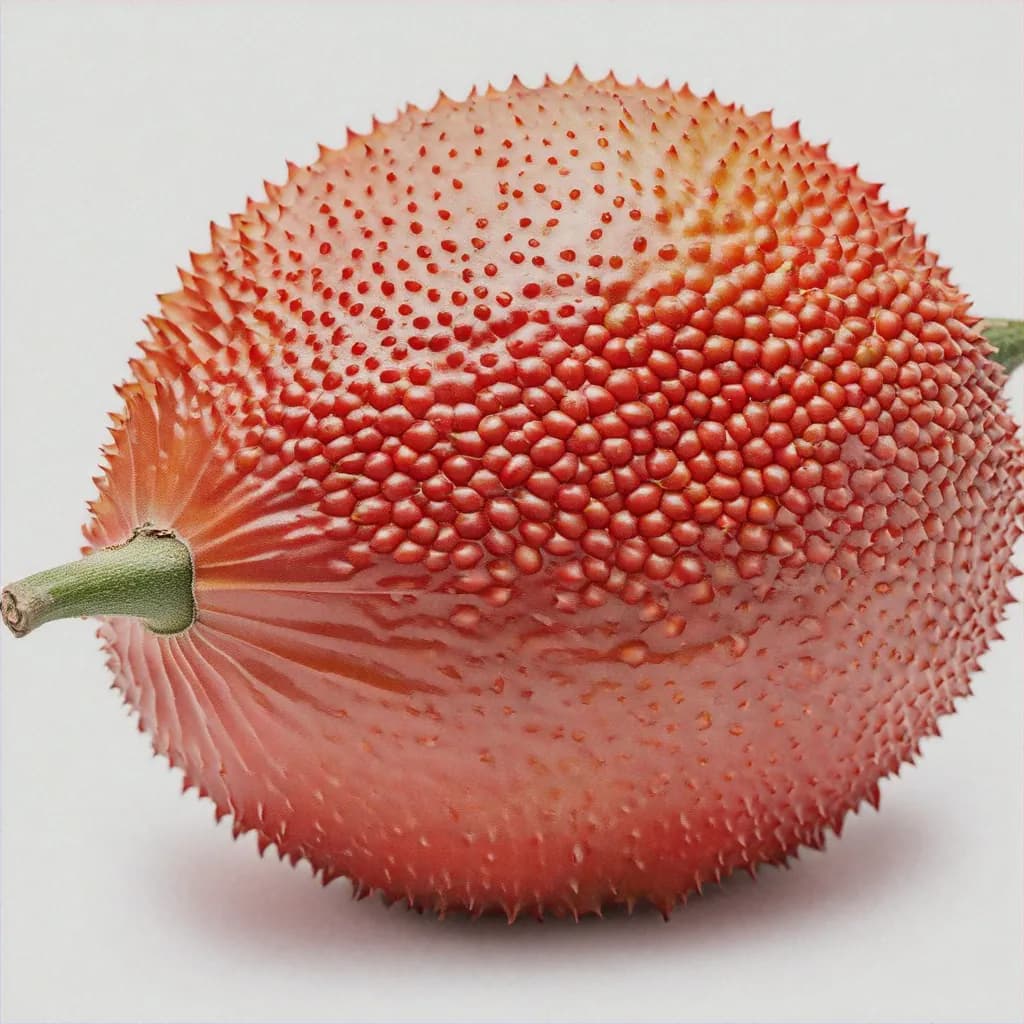
Momordica cochinchinensis
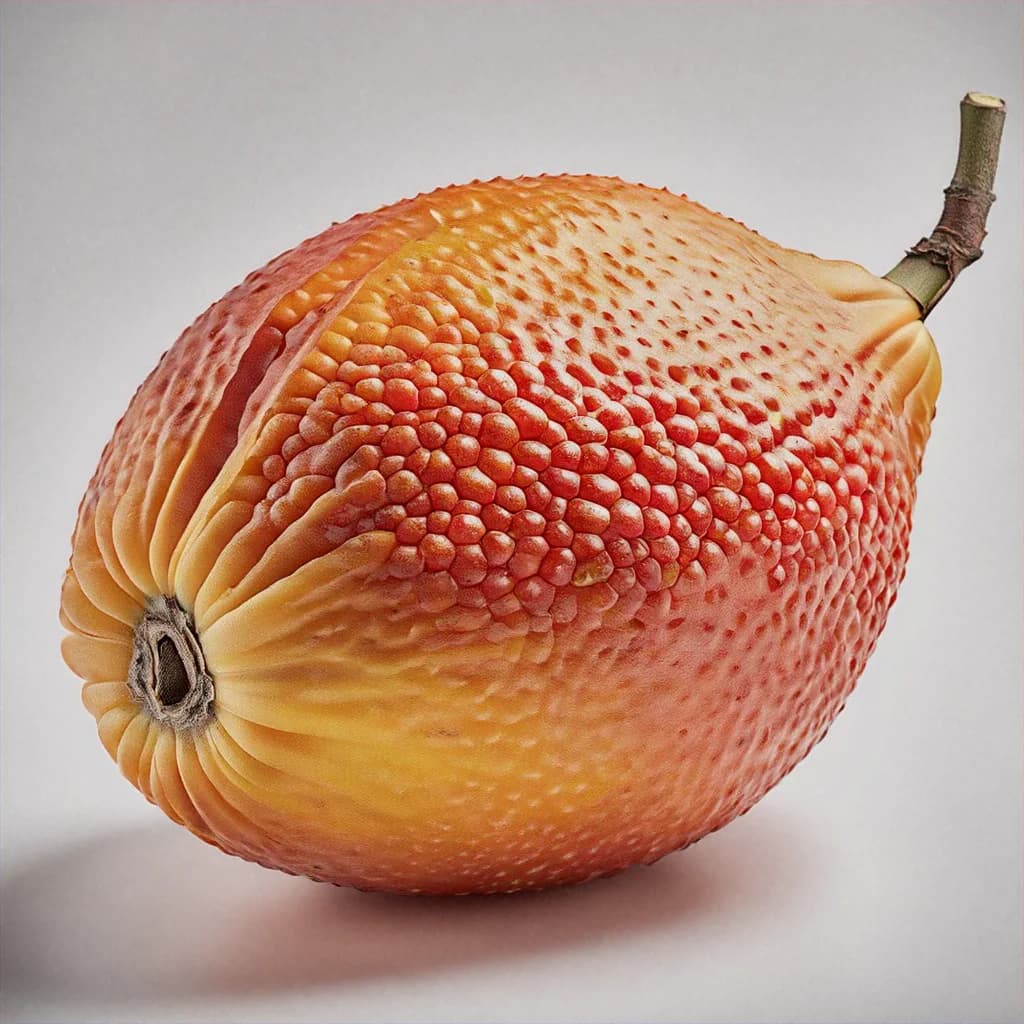
Gac fruit is a spiky, bright orange Southeast Asian superfruit prized for its exceptional lycopene and beta-carotene content, supporting vision, immune function, and cardiovascular health. Rich in vitamin A (273% DV) and lycopene, gac delivers remarkable antioxidant power at just 20 calories per 100g with beneficial fat-soluble nutrients. Revered in traditional Vietnamese, Cambodian, and Thai cuisines, gac is increasingly recognized by nutritionists as one of Earth's most nutrient-dense fruits. Perfect for traditional sticky rice, modern smoothies, and health-focused culinary applications.
Explore Gac Fruit in stunning detail
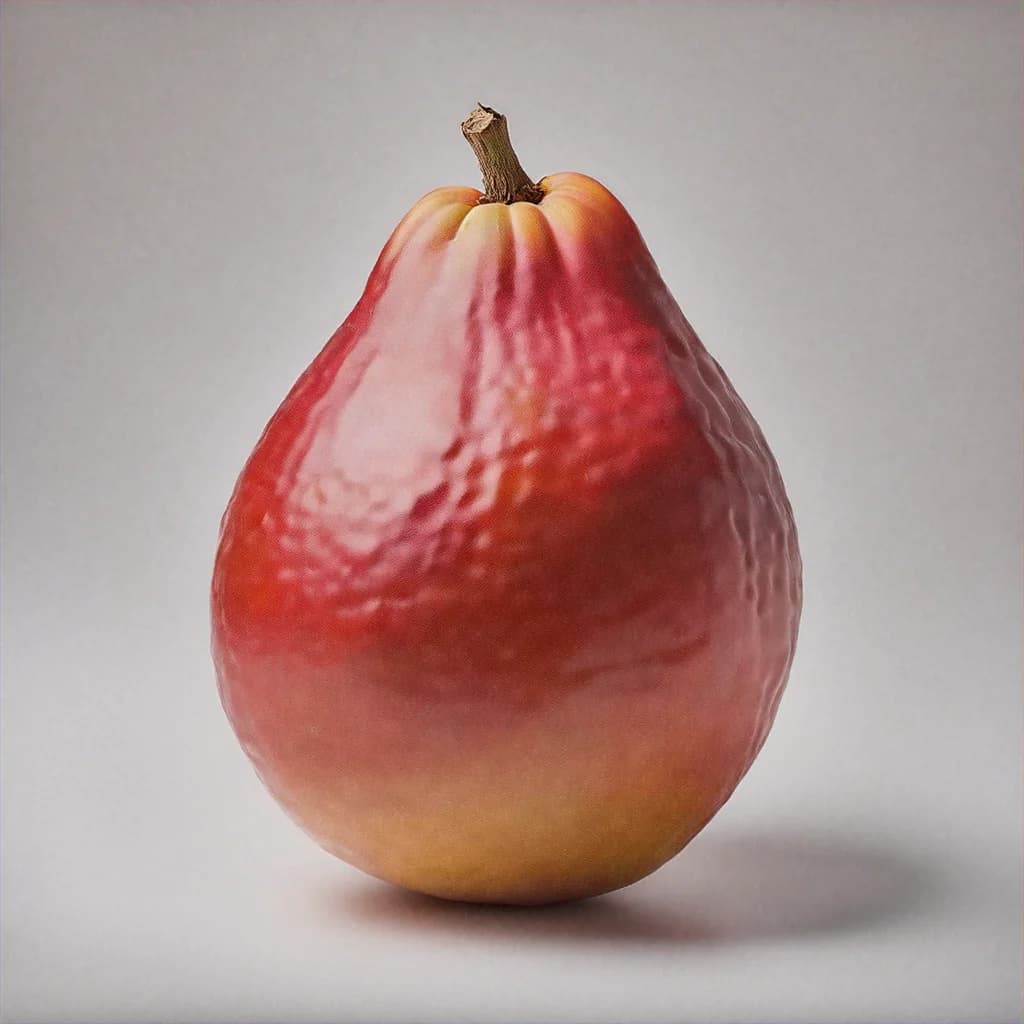
Gac Fruit - Main View
Per 100g
Per 100g
Nutrition breakdown for one serving
Southeast Asia
Gac fruit has been cultivated and celebrated in Southeast Asia for centuries, particularly in Vietnam where it's called 'baby watermelon' and featured in traditional sticky rice dishes during celebrations. Revered in traditional medicine for its exceptional nutritional and health-supporting properties, gac represents Southeast Asia's ancient wisdom about superfoods.
Peak season August-November
Each variety offers unique flavors, textures, and culinary applications
Keep your fruit fresh and delicious for longer
Select bright orange gac fruits that yield slightly to gentle pressure
Avoid dull, discolored, or soft fruits with visible damage
Choose fruits with prominent spiky bumps indicating freshness and nutritional maturity
Gac fruit should feel firm but not hard; excessive hardness indicates immaturity
Fresh gac has vibrant orange color with no brown spots or mold
Store fresh gac at room temperature for 2-3 days until ripeness is achieved
Refrigerate ripe gac fruits in produce drawer for up to 1 week
Freeze gac puree in ice cube trays for up to 6 months for convenient smoothie use
Freeze whole seeds with surrounding flesh in freezer bags for up to 8 months
Dried gac chips store for 1+ years in airtight containers in cool, dry conditions
Preserve gac in traditional sticky rice dishes which store refrigerated for 3-5 days
Traditional Vietnamese preservation: gac seed oil stores for 1+ year in cool, dark conditions
Preserve freshness for months
Scoop out flesh and seeds, remove outer skin
Blend gac flesh into puree or freeze whole seeds separately
Freeze on parchment-lined trays before transferring to freezer bags to prevent clumping
Frozen gac maintains lycopene and vitamin A potency for 6-8 months at 0°F (-18°C)
Thaw frozen gac in refrigerator; use frozen seeds directly in smoothies
Freeze gac oil separately for long-term storage and culinary use
Label frozen items with the date to track freshness. Most fruits maintain quality for 2-3 months when properly frozen. For best results, use airtight containers or freezer bags to prevent freezer burn.
Discover delicious possibilities
Gac allergies are rare. Individuals sensitive to gourd family (Cucurbitaceae) vegetables may experience mild sensitivity.
Gac from certified growers is typically pesticide-free due to traditional cultivation methods. Purchase from reputable Southeast Asian sources specializing in traditional fruit cultivation.
Surprising trivia you'll love!
Gac fruit contains 70 times more lycopene per serving than tomatoes, making it the world's most lycopene-concentrated food
Vietnamese culture celebrates gac fruit during Tet (Lunar New Year) as a symbol of prosperity and good health
Gac seed oil is used in traditional Southeast Asian medicine for skin health, fertility support, and overall vitality
The fruit's name 'gac' comes from the Vietnamese language and literally refers to its spiky appearance
Gac is so nutrient-dense that consuming a small portion daily can provide significant vitamin A for weeks
Modern nutritional science increasingly validates gac's traditional reputation as a supreme health fruit
Gac fruit is one of the rare foods combining exceptional vitamin A with rare bioavailable lycopene in single fruit
Traditional Vietnamese belief: eating xôi gấc (gac sticky rice) brings luck and health for the new year
Gac seed oil has a distinctive orange-red color from concentrated carotenoids and lycopene
Research suggests gac's unique combination of nutrients may support longevity and age-related disease prevention more effectively than other superfruits
Gac (Momordica cochinchinensis) is a bright orange spiky superfruit native to Southeast Asia, particularly Vietnam, Cambodia, and Thailand. Called 'baby watermelon' in Vietnamese, gac has been cultivated for centuries and is celebrated for exceptional lycopene and vitamin A content supporting comprehensive health.
Gac earns superfruit status through exceptional nutrient density: 273% DV vitamin A, 42% DV vitamin C, extraordinary lycopene concentration (more bioavailable than tomatoes), at only 20 calories per 100g with low glycemic index (25). Few fruits deliver such comprehensive nutritional power at such low caloric cost.
Gac contains 10-70 times more lycopene per serving than tomatoes, with significantly greater bioavailability due to the fruit's fat content. Additionally, gac's lycopene exists in more stable, absorbable forms, making it superior for cardiovascular and cellular health support.
Gac is exceptional for eye health with 273% DV vitamin A plus high lycopene and polyphenol content. This combination supports vision clarity, reduces macular degeneration risk, protects against oxidative eye damage, and promotes overall ocular wellness—making gac one of the most eye-supporting fruits available.
Xôi gấc is a traditional Vietnamese celebration dish of sticky rice colored and enriched with gac puree and seeds. Served during Tet (Lunar New Year) and special occasions, it symbolizes prosperity and health. The gac provides vibrant color, nutritional richness, and cultural significance in Vietnamese culinary tradition.
Yes, gac seeds are highly nutritious and are the most valued part of the fruit. Rich in fatty acids, carotenoids, and lycopene, gac seeds are consumed directly, used to extract gac seed oil, or processed into traditional preparations. The seeds and surrounding flesh together provide complete nutritional benefit.
Fresh gac is available at Southeast Asian markets and farmers markets (August-November peak season). Year-round options include frozen gac puree, gac seed oil, dried gac, and gac supplements from Asian food retailers, health food stores, and online specialty markets.
Gac has mild, slightly sweet flavor with creamy texture from the seeded interior. The taste is subtle and pleasant rather than intensely fruity—similar to mild melon or pumpkin. The flavor is less important than its nutritional profile; gac's real value lies in its exceptional vitamin A, lycopene, and antioxidant content.
Sustainability insights
Gac fruit cultivation supports Southeast Asian agricultural traditions and biodiversity. Support organic and sustainably cultivated gac from certified growers honoring traditional farming practices.
Locally harvested gac in Southeast Asia has minimal carbon footprint. Choose locally sourced gac over imported to reduce transportation impact while supporting regional farmers.
Gac cultivation requires moderate water suitable to Southeast Asian climates. Support rain-fed or sustainably irrigated cultivation over water-intensive alternatives.
Purchase from Southeast Asian producers to support traditional livelihoods, maintain cultural food practices, preserve agricultural knowledge, and minimize global carbon footprint.
We aim to keep this Gac Fruit profile accurate and easy to understand. Nutrition values and % Daily Value figures are based on established reference databases and standard daily value guidance.
Last updated: September 8, 2026
Medical disclaimer
This page is for general educational purposes and does not replace professional medical advice.
Found an issue? Contact us.