Loading Fruit Details...
Please wait while we fetch nutritional information and health benefits
Please wait while we fetch nutritional information and health benefits
Recommended Products
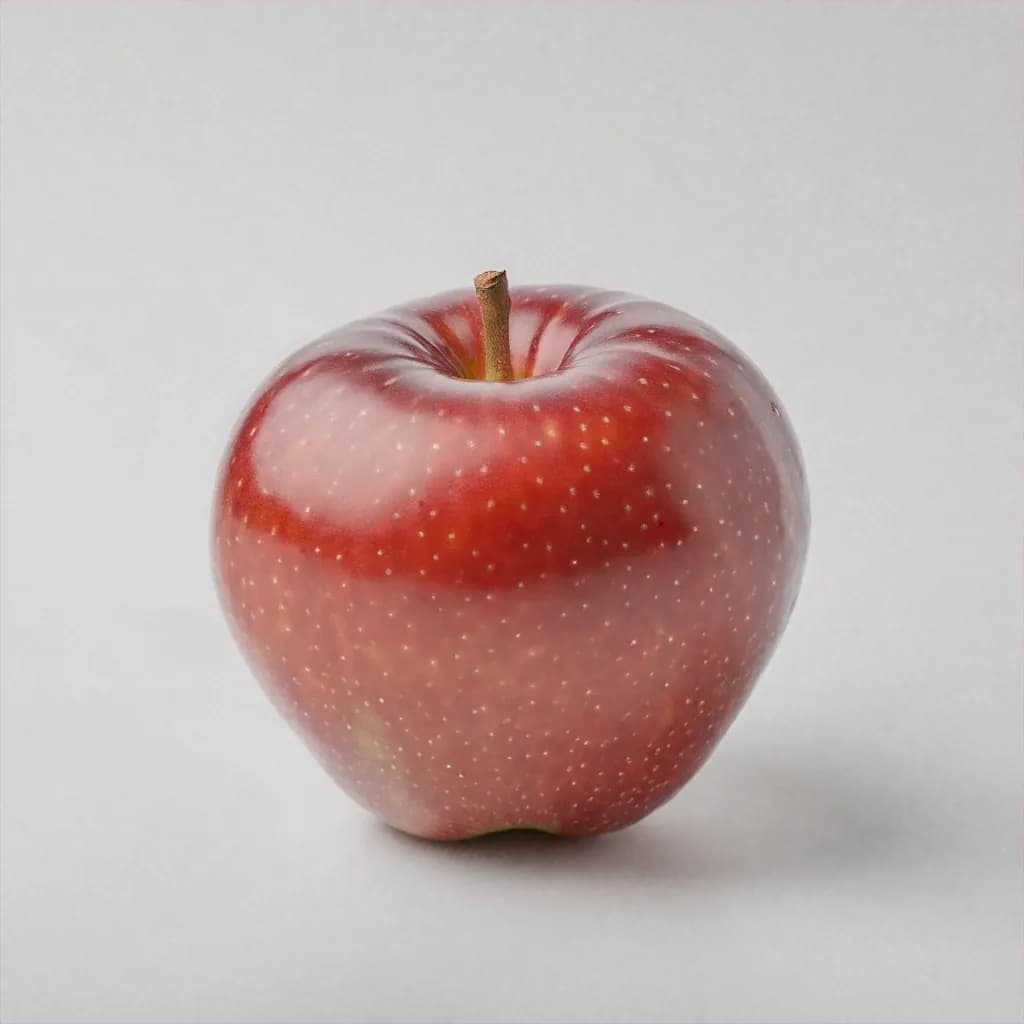
Syzygium malaccense
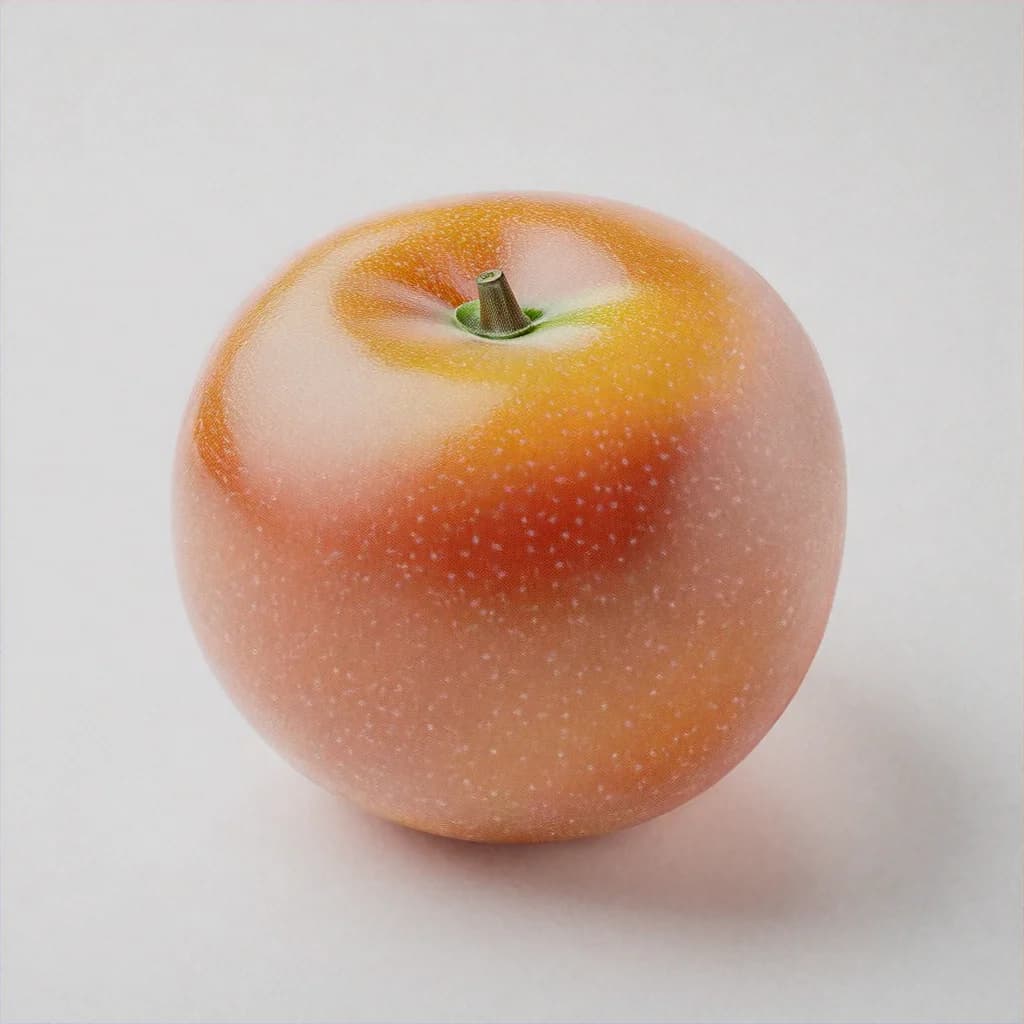
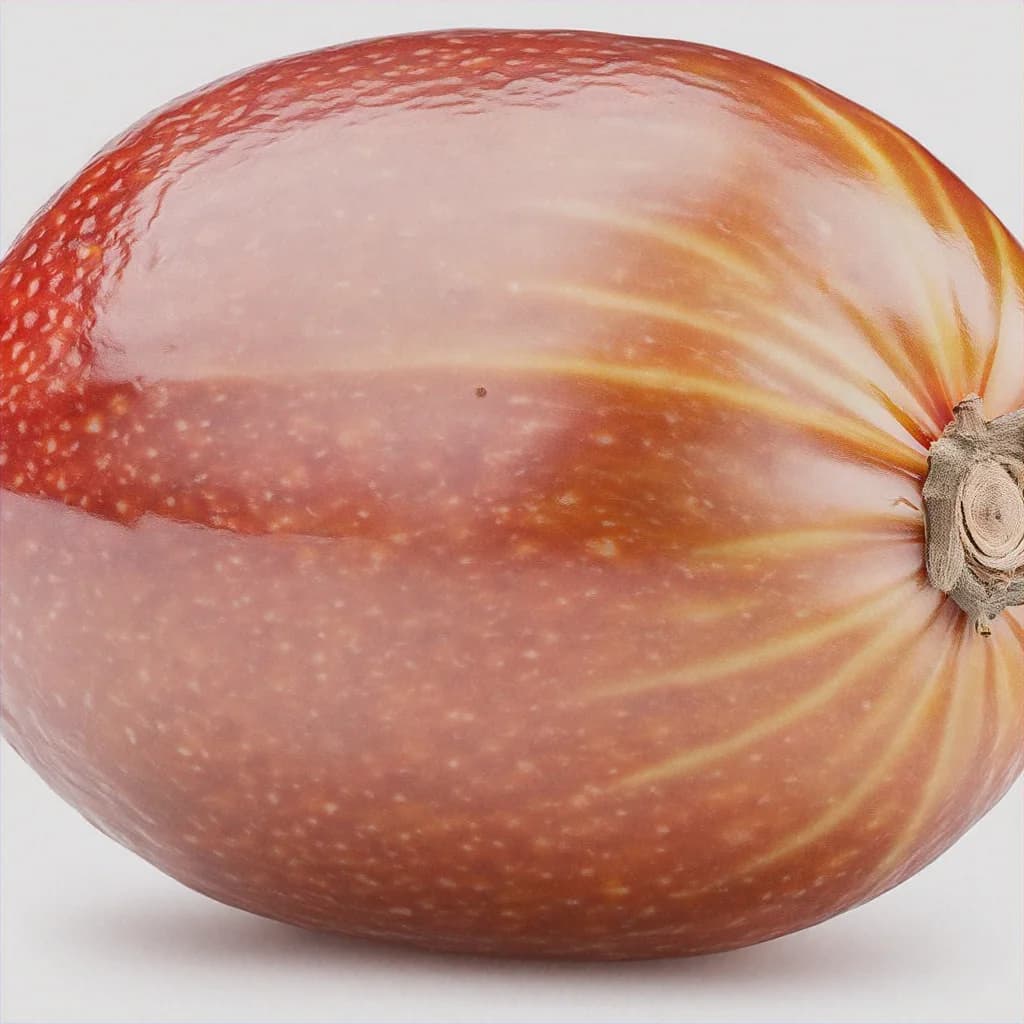
Malay apple is a tropical, water-rich fruit known for its crisp texture, mildly sweet flavor, and refreshing qualities. Native to Southeast Asia, Malay apple provides good vitamin C (27% DV per 100g), moderate fiber, and high hydration benefits. With its deep red skin and white to pinkish flesh, Malay apple supports immune health, skin wellness, and digestion. At approximately 30 calories per 100g and very high water content, Malay apple is widely valued in tropical nutrition, summer hydration diets, and traditional wellness practices.
Explore Malay Apple in stunning detail
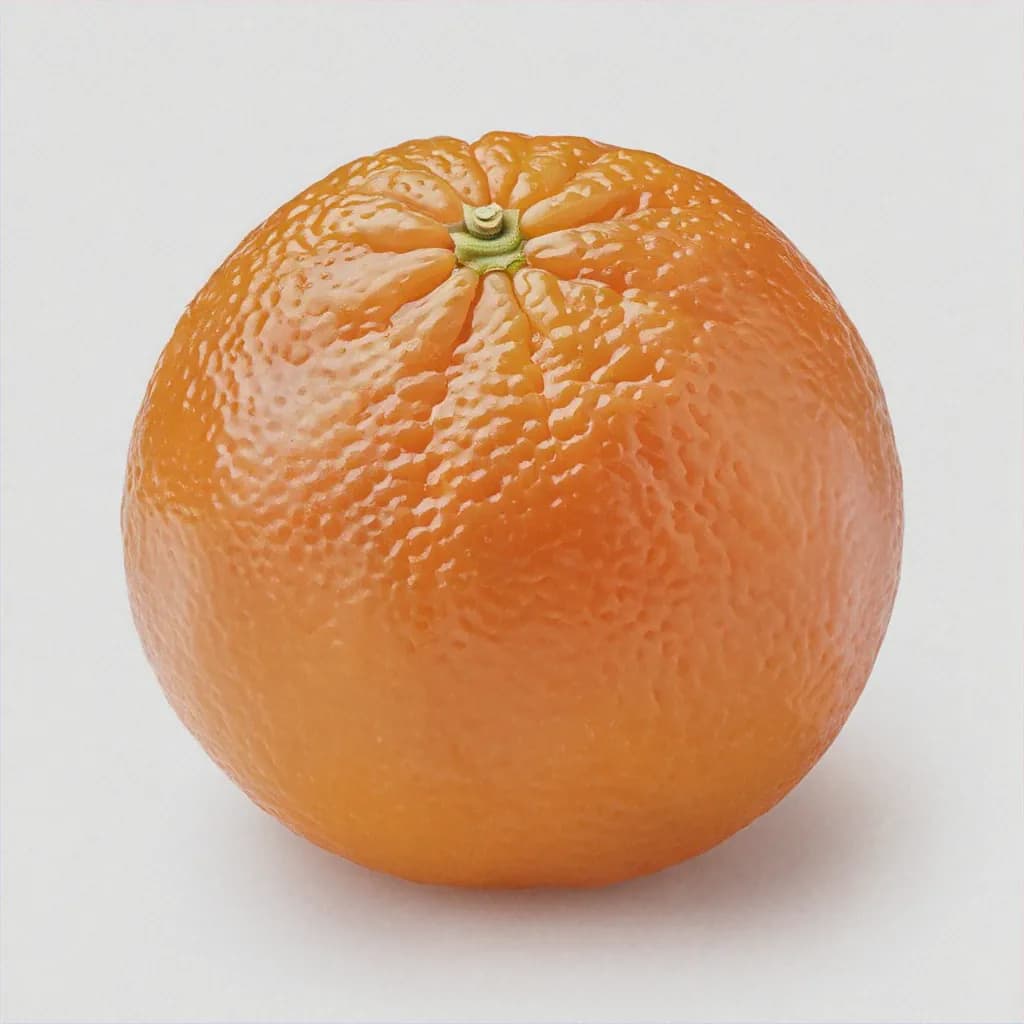
Malay Apple - Main View
Per 100g
Per 100g
Nutrition breakdown for one serving
Southeast Asia and the Malay Archipelago
Malay apple (Syzygium malaccense) has been cultivated in Southeast Asia for centuries and later spread to tropical regions worldwide. Traditionally consumed fresh, it has been valued for hydration, cooling properties, and medicinal uses in folk practices.
Peak harvest April–July
Each variety offers unique flavors, textures, and culinary applications
Keep your fruit fresh and delicious for longer
Choose fruits with glossy, firm skin
Select deep red color without blemishes
Avoid fruits with cracks or soft spots
Choose fruits that feel heavy for their size
Consume fresh for best flavor
Refrigerate to extend shelf life
Store uncut in breathable containers
Preserve freshness for months
Not ideal for freezing due to high water content
Best consumed fresh or chilled
Label frozen items with the date to track freshness. Most fruits maintain quality for 2-3 months when properly frozen. For best results, use airtight containers or freezer bags to prevent freezer burn.
Discover delicious possibilities
Allergies to Malay apple are rare but possible in sensitive individuals.
Wash thoroughly before consumption to remove surface residues.
Surprising trivia you'll love!
Malay apple is also called mountain apple or rose apple in some regions
The tree can grow up to 18 meters tall
The fruit is often used in traditional medicines
Malay apple flowers are bright red and ornamental
It is commonly eaten chilled for a cooling effect
Malay apple is a tropical fruit from the Syzygium malaccense species, known for its crisp texture, mild sweetness, and high water content.
Yes, Malay apple contains over 90% water, making it excellent for hydration, especially in hot and humid climates.
Yes, it provides vitamin C, fiber, antioxidants, and minerals that support immunity, digestion, and overall wellness.
Yes, the fiber content in Malay apple supports digestion and healthy bowel movement.
Yes, Malay apple has a low glycemic load and can be consumed in moderation by people with diabetes.
Yes, Malay apple can be eaten daily as part of a balanced diet due to its low calorie and high hydration value.
Malay apples should be stored in the refrigerator and consumed within a week for best freshness.
Yes, Malay apple is safe for children when washed properly and served in appropriate portions.
Malay apple has a mildly sweet, refreshing taste with a crisp, juicy texture and a subtle floral aroma.
Yes, the vitamin C and antioxidant compounds in Malay apple help support collagen production, skin hydration, and protection against oxidative damage.
Sustainability insights
Malay apple trees support tropical biodiversity and shade-based farming.
Lower when consumed locally in tropical regions.
Moderate water requirement typical of tropical fruit trees.
Local consumption reduces transportation emissions.
We aim to keep this Malay Apple profile accurate and easy to understand. Nutrition values and % Daily Value figures are based on established reference databases and standard daily value guidance.
Last updated: September 12, 2026
Medical disclaimer
This page is for general educational purposes and does not replace professional medical advice.
Found an issue? Contact us.