Loading Fruit Details...
Please wait while we fetch nutritional information and health benefits
Please wait while we fetch nutritional information and health benefits
Recommended Products
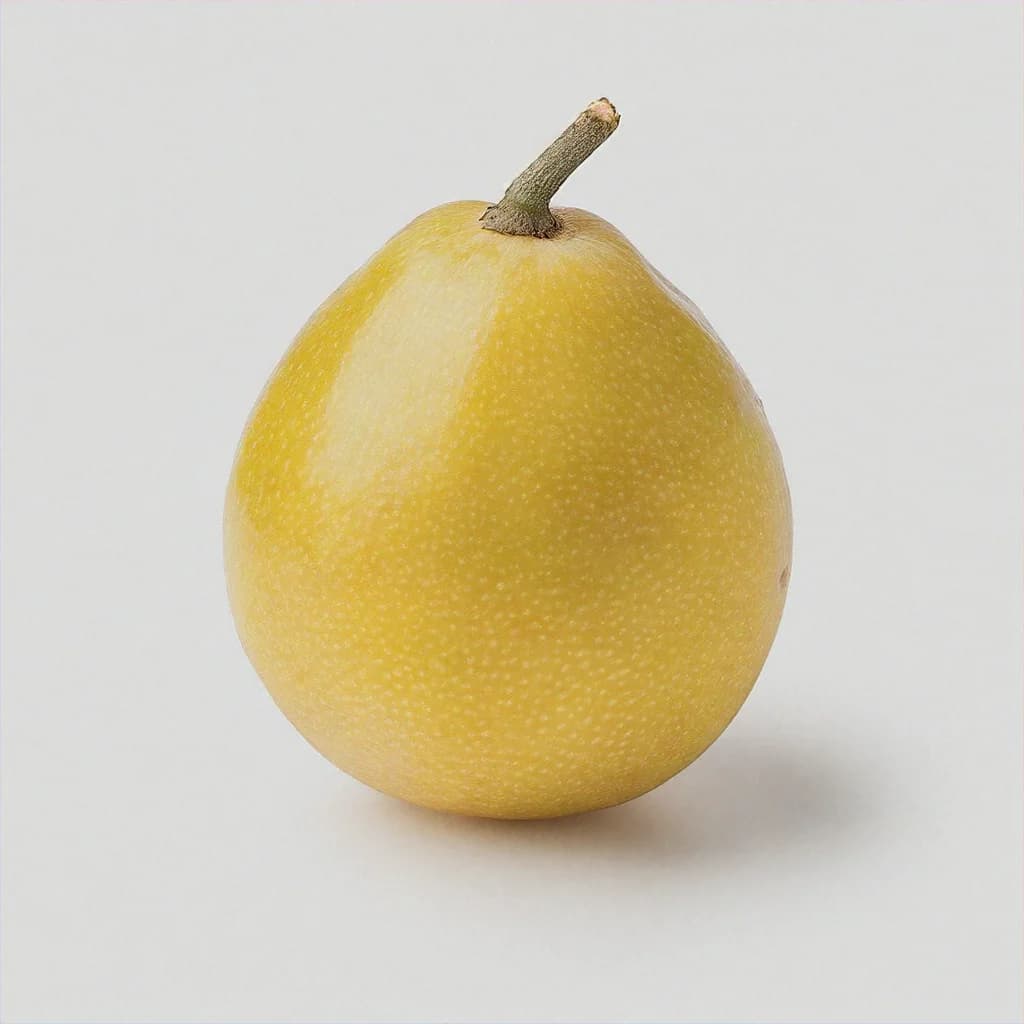
Eugenia malaccensis
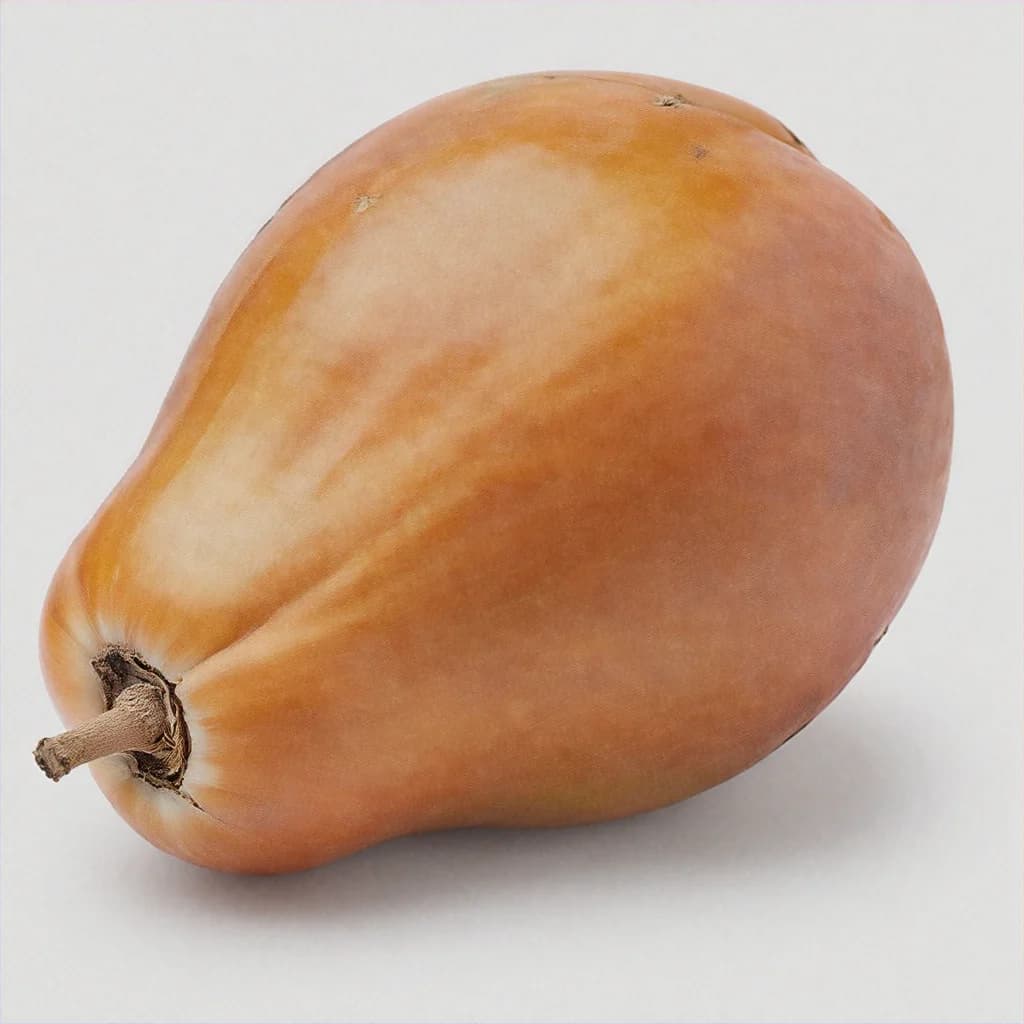
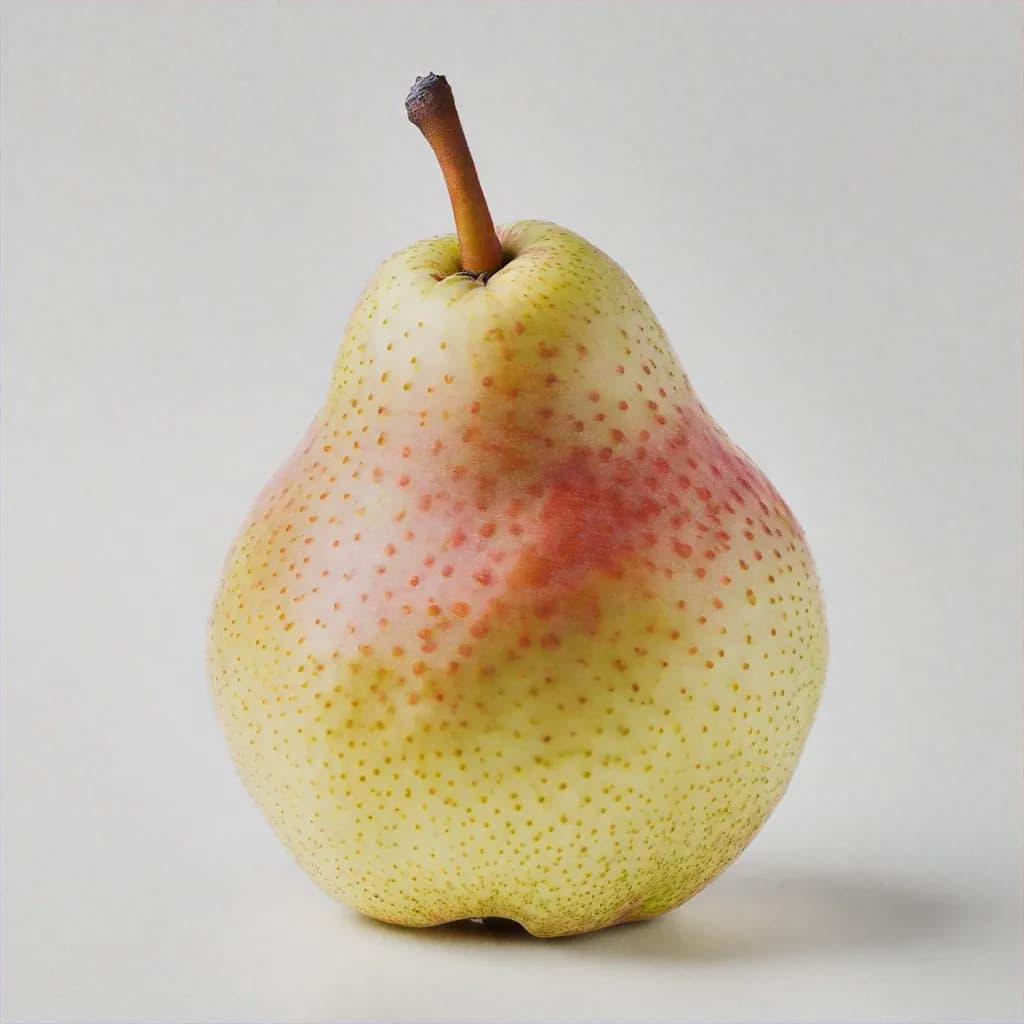
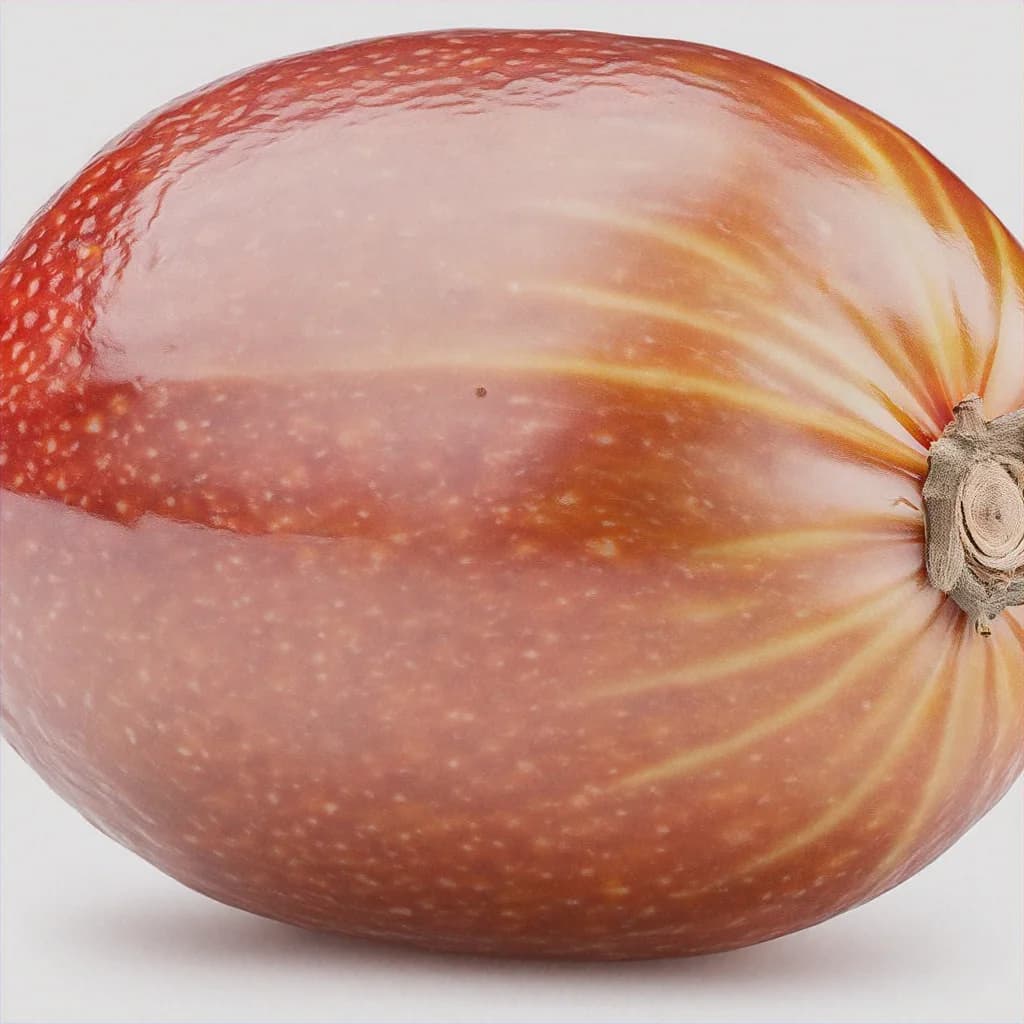
Eugenia Malaccensis, commonly known as the Malay apple or mountain apple, is a tropical fruit native to Southeast Asia. This fruit is celebrated for its crisp, juicy texture and mildly sweet flavor, reminiscent of a pear with a hint of rosewater. The fruit grows on evergreen trees and is typically round or slightly pear-shaped, with a glossy, vibrant red or pink skin. Its flesh is white and juicy, containing a single large seed. Beyond its culinary appeal, the Malay apple is rich in antioxidants, vitamins, and minerals, making it a nutritional powerhouse. Traditionally, it has been used in folk medicine for its anti-inflammatory properties and digestive benefits. Whether enjoyed raw, in salads, or as a refreshing beverage, the Malay apple is a versatile and healthful addition to any diet.
Explore Eugenia Malaccensis in stunning detail
Eugenia Malaccensis - Main View
Per 100g
Per 100g
Nutrition breakdown for one serving
Southeast Asia
The Malay apple has been cultivated for centuries in Southeast Asia, prized for its refreshing taste and medicinal properties. It was introduced to other tropical regions, including Central and South America, where it has become a popular fruit.
Year-round in tropical climates
Each variety offers unique flavors, textures, and culinary applications
Keep your fruit fresh and delicious for longer
Look for fruits with vibrant, unblemished skin.
Choose firm fruits with a slight give when gently pressed.
Store at room temperature for up to 3 days.
Refrigerate to extend shelf life up to 1 week.
Preserve freshness for months
Freeze whole or sliced in airtight containers.
Use frozen fruit within 3 months for best quality.
Label frozen items with the date to track freshness. Most fruits maintain quality for 2-3 months when properly frozen. For best results, use airtight containers or freezer bags to prevent freezer burn.
Discover delicious possibilities
Allergies to Malay apples are rare but possible, especially for those allergic to related fruits like guava.
Minimal, as Malay apples are typically grown with low pesticide use.
Surprising trivia you'll love!
The Malay apple is often used in traditional Malaysian cuisine, such as in rojak, a spicy fruit salad.
The tree is evergreen and can produce fruit year-round in tropical climates.
The Malay apple has a mildly sweet flavor with a crisp, juicy texture, similar to a pear with hints of rosewater.
A ripe Malay apple will have vibrant red or pink skin and a firm texture with a slight give when gently pressed.
Yes, refrigerating Malay apples can extend their shelf life to about 1 week.
Malay apples can be eaten raw, added to salads, or used in tropical fruit smoothies.
The Malay apple contains about 12g of sugar per 100g, which is moderate compared to other fruits.
Malay apples are generally safe for most people, but those with allergies to related fruits (e.g., guava) should exercise caution.
Yes, Malay apple trees can be grown in tropical or subtropical climates with proper care.
Sustainability insights
Malay apple trees are drought-tolerant and require minimal water, making them a sustainable crop.
Low, as the fruit is typically grown and consumed locally in tropical regions.
Minimal, due to the tree's drought resistance.
Locally grown Malay apples are more sustainable than imported varieties.
We aim to keep this Eugenia Malaccensis profile accurate and easy to understand. Nutrition values and % Daily Value figures are based on established reference databases and standard daily value guidance.
Last updated: October 5, 2026
Medical disclaimer
This page is for general educational purposes and does not replace professional medical advice.
Found an issue? Contact us.