Loading Fruit Details...
Please wait while we fetch nutritional information and health benefits
Please wait while we fetch nutritional information and health benefits
Recommended Products
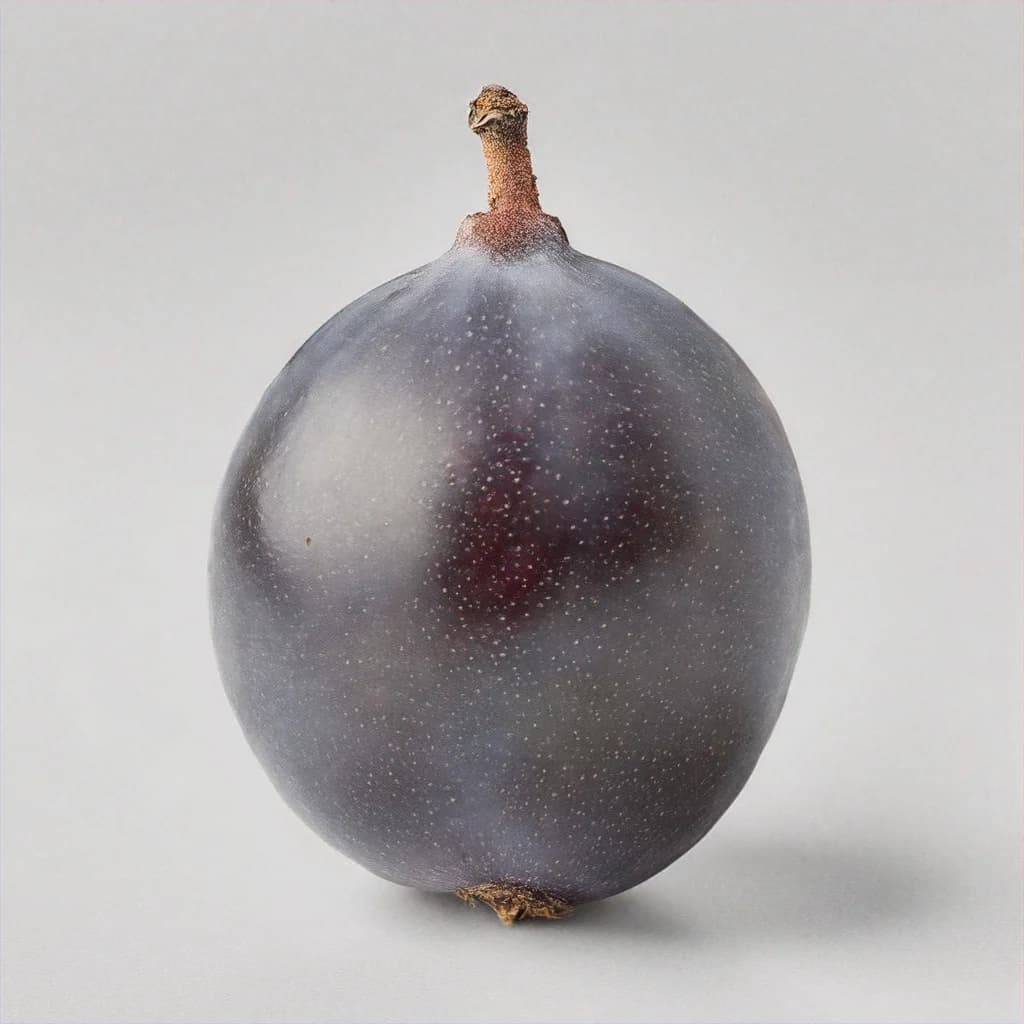
Grewia retusifolia
The Emu Berry, scientifically known as Grewia retusifolia, is a lesser-known but nutritionally rich fruit native to Australia. This small, round berry has a vibrant reddish-purple hue when ripe and boasts a sweet yet slightly tart flavor profile. It is highly valued for its unique taste and versatility in culinary applications, from jams and jellies to baked goods and beverages. Beyond its culinary appeal, the Emu Berry is celebrated for its impressive nutritional profile, packed with essential vitamins, minerals, and antioxidants that contribute to its numerous health benefits. Whether enjoyed fresh, dried, or in preserves, this fruit is a delightful addition to any diet, offering both flavor and wellness.
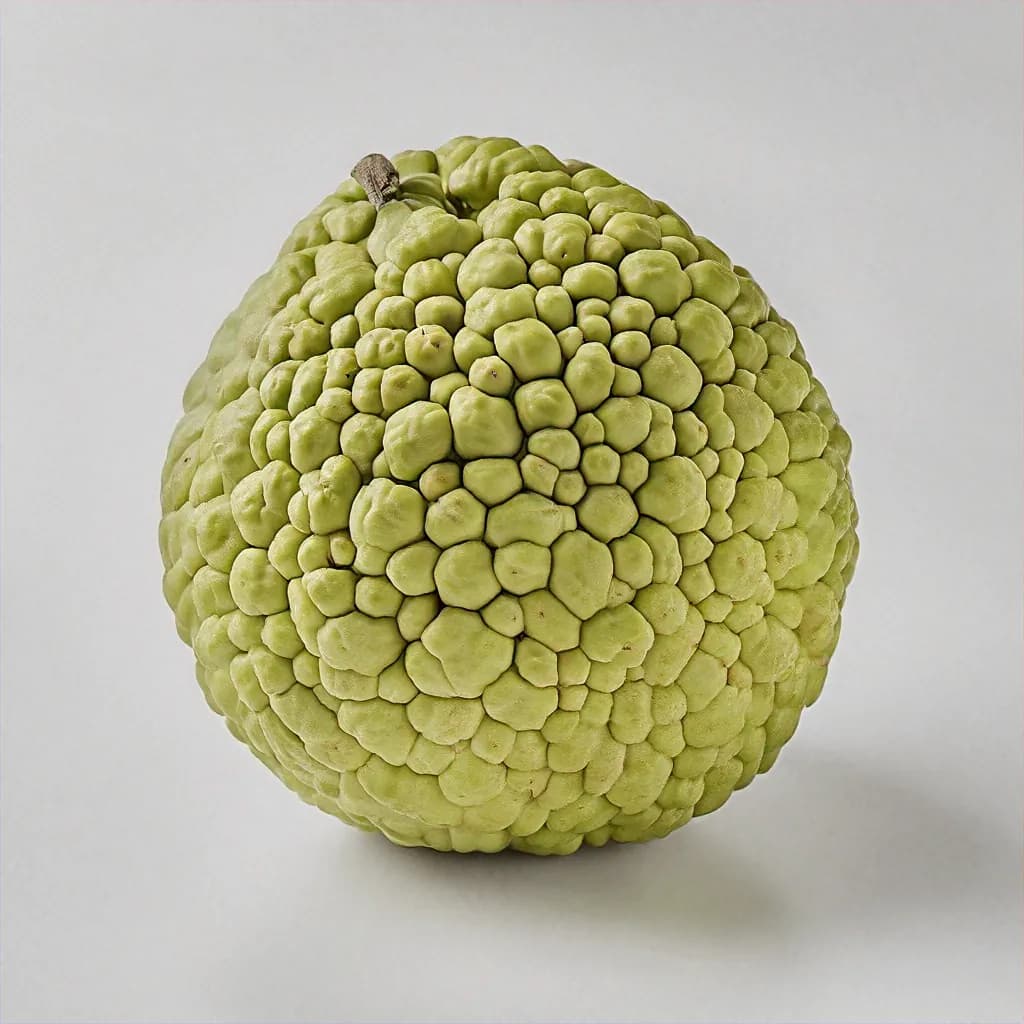
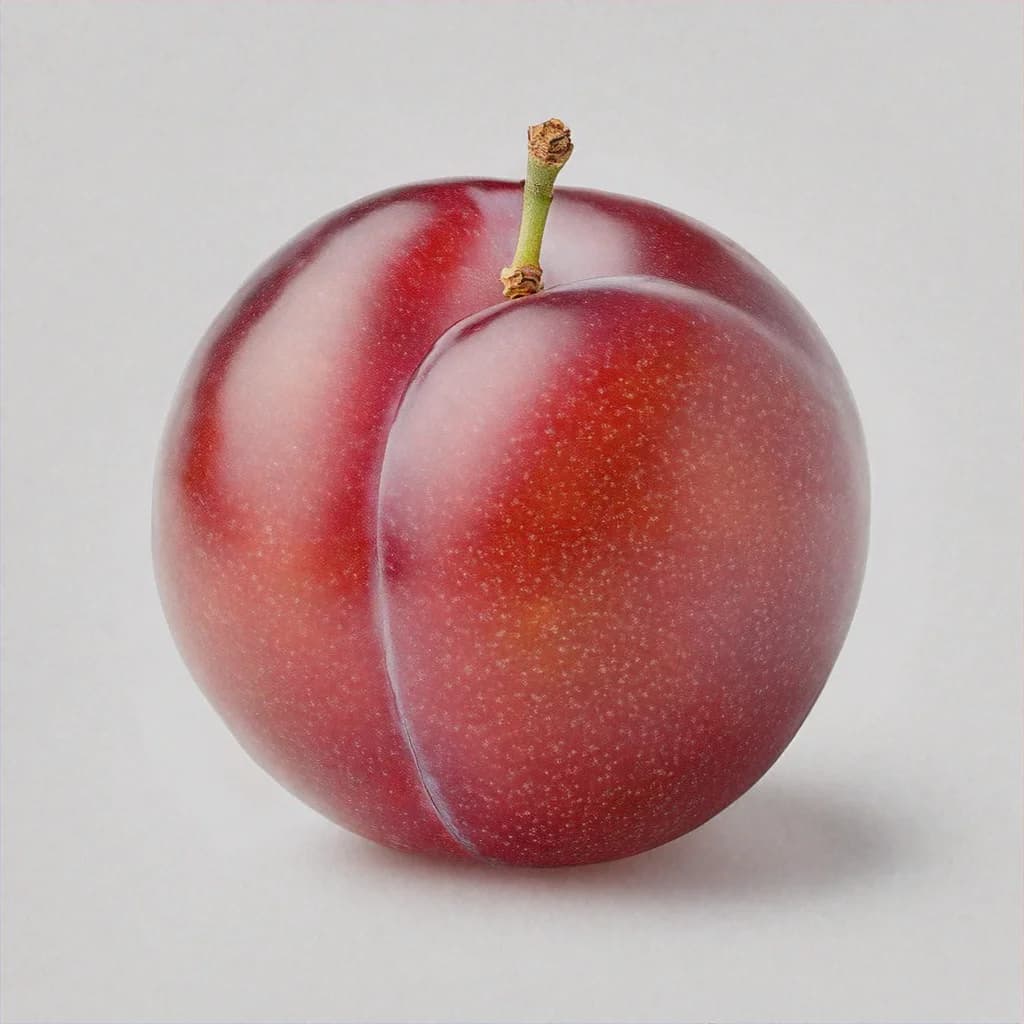
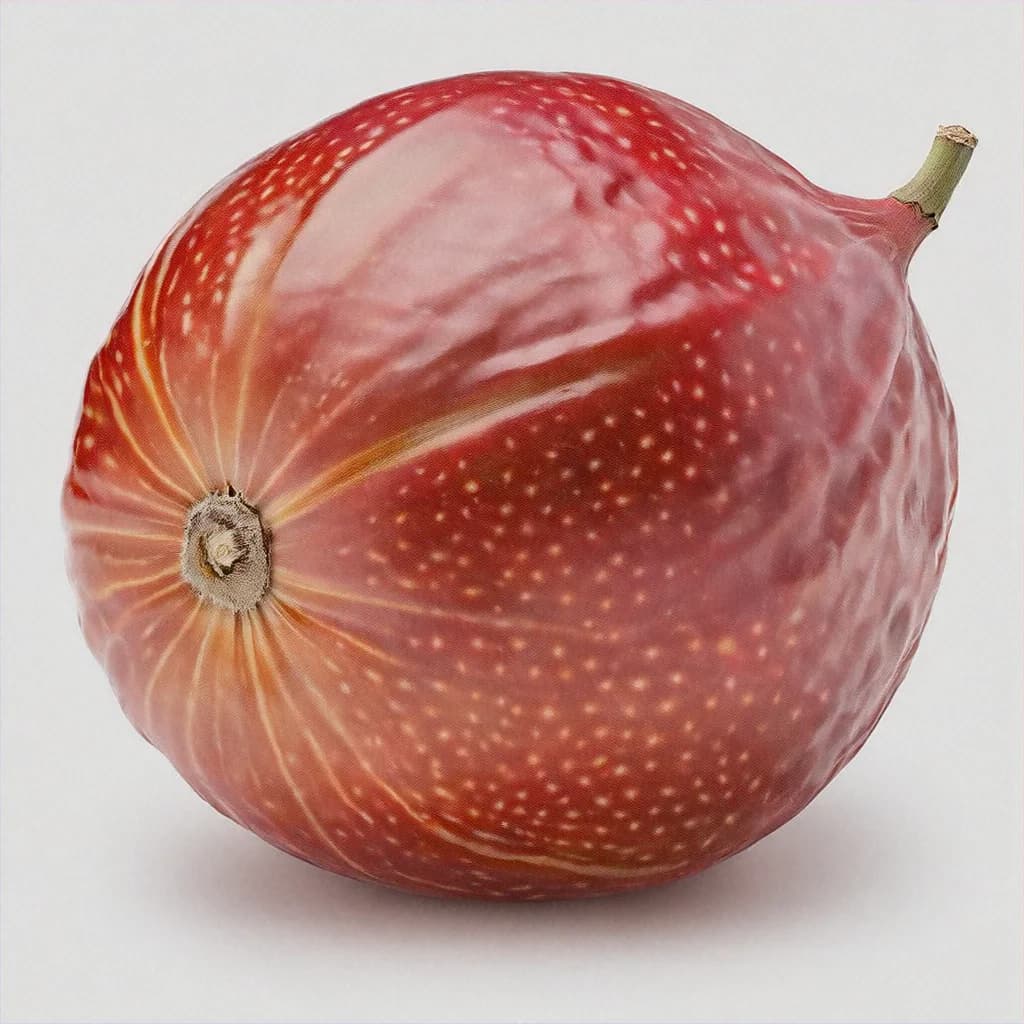
Explore Emu Berry in stunning detail
Emu Berry - Main View
Per 100g
Per 100g
Nutrition breakdown for one serving
Australia
The Emu Berry has been a staple in the diets of indigenous Australians for centuries, valued for its nutritional and medicinal properties. It has gained recognition in modern culinary circles for its unique taste and health benefits.
Late spring to early summer
Each variety offers unique flavors, textures, and culinary applications
Keep your fruit fresh and delicious for longer
Look for berries that are plump, firm, and free of blemishes.
Avoid berries that appear shriveled or have mold, as these are signs of spoilage.
Store fresh Emu Berries in the refrigerator to extend their shelf life.
Keep them in a sealed container or plastic bag to prevent moisture loss.
Preserve freshness for months
Freeze Emu Berries in a single layer on a tray before transferring to an airtight container.
Frozen berries can be used in smoothies, jams, or baking recipes.
Label frozen items with the date to track freshness. Most fruits maintain quality for 2-3 months when properly frozen. For best results, use airtight containers or freezer bags to prevent freezer burn.
Discover delicious possibilities
Allergic reactions to Emu Berries are rare, but individuals with known fruit allergies should exercise caution.
Emu Berries are generally low in pesticide residues, but organic options are available for those concerned about pesticide exposure.
Surprising trivia you'll love!
Emu Berries have been a staple in indigenous Australian diets for centuries.
The berries are named after the emu, a large flightless bird native to Australia.
Emu Berries have a sweet yet slightly tart flavor, similar to a combination of blueberries and cranberries.
Ripe Emu Berries are plump, firm, and have a reddish-purple hue. Avoid berries that are green or hard, as they are not fully ripe.
Yes, Emu Berries can be frozen for up to 6 months. Freeze them in a single layer on a tray before transferring to an airtight container.
Emu Berries are commonly used in jams, jellies, baked goods, and smoothies due to their unique flavor and nutritional profile.
No, Emu Berries are relatively low in sugar compared to many other fruits, making them a healthier option for those monitoring their sugar intake.
Yes, Emu Berries are rich in antioxidants, fiber, Vitamin C, and potassium, offering benefits like improved immune function, digestive health, and heart health.
Yes, Emu Berries can be used to make teas, smoothies, and other beverages, adding both flavor and nutritional value.
Sustainability insights
Emu Berries are a sustainable fruit option, as they are often grown using traditional, low-impact methods.
Low, due to minimal processing and local cultivation.
Moderate, as Emu Berries are drought-tolerant and require less water than many other fruits.
Locally grown Emu Berries are more sustainable and have a lower carbon footprint compared to imported varieties.
We aim to keep this Emu Berry profile accurate and easy to understand. Nutrition values and % Daily Value figures are based on established reference databases and standard daily value guidance.
Last updated: October 6, 2026
Medical disclaimer
This page is for general educational purposes and does not replace professional medical advice.
Found an issue? Contact us.