Loading Fruit Details...
Please wait while we fetch nutritional information and health benefits
Please wait while we fetch nutritional information and health benefits
Recommended Products
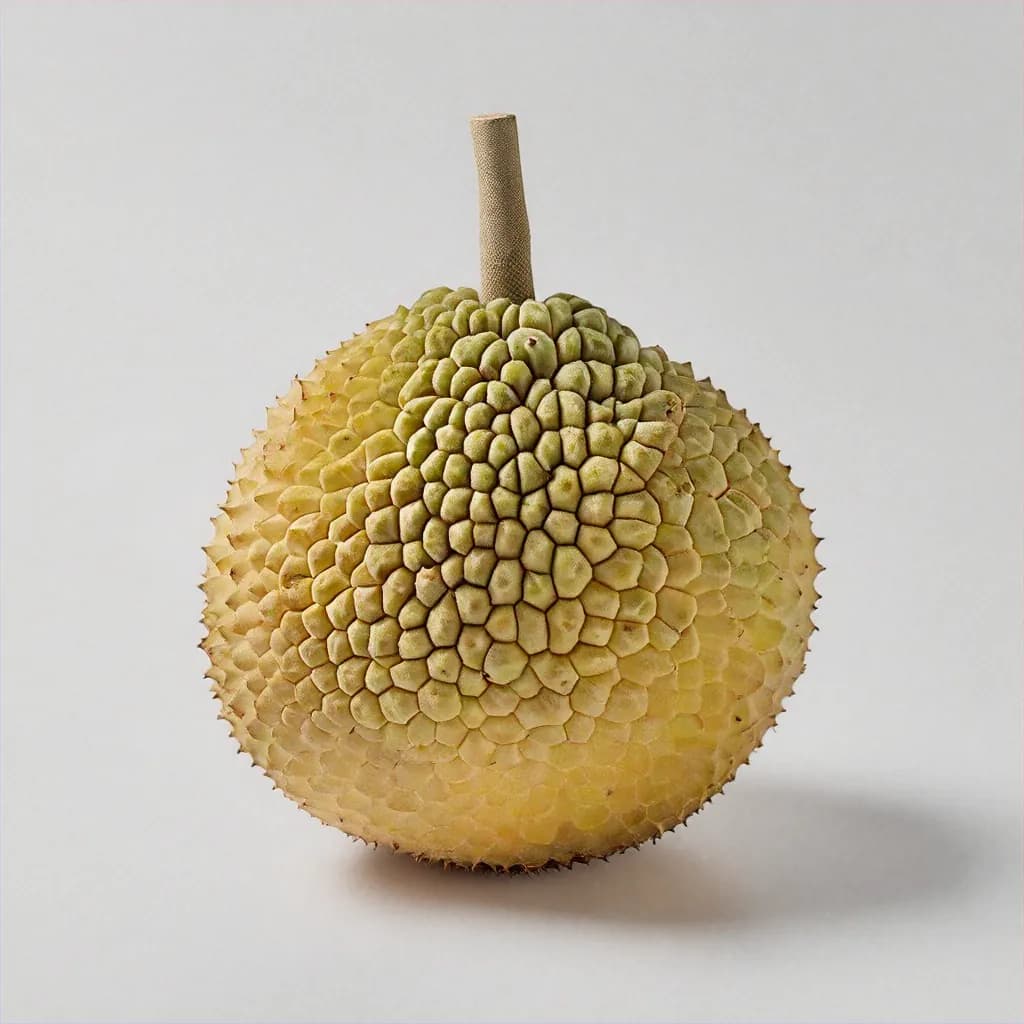
Artocarpus integer
Chempedak is a tropical Southeast Asian fruit similar to jackfruit with softer texture and sweeter flavor. Excellent source of vitamin C (26% DV) supporting immune function and antioxidant defense. Rich in carbohydrates (40g) providing sustained energy for active lifestyles. Good source of fiber (4g) supporting digestive health and regular bowel function. Contains potassium (12% DV) supporting heart health and blood pressure regulation. Low in fat (1g) ideal for weight management. Creamy yellow segments with mild sweet tropical flavor. High in tryptophan supporting mood and sleep quality. Native to Malaysia, chempedak gaining popularity worldwide as nutritious tropical superfruit.
Explore Chempedak in stunning detail
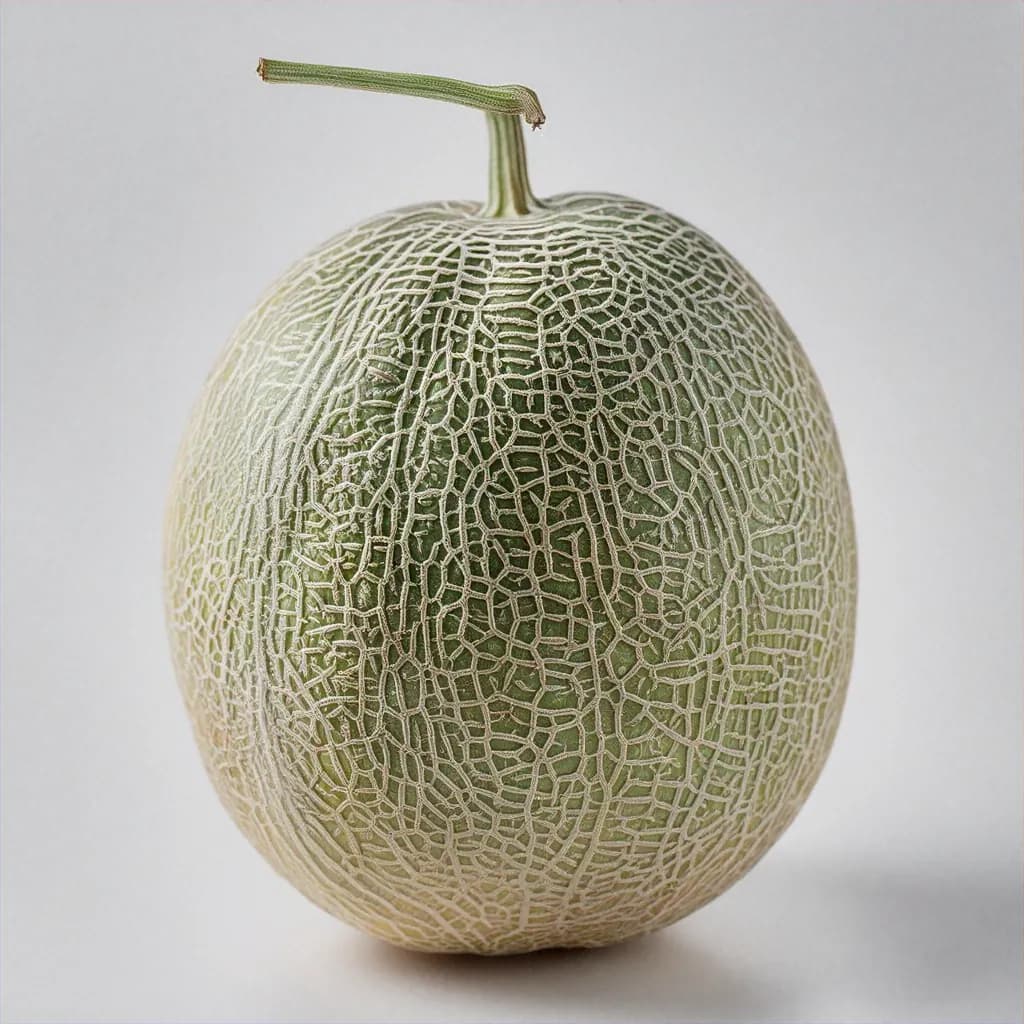
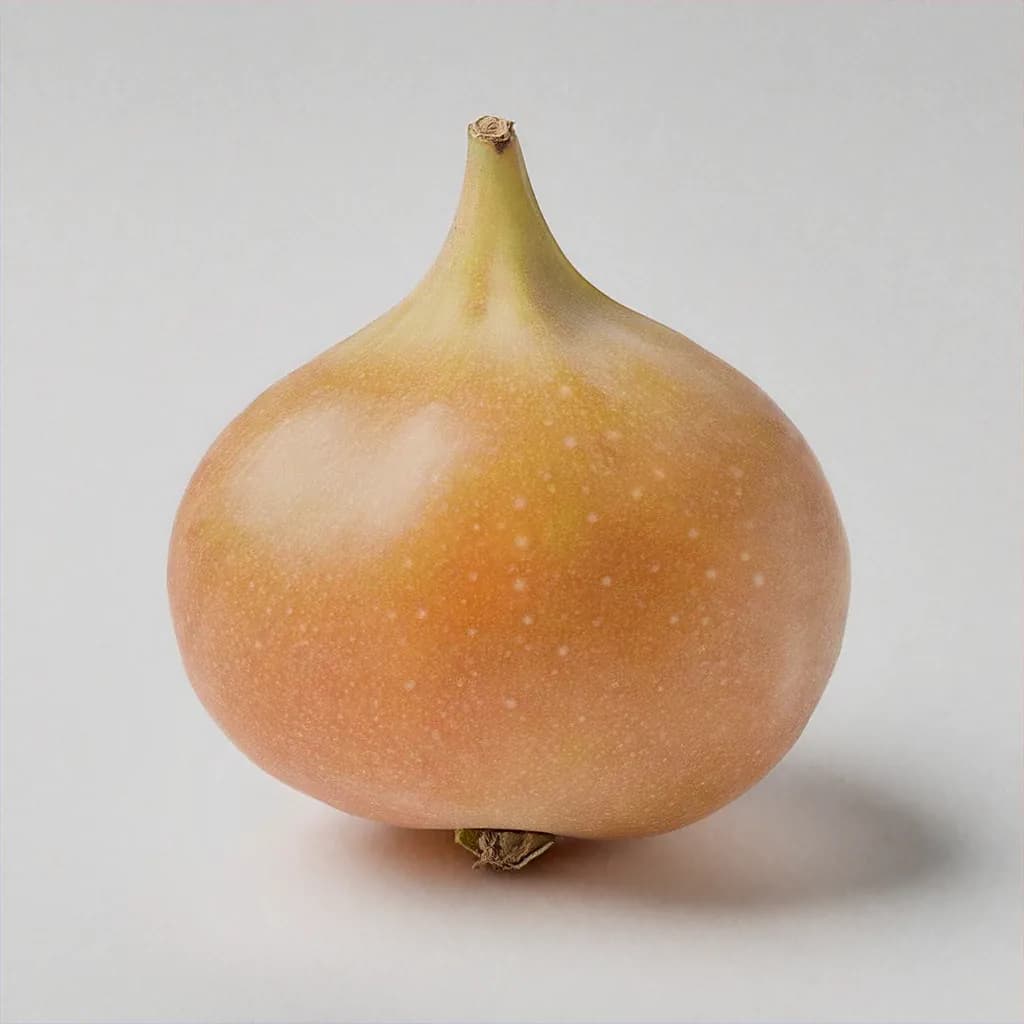
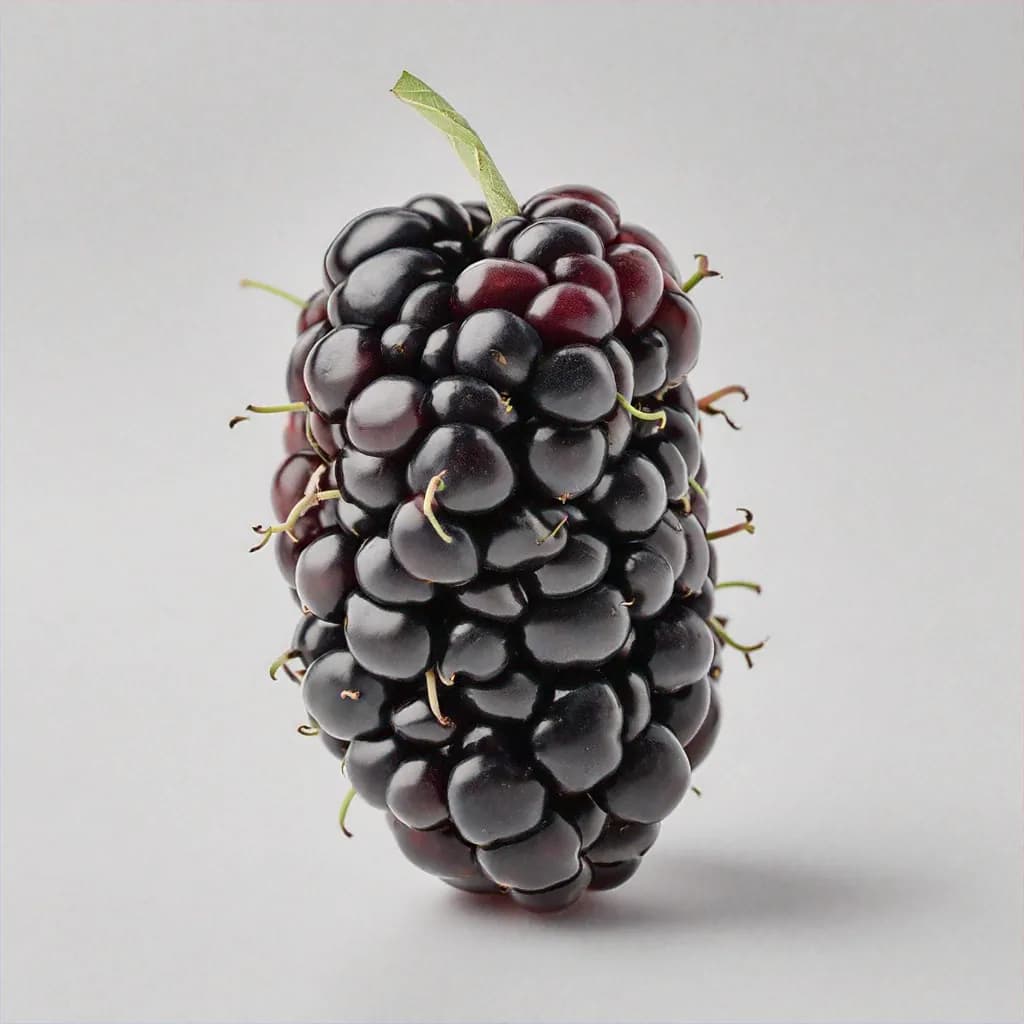
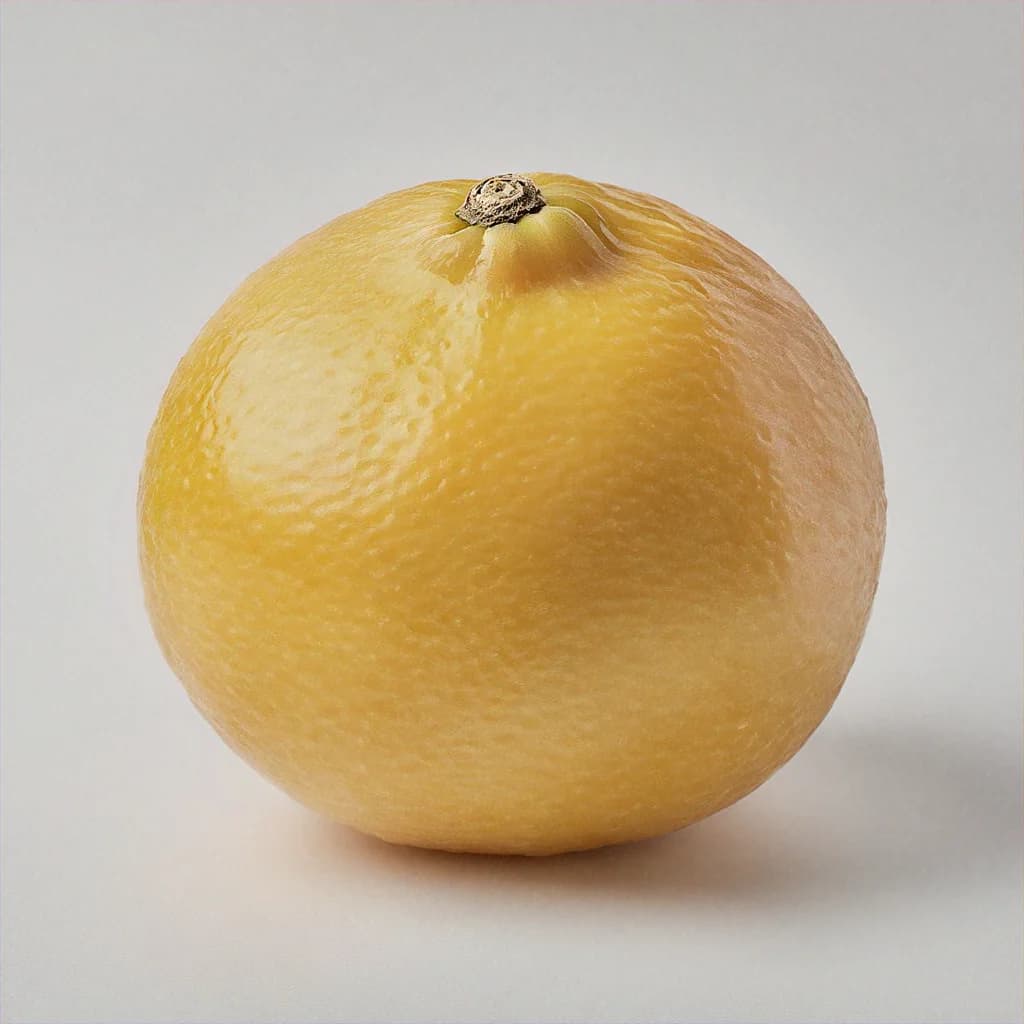
Chempedak - Main View
Per 100g
Per 100g
Nutrition breakdown for one serving
Malaysia, Southeast Asia, Indonesia
Chempedak originated in Malaysia with traditional cultivation spanning centuries. Indigenous communities cultivating for food security and cultural significance. Related to jackfruit and breadfruit in Artocarpus genus. Regional importance in Southeast Asian cuisine and agriculture. Modern cultivation expanding throughout tropical Asia. International awareness and market development increasing. Growing recognition as nutritious tropical superfruit supporting food security.
Peak season June-August in Southeast Asia
Each variety offers unique flavors, textures, and culinary applications
Keep your fruit fresh and delicious for longer
Select chempedak with slight yield to gentle pressure
Choose fruits with strong sweet fruity aroma
Look for golden yellow color indicating ripeness
Avoid hard unripe fruits - will not ripen properly
Heavier fruits containing more pulp and juice
Purchase during peak season June-August for best availability
Source from Asian markets or specialty tropical fruit retailers
Store at room temperature 2-3 days until soft
Refrigerate ripe fruits 5-7 days
Keep in coolest section of refrigerator
Do not wash until ready to eat
Aroma intensifying with ripeness is normal
Can be frozen for up to 3 months
Remove segments before freezing for convenience
Preserve freshness for months
Chempedak segments freeze excellently for smoothies
Scoop segments into containers and freeze
Maintain quality for 2-3 months frozen
Thaw before consuming fresh or use directly in cooking
Frozen segments ideal for tropical smoothie bowls
Puree before freezing for smoothie preparation
Label frozen items with the date to track freshness. Most fruits maintain quality for 2-3 months when properly frozen. For best results, use airtight containers or freezer bags to prevent freezer burn.
Discover delicious possibilities
Chempedak allergies extremely rare with minimal documented cases. Tropical fruit allergies uncommon in general population. Allergic reactions very uncommon. Generally safe for most individuals. Those with severe fruit allergies should consult allergist. Possible cross-reactivity with related tropical fruits but rare.
Chempedak cultivated with varying pesticide practices in tropical and subtropical regions. Organic chempedak available from certified producers. Conventional fruits acceptable with normal washing. Tropical suppliers often emphasizing sustainable practices.
Surprising trivia you'll love!
Chempedak originated in Malaysia with traditional cultivation spanning centuries in Southeast Asian tropical forests
Smoother sweeter flavor than jackfruit makes chempedak more universally appealing to diverse palates
Vitamin C content (26% DV) supports immune function comparable to many tropical citrus fruits
High carbohydrate content (40g) provides sustained energy making it ideal for athletic performance and active lifestyles
Creamy custard-like texture allows eating with spoon directly from fruit without peeling or cutting
Vitamin B6 (17% DV) uniquely high among tropical fruits supporting mood and neurotransmitter production
Tryptophan amino acid content supports natural serotonin production and sleep quality improvement
Low fat (1g) combined with high energy makes chempedak ideal for weight-conscious consumers
Potassium content (12% DV) rivals bananas supporting cardiovascular health and electrolyte balance
Emerging superfruit recognition in global markets reflects growing awareness of Southeast Asian tropical fruit diversity
Chempedak exceptional tropical fruit with unique characteristics distinguishing from jackfruit and gaining global superfruit recognition. JACKFRUIT COMPARISON: Chempedak softer texture than jackfruit. Sweeter flavor profile. Smoother eating experience. Smaller more manageable size. Less fibrous consistency. Easier preparation. TEXTURE PROFILE: Creamy soft segments. Custard-like consistency. Pleasant eating experience. Minimal stringiness. Clean texture. FLAVOR CHARACTERISTICS: Sweet tropical taste. Mild fruity notes. No strong odor unlike jackfruit. Pleasant aroma. Universally appealing. VITAMIN C EXCEPTIONAL: 26% DV supporting immune function. Collagen synthesis support. Antioxidant defense. Iron absorption. Infection resistance. ENERGY CONTENT: 40g carbohydrates providing sustained energy. Athletic performance support. Active lifestyle fuel. Endurance support. Recovery nutrition. FIBER CONTENT: 4g supporting digestive health. Regular bowel function. Prebiotic compounds. Beneficial bacteria feeding. Digestive comfort. POTASSIUM CONTENT: 12% DV supporting heart health. Blood pressure regulation. Muscle function. Electrolyte balance. Cardiovascular wellness. VITAMIN B6 BENEFIT: 17% DV supporting mood and brain health. Neurotransmitter synthesis. Mood enhancement. Sleep quality. Cognitive function. TRYPTOPHAN ADVANTAGE: Unique amino acid content. Serotonin production support. Mood elevation. Sleep improvement. Mental wellness. LOW FAT: Only 1g fat. Heart healthy. Weight management ideal. Satiety support. Nutritional density. SUPERFRUIT STATUS: Emerging recognition as nutritious superfruit. Research validation. Antioxidant capacity. Disease prevention support. Global market growth. CULTURAL SIGNIFICANCE: Malaysian heritage. Southeast Asian importance. Food security. Agricultural tradition. SUSTAINABLE APPEAL: Native tree cultivation. Minimal modification needs. Agroforestry integration. Environmental stewardship. ACCESSIBILITY: More widely available than jackfruit. Easier eating experience. Universal appeal. Specialty market development. BOTTOM LINE: Chempedak exceptional tropical fruit with softer, creamier texture than jackfruit, sweeter flavor without strong odor, exceptional vitamin C (26% DV), high energy carbohydrates (40g), good fiber (4g), potassium (12% DV) for heart health, exceptional vitamin B6 (17% DV) for mood, tryptophan for sleep quality, low fat (1g), moderate glycemic index suitable for blood sugar control, and emerging global superfruit recognition supporting food security and wellness.
Chempedak versatile culinary ingredient with diverse applications emphasizing natural sweetness and creamy texture. FRESH EATING: Scoop segments directly with spoon. Eat straight from fruit. Custard-like texture. Simple enjoyment. Traditional preparation. SMOOTHIE PREPARATION: Blend chempedak segments. Add coconut milk base. Honey optional sweetening. Vanilla addition. Tropical superfruit smoothie. SMOOTHIE BOWL: Blend chempedak base. Top with granola. Coconut flakes. Berries addition. Breakfast preparation. JAM MAKING: Cook chempedak segments. Add sugar and lemon juice. Simmer until setting. Beautiful golden jam. Preserve preparation. DESSERT APPLICATION: Layer with cream. Add honey drizzle. Custard-like dessert. Elegant preparation. CURRY INCORPORATION: Chempedak in savory curry. Coconut milk sauce. Traditional preparation. Umami balance. Culinary innovation. TROPICAL FRUIT SALAD: Fresh chempedak segments. Mixed tropical fruits. Lime juice dressing. Mint garnish. Refreshing preparation. BAKING: Chempedak in cakes and tarts. Pie filling ingredient. Sweet bread topping. Baked good enhancement. FROZEN TREATS: Chempedak ice cream. Frozen yogurt topping. Popsicle preparation. Sorbet making. JUICE EXTRACTION: Fresh chempedak juice. Blender extraction. Strain preparation. Beverage ingredient. BASIC SMOOTHIE RECIPE: Chempedak segments 1.5 cups, coconut milk 1 cup, honey 2 tablespoons, vanilla extract 1/2 teaspoon, blend until smooth, serve immediately. BASIC JAM RECIPE: Chempedak segments 2 cups, sugar 1 cup, lemon juice 2 tablespoons, combine in pot, simmer 30 minutes until setting point, jar and seal. CURRY APPLICATION: Chempedak segments 2 cups, coconut milk 1 can, curry paste 3 tablespoons, combine and simmer 15 minutes. STORAGE: Smoothies best consumed immediately. Jam lasting 4-6 weeks. Curry lasting 3-4 days. Desserts lasting 2 days. BOTTOM LINE: Chempedak versatile culinary ingredient with fresh eating, smoothie preparation, smoothie bowls, jam and preserve making, dessert applications, curry incorporation, tropical fruit salads, baking, frozen treats, juice extraction, and diverse recipes highlighting unique creamy sweet tropical flavor.
Chempedak safe for consumption with minimal documented safety concerns. Generally well-tolerated by most individuals when ripe. RIPENESS IMPORTANT: Only consume fully ripened fruits. Unripe fruits remain hard. Proper ripeness essential. Digestibility optimal when ripe. ALLERGY INFO: Chempedak allergies extremely rare. Tropical fruit allergies uncommon. Allergic reactions very uncommon. Generally safe for most individuals. Allergist consultation if severe reactions possible. Cross-reactivity with jackfruit or mulberry unlikely. PREPARATION SAFETY: Wash chempedak thoroughly under running water. Cut fruit carefully. Remove seeds completely. Discard any discolored fruit. Use clean utensils. CHILDREN CONSIDERATIONS: Soft texture appropriate for children. Seeds require removal for safety. Choking hazard minimal with proper preparation. Age-appropriate consumption. Nutritious food option. PREGNANCY CONSIDERATIONS: Chempedak safe during pregnancy. High carbohydrate for energy support. Folate content (7% DV) supporting development. No contraindications documented. DIGESTIVE CONSIDERATIONS: High fiber content generally supportive. Some experiencing digestive effects from sudden high fiber. Introduce gradually. Adequate water consumption. SIDE EFFECTS: Minimal side effects documented. Some individuals experiencing digestive changes. Rare allergic reactions if sensitive. Most individuals tolerating well. MEDICATION INTERACTIONS: Chempedak unlikely to interact with medications. Consult healthcare provider if concerns. Potassium content note for those on potassium-modifying medications. STORAGE SAFETY: Refrigerate ripe fruits promptly. Use within 5-7 days when refrigerated. Discard any moldy fruit. Proper storage maintaining safety. PESTICIDE CONCERNS: Chempedak cultivated with varying practices. Organic varieties available. Conventional acceptable with washing. Tropical suppliers often sustainable. BOTTOM LINE: Chempedak safe for consumption when properly ripened with minimal documented safety concerns, generally suitable for children and pregnant women, rare allergies, minimal side effects, no contraindicated medications, proper storage important, and consultation with healthcare provider appropriate for specific individual concerns.
Chempedak profound cultural significance reflecting Southeast Asian heritage and food traditions spanning centuries. MALAYSIAN ORIGINS: Chempedak originated in Malaysia. Traditional cultivation for millennia. Indigenous food source. Cultural identity connected. Malaysian national fruit appreciation. SOUTHEAST ASIAN SIGNIFICANCE: Southeast Asia cultivation widespread. Regional food security. Agricultural tradition. Cultural importance. Tropical fruit significance. CULINARY HERITAGE: Traditional recipes established. Regional cuisine incorporating. Cooking traditions passing. Generational knowledge. Cultural transmission. NUTRITIONAL IMPORTANCE: Historical food security support. Energy provision. Sustenance source. Agricultural staple. Survival nutrition. AGRICULTURAL SIGNIFICANCE: Tropical tree cultivation. Agroforestry integration. Sustainable farming. Traditional practices. Indigenous knowledge. REGIONAL IDENTITY: Southeast Asian pride. Local food connection. Cultural ambassador. Tourism significance. Regional brand. FESTIVAL SIGNIFICANCE: Seasonal celebrations. Harvest festivals. Cultural events. Traditional practices. Community connection. MEDICINAL USE: Traditional medicine applications. Health benefit knowledge. Healing traditions. Holistic practices. DIASPORA SIGNIFICANCE: Southeast Asian communities maintaining traditions. Cultural heritage preservation. Identity connection. Intergenerational transmission. MODERNIZATION: Contemporary chefs rediscovering. Fusion cuisine development. Global culinary adoption. Modern appreciation. SUSTAINABILITY APPEAL: Native tree reducing modification. Sustainable cultivation. Organic farming potential. Environmental stewardship. EXPORT DEVELOPMENT: International market access increasing. Specialty fruit status. Premium positioning. Global recognition. WELLNESS TRENDS: Superfruit category. Antioxidant focus. Energy support. Mood enhancement. BOTTOM LINE: Chempedak profound cultural significance reflecting Malaysian origins and Southeast Asian heritage, traditional food source supporting food security for millennia, agricultural staple in tropical agroforestry systems, integral to regional cuisine and culinary traditions, ingredient in seasonal celebrations and festivals, medicinal use in traditional medicine, diaspora community heritage preservation, contemporary culinary rediscovery and fusion development, sustainable native tree cultivation, emerging international market recognition, superfruit categorization alignment, and wellness trend participation.
Sustainability insights
Chempedak cultivation represents tropical agricultural practice with environmental considerations. Benefits include native tree cultivation requiring minimal modification, potential agroforestry integration, sustainable farming compatibility, and tropical biodiversity support. Challenges include pesticide use in conventional cultivation, long-distance transportation carbon footprint, and commercial plantation development. Sustainable practices include organic farming, integrated pest management, water conservation, and supporting traditional producers.
Chempedak carbon footprint varies by cultivation region and transportation method. Tropical cultivation in Malaysia, Indonesia, and Southeast Asia. Long-distance international shipping increasing carbon impact significantly. Organic cultivation reducing overall environmental footprint. Local regional consumption reducing transportation. Seasonal purchasing when available.
Chempedak cultivation requires moderate water with tropical rainfall providing primary source. Tropical climate supporting natural growth. Supplemental irrigation minimal in high-rainfall regions. Water conservation practices important. Sustainable water management possible. Native tree reducing water needs.
Supporting Malaysian and Southeast Asian chempedak producers maximizes environmental benefit. Local tropical cultivation. Organic and sustainable farming preferred. Seasonal purchasing when available. Local processing reducing carbon footprint. Supporting tropical agricultural communities. BEST PRACTICES: Choose locally-grown chempedak, support organic producers, source from fair-trade suppliers, purchase seasonally when available, minimize processing and packaging.
We aim to keep this Chempedak profile accurate and easy to understand. Nutrition values and % Daily Value figures are based on established reference databases and standard daily value guidance.
Last updated: August 31, 2026
Medical disclaimer
This page is for general educational purposes and does not replace professional medical advice.
Found an issue? Contact us.