Loading Fruit Details...
Please wait while we fetch nutritional information and health benefits
Please wait while we fetch nutritional information and health benefits
Recommended Products
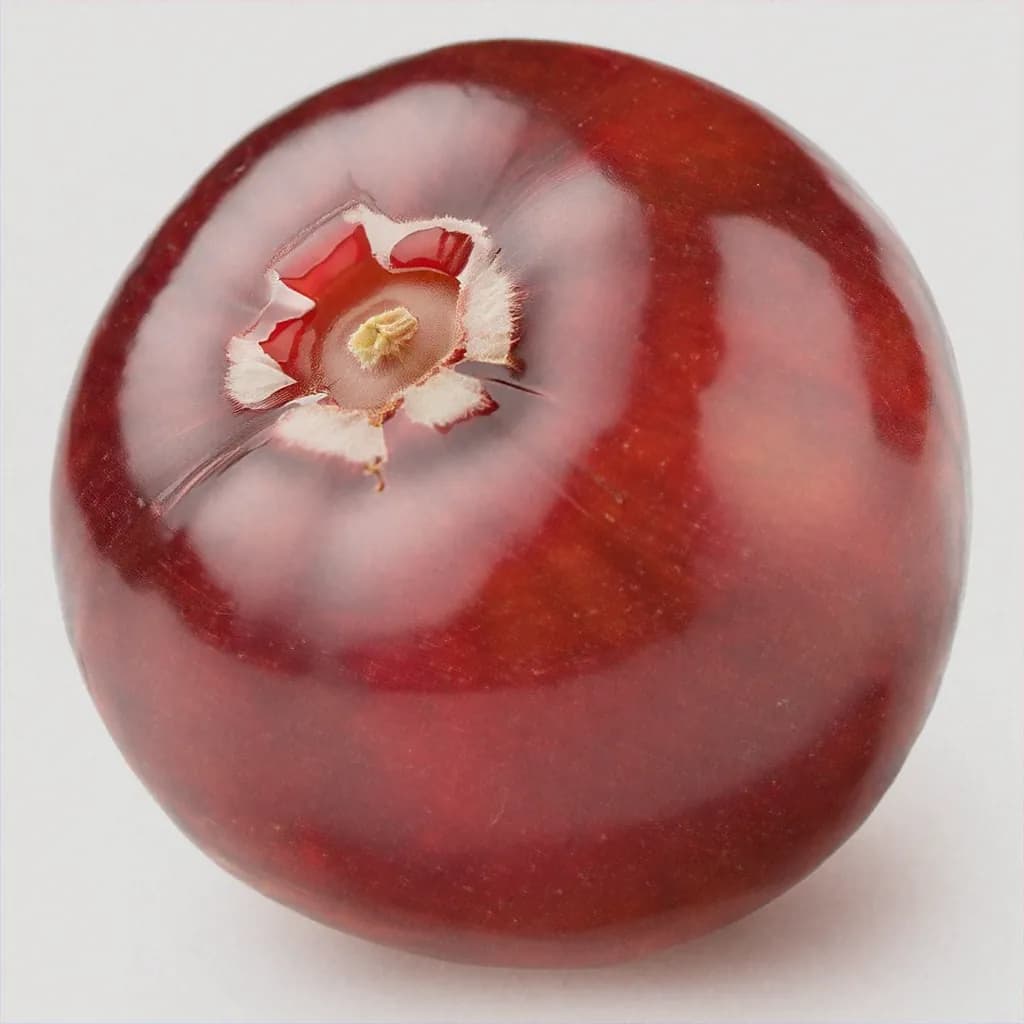
Vaccinium macrocarpon
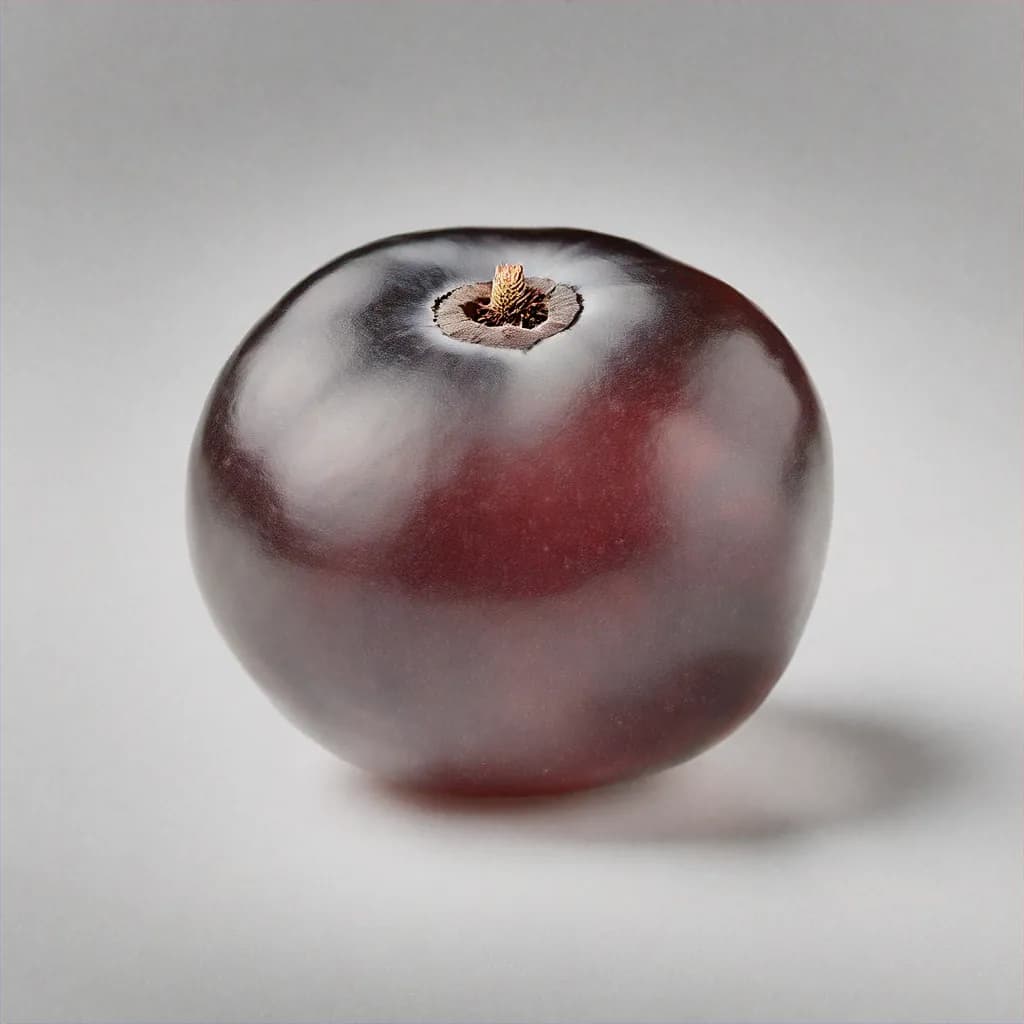
Cranberries are small, tart, bright red berries native to North American bogs and wetlands. These nutrient-dense fruits are renowned for their distinctive sharp, acidic flavor and impressive health benefits, particularly for urinary tract health. Rich in vitamin C, fiber, and unique antioxidants called proanthocyanidins (PACs), cranberries offer powerful anti-inflammatory and antibacterial properties. While too tart to eat raw, cranberries shine in sauces, juices, baked goods, and dried snacks. Fresh cranberries are available during fall harvest season (September-December), while dried, frozen, and juice products provide year-round access to their exceptional nutritional profile.
Explore Cranberry in stunning detail
Cranberry - Main View
Per 100g
Per 100g
Nutrition breakdown for one serving
North America (bogs and wetlands of northeastern United States and Canada)
Native Americans harvested wild cranberries for centuries, using them as food, medicine, and dye. The Wampanoag, Lenape, and other tribes called cranberries 'sassamanesh' or 'ibimi' (bitter berry). They used cranberries to treat arrow wounds and infections, recognizing antibacterial properties. Pemmican (preserved meat mixture) included cranberries for nutrition and preservation. Early settlers learned cranberry cultivation from Native Americans. Commercial cultivation began in Massachusetts around 1816 when Henry Hall discovered flooding cranberry bogs improved yields. The distinctive 'wet harvest' method - flooding bogs and using water reels to dislodge floating berries - was developed in the 1900s. Wisconsin became the top producing state by the 1990s. Ocean Spray cooperative was founded in 1930, revolutionizing cranberry processing and marketing. Cranberry sauce became a Thanksgiving staple. Today, cranberries are cultivated worldwide but remain deeply connected to North American heritage.
Fall harvest season in Northern Hemisphere
Each variety offers unique flavors, textures, and culinary applications
Keep your fruit fresh and delicious for longer
Select firm, plump cranberries with deep red color and glossy appearance
Fresh cranberries should bounce when dropped (hence nickname 'bounceberries')
Avoid soft, shriveled, or discolored berries
Check for mold or moisture in packaging - berries should be dry
Bags should feel heavy for their size indicating freshness
Look for uniform color - deeper red indicates higher antioxidant content
Avoid berries with brown spots or bruising
Fresh cranberries available September-December in Northern Hemisphere
Store unwashed cranberries in original bag or sealed container in refrigerator
Keep in coldest part of refrigerator (32-40°F / 0-4°C)
Do NOT wash until ready to use to prevent moisture and mold
Remove any soft or damaged berries to prevent spoilage spread
Store away from ethylene-producing fruits (apples, bananas)
Cranberries can be stored in refrigerator longer than most berries
Once washed, use within 1-2 days
Dried cranberries should be stored in airtight container in cool, dark place
Preserve freshness for months
Freeze fresh cranberries directly in original bag - no washing needed
Spread on baking sheet for 2 hours for individual frozen berries, then transfer to freezer bags
Remove as much air as possible from freezer bags
Frozen cranberries maintain quality for 10-12 months
No need to thaw for cooking, baking, or blending
Thawed cranberries become soft - best used in cooked applications
Label bags with freezing date for freshness tracking
Frozen cranberries can be used directly in sauces, baking, and smoothies
Label frozen items with the date to track freshness. Most fruits maintain quality for 2-3 months when properly frozen. For best results, use airtight containers or freezer bags to prevent freezer burn.
Discover delicious possibilities
Cranberry allergies are rare but possible. Allergic reactions typically manifest as oral allergy syndrome (mouth, lip, or throat itching) in individuals sensitive to birch pollen. True cranberry allergy may cause hives, digestive upset, or rarely, more severe reactions. People allergic to other berries (blueberries, raspberries) may have cross-reactivity. The salicylate content can trigger reactions in aspirin-sensitive individuals. Some people react to commercial cranberry products due to additives rather than cranberries themselves. Those with known berry allergies should introduce cranberries cautiously. Allergic reactions to cranberry supplements are more common than reactions to whole berries.
Conventionally grown cranberries may contain pesticide residues, though testing typically shows moderate levels. Cranberry bogs require integrated pest management due to wet growing conditions. The Environmental Working Group doesn't include cranberries in the 'Dirty Dozen' highest-pesticide produce. Washing fresh cranberries under running water for 30-60 seconds removes surface residues. Organic cranberries are available fresh, frozen, and dried for those preferring pesticide-free options. Since cranberries are primarily consumed cooked or processed, pesticide exposure may be lower than fresh-eaten produce. Cranberry bogs' wetland nature limits certain pesticide use. Choose organic when possible, especially for frequent consumption or juice.
Surprising trivia you'll love!
Cranberries bounce when fresh - this 'bounce test' is used to assess quality in commercial processing
Native Americans used cranberries as food, medicine, and fabric dye centuries before European settlement
Wisconsin produces over 60% of the world's cranberries, followed by Massachusetts (birthplace of commercial cultivation)
Cranberries grow on low-running vines in sandy bogs and wetlands, not in water (flooding is for harvest only)
One acre of cranberry bog can produce 150-250 barrels of cranberries (each barrel = 100 pounds)
The distinctive wet harvest method - flooding bogs and corralling floating berries - creates iconic images of workers waist-deep in crimson water
Cranberries are one of only three commercially important fruits native to North America (along with blueberries and Concord grapes)
Fresh cranberries can be stored refrigerated for 2-4 weeks and frozen for a year - among the longest-lasting fresh fruits
The name 'cranberry' comes from 'craneberry' - early settlers thought the flower, stem, and petals resembled a crane's head
Ocean Spray cooperative, formed in 1930, is owned by over 700 cranberry farming families
Yes, scientific evidence supports cranberries' UTI prevention benefits, though they're not a cure. Cranberries contain unique A-type proanthocyanidins (PACs) that prevent E. coli bacteria from adhering to urinary tract walls, reducing infection risk. Studies show consuming cranberry products (particularly juice with at least 36mg PACs) can reduce UTI recurrence by 26-35% in women prone to infections. However, cranberries cannot treat active UTIs - antibiotics are required. Prevention requires consistent consumption. Cranberry supplements, juice, and whole berries all provide PACs. The anti-adhesion mechanism works for prevention but doesn't kill existing bacteria. Most effective for women with recurrent UTIs. Always consult healthcare providers for UTI treatment.
Dried cranberries retain many nutrients but have key differences from fresh. They maintain fiber, minerals (manganese, copper), and some antioxidants. However, drying reduces vitamin C content significantly (heat-sensitive). Most commercially dried cranberries contain added sugar (often 25-30g per 1/4 cup) because raw cranberries are extremely tart. This dramatically increases calorie and sugar content - fresh cranberries have 4g natural sugar per cup versus 29g sugar per 1/4 cup dried. Dried cranberries lack the water content that contributes to satiety. For urinary health benefits, proanthocyanidins remain present in dried berries. Look for unsweetened dried cranberries or those sweetened with apple juice for healthier options. Fresh or frozen cranberries are best for minimal sugar and maximum vitamin C.
Cranberries are extremely tart due to low sugar content (only 4g per 100g) combined with high levels of organic acids, particularly quinic acid, malic acid, and citric acid. These acids give cranberries their distinctive sour, astringent taste. The sugar-to-acid ratio is much lower than most fruits - cranberries contain about 3% sugar compared to 10-15% in sweeter fruits. This tartness is actually beneficial - it indicates high polyphenol and antioxidant content. The sourness prevents most people from eating fresh cranberries raw, which is why they're typically cooked with sweeteners. Cooking with sugar, honey, or orange juice balances the tartness. Some people enjoy the pucker-inducing flavor in small amounts. Tartness doesn't diminish nutritional value - it's a sign of beneficial compounds.
Yes, raw cranberries are safe to eat and highly nutritious, but most people find them unpalatably tart and astringent. Fresh raw cranberries contain maximum vitamin C and antioxidants since no nutrients are lost to cooking. Some health enthusiasts eat 5-10 raw berries daily for digestive and urinary health. The extreme tartness can be overwhelming - even small amounts pucker the mouth. Raw cranberries are very firm and crunchy. To make them more palatable, chop raw cranberries finely and mix with sweeter fruits, blend into smoothies, or add to salads with sweet dressing. Freezing raw cranberries and eating them frozen provides a crunchy, tart snack. For most people, cooking cranberries with natural sweeteners makes them enjoyable while retaining significant nutritional benefits.
Cranberry juice provides UTI-prevention benefits but differs nutritionally from whole berries. For UTI prevention, juice with adequate PACs (36mg minimum) is effective - the key compounds remain present. However, most commercial cranberry juice cocktails contain only 27% cranberry juice plus added sugars (12-15g per 8oz), significantly increasing calories while diluting benefits. 100% cranberry juice provides better nutrition but is extremely tart and expensive. Whole fresh or frozen cranberries provide fiber (4.6g per cup) that juice lacks entirely. Whole berries offer more satiety and better blood sugar control. For maximum nutrition, choose 100% cranberry juice or whole berries. For UTI prevention specifically, either works if PAC content is sufficient. Cranberry supplements offer concentrated PACs without sugar.
Fresh cranberry season runs from early September through December in North America, peaking in October and November. Harvest timing varies by region: Massachusetts and New Jersey harvest September-October, Wisconsin and Pacific Northwest harvest late September through November. Peak availability coincides perfectly with Thanksgiving and holiday cooking. Cranberries are harvested when fully red and firm. Most commercial cranberries are 'wet harvested' - bogs are flooded, berries float to surface, and are corralled for collection. Fresh cranberries are widely available in supermarkets during fall/winter months. Outside harvest season, frozen cranberries provide year-round access with nutrition comparable to fresh. Dried cranberries, juice, and canned sauce are available year-round. For best quality and price, buy fresh cranberries during October-November and freeze for year-round use.
Fresh, unsweetened cranberries are excellent for diabetics due to low natural sugar content (4g per cup) and moderate glycemic index (45). They provide fiber (4.6g per cup) that slows sugar absorption. The low glycemic load (5) means minimal blood sugar impact. However, most cranberry products are problematic for diabetics: cranberry juice cocktail contains 24-31g added sugar per 8oz, dried cranberries typically have 26-29g sugar per 1/4 cup (mostly added), and cranberry sauce often contains 25-30g sugar per 1/4 cup. These sweetened products can spike blood sugar significantly. Diabetics should choose: fresh or frozen cranberries cooked with sugar alternatives (stevia, erythritol), 100% cranberry juice diluted with water, unsweetened dried cranberries (hard to find), or cranberry supplements for UTI benefits without sugar. Always monitor individual blood sugar response.
Yes, cranberries are safe and potentially beneficial for dogs in moderation. Fresh, cooked unsweetened cranberries provide vitamin C, fiber, and antioxidants. Cranberries may support urinary tract health in dogs similarly to humans by preventing bacterial adhesion. However, feed cautiously: offer 1-2 teaspoons fresh or cooked cranberries for small dogs, 1-2 tablespoons for large dogs (maximum). Raw cranberries are very tart - most dogs reject them. Cook cranberries without sugar or artificial sweeteners (xylitol is toxic to dogs). Dried cranberries should be unsweetened only and limited due to concentration. Too many cranberries can cause stomach upset or diarrhea. Never feed cranberry sauce (high sugar, possible xylitol) or cranberry juice cocktail (sugar content). Some cranberry supplements designed for dogs exist for urinary health. Most dogs tolerate cranberries well but don't particularly enjoy the tart taste. Consult veterinarians before using cranberries medicinally.
Sustainability insights
Cranberry cultivation has mixed environmental impacts. Positively, cranberry bogs are perennial ecosystems lasting 100+ years without replanting, creating valuable wetland habitats that support biodiversity including birds, amphibians, and beneficial insects. Many bogs are organic or use integrated pest management reducing chemical inputs. Flooding uses recycled water within closed systems. Negatively, bog construction can disrupt natural wetlands if not done responsibly. Conventional operations may use synthetic pesticides and fertilizers that can affect water quality. Wet harvesting requires significant water (though recycled). The industry increasingly adopts sustainable practices - many growers pursue organic certification, implement pollinator protection programs, and maintain bog edges as wildlife corridors. Supporting organic, sustainably-certified cranberry producers promotes environmental responsibility.
Fresh cranberries from local sources during harvest season (September-December) have minimal carbon footprint. North American production for North American consumption involves short transportation distances. Processing cranberries into juice, dried fruit, or sauce increases energy use and emissions. Frozen cranberries require energy for freezing but enable year-round availability without constant fresh imports, potentially reducing overall impact. Dried cranberries are energy-intensive (dehydration process) but lightweight for shipping. Cranberry juice production involves significant processing and packaging emissions. Imported cranberries from Chile (off-season fresh) have higher carbon footprint due to air or ship transport. Choosing seasonal fresh or domestic frozen cranberries minimizes environmental impact. Local, organic cranberry products offer lowest carbon footprint.
Cranberry cultivation requires substantial water, though most is recycled within bog systems. Cranberries don't grow in water but need consistent moisture - bogs are flooded only for winter protection, frost prevention, and wet harvesting. Modern cranberry operations recycle 90-95% of water used in flooding through reservoirs and irrigation systems. Water footprint is approximately 200-300 liters per kilogram of cranberries - moderate compared to many crops. Flooding during harvest creates iconic images but uses recycled water. Some regions face water management challenges during droughts. Efficient bog systems capture rainfall, minimize runoff, and return water to aquifers. Sustainable farms implement water conservation practices including soil moisture monitoring, efficient irrigation, and wetland protection. The perennial nature reduces water needs compared to annual crops.
Buying local cranberries during harvest season (September-December in North America) maximizes sustainability and freshness. Wisconsin, Massachusetts, New Jersey, Oregon, Washington, and Canadian provinces (Quebec, British Columbia) are primary growing regions. Purchasing from regional sources during autumn reduces transportation emissions significantly. Farmers markets and local processors offer freshest products with minimal carbon footprint. During off-season, domestic frozen cranberries are more sustainable than fresh imports from Chile. Dried cranberries and juice are available year-round from domestic production. Supporting local cranberry farms preserves wetland ecosystems, agricultural heritage, and rural economies. Choose organic and sustainably-certified cranberry products when possible. Consider buying fresh cranberries in bulk during harvest season and freezing for year-round use - reduces packaging and transportation impacts while ensuring availability.
We aim to keep this Cranberry profile accurate and easy to understand. Nutrition values and % Daily Value figures are based on established reference databases and standard daily value guidance.
Last updated: September 1, 2026
Medical disclaimer
This page is for general educational purposes and does not replace professional medical advice.
Found an issue? Contact us.