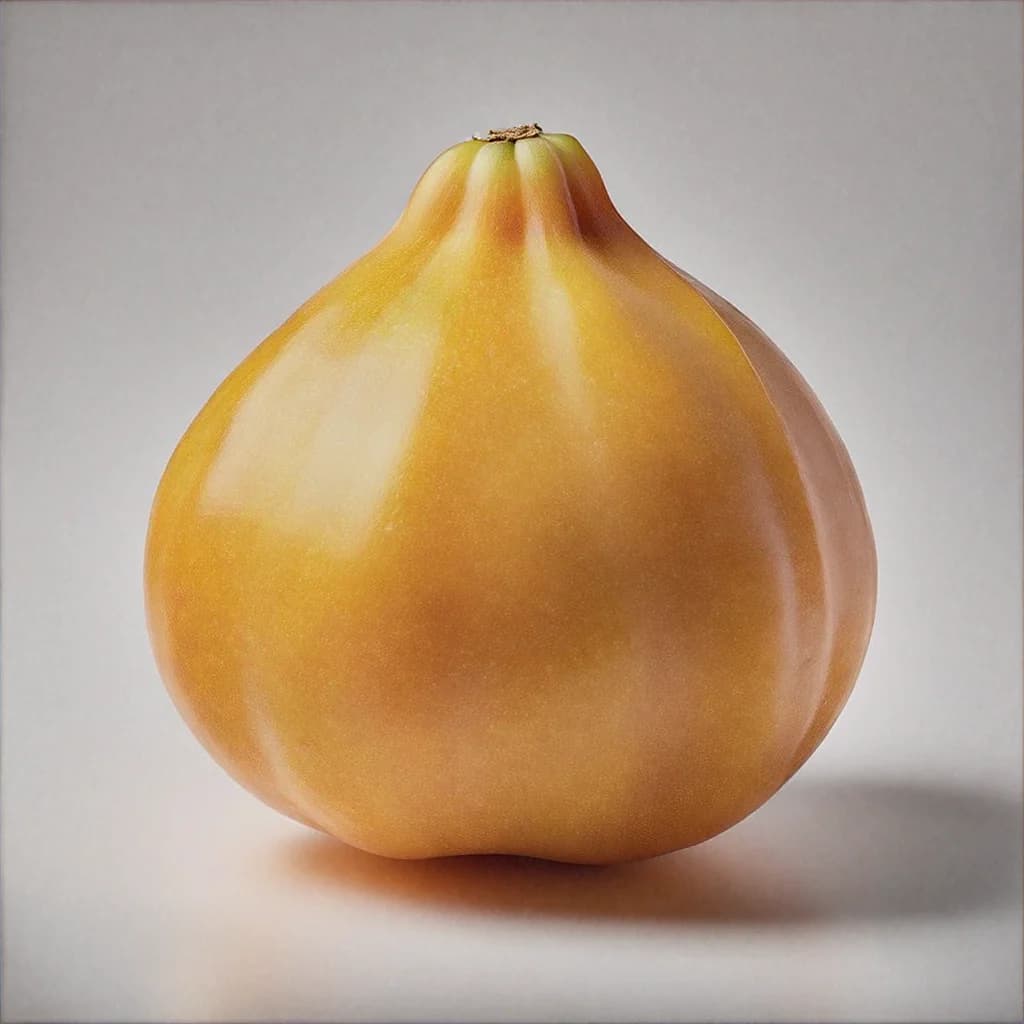
Loading Fruit Details...
Please wait while we fetch nutritional information and health benefits
Please wait while we fetch nutritional information and health benefits
Recommended Products
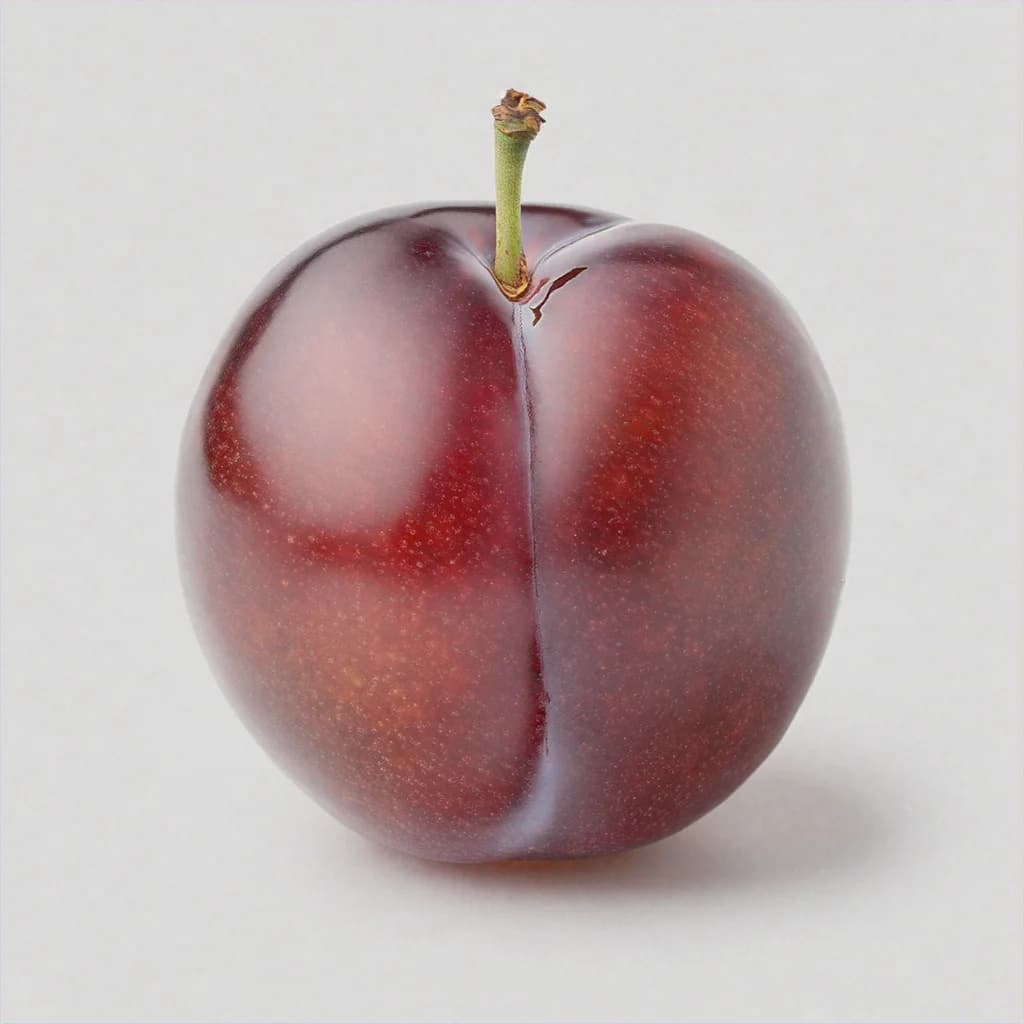
Prunus cerasifera
The Cherry Plum (Prunus cerasifera) is a delightful fruit that bridges the gap between plums and cherries, offering a unique combination of flavors and textures. Native to Southeastern Europe and Western Asia, this fruit is prized for its juicy, tart-sweet flesh and vibrant colors, ranging from golden yellow to deep reddish-purple. Cherry plums are not only a treat for the palate but also a nutritional powerhouse, packed with vitamins, minerals, and antioxidants. They are versatile in the kitchen, lending themselves to both sweet and savory dishes, and their ornamental trees add a burst of color to gardens in early spring. Whether enjoyed fresh, dried, or as a preserve, Cherry Plums are a delightful addition to any diet.
Explore Cherry Plum in stunning detail
Cherry Plum - Main View
Per 100g
Per 100g
Nutrition breakdown for one serving
Southeastern Europe and Western Asia
Cherry Plums have been cultivated for centuries in their native regions, valued for their fruit and ornamental qualities. They were introduced to other parts of the world, including Europe and North America, where they are appreciated for their hardiness and adaptability.
Late spring to early summer
Each variety offers unique flavors, textures, and culinary applications
Keep your fruit fresh and delicious for longer
Look for plump, firm fruits with smooth skin.
Avoid fruits with bruises, cuts, or mold.
Select fruits with a vibrant color, indicative of ripeness.
Store in the refrigerator to extend shelf life.
Keep away from ethylene-producing fruits to prevent premature ripening.
Preserve freshness for months
Wash and dry thoroughly before freezing.
Freeze whole or sliced in airtight containers.
Label frozen items with the date to track freshness. Most fruits maintain quality for 2-3 months when properly frozen. For best results, use airtight containers or freezer bags to prevent freezer burn.
Discover delicious possibilities
Cherry Plums are generally safe for consumption, but individuals with known allergies to stone fruits should exercise caution.
Cherry Plums may be treated with pesticides, so it's important to wash them thoroughly before consumption.
Surprising trivia you'll love!
Cherry Plums are often used as rootstock for other plum varieties due to their hardiness.
The vibrant colors of Cherry Plums are due to the presence of anthocyanins, powerful antioxidants.
A ripe Cherry Plum will be plump, firm, and have a vibrant color. It should give slightly when gently pressed.
Cherry Plums can be found in specialty grocery stores, farmers' markets, or online retailers, especially during their peak season.
Cherry Plums can last up to 2 weeks in the refrigerator if stored properly.
Yes, Cherry Plums can be used in various baked goods, including tarts, pies, and muffins.
Cherry Plums contain natural sugars but are relatively low in calories, making them a healthy snack option.
Yes, Cherry Plums are a good source of dietary fiber, which aids in digestion and promotes gut health.
Yes, Cherry Plum trees are relatively easy to grow and are adaptable to various soil types and climates.
Sustainability insights
Cherry Plum trees are relatively drought-tolerant and require minimal pesticides, making them a sustainable crop.
Low, due to minimal processing and local availability.
Moderate, as Cherry Plum trees are adaptable to various water conditions.
Locally grown Cherry Plums are more sustainable due to reduced transportation emissions.
We aim to keep this Cherry Plum profile accurate and easy to understand. Nutrition values and % Daily Value figures are based on established reference databases and standard daily value guidance.
Last updated: October 2, 2026
Medical disclaimer
This page is for general educational purposes and does not replace professional medical advice.
Found an issue? Contact us.
.webp&w=3840&q=75)