Loading Fruit Details...
Please wait while we fetch nutritional information and health benefits
Please wait while we fetch nutritional information and health benefits
Recommended Products
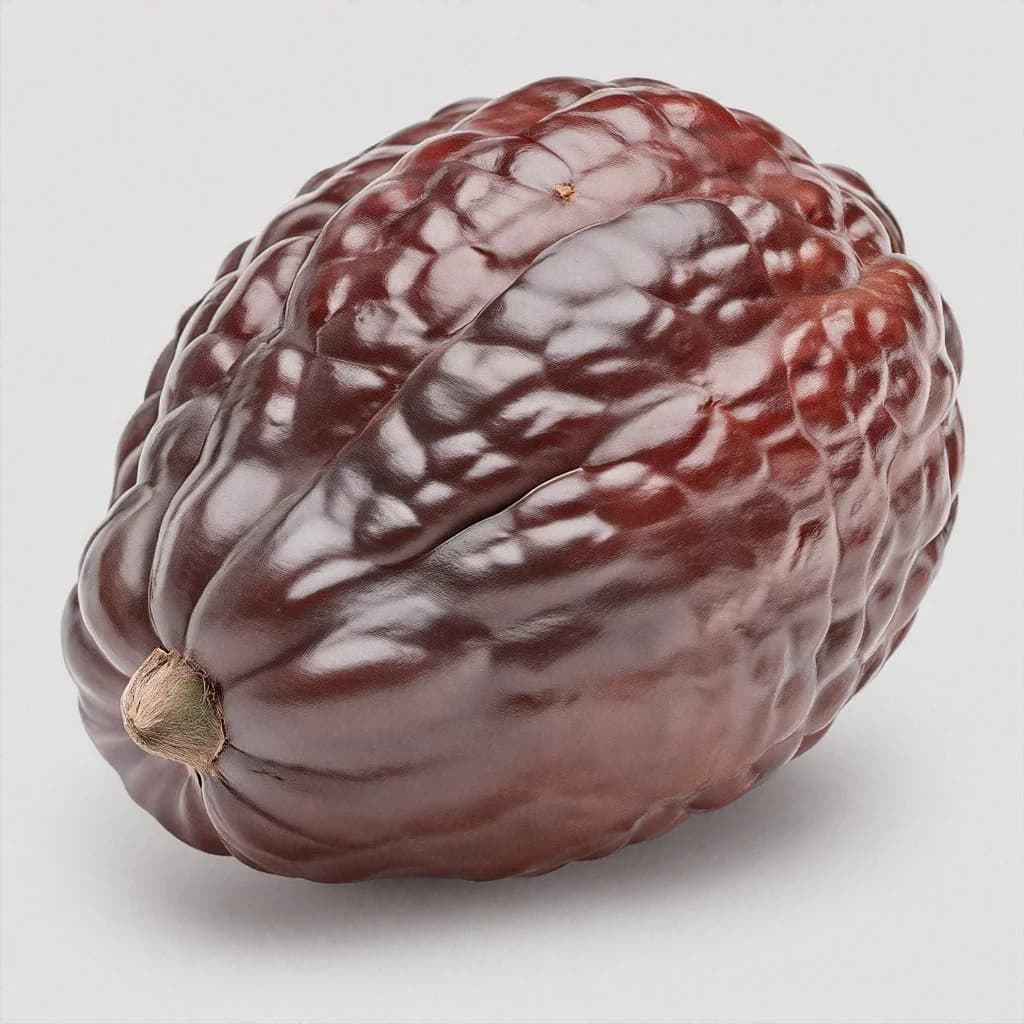
Theobroma cacao
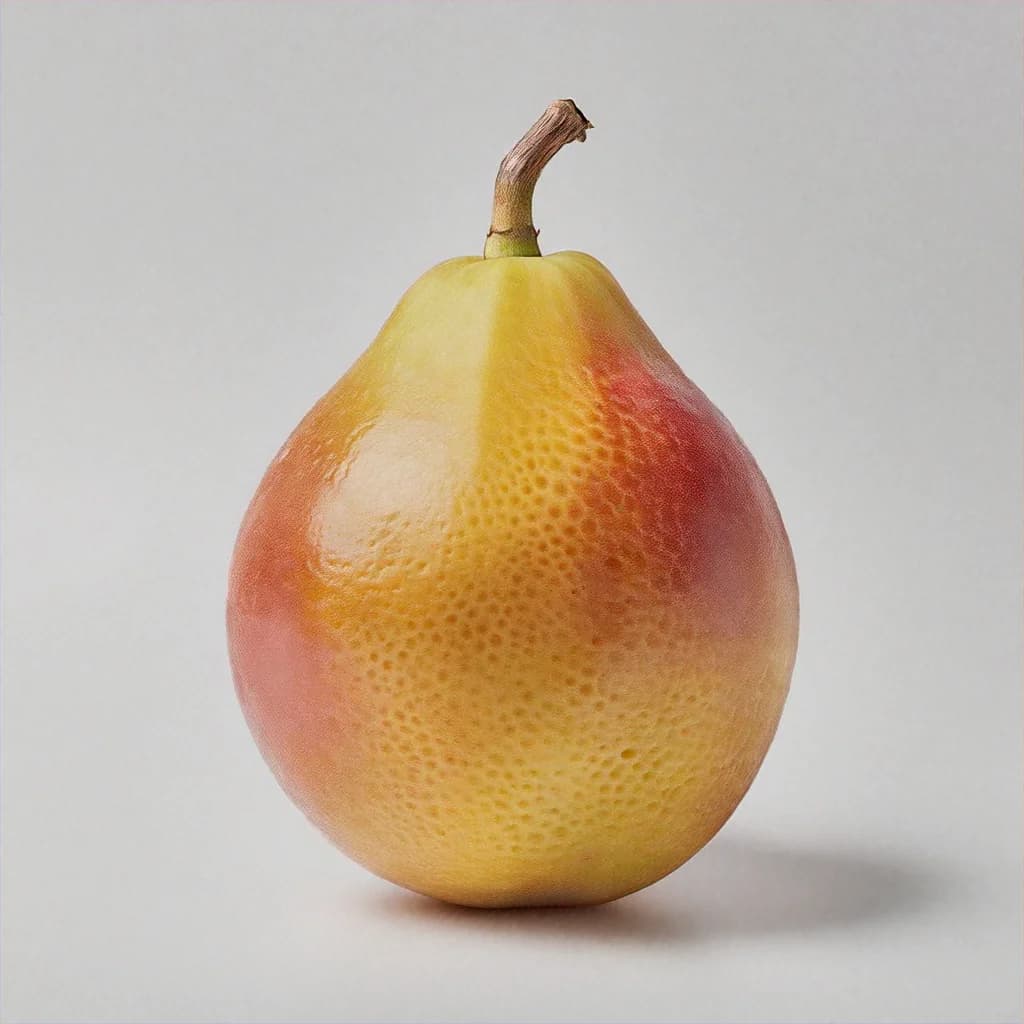
Cacau, botanically known as Theobroma cacao, is a tropical evergreen tree native to the Americas, celebrated for its seeds—cacao beans—which are the primary ingredient in chocolate. The term 'Theobroma' translates to 'food of the gods,' reflecting the ancient reverence for this fruit. The cacao pod, which houses the beans, is ovoid, with a thick, leathery rind and a sweet, mucilaginous pulp surrounding the seeds. Rich in antioxidants, minerals, and beneficial phytonutrients, cacau has been hailed for its health benefits, including cardiovascular support, improved mood, and enhanced cognitive function. Beyond its culinary applications in confections, beverages, and desserts, cacau has a storied history in Mesoamerican cultures, where it was valued as currency and used in sacred rituals.
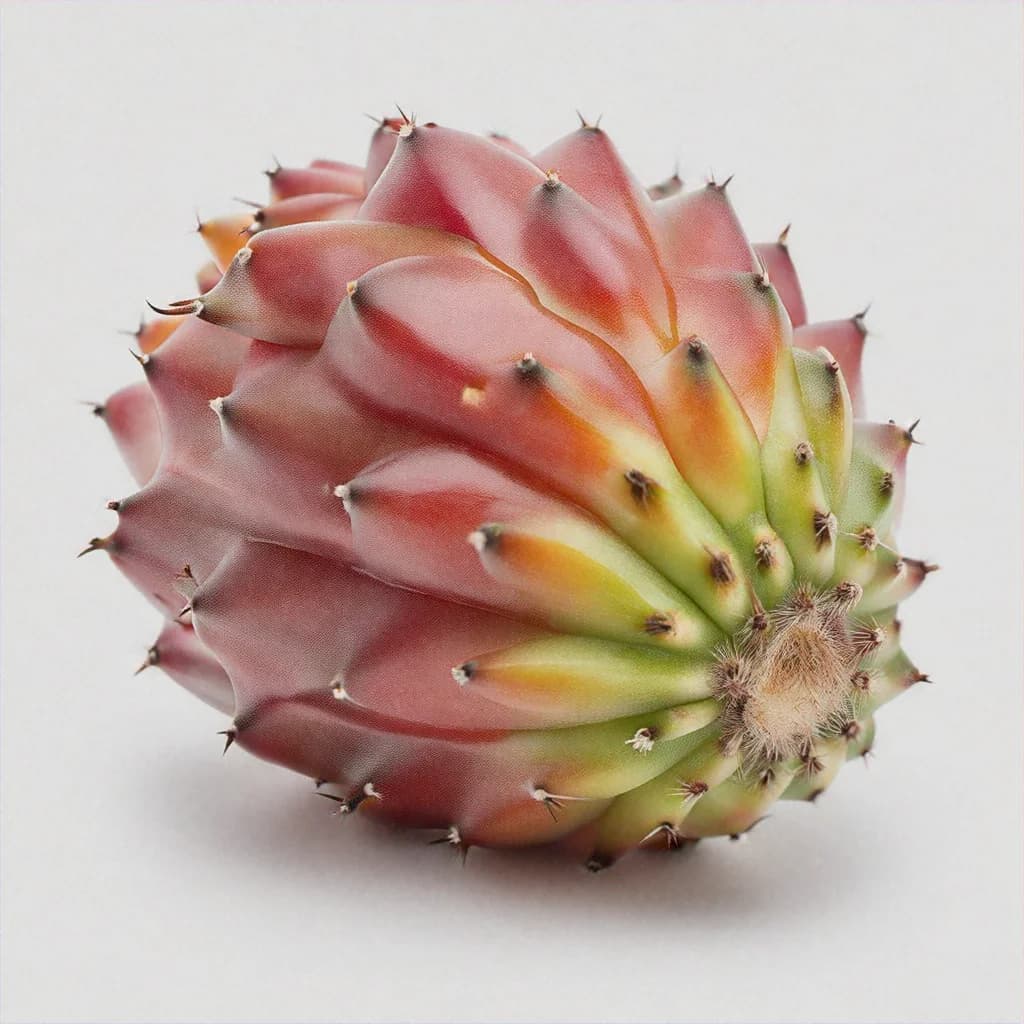
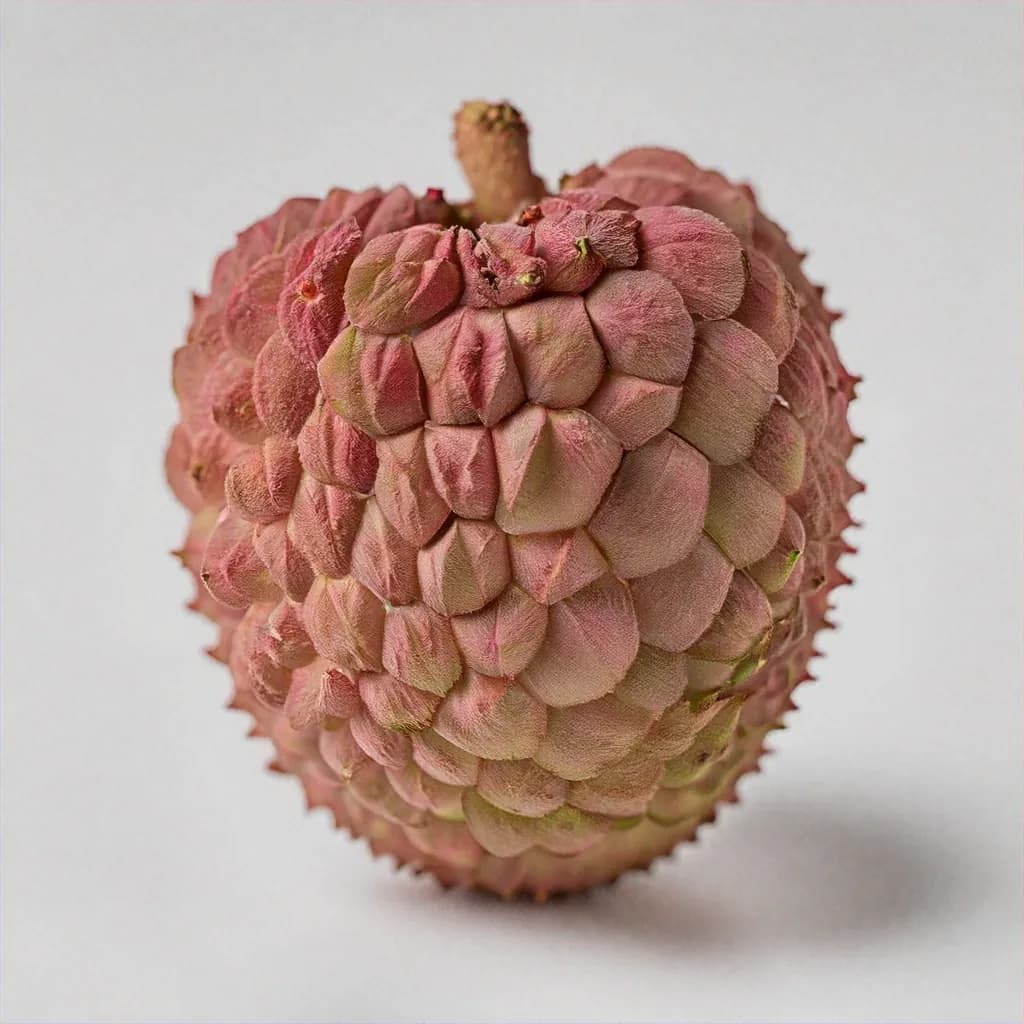
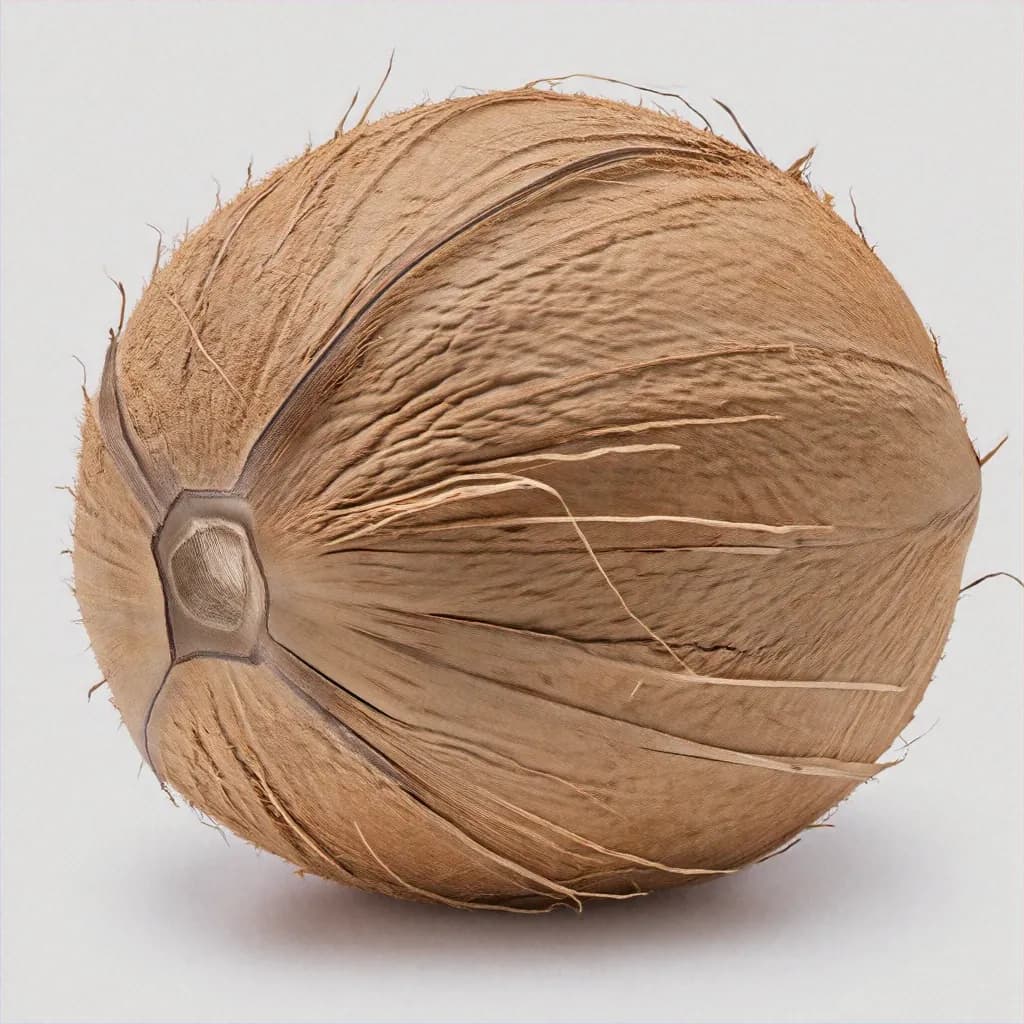
Explore Cacau in stunning detail
Cacau - Main View
Per 100g
Per 100g
Nutrition breakdown for one serving
Central and South America
Cacau has been cultivated for over 4,000 years, originally by the Olmec, Maya, and Aztec civilizations. It was introduced to Europe in the 16th century, where it became a prized commodity and the foundation of the modern chocolate industry.
Harvested year-round in tropical regions, with peak seasons varying by location.
Each variety offers unique flavors, textures, and culinary applications
Keep your fruit fresh and delicious for longer
Look for cacao pods with bright, unblemished skin and no signs of mold or decay.
Check for a firm texture and a sweet, fruity aroma.
Store fresh cacao pods at room temperature for up to 1-2 weeks.
Refrigerate cacao beans in an airtight container for up to 6 months.
Keep processed cacao products (nibs, powder) in a cool, dry place away from light and heat.
Preserve freshness for months
Cacao beans can be frozen for up to 1 year to preserve freshness.
Store in an airtight container or freezer bag to prevent moisture absorption.
Label frozen items with the date to track freshness. Most fruits maintain quality for 2-3 months when properly frozen. For best results, use airtight containers or freezer bags to prevent freezer burn.
Discover delicious possibilities
Cacao is generally safe for most people, but allergic reactions are possible. Symptoms may include hives, itching, and digestive issues.
Cacao is often grown with pesticides, so opt for organic varieties when possible.
Surprising trivia you'll love!
The Aztecs valued cacao beans so highly that they used them as currency.
The scientific name 'Theobroma' means 'food of the gods' in Greek.
Cacao contains more antioxidants per gram than blueberries, acai, and green tea.
Cacao refers to the raw, unprocessed beans and products, while cocoa refers to the processed form, often roasted and sweetened.
Look for pods with bright, unblemished skin, a firm texture, and a sweet, fruity aroma.
Yes, cacao beans can be frozen for up to 1 year to preserve freshness. Store them in an airtight container or freezer bag.
Cacao is used in chocolate-making, baking, smoothies, and even savory dishes like mole sauces.
Yes, cacao is rich in flavonoids and polyphenols, which have potent antioxidant properties.
Cacao contains caffeine and theobromine, which may interact with certain medications, such as blood thinners and stimulants.
Cacau has been cultivated for over 4,000 years, originally by Mesoamerican civilizations, and was later introduced to Europe in the 16th century.
Sustainability insights
Cacao farming can contribute to deforestation, so look for sustainably sourced or fair-trade certified products.
Cacao production has a moderate carbon footprint, primarily due to land use and transportation.
Cacao requires significant water for cultivation, though sustainable practices can reduce usage.
Imported cacao is common, but supporting local or fair-trade producers can help ensure ethical and sustainable practices.
We aim to keep this Cacau profile accurate and easy to understand. Nutrition values and % Daily Value figures are based on established reference databases and standard daily value guidance.
Last updated: October 7, 2026
Medical disclaimer
This page is for general educational purposes and does not replace professional medical advice.
Found an issue? Contact us.