Loading Fruit Details...
Please wait while we fetch nutritional information and health benefits
Please wait while we fetch nutritional information and health benefits
Recommended Products
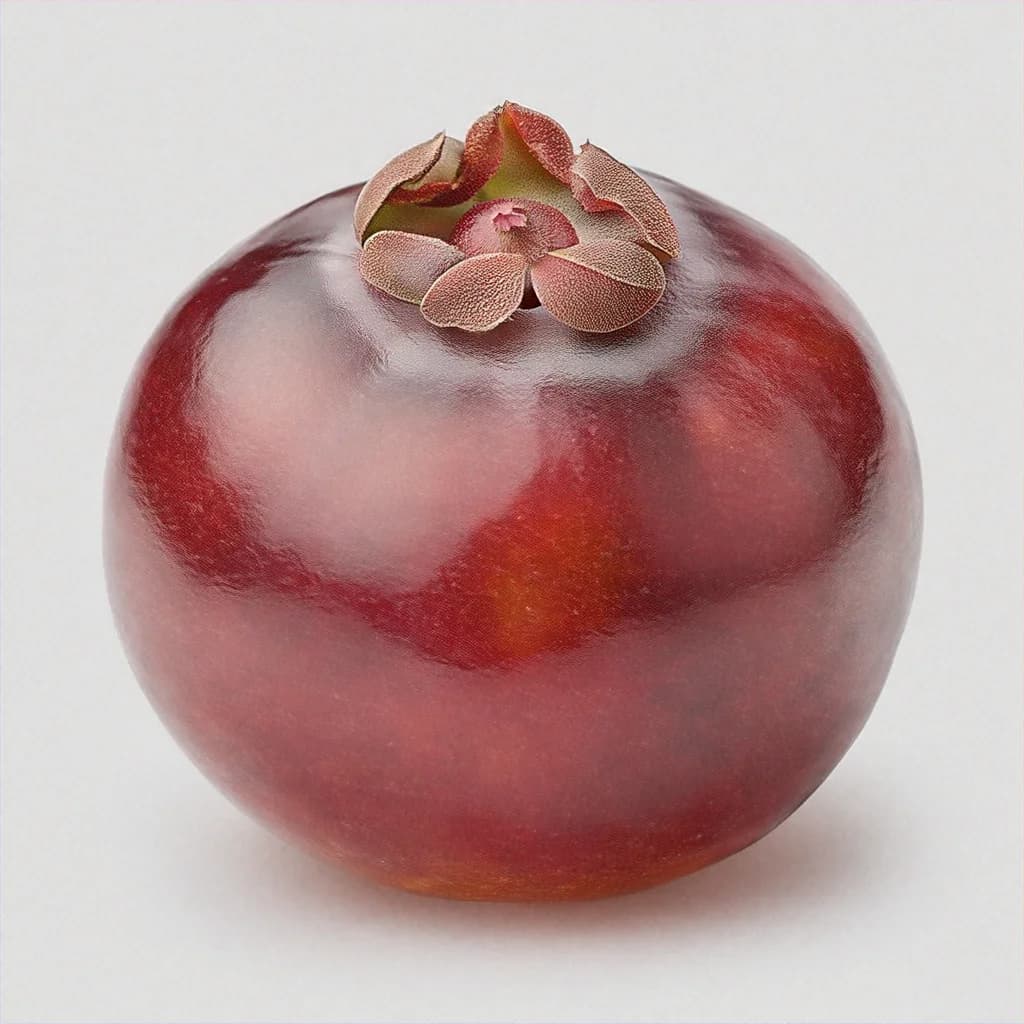
Shepherdia argentea
The Buffaloberry, scientifically known as Shepherdia argentea, is a hardy, deciduous shrub native to North America. Its small, tart, red berries are a traditional food source for indigenous communities and are prized for their unique flavor and nutritional benefits. Rich in antioxidants, vitamins, and minerals, Buffaloberries have a tangy, slightly bitter taste that pairs well with sweet and savory dishes. Historically, they have been used in jams, syrups, and teas, and are increasingly recognized for their potential health benefits, including immune support and anti-inflammatory properties.
Explore Buffaloberry in stunning detail
Buffaloberry - Main View
Per 100g
Per 100g
Nutrition breakdown for one serving
North America
Buffaloberries have been a staple in the diets of indigenous communities in North America for centuries. They were traditionally used for their nutritional value and medicinal properties, and their cultivation has expanded in recent years due to growing interest in their health benefits.
Late summer to early fall
Each variety offers unique flavors, textures, and culinary applications
Keep your fruit fresh and delicious for longer
Select bright red, plump berries that are firm to the touch.
Avoid berries with signs of mold, bruising, or shriveling.
Store fresh Buffaloberries in the refrigerator for up to 5 days.
Freeze excess berries in an airtight container for up to 6 months.
Preserve freshness for months
Wash and dry berries thoroughly before freezing.
Store in an airtight container or freezer bag to prevent freezer burn.
Label frozen items with the date to track freshness. Most fruits maintain quality for 2-3 months when properly frozen. For best results, use airtight containers or freezer bags to prevent freezer burn.
Discover delicious possibilities
Buffaloberries are generally safe for most people, but individuals with allergies to related plants should exercise caution.
Buffaloberries are typically wild-harvested and have low pesticide exposure. However, always wash berries thoroughly before consumption.
Surprising trivia you'll love!
Buffaloberries were a staple food for indigenous communities in North America for centuries.
The berries were traditionally used to make pemmican, a high-energy food made from dried meat, fat, and berries.
Buffaloberries have a tart, slightly bitter flavor with a hint of sweetness. They are often compared to cranberries in taste.
Ripe Buffaloberries are bright red and firm to the touch. Avoid berries that are green or underripe, as they will be excessively tart.
Yes, Buffaloberries can be frozen for up to 6 months. Wash and dry them thoroughly before freezing in an airtight container.
Buffaloberries are commonly used in jams, syrups, and teas. They can also be added to baked goods, smoothies, or used as a glaze for meats.
Buffaloberries have a moderate sugar content of 12.3g per 100g, but their low glycemic index makes them a suitable option for managing blood sugar levels.
Buffaloberries have been traditionally used for their anti-inflammatory and immune-boosting properties due to their high antioxidant content.
Buffaloberries are generally safe for most people, but individuals with allergies to related plants should exercise caution. Always consult a healthcare provider before introducing new foods into your diet.
Sustainability insights
Buffaloberries are a sustainable food source as they are often wild-harvested and require minimal cultivation.
Low carbon footprint due to minimal processing and transportation.
Low water usage, as Buffaloberries are drought-tolerant plants.
Buffaloberries are primarily sourced locally in North America, reducing the need for long-distance transportation.
We aim to keep this Buffaloberry profile accurate and easy to understand. Nutrition values and % Daily Value figures are based on established reference databases and standard daily value guidance.
Last updated: September 29, 2026
Medical disclaimer
This page is for general educational purposes and does not replace professional medical advice.
Found an issue? Contact us.