Loading Fruit Details...
Please wait while we fetch nutritional information and health benefits
Please wait while we fetch nutritional information and health benefits
Recommended Products
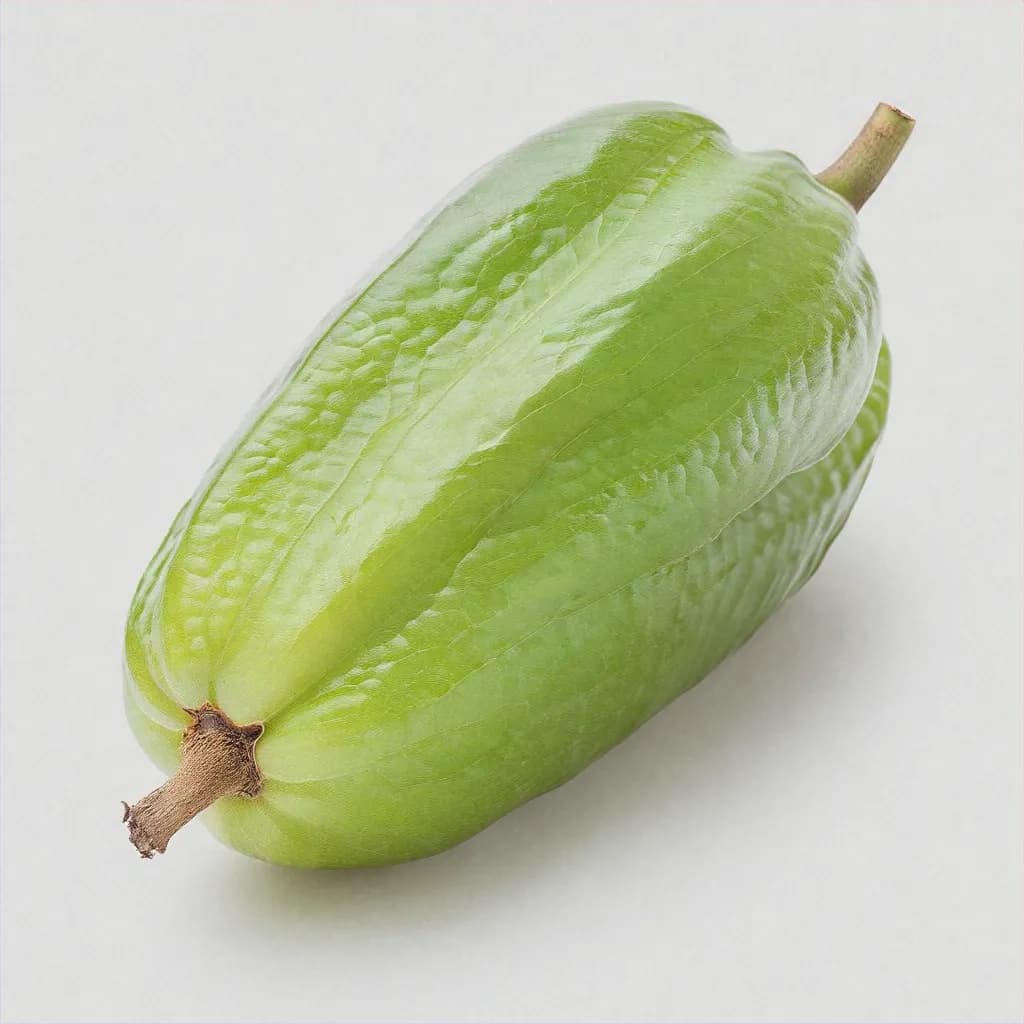
Averrhoa bilimbi
The bilimbi, scientifically known as Averrhoa bilimbi, is a tropical fruit celebrated for its tart, citrusy punch and vibrant green hue. Native to Southeast Asia, this elongated, ribbed fruit dangles from the branches of the bilimbi tree, a close relative of the carambola (starfruit). Unlike its sweeter cousin, the bilimbi is prized for its sharp acidity, which makes it a staple in savory dishes, pickles, and refreshing beverages. Its thin, waxy skin encases a juicy, translucent flesh that delivers an intense sour flavor, often compared to a blend of green apple and lemon with a hint of fermented tang. Beyond its culinary appeal, the bilimbi is a nutritional powerhouse, packed with vitamin C, antioxidants, and phytonutrients like quercetin and epicatechin, which contribute to its anti-inflammatory and immune-boosting properties. In tropical regions, it’s revered not only for its taste but also for its medicinal uses, from aiding digestion to lowering blood pressure. Whether eaten raw, pickled, or blended into sauces, the bilimbi offers a unique sensory experience that tantalizes the taste buds while nourishing the body.
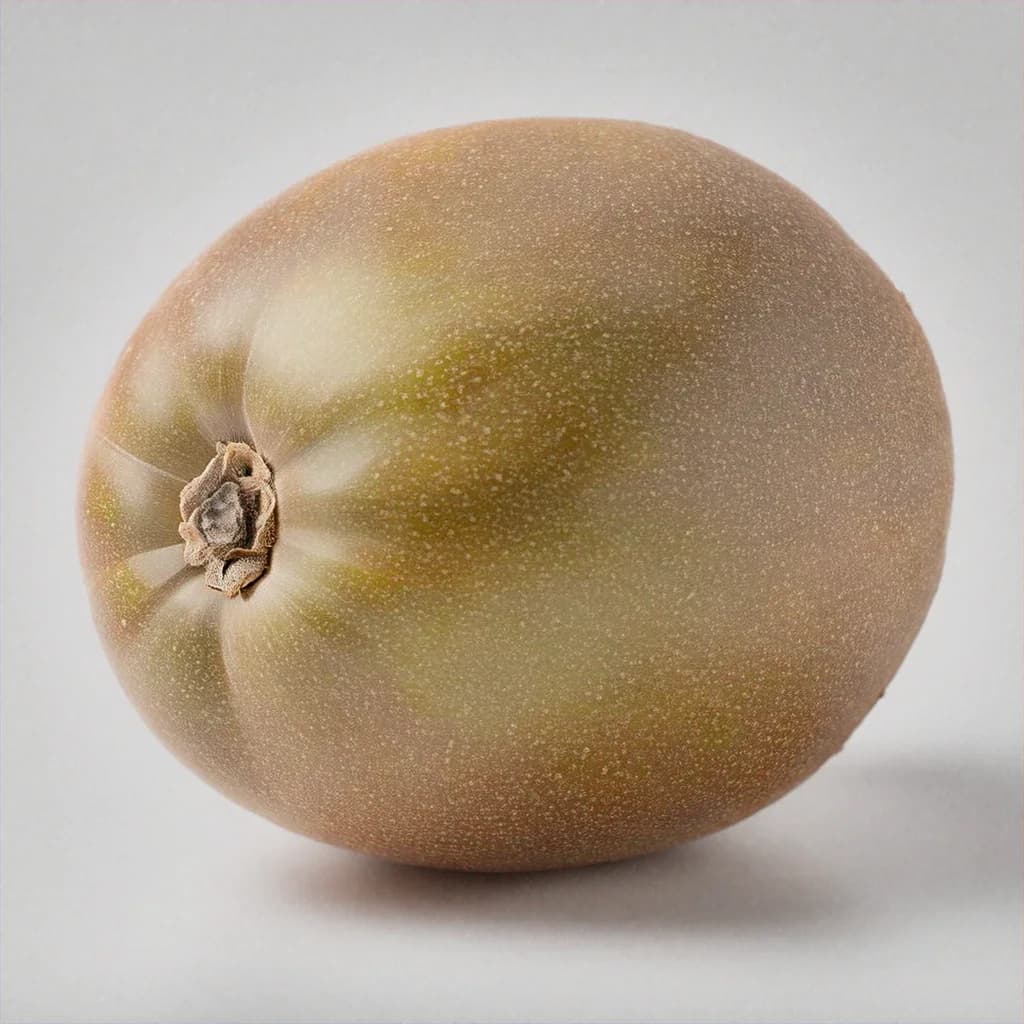
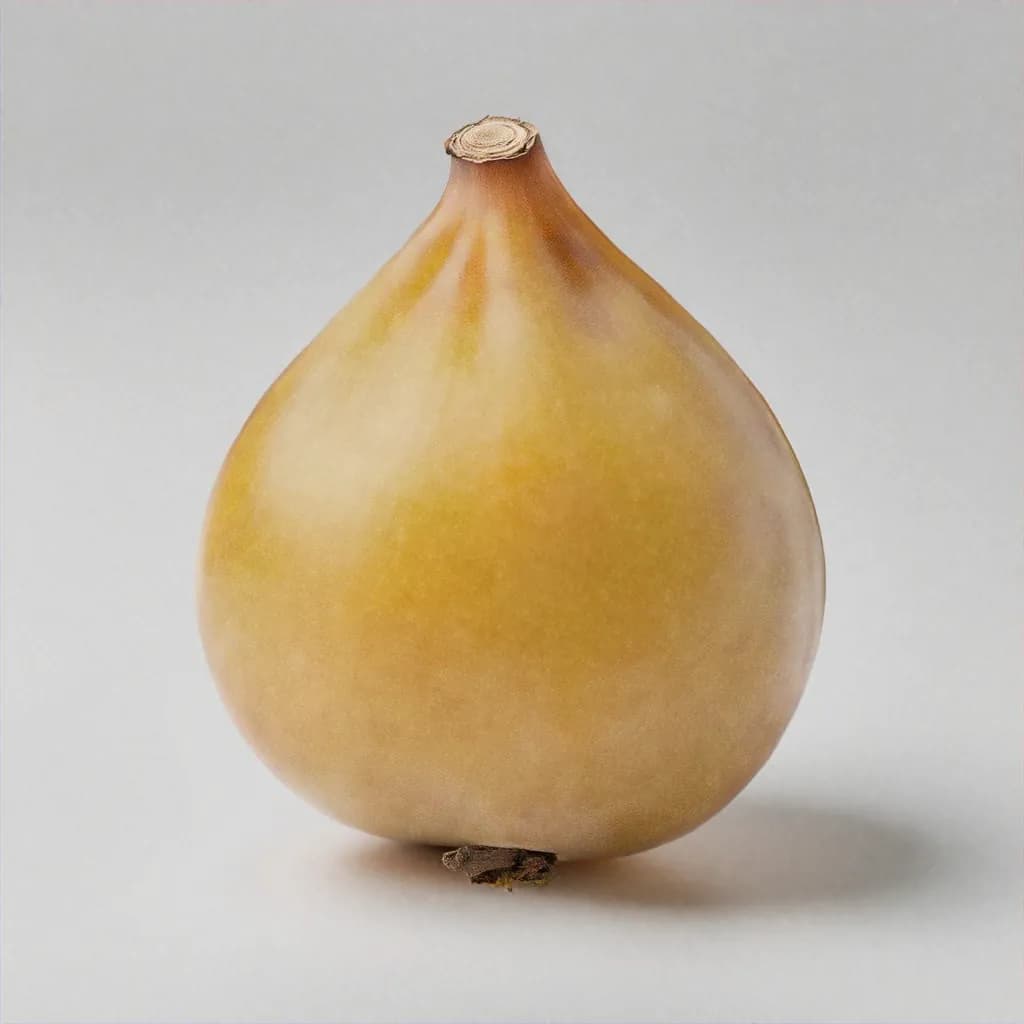
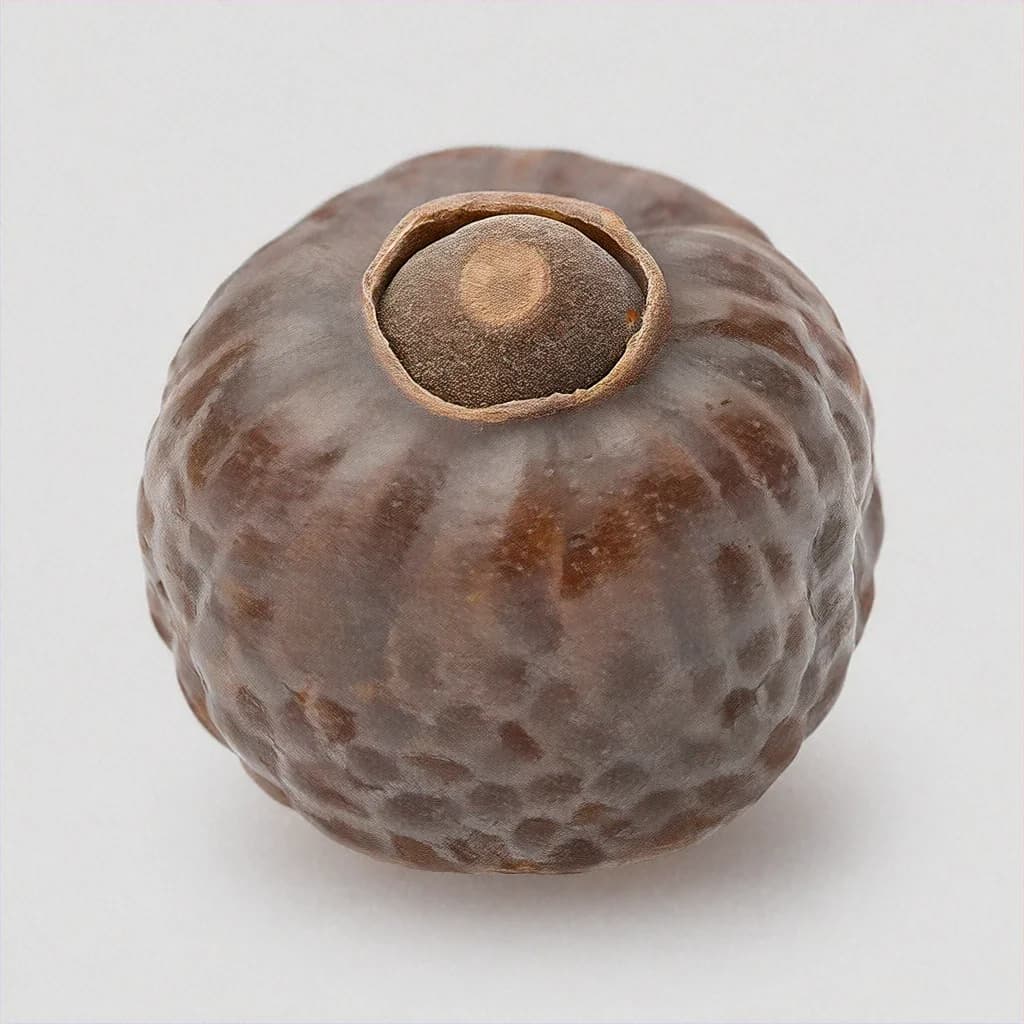
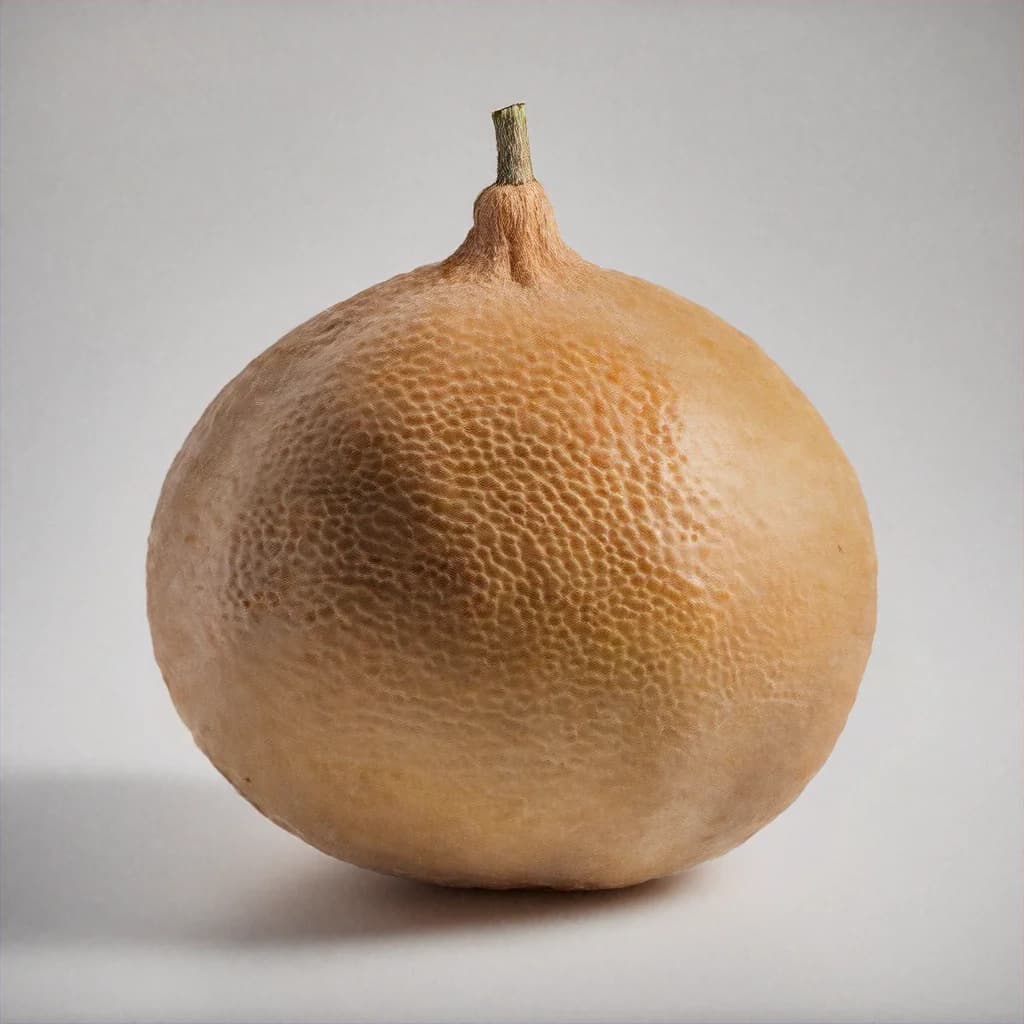
Explore Bilimbi in stunning detail
Bilimbi - Main View
Per 100g
Per 100g
Nutrition breakdown for one serving
Southeast Asia, likely originating in the Malay Archipelago (Indonesia, Malaysia, and the Philippines)
The bilimbi has been cultivated in Southeast Asia for centuries, with historical records tracing its use back to ancient Malay and Indonesian communities. It was introduced to the Indian subcontinent and the Americas through trade routes during the colonial era. In traditional medicine, bilimbi was used to treat scurvy, skin infections, and digestive ailments due to its high vitamin C content. Today, it remains a beloved ingredient in tropical cuisines, particularly in pickles, chutneys, and refreshing drinks. Its tart flavor has also made it a popular choice for preserving and enhancing the taste of savory dishes.
Year-round in tropical climates, with peak production during the wet season (typically May to October in Southeast Asia)
Each variety offers unique flavors, textures, and culinary applications
Keep your fruit fresh and delicious for longer
Select firm, bright green bilimbi fruits with smooth, unblemished skin. Avoid fruits with soft spots, wrinkles, or discoloration, as these indicate overripeness or spoilage.
Gently squeeze the fruit—it should yield slightly but not feel mushy. Overripe bilimbi may have a fermented smell and a dull color.
Look for fruits with a glossy sheen, which indicates freshness. Dull skin may signal dehydration or age.
Choose medium-sized fruits (about 5-8 cm long) for the best balance of tartness and juiciness. Larger fruits may be less flavorful.
If buying in bulk, opt for fruits still attached to their stems, as these tend to stay fresher longer.
Store unripe bilimbi at room temperature (20-25°C) for 2-3 days to allow them to ripen slightly. They will soften and develop a slightly yellowish tint.
Once ripe, refrigerate bilimbi in a perforated plastic bag or airtight container to slow down further ripening. They will keep for up to 1 week.
Avoid washing bilimbi before storage, as excess moisture can promote mold growth. Rinse only before use.
For longer storage, consider pickling or freezing bilimbi (see freezing tips below).
Preserve freshness for months
Wash and dry bilimbi thoroughly, then slice into thin rounds or leave whole (depending on intended use).
Blanch slices in boiling water for 1-2 minutes, then plunge into ice water to halt cooking. This preserves color and texture.
Pat dry and spread slices on a baking sheet lined with parchment paper. Freeze for 1-2 hours until solid, then transfer to a freezer-safe bag or container.
Frozen bilimbi can be stored for up to 6 months. Use directly in cooked dishes, smoothies, or sauces without thawing.
Label frozen items with the date to track freshness. Most fruits maintain quality for 2-3 months when properly frozen. For best results, use airtight containers or freezer bags to prevent freezer burn.
Discover delicious possibilities
Bilimbi allergies are rare but can occur, particularly in individuals sensitive to other members of the Oxalidaceae family (e.g., starfruit). Symptoms may include itching, swelling, or digestive discomfort. If you experience adverse reactions after consuming bilimbi, discontinue use and consult a healthcare provider.
Bilimbi is often grown in tropical regions where pesticide use may vary. To minimize exposure, wash the fruit thoroughly under running water and peel it if possible. Opt for organic or locally sourced bilimbi when available.
Surprising trivia you'll love!
Bilimbi is sometimes called the "cucumber tree" due to its elongated shape and crunchy texture when unripe, though it’s botanically unrelated to cucumbers.
In Indonesia, bilimbi is known as "belimbing wuluh," while in the Philippines, it’s called "kamias," and in India, it’s referred to as "irumban puli."
The bilimbi tree can grow up to 15 meters tall and produces fruit year-round in tropical climates, making it a reliable sourcing agent for local cuisines.
Bilimbi leaves are also used in traditional medicine to treat rheumatism and mumps, often applied as a poultice or brewed into tea.
In some cultures, bilimbi is used as a natural cleaning agent due to its acidity, which helps remove stains and rust from metal surfaces.
The fruit’s high oxalic acid content makes it an effective natural dye for fabrics, producing a yellowish-green hue when used in traditional textile dyeing.
Bilimbi is one of the few fruits that can be used to polish brass and copper, thanks to its acidic properties that dissolve tarnish.
Bilimbi has an intensely sour and tart flavor, often compared to a mix of green apple and lemon with a slightly fermented undertone. Its sharp acidity makes it unsuitable for eating raw in large quantities, but it shines in savory dishes, pickles, and beverages where its tanginess can be balanced with sugar, salt, or spices. The texture is juicy and slightly crunchy when unripe, becoming softer as it ripens. Unlike its sweeter cousin, the starfruit (carambola), bilimbi is rarely consumed fresh and is instead used as a souring agent in cooking.
Bilimbi is rarely eaten raw due to its extreme sourness, but it can be enjoyed in small quantities when paired with salt or sugar to balance its tartness. The most common way to eat bilimbi is in cooked or processed forms. It’s often sliced and pickled in vinegar or brine with spices, used as a souring agent in curries and stews, or blended into sauces and chutneys. For beverages, bilimbi can be juiced and sweetened with sugar or honey. In some cultures, it’s also candied or made into jams. Always wash the fruit thoroughly before use, and remove the seeds if present, as they are not edible.
No, bilimbi and starfruit (carambola) are related but distinct fruits. Both belong to the genus Averrhoa, but they differ in taste, appearance, and culinary uses. Bilimbi is elongated, ribbed, and extremely sour, typically used in savory dishes or pickles. Starfruit, on the other hand, is star-shaped when sliced, sweeter, and often eaten fresh or used in desserts. Bilimbi contains higher levels of oxalic acid, making it more tart and potentially harmful in large quantities, while starfruit is generally safer for raw consumption. Both fruits are rich in vitamin C, but bilimbi has a more pronounced sour flavor profile.
Bilimbi is a nutritional powerhouse, offering numerous health benefits due to its high vitamin C content (133% DV per 100g) and rich array of antioxidants like quercetin and epicatechin. Its vitamin C boosts immune function, promotes collagen production for skin health, and enhances iron absorption. The antioxidants in bilimbi help neutralize free radicals, reducing oxidative stress and inflammation linked to chronic diseases. Additionally, its potassium and magnesium content supports cardiovascular health by regulating blood pressure. Bilimbi’s tart flavor stimulates digestion, while its low glycemic index (30) makes it suitable for blood sugar management. Some studies suggest it may also have antimicrobial and anti-inflammatory properties, making it beneficial for oral and respiratory health.
Yes, bilimbi can be frozen to extend its shelf life, though its texture may soften slightly upon thawing. To freeze bilimbi, start by washing and drying the fruit thoroughly. You can freeze it whole or sliced—slicing is recommended for easier use later. For best results, blanch slices in boiling water for 1-2 minutes, then plunge them into ice water to preserve color and texture. Pat dry, spread on a baking sheet, and freeze for 1-2 hours before transferring to a freezer-safe bag or container. Frozen bilimbi can be stored for up to 6 months and is best used in cooked dishes, smoothies, or sauces where texture is less critical. Avoid thawing before use to prevent mushiness.
While bilimbi is safe for most people in moderation, its high oxalic acid content can pose risks for individuals with kidney problems or a history of kidney stones. Oxalates can crystallize in the kidneys, leading to discomfort or complications. Additionally, bilimbi’s extreme sourness may cause mouth irritation or digestive upset in sensitive individuals. People with acid reflux or gastritis should consume it cautiously, as its acidity can exacerbate symptoms. Pregnant or breastfeeding women should consult a healthcare provider before consuming bilimbi in large amounts. Always wash the fruit thoroughly to remove pesticides or contaminants, and avoid eating the seeds, which are not edible.
In traditional medicine, particularly in Southeast Asia and the Indian subcontinent, bilimbi has been used for centuries to treat a variety of ailments. Its high vitamin C content made it a popular remedy for scurvy, a condition caused by vitamin C deficiency. Bilimbi juice was often consumed to boost immunity and fight infections. The fruit’s antimicrobial properties were harnessed to treat skin infections, wounds, and acne, either by applying the juice topically or consuming it. In Ayurveda, bilimbi is used to manage diabetes due to its potential blood sugar-lowering effects. It’s also believed to aid digestion, reduce inflammation, and alleviate symptoms of respiratory conditions like asthma and coughs. While these traditional uses are well-documented, scientific research is ongoing to validate many of these claims.
Sustainability insights
Bilimbi trees are highly sustainable, requiring minimal inputs and thriving in tropical climates with abundant rainfall. They are often grown in home gardens or small-scale farms, reducing the need for large-scale monoculture agriculture. The trees also provide shade and support biodiversity by attracting pollinators like bees and butterflies.
Bilimbi has a relatively low carbon footprint when grown locally in tropical regions. However, imported bilimbi may contribute to higher emissions due to transportation. Opting for locally sourced or homegrown bilimbi can minimize its environmental impact.
Bilimbi trees are drought-tolerant and require minimal irrigation once established, making them a water-efficient crop compared to many other tropical fruits.
Choosing locally grown bilimbi supports regional farmers and reduces the carbon footprint associated with long-distance transportation. In non-tropical regions, bilimbi is often imported, which may increase its environmental impact. When possible, source bilimbi from local markets or grow it in home gardens to promote sustainability.
We aim to keep this Bilimbi profile accurate and easy to understand. Nutrition values and % Daily Value figures are based on established reference databases and standard daily value guidance.
Last updated: September 18, 2026
Medical disclaimer
This page is for general educational purposes and does not replace professional medical advice.
Found an issue? Contact us.