Loading Fruit Details...
Please wait while we fetch nutritional information and health benefits
Please wait while we fetch nutritional information and health benefits
Recommended Products
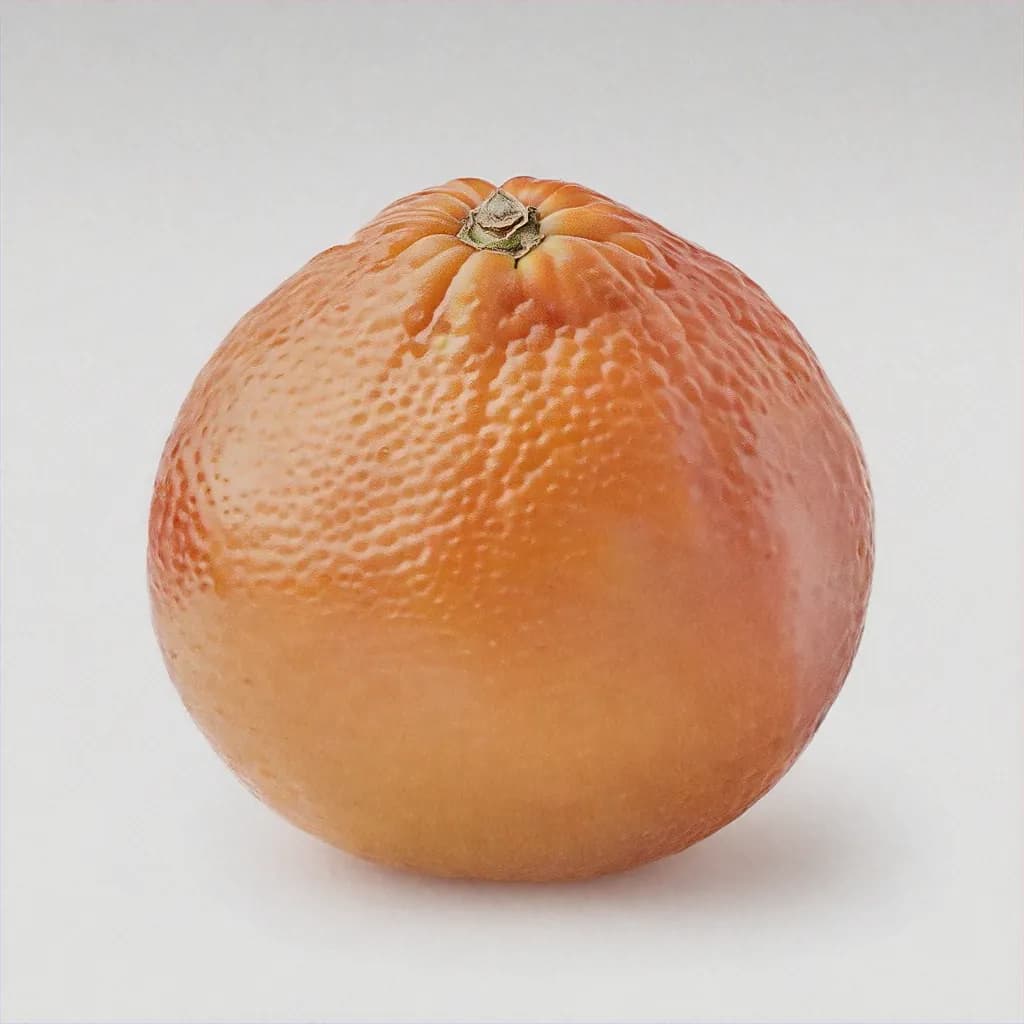
Brysonima crassifolia
Nance is a Central American tropical fruit with distinctive sweet flavor and creamy texture. Good source of vitamin C (30% DV) supporting immune function and antioxidant defense. Rich in vitamin A (28% DV) supporting eye health and skin wellness. Contains polyphenols and flavonoids with powerful antioxidant and anti-inflammatory benefits. Low in calories (62 per 100g) ideal for weight management. Good source of fiber (2.1g) supporting digestive health. Unique yellow-orange fruit with aromatic aroma and creamy flesh when ripe. Native to Central America, nance gaining recognition as traditional superfruit supporting immune and digestive wellness.
Explore Nance in stunning detail
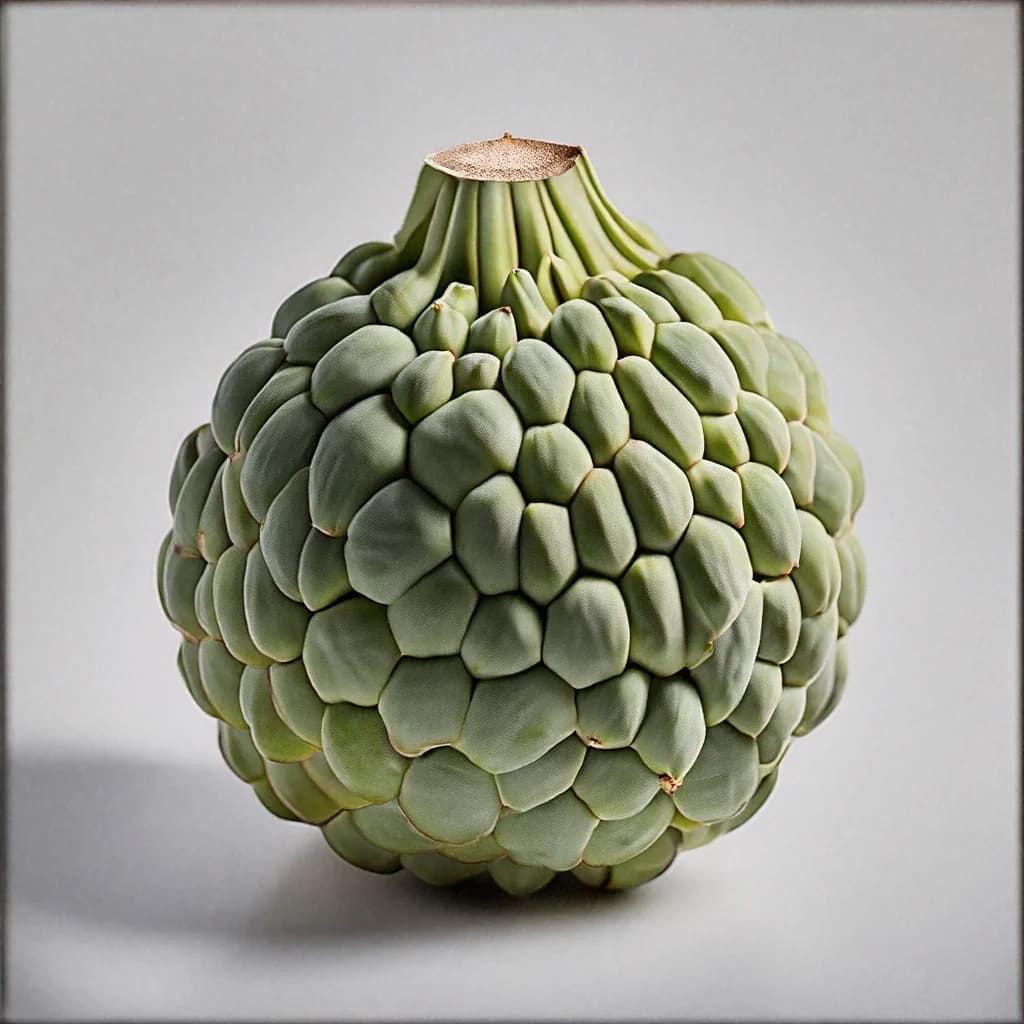
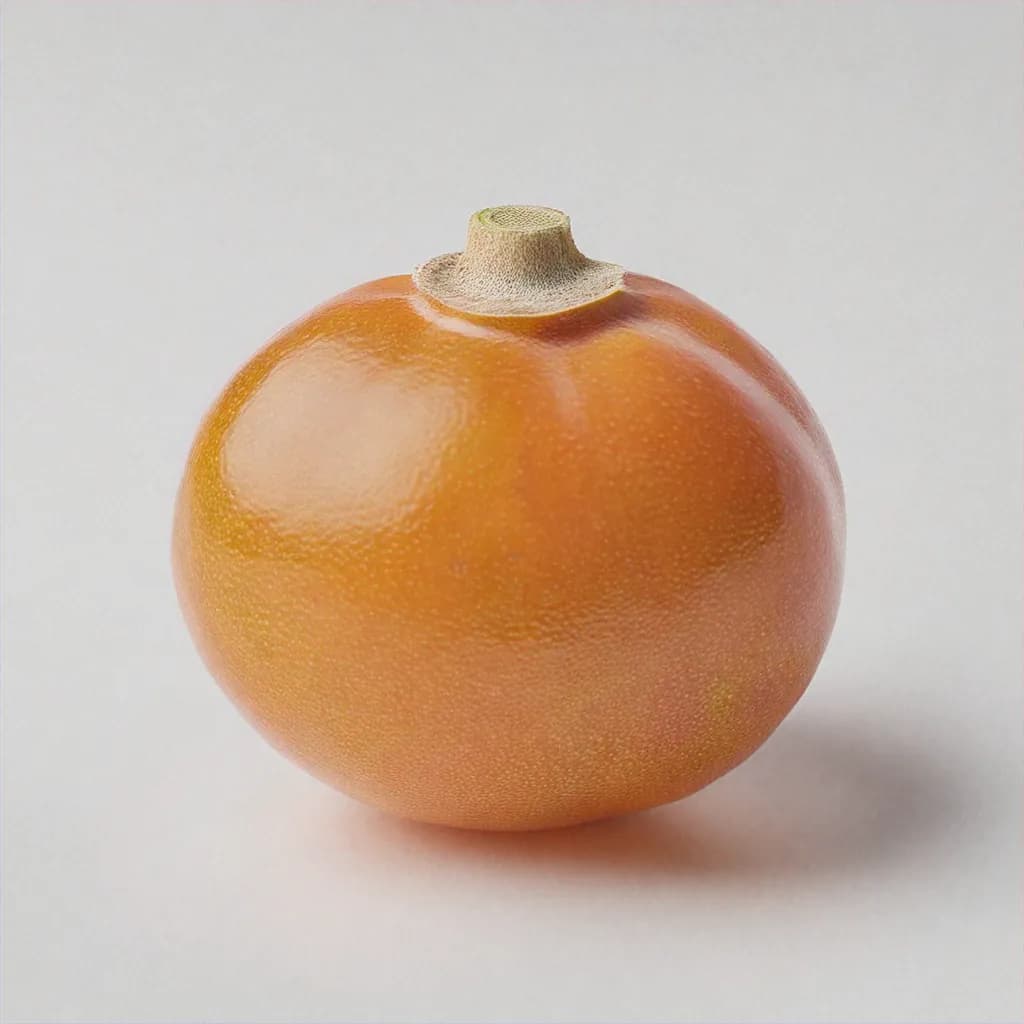
Nance - Main View
Per 100g
Per 100g
Nutrition breakdown for one serving
Central America, Caribbean
Nance native to Central America with pre-Columbian indigenous use. Aztec and Mayan civilizations utilizing fruit in traditional medicine. Spanish colonial expansion discovering and spreading cultivation. Traditional Central American cuisine foundation. Caribbean adoption and cultivation. Modern cultivation expanding in Mexico and Central America. International specialty market growing. Culinary recognition expanding slowly. Health benefit research validating traditional use.
Peak season June-September in Northern Hemisphere
Each variety offers unique flavors, textures, and culinary applications
Keep your fruit fresh and delicious for longer
Select firm nance without soft spots or bruises
Choose bright yellow-orange color indicating ripeness
Look for fragrant aroma indicating sweet flavor
Press gently - should yield slightly to pressure when ripe
Avoid overly soft or wrinkled specimens
Check for uniform color and appearance
Purchase from Latin American markets or specialty grocers
Select consistent size for even ripeness
Store at room temperature up to 4 days when ripe
Refrigerate for extended storage up to 1 week
Keep in produce drawer away from ethylene-producing fruits
Do not wash before storing to preserve shelf life
Can be frozen whole up to 3 months
Juice can be frozen in ice cube trays for convenient use
Puree can be frozen for cooking applications
Room temperature storage intensifying aroma
Preserve freshness for months
Nance can be frozen whole for up to 3 months
Thaw before eating or juicing
Frozen fruit excellent for cooked applications
Juice freezes well in ice cube trays
Puree freezes for convenient cooking use
Frozen fruit maintains vitamin content
Label frozen items with the date to track freshness. Most fruits maintain quality for 2-3 months when properly frozen. For best results, use airtight containers or freezer bags to prevent freezer burn.
Discover delicious possibilities
Nance allergies extremely rare with minimal documented cases. Tropical fruit allergies uncommon. Allergic reactions very uncommon. Generally safe for most individuals. Those with tropical fruit sensitivities should consult allergist. Possible cross-reactivity with mango or cashew but rare.
Nance cultivated with varying pesticide practices in Central America. Organic nance available from certified producers. Conventional fruit acceptable with water rinsing. Central American suppliers often emphasizing traditional and sustainable cultivation practices.
Surprising trivia you'll love!
Nance native to Central America with pre-Columbian Aztec and Mayan civilization use spanning centuries
Exceptional vitamin A (28% DV) among highest of tropical fruits supporting superior eye health and vision
Good vitamin C (30% DV) combined with vitamin A creating unique nutritional profile among fruits
Creamy texture distinctive among tropical fruits providing smooth sensory experience when ripe
Distinctive aromatic aroma making nance identifiable by scent among tropical fruits
Rich polyphenols and flavonoids provide anti-inflammatory benefits comparable to berries
Low glycemic index (40) and moderate load (5) suitable for blood sugar management and diabetic diets
Potassium content (6% DV) supporting heart health and blood pressure regulation
Tannins providing antimicrobial and digestive benefits distinct from other tropical fruits
Modern scientific research beginning to validate centuries of Central American indigenous wellness knowledge
Nance distinctive Central American tropical fruit with unique characteristics differentiating from common tropical fruits. VITAMIN A CONTENT: Exceptional 28% DV supporting excellent eye health. Vision support robust. Immune function. Skin wellness. Compared to mango: Nance higher vitamin A. Mango higher fiber. Different flavor profiles. Nance more aromatic. Both nutrient-dense. VITAMIN C CONTENT: Good 30% DV supporting. Immune function adequate. Antioxidant defense. Similar to many fruits. Combined with vitamin A. Unique nutrient ratio. CREAMY TEXTURE: Unique creamy flesh when ripe. Soft eating experience. Smooth mouthfeel. Unlike mango texture. Similar to mamey in creaminess. Distinctive sensory quality. AROMATIC QUALITY: Distinctive sweet aroma. Fragrant when ripe. Aromatic essential compounds. Culinary appeal. Sensory distinction. POLYPHENOL CONTENT: Rich antioxidant compounds. Anti-inflammatory benefits. Cardiovascular support. Comparable to other tropical fruits. Disease prevention. FLAVOR PROFILE: Sweet creamy flavor subtle tartness. Mild taste experience. Gentle palatability. Child-friendly. Smooth flavor. POTASSIUM CONTENT: Good 6% DV supporting. Heart health adequate. Blood pressure regulation. Muscle function. Compared to mango similar. TRADITIONAL USE: Central American indigenous use. Wellness traditions. Cultural significance. Ancient knowledge. Health practices. CULINARY VERSATILITY: Fresh eating traditional. Juice preparation. Jam making. Smoothie ingredient. Dessert application. BOTTOM LINE: Nance unique Central American tropical fruit with exceptional vitamin A (28% DV), good vitamin C (30% DV), creamy distinctive texture, aromatic sweet flavor, rich polyphenols with anti-inflammatory benefits, good potassium (6% DV), low glycemic profile, centuries of Central American indigenous wellness traditions, and distinctive nutritional and sensory profile compared to mango and mamey.
Nance versatile Central American tropical ingredient with traditional applications emphasizing sweet creamy flavor. FRESH JUICE: Direct consumption traditional. Beverage preparation. Daily vitamin A. Immune support. Aromatic quality. Central American tradition. FRESH EATING: Direct consumption ripe. Whole fruit eating. Simple enjoyment. Creamy texture. Aromatic aroma. Traditional preparation. JAM PREPARATION: Fruit preserve traditional. Sugar preservation. Extended storage. Breakfast spread. Culinary foundation. Shelf-stable product. SMOOTHIE BASE: Tropical smoothies. Yogurt base. Fruit combinations. Nutritious beverages. Health-focused. Popular modern use. DESSERT SAUCE: Ice cream topping traditional. Pastry filling. Sweetness base. Culinary application. Flavor enhancement. COCKTAIL MIXING: Tropical cocktails. Spirit pairing. Juice base. Garnish application. Mixology ingredient. ICE CREAM FLAVORING: Natural flavoring. Frozen dessert. Creaminess complement. Culinary innovation. Modern application. PRESERVE MAKING: Extended storage traditional. Sugar-preserved fruit. Shelf stability. Breakfast preparation. Culinary foundation. BASIC JUICE PREPARATION: Fresh nance 12-15 fruits, halve and scoop pulp, strain if desired, sweeten to taste. BASIC JAM RECIPE: Nance pulp 4 cups, sugar 2.5 cups, lemon juice 1 tablespoon, combine in pot, simmer 25-30 minutes until thickened. NANCE SAUCE: Pulp 2 cups, honey 1/2 cup, vanilla extract 1 teaspoon, simmer until thick. SMOOTHIE RECIPE: Nance juice 1 cup, yogurt 1 cup, banana 1, honey 1 tablespoon, blend until smooth. TROPICAL DESSERT: Nance pulp layered with coconut cream and graham crumbs. STORAGE: Fresh juice lasting 3-5 days. Jam lasting 3-4 weeks. Sauces lasting 1-2 weeks. BOTTOM LINE: Nance quintessential Central American tropical ingredient with traditional fresh juice consumption, fresh whole fruit eating, jam and preserve making, smoothie base, dessert sauce preparation, ice cream topping, cocktail mixing, and diverse recipes highlighting distinctive sweet creamy aromatic flavor and exceptional vitamin A content central to Central American cuisine.
Nance safe for consumption with minimal documented safety concerns. Generally well-tolerated by most populations. ALLERGY INFO: Nance allergies extremely rare. Tropical fruit allergies uncommon. Allergic reactions very uncommon. Generally safe for most individuals. Those with tropical fruit sensitivities should consult allergist. Cross-reactivity with mango or cashew possible but rare. DIGESTIVE CONSIDERATIONS: Fiber content generally supportive. Some experiencing digestive changes initially. Introduce gradually. Adequate hydration important. Digestive adaptation natural. TANNIN CONTENT: Tannins present providing benefits. Astringent properties minimal. Some experiencing minor mouth drying. Generally well-tolerated. Moderation recommended. PREGNANCY CONSIDERATIONS: Nance safe during pregnancy. Vitamin A important but monitor total intake. Vitamin C beneficial. Fiber helpful. Moderation recommended. Consult healthcare provider. CHILDREN CONSIDERATIONS: Nance safe for children. Creamy texture child-friendly. Mild sweet flavor appealing. Nutritious food option. Age-appropriate consumption. ORAL HEALTH: Minimal acidity protecting tooth enamel. Tannins potentially staining teeth slightly. Moderation important. Rinse after consuming. Generally protective. MEDICATION INTERACTIONS: Nance unlikely to interact with medications. High vitamin A note for specific medications. Consult healthcare provider if concerns. Tannin interactions minimal. SIDE EFFECTS: Minimal side effects documented. Some experiencing digestive adjustment. Rare allergic reactions if sensitive. Most individuals tolerating well. STORAGE SAFETY: Refrigerate for extended storage. Use before deterioration. Proper handling important. Fresh consumption optimal. Freezing maintains safety. PESTICIDE CONCERNS: Nance cultivated with varying practices in Central America. Organic nance available. Conventional fruit acceptable. Wash before consuming. Central American suppliers often sustainable. BOTTOM LINE: Nance safe for consumption with minimal documented safety concerns, extremely rare allergies, possible mango/cashew cross-reactivity if sensitive, tannin astringency minimal, vitamin A content requiring monitoring during pregnancy, high palatability for children, protective effects on tooth enamel, no contraindicated medications except vitamin A considerations, and consultation with healthcare provider appropriate for specific individual concerns.
Nance profound cultural significance in Central American culinary tradition and emerging international recognition. INDIGENOUS ORIGINS: Native to Central America. Pre-Columbian indigenous use. Aztec civilization significance. Mayan culture importance. Traditional medicine. Wellness practices. REGIONAL IDENTITY: Mexican, Guatemalan, Honduran signature fruit. Central American agricultural heritage. Regional economic importance. Cultural symbol. Local pride. CULINARY TRADITION: Traditional juice preparation centuries. Central American cuisine foundation. Regional flavor identity. Cultural continuity. Wellness traditions. SPANISH COLONIAL: Spanish documentation and naming. Colonial expansion spreading. Cultivation adaptation. American introduction. Culinary preservation. TRADITIONAL MEDICINE: Indigenous healing traditions. Wellness support practices. Eye health emphasis. Traditional remedies. Health knowledge systems. CARIBBEAN ADOPTION: Island cultivation and use. Caribbean culinary traditions. Regional adaptation. Cultural integration. Trade importance. MODERN EXPANSION: International market growth beginning. Specialty market recognition. Export development starting. Global availability increasing. International interest emerging. CENTRAL AMERICAN PRESTIGE: Regional agricultural significance. Economic importance for farmers. Cultural heritage preservation. Tourism connection. SUPERFRUIT RECOGNITION: Modern health awareness. Vitamin A emphasis. Antioxidant focus. Scientific validation. Contemporary interest beginning. DIASPORA SIGNIFICANCE: Central American communities maintaining traditions. Cultural heritage preservation. Identity connection. Intergenerational transmission. AUTHENTIC SOURCING: Central American nance appreciation. Authentic experience seeking. Fair-trade positioning. Quality emphasis. Cultural authenticity. SUSTAINABILITY FOCUS: Traditional cultivation methods. Biodiversity support. Indigenous knowledge preservation. Environmental stewardship. Conservation importance. BOTTOM LINE: Nance profound cultural significance as centuries-old Central American tropical fruit native to region, indigenous pre-Columbian use and traditional medicine, regional Guatemalan, Honduran, and Mexican identity and agricultural heritage, traditional juice preparation and wellness foundation, Spanish colonial documentation and Caribbean adoption, emerging superfruit recognition emphasizing vitamin A benefits, beginning international export markets and specialty market growth, diaspora heritage preservation, and growing international interest as authentic Central American ingredient.
Sustainability insights
Nance cultivation represents Central American agricultural practice with environmental considerations. Benefits include tree cultivation in tropical regions, traditional farming methods, biodiversity support, and ecosystem integration. Challenges include deforestation for expansion, pesticide use in conventional cultivation, long-distance transportation carbon footprint, and limited cultivation regions. Sustainable practices include organic farming, supporting indigenous producers, shade-grown cultivation, and regional consumption.
Nance carbon footprint varies by cultivation region and transportation method. Primary cultivation in Mexico and Central America. Long-distance international shipping increasing carbon impact significantly. Organic cultivation reducing overall environmental footprint. Supporting Central American local production reducing transportation. Seasonal purchasing when available.
Nance cultivation adapted to tropical rainfall patterns. Tree cultivation supporting biodiversity. Moderate water requirements. Sustainable water management integrated. Rainfed cultivation supporting natural growth. Minimal irrigation supplementation needed.
Supporting Central American nance producers maximizes environmental benefit. Direct Central American sourcing. Sustainable farming practices preferred. Indigenous cultivation supporting. Traditional methods supporting. Local processing reducing carbon footprint. Supporting Central American agricultural heritage. BEST PRACTICES: Choose Central American-sourced nance, support sustainable producers, source from fair-trade suppliers, purchase seasonally when available, minimize processing and packaging.
We aim to keep this Nance profile accurate and easy to understand. Nutrition values and % Daily Value figures are based on established reference databases and standard daily value guidance.
Last updated: September 4, 2026
Medical disclaimer
This page is for general educational purposes and does not replace professional medical advice.
Found an issue? Contact us.