Loading Fruit Details...
Please wait while we fetch nutritional information and health benefits
Please wait while we fetch nutritional information and health benefits
Recommended Products
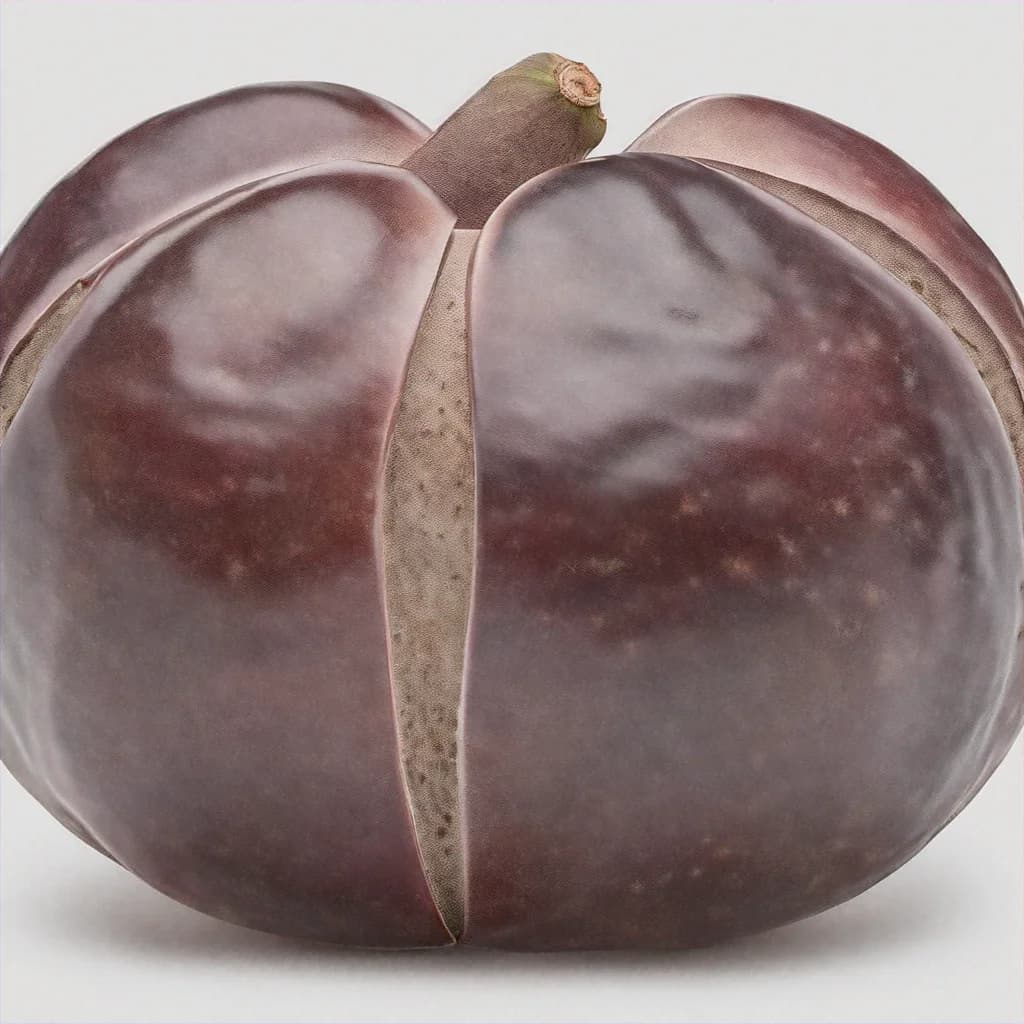
Akebia quinata
Akebia, also known as the chocolate vine, is a fascinating and less-known fruit native to East Asia. Its vibrant purple-brown, sausage-shaped fruit is not only visually striking but also offers a unique culinary experience. The flesh inside is white, soft, and mildly sweet with a subtle hint of vanilla, providing a refreshing and slightly crunchy texture. Akebia is celebrated for its nutritional profile, packed with vitamins, minerals, and antioxidants. The fruit is often enjoyed raw or incorporated into desserts, beverages, and even savory dishes. Its versatility and distinct flavor make it a hidden gem in the world of exotic fruits.
Explore Akebia in stunning detail
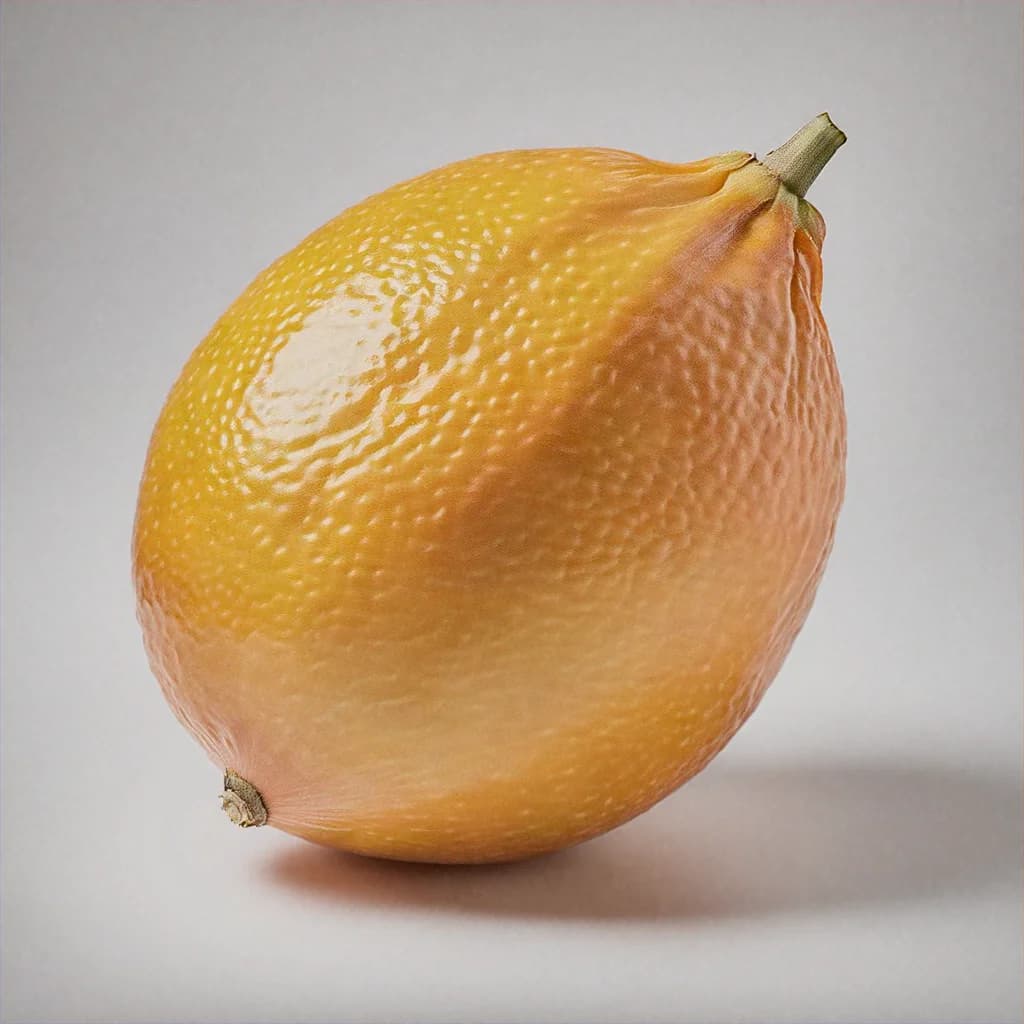
Akebia - Main View
Per 100g
Per 100g
Nutrition breakdown for one serving
East Asia
Akebia has been cultivated in East Asia for centuries, valued for its edible fruit and ornamental qualities. It has gained popularity in Western countries in recent years due to its unique flavor and nutritional benefits.
Spring to early summer
Each variety offers unique flavors, textures, and culinary applications
Keep your fruit fresh and delicious for longer
Select Akebia fruits that are firm and free of blemishes.
Look for a vibrant purple-brown color, indicating ripeness.
Store Akebia in a cool, dry place away from direct sunlight.
Refrigerate for extended freshness.
Preserve freshness for months
Akebia can be frozen whole or sliced.
Freeze in an airtight container to maintain freshness.
Label frozen items with the date to track freshness. Most fruits maintain quality for 2-3 months when properly frozen. For best results, use airtight containers or freezer bags to prevent freezer burn.
Discover delicious possibilities
While rare, individuals with allergies to related fruits should be cautious when trying Akebia for the first time.
Akebia is generally low in pesticide residues, but it is always a good practice to wash the fruit thoroughly before consumption.
Surprising trivia you'll love!
Akebia is also known as the 'chocolate vine' due to the resemblance of its flowers to chocolate.
The fruit is often used in traditional Asian medicine for its health benefits.
Akebia has a mildly sweet flavor with a hint of vanilla and a slightly crunchy texture.
A ripe Akebia will have a vibrant purple-brown color and feel firm to the touch.
Yes, Akebia can be frozen whole or sliced to preserve its freshness.
Akebia can be eaten raw, added to fruit salads, or used in desserts like tarts and sorbets.
Akebia has a moderate sugar content of 8g per 100g, making it a balanced choice for those watching their sugar intake.
Akebia is generally safe for consumption, but individuals with allergies to related fruits should exercise caution.
Yes, Akebia can be used to make juice, infused water, or smoothies for a refreshing drink.
Sustainability insights
Akebia is a sustainable fruit as it requires minimal water and pesticides for cultivation.
Low, due to minimal processing and transportation requirements.
Moderate, as Akebia is relatively drought-resistant.
Akebia is primarily imported from East Asia, though it is increasingly grown in some Western regions.
We aim to keep this Akebia profile accurate and easy to understand. Nutrition values and % Daily Value figures are based on established reference databases and standard daily value guidance.
Last updated: October 2, 2026
Medical disclaimer
This page is for general educational purposes and does not replace professional medical advice.
Found an issue? Contact us.