Loading Fruit Details...
Please wait while we fetch nutritional information and health benefits
Please wait while we fetch nutritional information and health benefits
Recommended Products
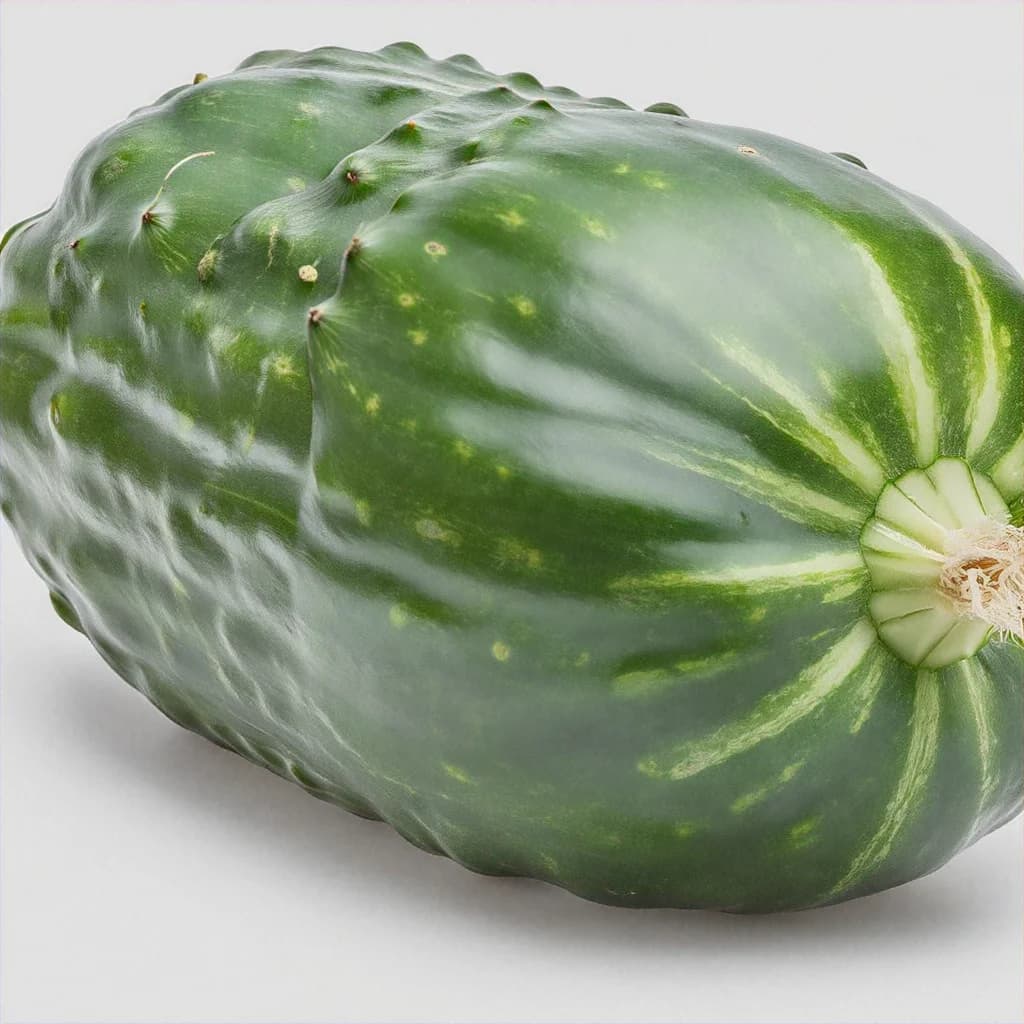
Cucumis africanus
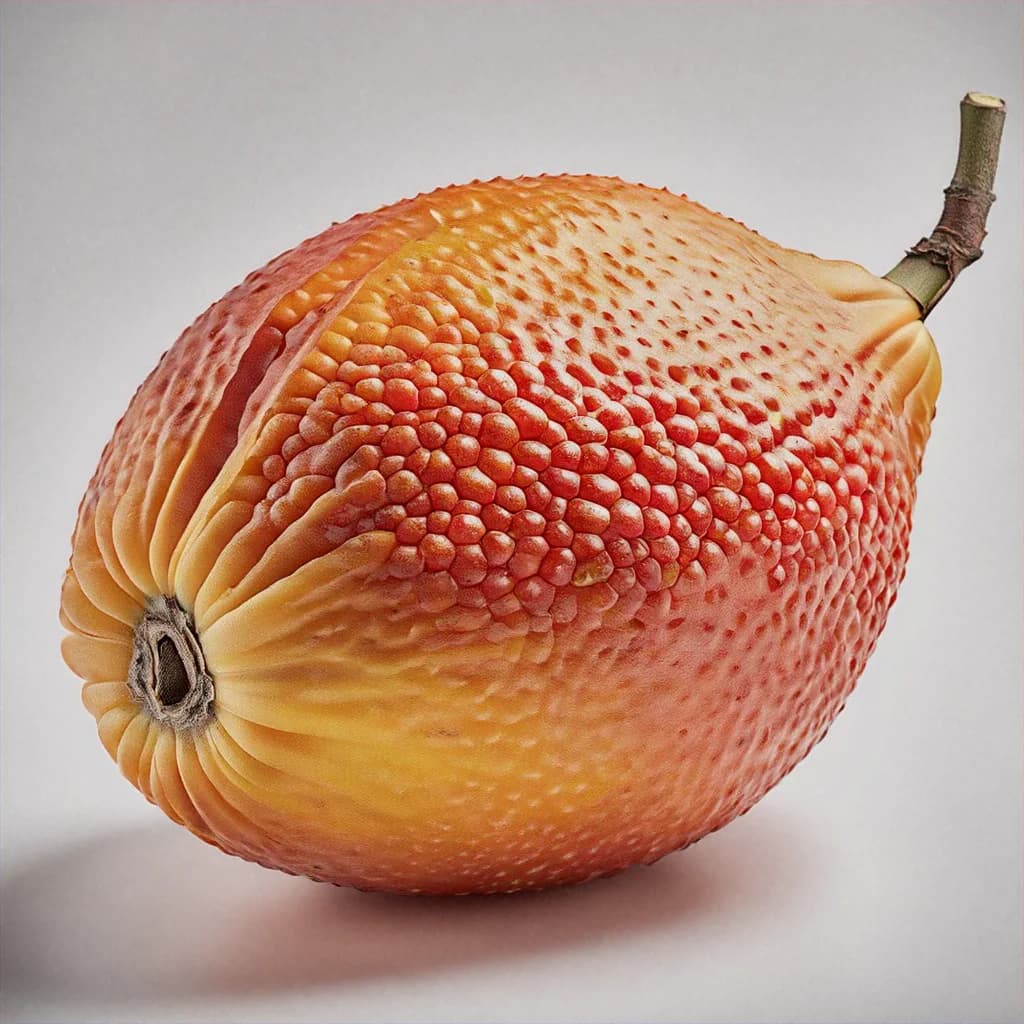
The African Cucumber, scientifically known as Cucumis africanus, is a unique and intriguing fruit native to the arid regions of Southern Africa. Unlike its more familiar cousin, the common cucumber (Cucumis sativus), the African Cucumber is a wild species that has adapted to harsh desert conditions. Its outer skin is tough, often covered in spines, and its flesh is juicy and mildly sweet, providing a refreshing respite in dry environments. Rich in water, fiber, and essential vitamins, this fruit has long been valued for its hydrating properties and nutritional benefits. Traditional uses include consuming it raw, fermenting it, or drying it for preservation. Beyond its culinary applications, the African Cucumber holds cultural significance in many African communities, where it is used in traditional medicine and ceremonies. Its resilience and adaptability make it a fascinating subject of study for botanists and a valuable resource for sustainable agriculture in arid regions.
Explore African Cucumber in stunning detail
African Cucumber - Main View
Per 100g
Per 100g
Nutrition breakdown for one serving
Southern Africa
The African Cucumber has been a staple in Southern African diets for centuries. It was traditionally used by indigenous communities for its hydrating properties and medicinal benefits. Its resilience to drought and harsh conditions has made it a valuable food source in arid regions.
Late summer to early autumn
Each variety offers unique flavors, textures, and culinary applications
Keep your fruit fresh and delicious for longer
Select firm African Cucumbers with no soft spots.
Look for vibrant green skin without excessive blemishes.
Store in a cool, dry place for up to 5 days.
Refrigerate for extended freshness up to 10 days.
Preserve freshness for months
Not recommended, as freezing alters texture and flavor.
Label frozen items with the date to track freshness. Most fruits maintain quality for 2-3 months when properly frozen. For best results, use airtight containers or freezer bags to prevent freezer burn.
Discover delicious possibilities
Individuals with known allergies to cucumbers or related plants should avoid consumption.
Generally low, as it is often grown in wild or organic environments.
Surprising trivia you'll love!
The African Cucumber is often referred to as the 'desert cucumber' due to its ability to thrive in arid environments.
In traditional African medicine, the African Cucumber was used to treat various ailments, including fever and digestive issues.
The African Cucumber has a mildly sweet and refreshing taste, similar to a regular cucumber but with a slightly more pronounced flavor.
Look for firm cucumbers with vibrant green skin and no soft spots or excessive blemishes.
Freezing is not recommended, as it alters the texture and flavor of the fruit.
African Cucumbers can be eaten raw, fermented, or added to salads for extra crunch and hydration.
Yes, it is high in water, fiber, Vitamin C, and antioxidants, making it a healthy addition to your diet.
While generally safe, individuals with known allergies to cucumbers or related plants should avoid consumption.
Yes, it is a resilient plant that thrives in arid regions, making it a sustainable food source in areas with limited water resources.
Sustainability insights
The African Cucumber is a resilient plant that requires minimal water and thrives in arid conditions, making it a sustainable food source.
Low, due to minimal agricultural inputs and local cultivation.
Minimal, as it is adapted to desert environments.
Best consumed locally to reduce transportation-related environmental impact.
We aim to keep this African Cucumber profile accurate and easy to understand. Nutrition values and % Daily Value figures are based on established reference databases and standard daily value guidance.
Last updated: October 2, 2026
Medical disclaimer
This page is for general educational purposes and does not replace professional medical advice.
Found an issue? Contact us.