Loading Fruit Details...
Please wait while we fetch nutritional information and health benefits
Please wait while we fetch nutritional information and health benefits
Recommended Products
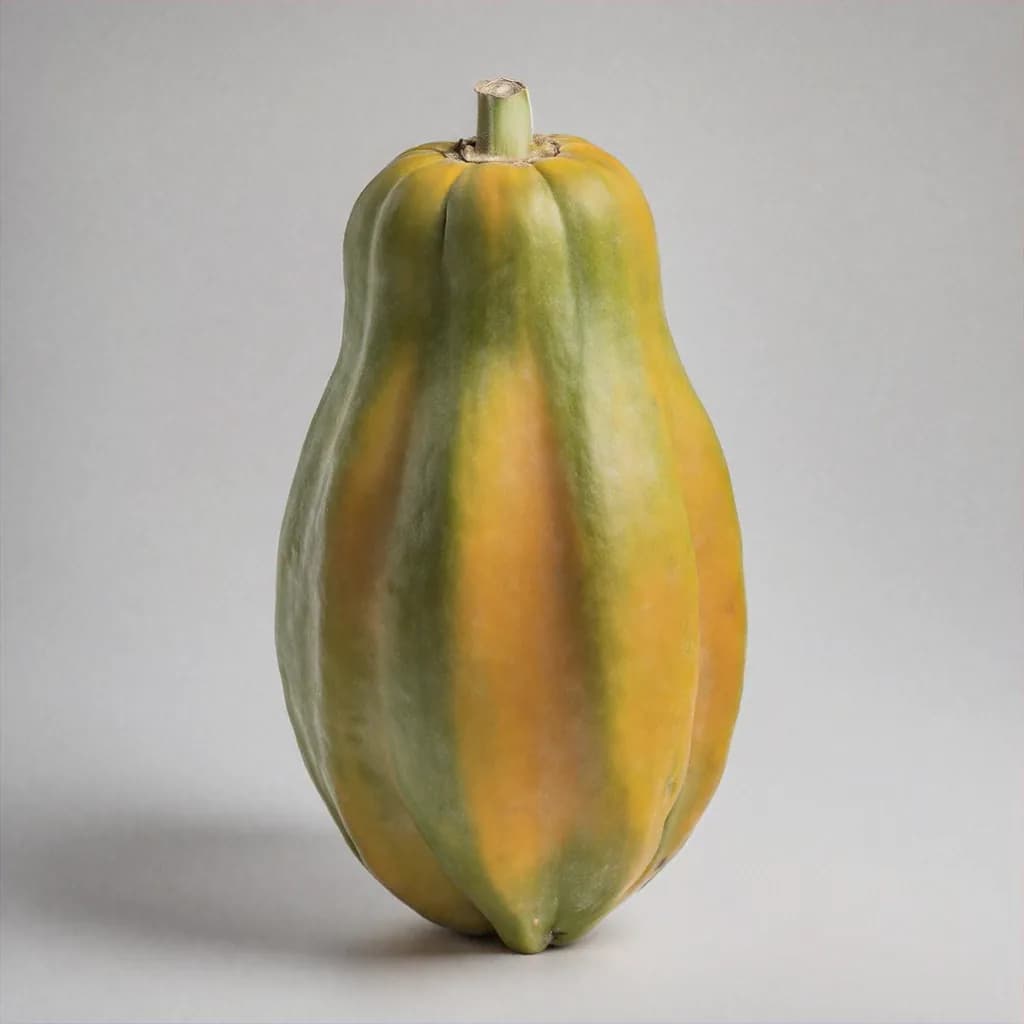
Carica papaya
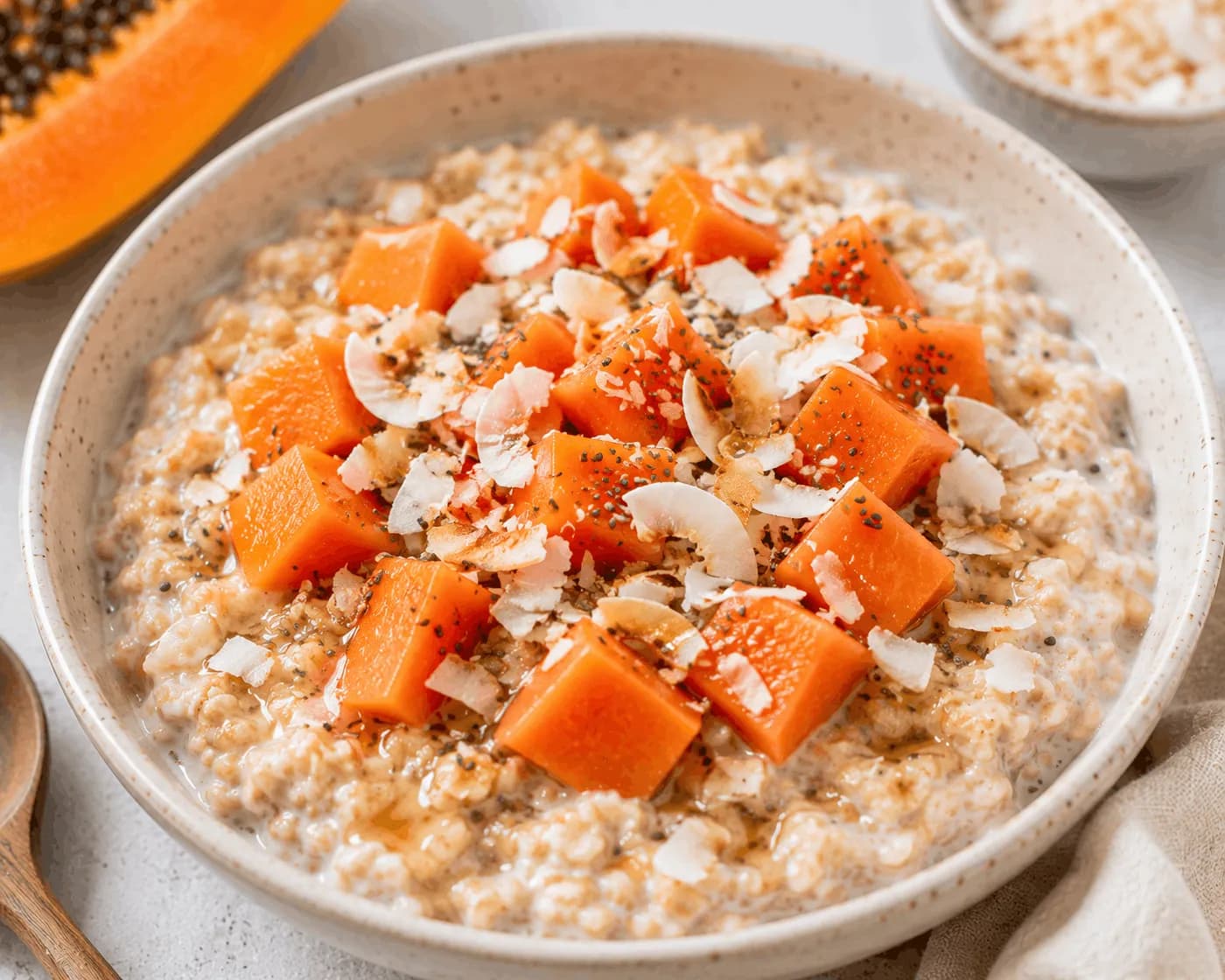
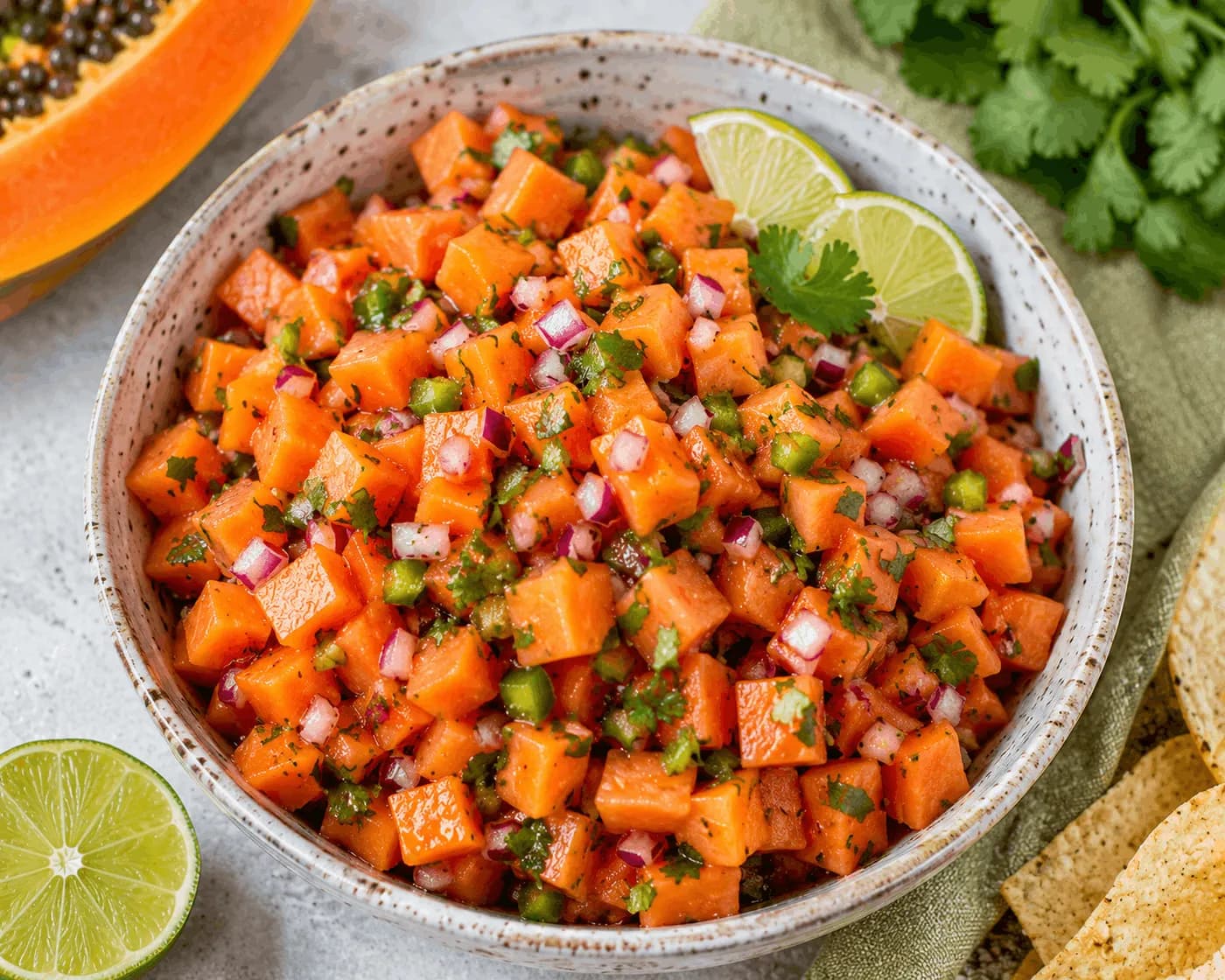
Papayas are large, tropical pear-shaped fruits with smooth golden-orange or greenish skin and vibrant orange-red flesh - offering sweet, tropical flavor and distinctive digestive-supporting properties through natural enzyme content. These substantial fruits (1-5 pounds typical) with oblong pear shape originate from Central America and tropical regions worldwide, becoming essential ingredient in tropical cuisines, smoothies, and wellness preparations. The distinctive characteristic of papayas is high papain enzyme content - a natural protease supporting protein digestion and offering unique health-supporting properties unavailable in most fruits. Papayas provide exceptional nutritional profile - outstanding vitamin C content (88% DV per 100g), significant folate (14% DV), vitamin A supporting eye health, fiber supporting digestion, and antioxidants including carotenoids with disease-preventing potential. The digestive enzyme papain transforms papayas from simple fruit into functional food supporting digestive health and offering traditional remedies for digestive complaints. Traditional medicine across tropical cultures recognizes papayas as digestive support, immune enhancement, and anti-inflammatory fruit with applications spanning centuries. The combination of exceptional flavor, nutritional density, digestive enzyme content, functional food properties, and tropical versatility makes papayas absolutely essential fruit deserving universal appreciation and regular consumption for both culinary enjoyment and wellness support.
Explore Papaya in stunning detail
Papaya - Main View
Per 100g
Per 100g
Nutrition breakdown for one serving
Central America, particularly Mexico and Central American tropics
Papayas originate from Central America, particularly Mexico and Central American tropical regions. Ancient Mesoamerican cultures recognized papayas as nutritious and medicinally valuable fruit - archaeological evidence suggests cultivation predates European contact. Spanish conquistadors encountered papayas during 16th century expeditions and documented the fruit and its digestive properties. Spanish traders distributed papaya seeds globally through colonial networks - papayas became cultivated throughout tropical regions by 17th-18th centuries. Portuguese and Dutch traders established papaya cultivation in Africa, Asia, and other tropical colonies. Papain enzyme was isolated and characterized in 19th century - becoming valuable industrial enzyme with applications in meat tenderization, textile processing, and pharmaceutical production. Modern scientific research confirmed traditional medicinal applications - papain's digestive and anti-inflammatory properties validated by modern studies. Today papayas are among most widely cultivated tropical fruits globally - India is largest producer with cultivation spanning diverse tropical regions worldwide.
Year-round in tropical regions; peak May-September in Northern Hemisphere
Each variety offers unique flavors, textures, and culinary applications
Keep your fruit fresh and delicious for longer
Select papayas with yellowish skin color (not fully green, not overly dark)
Papayas should yield slightly to gentle pressure - indicates ripeness without mushiness
Skin should be smooth with minimal blemishes or bruising
Fragrant sweet aroma indicates ripeness and quality
Avoid completely green papayas (underripe, less flavorful)
Avoid overly soft or mushy papayas (overripe, deteriorating)
Look for heavy papayas for their size - indicates juiciness
Check for skin uniformity - avoid large soft spots or mold
Ripe papaya skin should have some give when gently pressed
Fresh ripe papayas keep refrigerated 5-7 days in crisper drawer
Room temperature storage acceptable 2-3 days for ripe fruit
Do not wash papayas until ready to use - moisture accelerates spoilage
Underripe papayas ripen at room temperature (3-7 days typically)
Paper bag storage accelerates ripening at room temperature
Separate papayas in storage to improve air circulation
Frozen papayas preserve quality excellently for 3-6 months
Puree and freeze papaya for smoothies and cooking applications
Can be frozen whole or in chunks on baking sheet before bagging
Papaya juice keeps refrigerated 2-3 days
Preserve freshness for months
Fresh papayas freeze excellently for 3-6 months
Flash freeze chunks or puree on baking sheet before bagging
Frozen papayas ideal for smoothies and blended applications
Thaw before using for fresh applications or use frozen directly for smoothies
Frozen papaya becomes softer - texture less ideal fresh but perfect for processing
Peel and seed before freezing for convenient preparation
Label frozen items with the date to track freshness. Most fruits maintain quality for 2-3 months when properly frozen. For best results, use airtight containers or freezer bags to prevent freezer burn.
Discover delicious possibilities
Papaya allergies are relatively uncommon but documented, particularly in individuals with cross-reactions to other tropical fruits or latex (papaya tree family connection). Allergic reactions typically present as oral allergy syndrome - itching, tingling, or swelling of mouth, lips, tongue, and throat, particularly with fresh papayas. Some individuals experience generalized allergic reactions including hives, urticaria, or skin rashes. Severe reactions including respiratory symptoms are rare but documented. LATEX-FRUIT SYNDROME: Individuals with latex allergies may show cross-reactivity to papaya - consult allergist if concerned. The connection is stronger for avocado and banana but exists for papaya.
Conventionally grown papayas may contain pesticide residues from orchard treatment. Proper washing: Rinse papayas gently under cool running water for 15-20 seconds before cutting. Pat dry with clean towel. This removes surface pesticides and contaminants. Organic papayas eliminate synthetic pesticide concerns. The thick skin provides some protection for interior flesh but washing is still recommended.
Surprising trivia you'll love!
Papaya name derives from Carib 'ababai' through Spanish 'papaya' - reflecting the fruit's Central American origin and indigenous cultural significance
Papain enzyme was isolated in 19th century and became valuable industrial enzyme - used in meat tenderization, textile processing, pharmaceutical production, and industrial applications
Christopher Columbus encountered papayas during New World exploration and reportedly called them 'fruit of the angels' - reflecting the exceptional nutritional and flavor qualities
Papain enzyme is so effective at breaking down proteins that workers in papaya processing facilities develop skin irritation from enzyme exposure - occupational hazard of papaya handling
Papaya is grown in more countries than almost any other tropical fruit - cultivated on every continent except Antarctica making it truly global crop
India is world's largest papaya producer - producing over 9 million metric tons annually far exceeding all other producers combined
Papaya seeds have peppery spice profile and were traditionally used as black pepper substitute in tropical regions before modern spice trade
Traditional Chinese and Southeast Asian medicine recognized papayas as digestive support, immune enhancement, and anti-inflammatory fruit for thousands of years
Modern scientific research increasingly validates traditional papaya applications - papain's digestive and anti-inflammatory properties confirmed by contemporary studies
Papaya contains carotenoid compounds including lycopene - the same compounds that make tomatoes and watermelons red and provide cardiovascular health benefits
Determining papaya ripeness is crucial for optimal flavor and enzyme activity - understanding ripeness indicators ensures perfect eating experience. SKIN COLOR: Most obvious ripeness indicator. Ripe papaya skin transitions from green to yellowish-orange color. The color change typically progresses from bottom to top. Fully ripe papaya has predominantly yellow or golden-orange skin. Fully green papaya is underripe and less sweet. Fully yellow-orange to reddish skin indicates optimal ripeness. FIRMNESS TEST: Gently squeeze papaya in palm - ripe papaya yields slightly to gentle pressure without being mushy. Underripe papaya is very firm and hard. Overripe papaya is very soft and mushy (deteriorating). The slight give indicates perfect readiness. FRAGRANCE: Ripe papaya has distinctive sweet fragrant aroma. Underripe papaya has minimal fragrance. Strong sweet aroma indicates ripeness. You can smell ripeness even through the skin. FLOAT TEST: Very ripe papayas float higher in water than underripe - the increased ripeness changes density slightly. RIPENING AT HOME: Green papayas ripen at room temperature (3-7 days typically). Place in paper bag to accelerate ripening. Check daily for color changes. Once ripe, refrigerate to slow further ripening. OPTIMAL RIPENESS: The perfect balance is when papaya yields slightly to pressure, has predominantly yellow-orange skin, and fragrant aroma - this indicates maximum flavor and enzyme activity. UNDERRIPE CHARACTERISTICS: Firm, green, minimal fragrance, less sweet taste, firmer texture. OVERRIPE CHARACTERISTICS: Very soft, very yellow or browning skin, mushy texture, may show soft spots. ENZYMATIC ACTIVITY: Papain enzyme is most active in ripe papaya - choose ripe for optimal digestive benefits. STORAGE AFTER RIPENING: Once ripe, refrigerate to extend shelf life 5-7 days. BOTTOM LINE: Papaya ripeness is determined by skin color transition, gentle firmness, and sweet fragrance. The sweet aroma and slight yield to pressure indicate optimal readiness.
Papain is unique protease enzyme found in papayas - offering distinctive digestive and health-supporting properties unavailable in most fruits. ENZYME DEFINITION: Papain is protein-digesting enzyme (protease) that breaks down proteins into smaller peptides and amino acids. This enzymatic action facilitates protein digestion and absorption. Papain is particularly abundant in unripe papaya but remains active in ripe fruit. DIGESTIVE BENEFITS: Papain supports protein digestion by breaking down protein molecules. This supplementary enzyme action reduces digestive strain particularly after protein-rich meals. Traditional use recognized papaya as digestive aid - modern enzyme science validates this application. The enzyme is most active on partially digested proteins in stomach and small intestine. ANTI-INFLAMMATORY PROPERTIES: Papain demonstrates anti-inflammatory activity through multiple mechanisms. The enzyme may help reduce inflammation in digestive tract and systemically. Research suggests potential anti-inflammatory benefit though evidence is still developing. PROTEIN TENDERIZATION: Papain breaks down muscle proteins making meat more tender. This is why papaya is used as natural meat tenderizer in marinades and cooking. The enzyme application in culinary context demonstrates its protein-breaking capability. WOUND HEALING: Some research suggests papain may support wound healing through protein remodeling and antimicrobial properties. Traditional applications used papaya for wound care. Modern evidence is limited but supportive. SKIN HEALTH: Papain's protein-breaking properties led to use in skincare products. The enzyme may gently exfoliate and support skin health. Topical papain preparations are used in some skincare systems. ANTIMICROBIAL PROPERTIES: Papain demonstrates antimicrobial and anthelmintic (parasite-fighting) properties. Traditional use across tropical cultures recognized papaya for these applications. Modern research increasingly validates traditional uses. ENZYME ACTIVITY FACTORS: Papain activity is highest in unripe papayas. Heat reduces enzyme activity - cooking significantly decreases papain. Refrigeration slows enzyme activity but preserves it. Fresh raw papaya provides maximum enzyme content. DOSAGE CONSIDERATIONS: Papain supplements are used for digestive support. Raw papaya provides enzyme through food consumption. Individual tolerance varies - some people benefit more than others. Consult healthcare provider before supplemental papain use. SAFETY: Papain is generally recognized as safe but some individuals show sensitivity. Allergic reactions are possible though uncommon. Pregnant women may need to moderate consumption (traditionally avoided). Those with latex allergies should consult healthcare provider (plant family connection). BOTTOM LINE: Papain is unique protease enzyme offering digestive support, anti-inflammatory benefits, and additional health-supporting properties. Raw ripe papaya provides natural enzyme content supporting digestive function and potentially offering additional health benefits.
Yes, papayas are genuinely beneficial for digestive health through multiple mechanisms - papain enzyme, fiber content, and traditional use across tropical cultures support digestive function. PAPAIN ENZYME SUPPORT: Papain protease enzyme supports protein digestion reducing digestive strain. The enzyme supplementary action facilitates breakdown of protein molecules. Traditional use across tropical regions recognized papaya as digestive aid - modern enzyme science validates this application. Raw ripe papaya provides maximum enzyme activity. FIBER CONTENT: Papaya contains 1.7g fiber per 100g supporting digestive health. Fiber supports regular bowel movements, beneficial gut bacteria, and digestive function. The fiber content contributes to overall digestive support beyond enzyme action. HIGH WATER CONTENT: Papaya's 88.8% water content supports hydration and smooth digestion. Adequate hydration is essential for digestive function. The moisture supports stool formation and digestive processes. GENTLE DIGESTIVE SUPPORT: Papayas are gentle on digestive system - easily digestible despite digestive support properties. The soft texture and mild nature make papayas suitable for sensitive digestive systems. Traditional use in recovery and convalescence reflects digestive gentleness. ANTI-INFLAMMATORY EFFECT: Papain's anti-inflammatory properties may reduce inflammation in digestive tract. This could support comfort in inflammatory digestive conditions. Evidence is developing but supportive. BACTERIAL SUPPORT: Some research suggests papain may support beneficial bacteria (probiotics) while inhibiting harmful bacteria. The prebiotic potential of fiber further supports beneficial bacteria. TRADITIONALLY RECOGNIZED: Across tropical cultures, papaya is recognized as digestive support. The traditional use aligns with modern scientific understanding of enzyme and fiber benefits. CONSTIPATION SUPPORT: Fiber content and water content combine to support regular bowel movements. Traditional use recognized papaya for supporting healthy elimination. The gentle nature makes papaya suitable for constipation support. ENZYME ACTIVITY: Maximum enzyme activity in ripe raw papaya. Cooking or heating reduces enzyme activity significantly. Consume fresh for maximum digestive enzyme benefit. LIMITATIONS: Papayas support digestive health but are not medical treatment. Serious digestive conditions require medical attention. Papayas are supportive component of comprehensive digestive health. OPTIMAL USE: Consume fresh ripe papaya for maximum enzyme and fiber benefit. Include regularly as part of balanced diet supporting digestive function. BOTTOM LINE: Papayas are genuinely beneficial for digestive health through papain enzyme, fiber, water content, and traditional use across tropical cultures. Fresh ripe papaya provides maximum digestive support through multiple mechanisms.
Papayas can support weight management goals through several mechanisms - though they're not weight-loss miracle food and individual results vary. LOW CALORIE DENSITY: Papayas are low-calorie fruit (43 calories per 100g) providing modest calories relative to volume. High water content (88.8%) contributes to satiety without excessive calories. Consuming papayas as part of balanced diet supports calorie management naturally. NUTRIENT DENSITY: Exceptional nutrient density provides significant vitamins and minerals with minimal calories. High vitamin C (102% DV), vitamin A (19% DV), and folate (9% DV) with modest caloric cost. Nutrient-dense foods support satiety and reduce excessive consumption. FIBER CONTENT: Fiber (1.7g per 100g) supports digestive health, regular bowel movements, and satiety. Adequate fiber supports stable blood sugar and reduces excessive snacking. Fiber contributes to fullness without excessive calories. HYDRATION SUPPORT: High water content supports hydration which supports metabolism and satiety. Adequate hydration is prerequisite for healthy weight management. Hydrating foods support overall health. PAPAIN ENZYME: Some evidence suggests papain enzyme may support protein digestion and nutrient absorption. Efficient digestion supports overall metabolic function. The enzyme action may support digestive efficiency though direct weight-loss claims are overstated. GLYCEMIC PROFILE: Moderate glycemic index (56) and low glycemic load (6) support blood sugar stability. Stable blood sugar supports energy levels and reduces cravings. Appropriate for diabetics and blood sugar management. NATURAL SWEETNESS: The natural sweetness reduces desire for high-calorie desserts and sweetened foods. Papayas satisfy sweet cravings with nutritious fruit. This substitution supports calorie reduction naturally. METABOLIC SUPPORT: Vitamin C and various minerals support metabolic function. Proper nutrition supports healthy metabolism. Nutrient deficiency impairs metabolism - adequate nutrition through papaya supports proper function. DIGESTIVE EFFICIENCY: Papain and fiber support digestive efficiency. Healthy digestion supports nutrient absorption and metabolic function. Efficient digestion is prerequisite for healthy weight management. REALISTIC EXPECTATIONS: Papayas are supportive component of weight management - not standalone solution. Weight management requires calorie balance, exercise, sleep, and stress management. Papayas contribute through calorie efficiency and satiety support. INTEGRATION: Use papayas as replacement for higher-calorie fruits or desserts. Include in smoothies with protein for complete meal support. Consume as fresh snack providing nutrients with minimal calories. BOTTOM LINE: Papayas support weight management through low calorie density, nutrient concentration, fiber, water, and papain enzyme support. They're genuinely helpful in comprehensive weight management approach but not weight-loss miracle. Use as component of balanced lifestyle rather than expecting significant individual impact.
Dogs can safely eat fresh papaya in moderation as occasional treat - it's non-toxic and generally safe though some considerations apply. SAFETY: Fresh papaya is non-toxic to dogs - no compounds are inherently poisonous. The fruit is safe for consumption in appropriate amounts. BENEFITS: Papaya provides vitamin C for immune support, fiber for digestive health, and enzymes. Water content (88.8%) provides hydration. Modest nutrition from small servings. CONCERNS: SUGAR CONTENT: Fresh papaya contains 7.8g sugar per 100g - modest but still significant for dogs. High sugar consumption contributes to obesity, dental problems, and diabetes risk - major canine health concerns. FIBER CONTENT: While beneficial for humans, excess fiber can cause digestive upset in dogs. Fiber in large quantities may cause diarrhea or gas. PAPAIN ENZYME: While humans benefit from papain, dogs may not need supplementary enzyme support. Excess enzyme consumption could potentially cause digestive upset. SEED CONCERN: Papaya seeds should be removed - seeds contain small amounts of compounds potentially problematic in quantity. Remove all seeds before offering to dogs. PORTION GUIDELINES: Small dogs (under 20 lbs): 1-2 small cubes maximum (about 10-15g). Medium dogs (20-50 lbs): 2-3 small cubes maximum (about 20-30g). Large dogs (over 50 lbs): 3-5 small cubes maximum (about 40-50g). Frequency: No more than 2-3 times per week as very occasional treat. PREPARATION: Ensure fully ripe papaya (easier digestion). Remove all seeds completely. Cut into small appropriate-sized pieces to prevent choking. Introduce gradually with tiny amount to test tolerance. Avoid processed papaya products (added sugars). WHEN TO AVOID: Dogs with diabetes should avoid or minimize (sugar content). Overweight dogs should avoid or minimize (sugar and calories). Dogs with sensitive digestive systems should avoid or minimize (fiber and enzymes). Puppies should avoid until mature. DIGESTIVE CONSIDERATIONS: Fresh papaya is generally well-tolerated in small amounts. Individual dogs vary in tolerance. Some may experience mild digestive upset. Monitor for any adverse reactions. BETTER ALTERNATIVES: Safer dog-friendly fruits include blueberries, watermelon (seedless), apple slices (no seeds), bananas (moderation), pumpkin - all lower in sugar and safer choices. These alternatives provide nutrition without excessive sugar. BOTTOM LINE: Dogs can safely eat fresh papaya in small amounts as very occasional treat with proper precautions. The modest sugar content makes it less ideal than other fruit options. Many better fruit alternatives exist for dogs. If offering papaya, keep portions very small, remove all seeds, and monitor for adverse reactions.
Papaya seeds are technically edible and have peppery spice profile - though they're not commonly consumed and require specific preparation. SEED CHARACTERISTICS: Round, small, black seeds within papaya center cavity. Numerous seeds per fruit (typically 200-300 seeds). Peppery flavor profile distinctive and pronounced. Crunchy texture provides textural contrast. EDIBILITY: Seeds are non-toxic to humans and technically edible. Some traditional cuisines incorporate seeds as seasoning. Modern Western cuisine rarely uses papaya seeds. FLAVOR PROFILE: Distinctive peppery, slightly spicy flavor. Reminiscent of black pepper or cress seeds. The flavor is pronounced and can be overwhelming in large quantities. Some describe as peppery-mustard flavor. CULINARY USES: Traditional seasoning in some Asian and tropical cuisines. Dried seeds ground as peppery spice. Added to salads for peppery crunch. Incorporated into dressings (small quantities). Used as garnish for visual and flavor effect. Added to smoothies (small quantity) for digestive enzyme addition. Brewed as tea (traditional preparation). PREPARATION: Fresh seeds straight from fruit are edible and peppery. Dry seeds for grinding as spice. Soak if desired to soften slightly. Use sparingly - flavor is strong and can overwhelm. QUANTITY CONSIDERATION: Small amounts (1 teaspoon maximum) provide distinctive flavor without overwhelming. A few seeds add pleasant peppery crunch to salad. Excessive quantity becomes unpleasantly bitter and overwhelming. DIGESTIVE ENZYME CONTENT: Seeds contain enzymes (papain and others) supporting digestive function. Traditional use recognized seeds for digestive support. Small amounts may provide modest enzyme benefit. TRADITIONAL USES: Some cultures use papaya seeds for parasite elimination (anthelmintic properties). Evidence for effectiveness is limited and traditional. Consult healthcare provider for parasite concerns - don't rely on seeds alone. SAFETY NOTES: While non-toxic, consumption in large quantities not recommended without research guidance. Pregnant women may need to avoid papaya seeds (traditional caution). Dogs should avoid papaya seeds - remove all seeds before offering papayas to pets. STORAGE: Dried papaya seeds keep several months to 1+ year in airtight container. Store in cool, dry location. Fresh seeds spoil quickly - use immediately. MODERN PERSPECTIVE: Western cuisine rarely uses papaya seeds despite culinary potential. Growing interest in traditional food preservation and spice use may increase usage. Culinary experimentation with seeds is trending among adventurous cooks. SUBSTITUTION: Black pepper or other peppery spices substitute for similar flavor if seeds unavailable. Seeds provide distinctive application but aren't irreplaceable. BOTTOM LINE: Papaya seeds are technically edible and have peppery flavor profile suitable for seasoning applications in very small quantities. They're not commonly used in modern Western cuisine but have traditional applications and potential digestive benefits. Use sparingly as distinctive spice rather than staple ingredient. Remove all seeds before offering papayas to dogs.
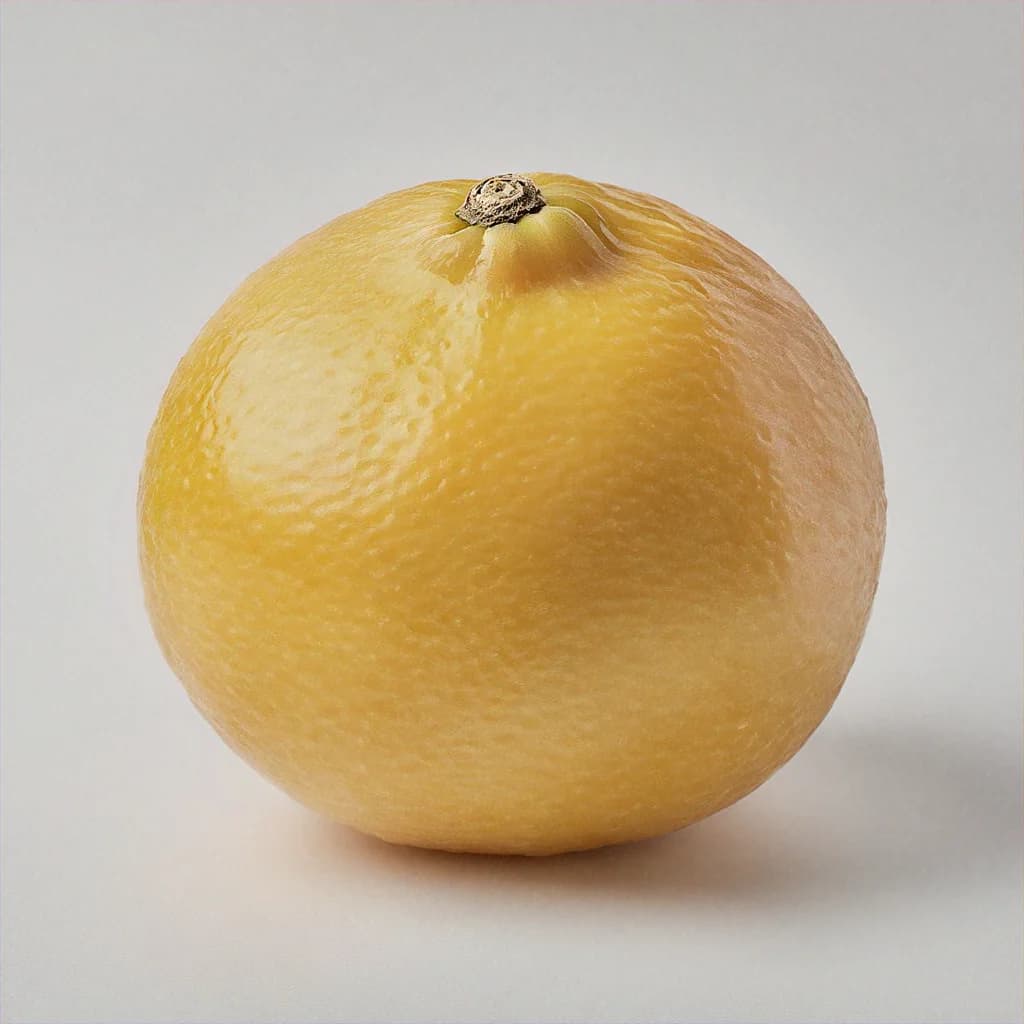
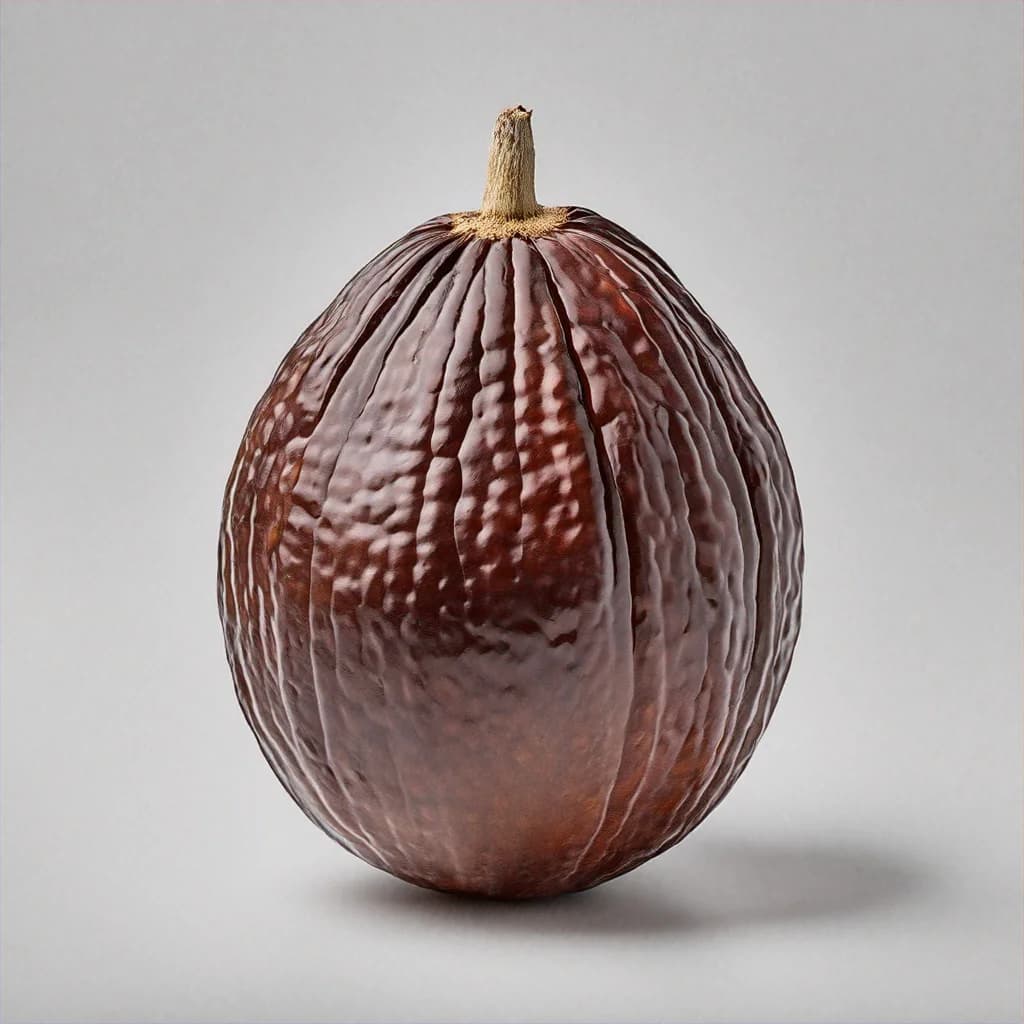
Papaya varieties differ in size, sweetness, origin, and best applications - understanding variety characteristics helps choose appropriate fruit for intended use. SOLO (SUNRISE): Size: Single-serve (1-2 pounds) - ideal individual portion. Flavor: Exceptionally sweet, tender, optimal eating quality. Origin: Hawaii, widely cultivated. Best use: Fresh eating, premium markets, ideal serving size. Advantage: Perfect for single consumption, excellent quality, minimal waste. Disadvantage: Single-serve size less ideal for family sharing. FORMOSA: Size: Large (2-5 pounds) - requires sharing. Flavor: Very sweet, excellent flavor, good eating quality. Origin: Taiwan, now widely cultivated. Best use: Fresh eating, commercial production. Advantage: Excellent flavor, good size for families, widely available. Disadvantage: Requires sharing, storage for partial fruit consumption. HONEY GOLD: Size: Medium-large (2-3 pounds). Flavor: Exceptionally sweet, dessert quality, premium flavor. Origin: Modern cultivar. Best use: Premium fresh eating, gourmet markets. Advantage: Outstanding sweetness, premium quality, sophisticated flavor. Disadvantage: Higher price, less common availability. KAPOHO: Size: Medium (1-2 pounds). Flavor: Good sweet flavor, reliable quality. Origin: Hawaii. Best use: Fresh eating, commercial production. Advantage: Reliable producer, consistent quality, good availability. Disadvantage: Less distinctive than premium varieties. SUNSET GOLD: Size: Medium-large (2-3 pounds). Flavor: Sweet, good flavor, reliable quality. Origin: Hawaii. Best use: Fresh eating, commercial, processing. Advantage: Versatile variety, good for multiple uses. Disadvantage: Less distinctive flavor profile. CARIBBEAN RED: Size: Medium (1-2 pounds). Flesh: Red-orange color (distinctive). Flavor: Sweet, good flavor, unique appearance. Origin: Caribbean. Best use: Fresh eating, specialty markets, visual appeal. Advantage: Distinctive appearance, novelty appeal, unique color. Disadvantage: May have less sweetness than other varieties. SELECTION GUIDELINES: For single consumption: Choose Solo (perfect individual size, excellent quality). For family eating: Choose Formosa (large, sweet, good for sharing). For premium flavor: Choose Honey Gold (exceptional sweetness, sophisticated flavor). For reliability: Choose Kapoho (consistent quality, proven variety). For processing or multiple uses: Choose Sunset Gold (versatile, commercial quality). For novelty: Choose Caribbean Red (distinctive color, unique appearance). PURCHASING TIPS: Check ripeness (yellowish-orange skin, slight yield to pressure). Verify quality and blemish-free appearance. Choose based on consumption plans - single or family sharing. Sample different varieties to discover personal preference. Trust farmers market recommendations - vendors know variety characteristics. STORAGE CONSIDERATIONS: Single-serve varieties (Solo) easier to store than large varieties. Large varieties (Formosa) may require shared consumption or preservation. BOTTOM LINE: Papaya varieties differ in size, flavor, and best use. Solo is ideal for single consumption. Formosa for family sharing. Honey Gold for premium flavor. Choose based on consumption plans, family size, and flavor preferences.
Papaya safety during pregnancy is nuanced - ripe papaya is generally safe while unripe papaya should be avoided due to traditional cautions. RIPE PAPAYA (SAFE): Fully ripe papayas with yellow-orange skin are generally considered safe during pregnancy. Ripe papaya provides valuable nutrients including folate (9% DV - important for pregnancy), vitamin C, and vitamin A. The nutritional value supports fetal development. Most healthcare providers consider ripe papaya safe and nutritious during pregnancy. UNRIPE PAPAYA (CAUTION): Unripe green papayas contain higher concentrations of papain enzyme and latex compounds. Traditional medicine across tropical regions advises pregnant women to avoid unripe papaya. The caution reflects historical use of unripe papaya for labor induction or as traditional contraceptive. Modern medical evidence is limited but traditional caution persists. Unripe papaya latex content may cause uterine contractions - potential concern during pregnancy. PAPAIN ENZYME: Ripe papaya papain levels are lower than unripe. Ripe papaya enzyme is unlikely to cause pregnancy concerns. Unripe papaya high enzyme concentration warrants caution. LATEX CONCERN: Papaya tree latex (different from fruit) may trigger latex sensitivity. Pregnant women with known latex allergy should consult healthcare provider. The fruit itself is generally safe but latex contact should be avoided. NUTRITIONAL VALUE: Ripe papaya provides valuable pregnancy nutrients: Folate (supports neural development): 9% DV. Vitamin C (immune support, collagen): 102% DV. Vitamin A (fetal development, vision): 19% DV. Fiber (digestive health): supports regular function. Water (hydration): 88.8% water content. FIBER BENEFIT: Papaya fiber (1.7g per 100g) supports digestive health crucial during pregnancy. Pregnancy often causes constipation - papaya fiber gently supports regular bowel function. CONCERNS: Excessive sugar consumption not ideal during pregnancy. Papaya sugar content (7.8g per 100g) requires moderation. Portion control important for blood sugar management. ALLERGIES: Pregnant women with fruit allergies should avoid accordingly. Papaya cross-reactivity exists with some allergies - consult healthcare provider if concerned. HEALTHCARE PROVIDER CONSULTATION: Pregnant women should discuss papaya consumption with healthcare provider or midwife. Individual circumstances vary - personalized guidance appropriate. Most providers consider ripe papaya safe and beneficial. BOTTOM LINE: Ripe papayas are generally safe and beneficial during pregnancy, providing valuable nutrients including folate. Unripe papayas should be avoided due to traditional cautions and potential uterine concerns. Pregnant women should discuss papaya consumption with healthcare providers for personalized guidance. Nutritional value of ripe papaya supports fetal development when consumption is appropriate.
Sustainability insights
Papaya cultivation represents established tropical agriculture with environmental considerations similar to other tree fruits. Benefits include relatively low water requirements once established, production in marginal lands unsuitable for other crops, perennial trees with 5-20 year productive lifespan, and significant global production reducing monoculture concentration. Modern challenges include conventional agriculture's pesticide and fertilizer use requiring sustainable alternatives, water usage in marginal regions, transportation carbon for global distribution, and land use considerations. Sustainable practices include organic papaya production, integrated pest management reducing chemical inputs, water-efficient irrigation, regional production promoting local supply, and sustainable land management.
Papaya carbon footprint is low-moderate due to tropical cultivation in natural climates, minimal processing for fresh consumption, and efficient tropical distribution. Fresh whole papayas require minimal processing - carbon footprint primarily from cultivation and transportation. Tropical regions have natural climate advantages reducing heating/cooling requirements. Commercial production and long-distance transport generate moderate carbon. Per-serving carbon impact is low - papayas provide significant nutrition in fresh whole form. To minimize carbon footprint: Purchase fresh papayas during season when available, choose frozen or processed papayas for off-season use with lower transportation carbon, support local growers when possible, and consider equatorial region production advantages.
Papaya cultivation requires relatively low water with water footprint approximately 500-900 liters per kilogram - low-moderate for tropical fruit and reasonable for established cultivation. Mature papaya trees develop substantial root systems allowing good drought tolerance once established, though young trees require consistent irrigation during establishment. Tropical regions with adequate rainfall minimize supplemental irrigation requirements. Modern sustainable practices include mulching reducing evaporation, soil moisture monitoring optimizing water use, and efficient irrigation systems. Papayas represent relatively water-efficient tropical fruit requiring less water than many water-intensive crops.
Supporting local papayas maximizes sustainability and freshness. Papayas are cultivated globally in tropical regions including Mexico, Brazil, India, Southeast Asia, Hawaii, and many other locations. For residents in papaya-growing regions, local fruit provides minimal transportation carbon and superior freshness. For non-producing regions, imported fresh papayas represent seasonal-appropriate supply. Frozen or processed papaya products provide off-season options. BEST PRACTICES: Buy fresh local papayas during season when available, purchase frozen or processed papayas off-season with lower transportation carbon than constant fresh import, choose organic when available supporting sustainable farming, and appreciate papayas' global availability through diverse production.
We aim to keep this Papaya profile accurate and easy to understand. Nutrition values and % Daily Value figures are based on established reference databases and standard daily value guidance.
Last updated: September 20, 2026
Medical disclaimer
This page is for general educational purposes and does not replace professional medical advice.
Found an issue? Contact us.