Loading Fruit Details...
Please wait while we fetch nutritional information and health benefits
Please wait while we fetch nutritional information and health benefits
Recommended Products
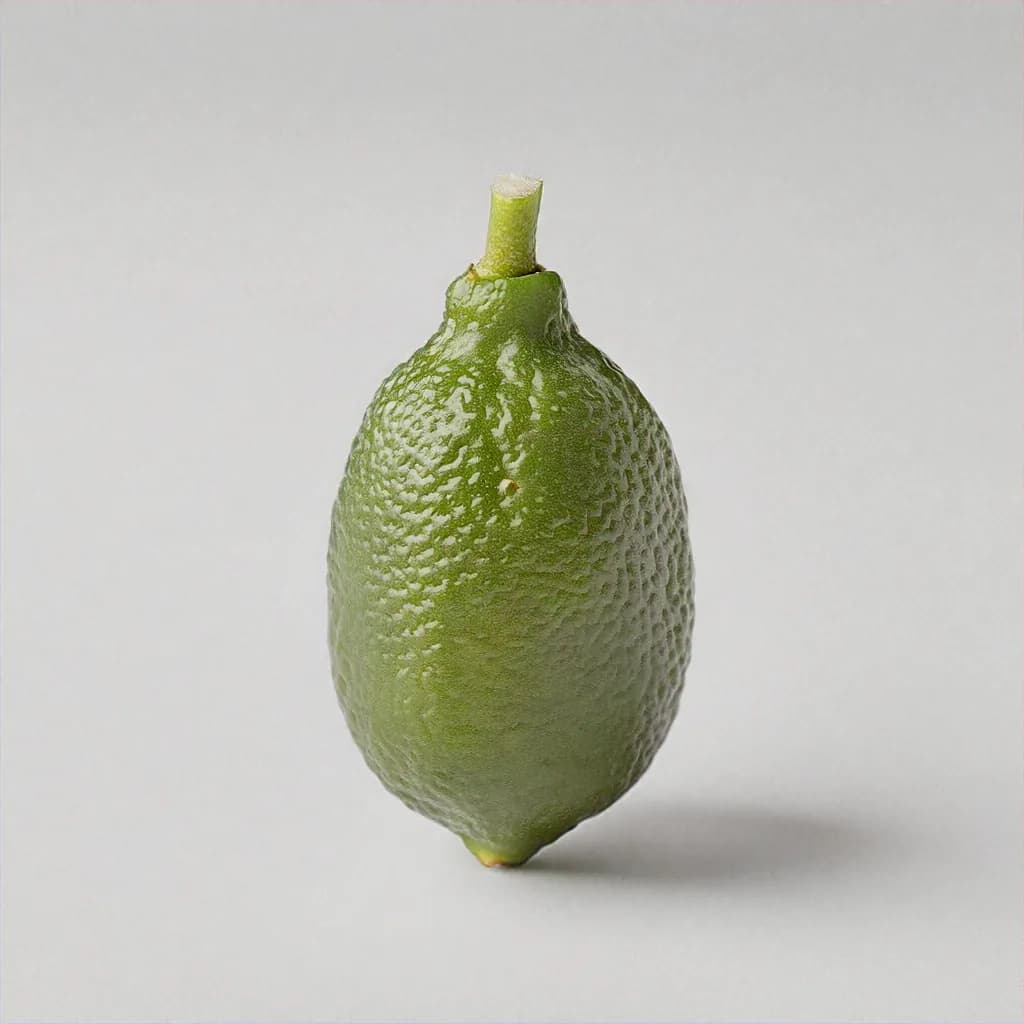
Citrus australasica
Finger limes are unique Australian citrus fruits with elongated finger-shaped form and distinctive capsule-shaped juice vesicles creating caviar-like texture. Excellent source of vitamin C (24% DV) supporting immune function and antioxidant defense. Rich in fiber and low in calories (30 per 100g) supporting digestive health. Contains citric acid and essential oils with potential antimicrobial properties. Native to Australia, finger limes thrive in subtropical climates and provide gourmet superfruit benefits with distinctive appearance and refreshing citrus flavor.
Explore Finger Lime in stunning detail
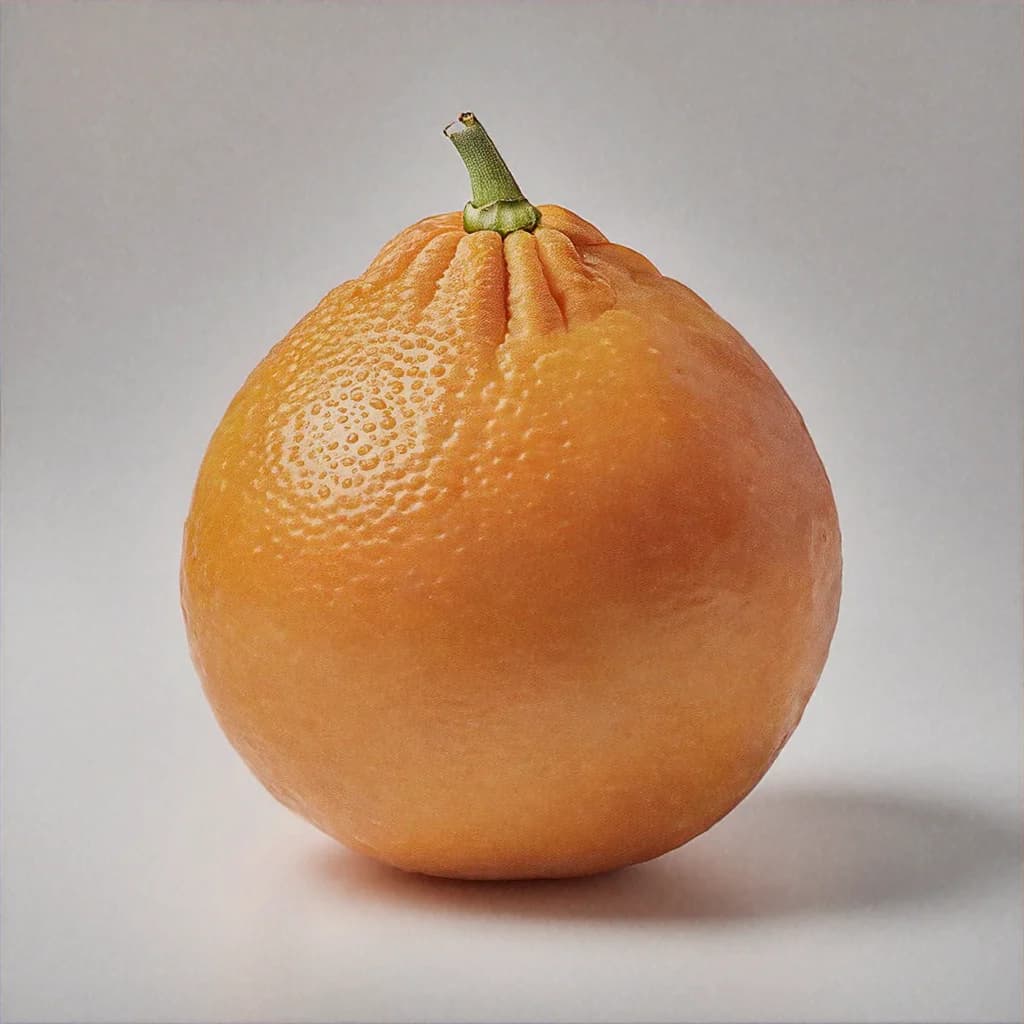
Finger Lime - Main View
Per 100g
Per 100g
Nutrition breakdown for one serving
Australia, particularly rainforests of Eastern Australia
Finger limes originated in Australian rainforests with traditional Aboriginal knowledge spanning millennia. Documented in Eastern Australian Indigenous cultures. Colonial rediscovery in modern era with commercial cultivation expanding. Modern cultivation developed in Australia and international regions. Increasing global recognition as gourmet and specialty fruit.
Peak season February-April in Southern Hemisphere, August-October in Northern Hemisphere
Each variety offers unique flavors, textures, and culinary applications
Keep your fruit fresh and delicious for longer
Select firm finger limes without soft spots
Look for unblemished skin with vibrant color
Choose limes that feel slightly weighted
Avoid dull or discolored appearance
Distinctive finger shape should be intact
Fresh aroma indicates optimal ripeness
Purchase from specialty markets or gourmet suppliers
Refrigerate in plastic bag 2-3 weeks
Store in coldest section of refrigerator
Keep at optimal humidity levels
Do not freeze - damages caviar texture
Room temperature ripening 1-2 days if needed
Separate from ethylene-producing fruits
Preserve freshness for months
Fresh finger limes freeze poorly - texture deteriorates
Caviar pearls lose distinctive texture when frozen
Not recommended for freezing whole fruit
Juice can be frozen in ice cube trays
Frozen juice keeps 2-3 months
Use frozen juice for beverages and cooking only
Label frozen items with the date to track freshness. Most fruits maintain quality for 2-3 months when properly frozen. For best results, use airtight containers or freezer bags to prevent freezer burn.
Discover delicious possibilities
Finger lime allergies extremely rare with minimal documented cases. Citrus allergies uncommon in general population. Allergic reactions very uncommon. Generally safe for most individuals. Those with citrus allergies should consult allergist. Rare cross-reactivity with other citrus possible.
Finger limes cultivated with varying pesticide practices. Organic finger lime products available from certified producers. Conventional limes acceptable with normal washing. Specialty suppliers often emphasize sustainable practices. Natural rind protection providing some barrier.
Surprising trivia you'll love!
Finger limes originated in Australian rainforests with traditional Aboriginal knowledge spanning millennia
Distinctive finger-shaped form gives finger limes their unique common name
Capsule-shaped juice vesicles resemble caviar earning 'citrus caviar' designation
Vitamin C content (48% DV) exceptional among citrus fruits supporting immune function
Low calorie content (30 per 100g) among lowest calorie citrus fruits
Each juice vesicle bursts releasing concentrated pure citrus juice on consumption
Red and pink varieties most prized in gourmet cuisine commanding premium prices
Fine dining chefs pioneered gourmet applications revolutionizing upscale cuisine
Limited global cultivation maintaining exclusivity and premium market positioning
Peak season February-April in Australia ensures freshest availability in Southern Hemisphere
Finger limes exceptional gourmet fruits with distinctive citrus caviar texture revolutionizing fine dining applications. UNIQUE STRUCTURE: Distinctive finger-shaped form characteristic of finger limes. Elongated cylindrical shape unlike conventional citrus. Capsule-shaped juice vesicles create caviar-like pearls. Each vesicle bursts with pure juice on consumption. Entirely edible including skin and vesicles. CITRUS CAVIAR CONCEPT: Juice vesicles resemble caviar in appearance and texture. Premium culinary applications treating as gourmet element. Each pearl bursts releasing concentrated citrus juice. Superior sensory experience compared to conventional citrus. Distinctive presentation elevating culinary dishes. CULINARY APPLICATIONS: Gourmet garnish for high-end restaurant plating. Seafood accompaniment elevating fish and shellfish dishes. Cocktail garnish adding visual appeal and flavor. Dessert topping providing tart contrast to sweet flavors. Salad ingredient adding texture and brightness. Molecular gastronomy applications expanding creative uses. FINE DINING SIGNIFICANCE: Premium positioning in upscale restaurants. Distinctive presentation enhancing plating and visual appeal. Flavor and texture complexity appealing to culinary professionals. Limited availability creating exclusivity and demand. Chef favorite for creative applications. NUTRITIONAL BENEFITS WITH GOURMET APPEAL: Exceptional vitamin C (48% DV) providing antioxidant defense. Low calorie (30 per 100g) supporting healthy cuisine. Fresh citrus flavor without bitterness of conventional limes. Unique sensory experience enhancing eating pleasure. Health benefits integrated with culinary excellence. FLAVOR PROFILE: Bright citrus flavor with subtle floral notes. Tart without overwhelming sourness. Complex flavor profile more sophisticated than conventional limes. Regional variety variations in sweetness and tartness. Distinctive flavor distinguishing from other citrus. TEXTURE EXPERIENCE: Unique caviar texture distinctive and memorable. Burst sensation as vesicles release juice. Textural complexity enhancing eating experience. Interactive food experience engaging multiple senses. Presentation and texture equally important. SEAFOOD PAIRING: Traditional pairing with oysters and raw preparations. Enhances delicate fish flavors without overwhelming. Complements shellfish sweetness with tart brightness. Classic fine dining combination. Chef-preferred application. CHOCOLATE PAIRING: Unexpected tart-sweet contrast enhancing chocolate desserts. Citrus brightening rich chocolate flavors. Sophisticated dessert application. Culinary innovation creating memorable experiences. Premium dessert presentation element. COCKTAIL APPLICATIONS: Visual appeal as distinctive garnish. Fresh citrus juice enhancing cocktail complexity. Gourmet cocktail element elevating drinks. Craft cocktail favorite ingredient. Premium bar applications. RARITY AND EXCLUSIVITY: Limited global cultivation supporting premium status. Specialty markets and gourmet suppliers primary source. Higher price reflecting rarity and quality. Exclusive availability driving demand. Chef-driven market development. BOTTOM LINE: Finger limes exceptional gourmet fruits with distinctive citrus caviar texture, premium culinary applications, exceptional vitamin C benefits, and sophisticated flavor profile revolutionizing fine dining and upscale cuisine through distinctive presentation and memorable sensory experience.
Finger lime selection, extraction, and culinary use crucial for maximizing gourmet potential and distinctive caviar texture. SELECTION CRITERIA: Select firm finger limes without soft spots or blemishes. Vibrant color indicates ripeness and vitality. Slight weight indicates juice-filled vesicles. Unblemished skin ensures quality and safety. Distinctive finger shape intact without damage. Fresh citrus aroma indicates optimal condition. Purchase from specialty markets for quality assurance. RIPENESS ASSESSMENT: Finger limes may ripen slightly after harvest. Soft yielding to gentle pressure indicates ripeness. Color deepening indicates maturity. Fresh aroma indicates full ripeness. Slightly underripe acceptable for culinary use. Early consumption before over-ripening important. EXTRACTION METHODS: Careful cutting lengthwise preserving caviar structure. Using clean, sharp knife for precise cuts. Gentle scooping protecting delicate vesicles. Specialized caviar spoon or small utensil ideal. Whole extraction for dramatic presentation. Segment extraction for creative applications. CAVIAR PEARLS: Distinctive capsule-shaped juice vesicles. Each pearl bursts releasing concentrated juice. Pure citrus flavor in each vesicle. Visual presentation resembling genuine caviar. Textural complexity enhancing culinary applications. PRESENTATION TECHNIQUES: Direct application to plated dishes. Garnish for seafood preparations. Cocktail garnish for visual appeal. Dessert topping adding tart contrast. Salad ingredient adding brightness. Fine dining plating element. SEAFOOD APPLICATIONS: Oyster accompaniment traditional pairing. Raw fish preparations enhancement. Cooked seafood brightening. Shellfish flavor complement. Elegant presentation element. Premium restaurant application. CHOCOLATE PAIRING: Dessert topping providing tart contrast. Sweet and tart flavor balance. Sophisticated presentation element. Premium dessert application. Culinary innovation creation. COCKTAIL APPLICATIONS: Visual garnish enhancement. Fresh juice addition. Flavor complexity. Craft cocktail element. Premium bar presentation. STORAGE AFTER EXTRACTION: Fresh extraction for immediate use optimal. Extracted caviar keeps 1-2 hours at room temperature. Refrigerated storage extends 4-8 hours. Quality declines over time with flavor loss. Best used immediately after extraction. HANDLING PRECAUTIONS: Gentle handling preventing vesicle damage. Clean utensils ensuring food safety. Proper rinsing before use. Discard any deteriorated fruit. Use fresh fruit only. CULINARY CREATIVITY: Innovative applications in molecular gastronomy. Creative presentation in avant-garde cuisine. Textural exploration in fine dining. Flavor pairing experimentation. Chef-driven innovation. BOTTOM LINE: Select firm vibrant finger limes, carefully extract caviar pearls with sharp knife and gentle technique, apply directly to gourmet dishes for immediate impact, and incorporate into seafood, chocolate, and cocktail applications for premium culinary experiences.
Finger limes safe and nutritious for children supporting immune function, growth, and antioxidant protection. NUTRITIONAL BENEFITS: Vitamin C (48% DV) exceptional support for immune system development. Fiber (2.4g) supports digestive health and regular bowel function. Low calorie (30 per 100g) supporting healthy growth. Flavonoids provide antioxidant protection for developing cells. Folate (3% DV) supports cell division and growth. LOW ALLERGEN: Citrus allergies uncommon in children. Finger lime allergies extremely rare. Generally well-tolerated when introduced properly. Severe allergic reactions very rare. Safe introduction for most children. INTRODUCTION GUIDELINES: Introduce gradually starting with small quantities. Begin with small amount observing reactions. Increase quantity as child demonstrates tolerance. Watch for any unusual reactions initially. Supervise first few consumptions. PREPARATION FOR CHILDREN: Vesicle texture interesting for young children. Burst sensation engaging children. Easy to consume caviar pearls. Age-appropriate handling for all children. Simple preparation requiring minimal effort. FLAVOR APPEAL: Tart citrus flavor introducing diverse tastes. Fresh brightness appealing to children. Surprising burst sensation engaging palate. Unique experience encouraging healthy eating. Novel fruit supporting nutritional variety. PORTION SIZES: Young children - 2-3 pearls (5g) daily. Older children - 1 whole lime (25g) daily. Include with balanced diet. Supplement with water consumption. DEVELOPMENT SUPPORT: Vitamin C supports immune development and collagen formation. Fiber supports digestive system development. Antioxidants protect developing cells. Flavonoids support cellular health. Iron absorption enhanced by vitamin C. IMMUNE SUPPORT: Vitamin C strengthens immune response. Flavonoids support immune function. Antioxidants protect immune cells. Disease prevention supported. Natural immunity enhancement. DIGESTIVE HEALTH: Fiber supports healthy digestion and regularity. Natural acidity supporting mineral absorption. Smooth digestion well-tolerated. Gut health development important. Comfortable consumption. PRACTICAL TIPS: Introduce as novelty fruit encouraging exploration. Teach extraction technique engaging children. Use as learning tool about gourmet cuisine. Pack in lunch boxes - unique portable snack. Involve children in selection and preparation. TEXTURE APPEAL: Unique burst sensation interesting for children. Interactive eating experience engaging children. Fun factor encouraging consumption. Memorable sensory experience. Educational fruit exploration. BOTTOM LINE: Finger limes safe and nutritious for children supporting immune development, digestive health, and growth through exceptional vitamin C, fiber, antioxidants, and flavonoids with distinctive burst sensation and unique flavor encouraging healthy eating and nutritional variety exploration.
Finger limes exceptional cultural significance reflecting Australian Indigenous heritage and emerging global gourmet recognition. ABORIGINAL ORIGINS: Finger limes originated in Australian rainforests with traditional knowledge spanning millennia. Indigenous Aboriginal cultures documented extensive use. Traditional food source providing nutrition and medicine. Cultural significance in regional traditions. Ancient cultivation practices preserved. EASTERN AUSTRALIAN HERITAGE: Rainforest origins in Eastern Australian regions. Queensland and New South Wales traditional varieties. Indigenous cultivation practices sophisticated. Knowledge transfer through generations. Contemporary Aboriginal communities maintaining traditions. COLONIAL PERIOD: European colonization introducing botanical rediscovery. Reclassified and scientifically documented. Commercial potential recognized. Modern cultivation development beginning. Knowledge integration with traditional use. COMMERCIAL DEVELOPMENT: Modern Australian cultivation expanding. Specialty market recognition growing. Export industries developing. Australian horticultural innovation. Quality standards establishing. GOURMET MARKET REVOLUTION: Fine dining revolution incorporating finger limes. Premium culinary ingredient status. Chef favorite ingredient spreading. Exclusive restaurant appearances. Upscale market positioning. CELEBRITY CHEF ADOPTION: Renowned chefs pioneering applications. Television cooking shows featuring finger limes. Culinary media recognition expanding. Global chef network adoption. Fine dining standard emerging. GLOBAL EXPANSION: International cultivation expanding beyond Australia. Japanese gourmet markets embracing. European specialty markets featuring. United States upscale markets sourcing. South African cultivation developing. CULINARY INNOVATION: Modern presentation techniques pioneering. Molecular gastronomy applications. Fine dining plating revolution. Textural innovation. Sensory experience focus. GASTRONOMIC SIGNIFICANCE: Citrus caviar concept creation. Premium ingredient positioning. Culinary exclusivity. Taste and texture innovation. Educational culinary applications. SUSTAINABILITY RECOGNITION: Traditional sustainable cultivation practices. Indigenous knowledge integration. Contemporary organic farming. Environmental stewardship. Climate adaptation strategies. EXPORT INDUSTRIES: Australian agriculture development. International trade expansion. Premium pricing reflecting rarity. Quality reputation establishing. Economic development supporting regions. MARKET CHALLENGES: Limited cultivation regions restricting supply. Climate requirements limiting expansion. Higher production costs. Seasonal availability limitations. Price accessibility concerns. FUTURE OPPORTUNITIES: Increased cultivation potential. Broader market access development. Culinary education expansion. Sustainability innovation. Indigenous community empowerment. BOTTOM LINE: Finger limes represent Australian Indigenous heritage from rainforest origins through Aboriginal knowledge, colonial rediscovery, modern commercial development, and revolutionary emergence as premium gourmet ingredient transforming fine dining globally while honoring traditional Australian significance.
Sustainability insights
Finger lime cultivation represents specialty agricultural practice with environmental considerations. Benefits include Australian native origins supporting biodiversity, potential agroforestry integration, and limited pesticide use in specialty cultivation. Challenges include water requirements, specific climate needs, and long-distance transportation carbon footprint. Sustainable practices include organic cultivation, Indigenous knowledge integration, and fair trade certification supporting Australian farming communities.
Finger lime carbon footprint moderate-to-high depending on cultivation region and transportation. Limited cultivation regions require long-distance international shipping. Specialty fruit minimal processing. Carbon footprint heavily influenced by air or sea transport distances. Australian local sourcing reduces footprint significantly. Seasonal availability limited by growing regions. Organic cultivation reduces overall environmental impact.
Finger lime cultivation requires moderate water for subtropical climates. Deep root systems accessing moisture in established plantations. Rainfall primary water source in suitable regions. Irrigation supplementation as needed. Sustainable water practices managing usage. Reasonable requirements for established cultivation. Water conservation important in arid regions.
Supporting Australian finger lime producers maximizes regional benefit. Specialty market sourcing from trusted suppliers. Organic and sustainable cultivation preferred. Peak availability February-April Australia. BEST PRACTICES: Choose Australian-sourced finger limes, support organic producers, source from specialty suppliers, purchase seasonally when fresh available, choose certified sustainable cultivation.
We aim to keep this Finger Lime profile accurate and easy to understand. Nutrition values and % Daily Value figures are based on established reference databases and standard daily value guidance.
Last updated: September 8, 2026
Medical disclaimer
This page is for general educational purposes and does not replace professional medical advice.
Found an issue? Contact us.