Loading Fruit Details...
Please wait while we fetch nutritional information and health benefits
Please wait while we fetch nutritional information and health benefits
Recommended Products
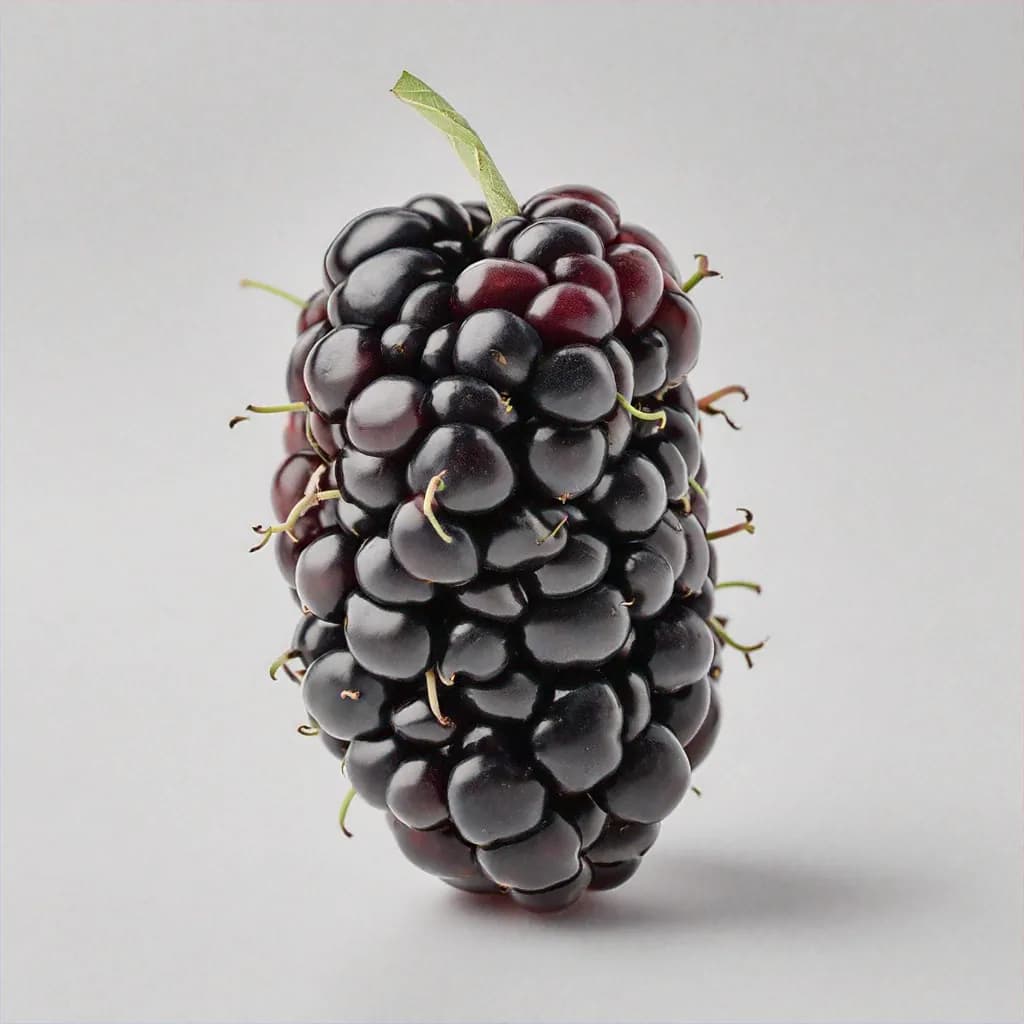
Morus species
Mulberry, native to diverse global regions, are elongated dark purple or white berries featuring soft sweet flesh, mild flavor, and concentrated nutritional density representing ancient superfruit cultivated for millennia. Mulberries thrive in temperate and subtropical climates adapting to diverse growing conditions. Each berry delivers impressive nutritional benefits - exceptional vitamin C (36% DV per 100g) supporting immune function and antioxidant protection, iron (4% DV) for oxygen transport and energy metabolism, manganese (5% DV) for bone health and metabolism, and valuable polyphenols including anthocyanins and resveratrol for antioxidant defense. Soft delicate flesh with mild sweet flavor complements fresh consumption and diverse culinary applications. Dark purple mulberries contain higher anthocyanin content than white varieties providing superior antioxidant defense. Mulberries support antioxidant defense and anti-inflammatory response through comprehensive polyphenolic profile. Traditional Asian and Middle Eastern use spanning thousands of years validated by modern research confirming immune-supporting, cardiovascular, and anti-inflammatory benefits. Mulberries represent ancient superfruit combining concentrated nutrition, exceptional sweetness, temperate cultivation adaptability, and culinary versatility making them increasingly popular global superfruit.
Explore Mulberry in stunning detail
Mulberry - Main View
Per 100g
Per 100g
Nutrition breakdown for one serving
Multiple global regions - Asia, Middle East, North Africa, Mediterranean
Mulberry originated in multiple regions independently developed - black mulberry in Persia/Middle East, white mulberry in China, red mulberry in North America. Archaeological evidence shows cultivation in ancient China dating back 5,000+ years. Ancient Persia and Middle East cultivated black mulberry extensively. Silk production drove white mulberry cultivation throughout Asia. Mulberries introduced to Mediterranean regions by ancient Greek and Roman traders. American colonists found native red mulberry. Modern cultivation reflects ancient traditions across diverse cultures spanning 5,000 years of documented use.
Summer primary season with variations by region and species
Each variety offers unique flavors, textures, and culinary applications
Keep your fruit fresh and delicious for longer
Select dark colored mulberries indicating full ripeness - darker equals more anthocyanins
Berries should be firm yet slightly soft without bruising
Avoid light colored or underripe berries - will not fully ripen
Gently squeeze - slight softness indicates readiness without mushiness
Sweet aroma indicates optimal ripeness and quality
Larger berries preferred over smaller ones
Avoid moldy or oozing specimens
Purchase from stores with good turnover ensuring freshness
Refrigerate in shallow container with paper towels 3-5 days
Do not stack mulberries deeply - crushes delicate berries
Keep in single layer if possible preventing bruising
Do not wash until ready to consume - promotes mold growth
Store away from ethylene-producing fruits
Keep in coolest part of refrigerator (below 5°C)
Cooked mulberry preparations store refrigerated 3-4 days
Preserve freshness for months
Wash and pat dry completely
Freeze on baking sheet 2-3 hours
Transfer to freezer bags removing excess air
Frozen mulberries keep 8-12 months
Use frozen for jams, sauces, smoothies, and baking
Texture softens after freezing - not ideal for fresh eating
Flash freeze preserves quality and individual berry separation
Label frozen items with the date to track freshness. Most fruits maintain quality for 2-3 months when properly frozen. For best results, use airtight containers or freezer bags to prevent freezer burn.
Discover delicious possibilities
Mulberry allergies uncommon but documented particularly in individuals with tree pollen allergies or cross-reactivity to related berries. Allergic reactions typically mild - itching or throat irritation possible. Severe reactions rare. Those with berry allergies should consult allergist about potential cross-reactivity.
Conventionally grown mulberries may contain pesticide residues. Proper cleaning: Rinse thoroughly under cool running water just before consuming. Gentle handling prevents bruising. Organic mulberries eliminate synthetic pesticide concerns.
Surprising trivia you'll love!
Mulberry cultivation spans 5,000+ documented years making it one of oldest cultivated fruits - ancient Chinese, Persian, and Mediterranean civilizations all valued mulberries
White mulberry cultivation driven by silk production throughout Asia - silkworms fed exclusively on white mulberry leaves creating historical economic importance
Mulberry exceptional vitamin C content (43% DV) surpasses many common fruits supporting immune function and antioxidant protection
Dark mulberries contain higher anthocyanin content than white varieties explaining flavor intensity and antioxidant superiority
Single mature mulberry tree produces hundreds of berries during growing season creating abundant harvests in ideal conditions
Mulberry berries ripen progressively over summer allowing multiple harvests from single tree throughout season
Traditional Middle Eastern and Asian medicine used mulberries for thousands of years supporting respiratory and digestive wellness
Mulberry cultivation adapts to diverse climates from temperate to subtropical regions making worldwide cultivation feasible
Resveratrol compound in mulberry also found in red wine supporting anti-aging properties and cardiovascular health
Mulberry trees extremely long-lived with specimens living 200+ years producing fruit consistently throughout lifespan
Mulberry harvesting timing and variety selection dramatically impact flavor and quality. RIPENESS DETERMINATION: Ripe mulberries fall naturally from tree with gentle shake. Underripe berries remain firmly attached. Color indicates ripeness - darker mulberries (black/dark purple) fully ripe. Light colored or red mulberries indicate underripeness. Taste test - ripe berries sweet and complex. HARVESTING TECHNIQUE: Spread clean cloth or tarp beneath tree. Gently shake branches causing ripe berries to fall. Collect immediately preventing damage. Multiple passes over season - berries ripen progressively. Hand-pick for premium berries avoiding falls. Some commercial growers use mechanical shakers. HARVEST TIMING: Early morning harvest optimal - berries firmer before day heat. Avoid harvesting after rain - berries water-logged. Peak season varies by region - typically June-August Northern Hemisphere. Multiple harvests possible as berries ripen progressively. VARIETY FLAVOR PROFILES: Black mulberry - most flavorful variety with complex tart-sweet profile, highest anthocyanin content, premium taste, traditional favorite among connoisseurs, darkest color when ripe. White mulberry - milder sweeter flavor, less complex, lower anthocyanin, commonly cultivated in Asia, pale pink-white color. Red mulberry - balanced flavor, medium complexity, native North American variety, darkens to purple-black. FLAVOR INTENSITY: Black mulberry superior flavor intensity compared to white variety. Dark color correlates with flavor complexity. Riper berries (darker color) superior taste. White varieties appeal to those preferring mild sweetness. SELECTION TIP: Choose black mulberry for exceptional flavor. Select darkest berries possible indicating ripeness and anthocyanin content. Taste differences significant between varieties and ripeness stages. BOTTOM LINE: Harvest by collecting naturally fallen ripe berries indicated by dark color and sweet aroma - black mulberry varieties offer superior complex flavor compared to milder white varieties making variety selection important for optimal taste.
Mulberry jam making is straightforward creating delicious preserve with distinctive tart-sweet flavor and beautiful color. BASIC JAM RECIPE: 500g fresh mulberries, 300g sugar, 20ml lemon juice, 5ml pectin or natural setting. PREPARATION: Wash mulberries gently removing any debris. Combine mulberries with sugar and lemon juice in large pot. Bring to boil stirring constantly. Reduce heat and simmer 30-40 minutes stirring occasionally. Jam ready when setting point reached (wrinkle test - drop sample on cold plate, push with finger, if wrinkles form jam ready). VARIATIONS: Add vanilla extract for complexity. Include cinnamon for warm spice. Add ginger for heat and depth. Combine with complementary fruits (raspberry, blackberry). STORAGE: Pour hot jam into sterilized jars. Seal while hot creating vacuum seal. Store unopened 1+ year in cool dark place. Refrigerate after opening using within 2-3 weeks. SERVING SUGGESTIONS: Spread on toast or croissants. Serve with cheese and crackers. Swirl into yogurt or desserts. Glaze for pastries. Mix into smoothies. DRYING MULBERRIES: Spread whole mulberries on drying rack in warm, dry location or dehydrator. Dry 12-24 hours until leathery. Store in airtight container 3-6 months. Natural candy alternative. Chewy texture when done. MULBERRY SYRUP: Simmer mulberries with honey and lemon juice creating pourable syrup. Strain through fine mesh. Store refrigerated 2-3 weeks. Use on yogurt, ice cream, desserts. MULBERRY SORBET: Puree 500g mulberries with 200ml sugar syrup and 30ml lemon juice. Churn in sorbet maker or freeze in shallow tray stirring every 30 minutes. Elegant frozen dessert. MULBERRY LEATHER: Puree mulberries with honey, spread on parchment, dry slowly until leathery. Roll and store. Portable snack with concentrated flavor. FLAVOR COMBINATIONS: Mulberry-vanilla jam - classic elegant option. Mulberry-ginger jam - spicy warmth. Mulberry-lemon syrup - citrus brightness. Mulberry-rose water - exotic floral. BOTTOM LINE: Mulberry jam simple to make following basic recipe with endless preservation possibilities including jam, syrup, sorbet, leather, and dried berries creating distinctive preserves.
Mulberry exceptional cardiovascular and antioxidant benefits validated by emerging scientific research supporting ancient traditional use. ANTHOCYANIN CONTENT: Dark mulberries rich in anthocyanins - powerful pigment antioxidants. Anthocyanins support cardiovascular health reducing inflammation and improving blood flow. Black mulberries contain highest anthocyanin levels exceeding many berries. Anthocyanins accumulate in blood vessels supporting function. Research demonstrates anthocyanin cardiovascular protection. RESVERATROL BENEFITS: Mulberry contains resveratrol - polyphenolic compound with anti-aging properties. Resveratrol found in red wine supporting cardiovascular health. Mulberry resveratrol content significant for cardiovascular support. Blood vessel function improved through resveratrol mechanisms. Longevity and disease prevention potential research ongoing. CHOLESTEROL MANAGEMENT: Polyphenolic compounds support healthy cholesterol profiles. LDL cholesterol oxidation prevention through antioxidants. HDL cholesterol support through flavonoid mechanisms. Blood lipid improvement documented in research. BLOOD PRESSURE SUPPORT: Potassium (6% DV per 100g) supports blood pressure regulation. Anthocyanins vasodilation effects improve blood flow. Combined mechanisms support cardiovascular wellness. Hypertension risk reduction potential. INFLAMMATION REDUCTION: Polyphenolic compounds reduce systemic inflammation. Chronic inflammation linked to cardiovascular disease - reduction beneficial. Anti-inflammatory response through multiple mechanisms. Inflammatory marker reduction in research studies. BLOOD VESSEL HEALTH: Anthocyanins support endothelial function - blood vessel inner lining health. Blood flow improvement through vessel dilation. Thrombosis prevention through antiplatelet effects. Vessel elasticity maintenance. ANTIOXIDANT DEFENSE: Vitamin C (43% DV) exceptional levels support antioxidant protection. Multiple antioxidant compounds provide comprehensive defense. Free radical neutralization prevents cellular damage. Oxidative stress reduction supporting overall health. RESEARCH EVIDENCE: Scientific studies confirm cardiovascular benefits of mulberry consumption. Anthocyanin cardiovascular effects documented extensively. Resveratrol anti-aging properties confirmed. Cholesterol and blood pressure improvements measured. Traditional use validated by modern science. CONSUMPTION FOR CARDIOVASCULAR HEALTH: Fresh mulberries provide maximum antioxidant benefit. Multiple daily servings (1+ cup) recommended for potential benefits. Consistency important for sustained cardiovascular support. Frozen mulberries retain antioxidant properties well. BOTTOM LINE: Mulberry exceptional cardiovascular and antioxidant benefits through anthocyanins, resveratrol, polyphenols, and vitamin C supporting cardiovascular health, reducing inflammation, improving blood vessel function, and providing comprehensive antioxidant defense validated by emerging scientific research.
Mulberry safety for pregnant women and children excellent with minimal concerns. PREGNANCY SAFETY: Exceptional vitamin C (43% DV) supports fetal development and placental function. Folate (9% DV) supports neural tube development and DNA synthesis. Iron (10% DV) supports oxygen transport during pregnancy. Fiber promotes digestive health reducing pregnancy constipation. Anthocyanins support cardiovascular health during pregnancy. Moderate natural sugars provide energy. Low glycemic load appropriate for gestational diabetes management. No caffeine or harmful compounds. Generally safe in normal quantities during pregnancy. RECOMMENDED INTAKE: 1-2 cups mulberries daily during pregnancy provides nutritional benefits without excessive calorie intake. CHILDREN SAFETY: Appropriate fruit for children providing excellent nutrition. No toxic compounds or major allergens. Very soft texture - minimal choking hazard compared to other berries. Well-tolerated by most children when introduced properly. INTRODUCTION: Introduce gradually as with all new foods. Start with small handful observing reactions. Increase quantity as child demonstrates comfort. Allergy risk very low but watch for first-time reactions. NUTRITIONAL BENEFITS: Excellent vitamin C supports immune development. Iron supports growth and cognitive development. Anthocyanins support brain health and vision. Fiber promotes healthy digestion. Lower sugar content than many fruits. PREPARATION FOR CHILDREN: Wash thoroughly before serving. Serve fresh mulberries directly - minimal preparation needed. Soft texture easy for children to eat. Whole berries appropriate for most children above toddler age. Mix into smoothies for younger children if preferred. FLAVOR PREFERENCE: Most children find mild sweet mulberry flavor appealing. Dark black mulberries slightly tarter - white varieties sweeter. Ripe berries maximize sweetness. Cold mulberries from refrigerator often appealing. PORTION SIZES: Young children - small handful (30-50g) appropriate. Older children - 1 cup (140g) daily beneficial. Pregnant women - 1-2 cups daily optimal. Consistent consumption important for benefits. ALLERGY PRECAUTIONS: No major allergens present. Rarely allergenic. Introduce new food to children with 3-5 day observation. Monitor for any adverse reactions. STORAGE SAFETY: Keep whole mulberries refrigerated. Delicate berries require gentle handling. Do not leave at room temperature extended periods. Wash just before serving. BOTTOM LINE: Mulberries safe for pregnant women and children providing exceptional nutrition with minimal risk and no major allergens when properly introduced and consumed in age-appropriate quantities.
Sustainability insights
Mulberry cultivation represents sustainable fruit production with minimal environmental impact. Benefits include high yield per tree, long tree lifespan (200+ years), integration into diverse cropping systems, minimal pesticide requirements, and perennial production. Challenges include limited commercial development and potential monoculture in some regions. Sustainable practices include organic cultivation, traditional pruning, rainwater harvesting, and fair trade certification supporting farmer welfare.
Mulberry carbon footprint is low-moderate due to long tree lifespan offsetting production carbon. Fresh berries require no processing. Carbon footprint primarily from cultivation and transportation. Local cultivation dramatically reduces footprint. Purchase from closer regional producers when available.
Mulberry cultivation requires moderate water reflecting temperate-subtropical growing conditions. Established trees tolerate drought well reflecting Mediterranean adaptation. Water requirements lower than tropical fruits. Sustainable practices include rainwater harvesting and efficient irrigation.
Supporting local mulberry cultivation when possible maximizes sustainability. Many temperate regions can cultivate mulberries. BEST PRACTICES: Grow mulberries locally when climate permits, purchase local when available, support fair trade certified producers, choose fresh over processed, propagate through local sourcing.
We aim to keep this Mulberry profile accurate and easy to understand. Nutrition values and % Daily Value figures are based on established reference databases and standard daily value guidance.
Last updated: September 19, 2026
Medical disclaimer
This page is for general educational purposes and does not replace professional medical advice.
Found an issue? Contact us.