Loading Fruit Details...
Please wait while we fetch nutritional information and health benefits
Please wait while we fetch nutritional information and health benefits
Recommended Products
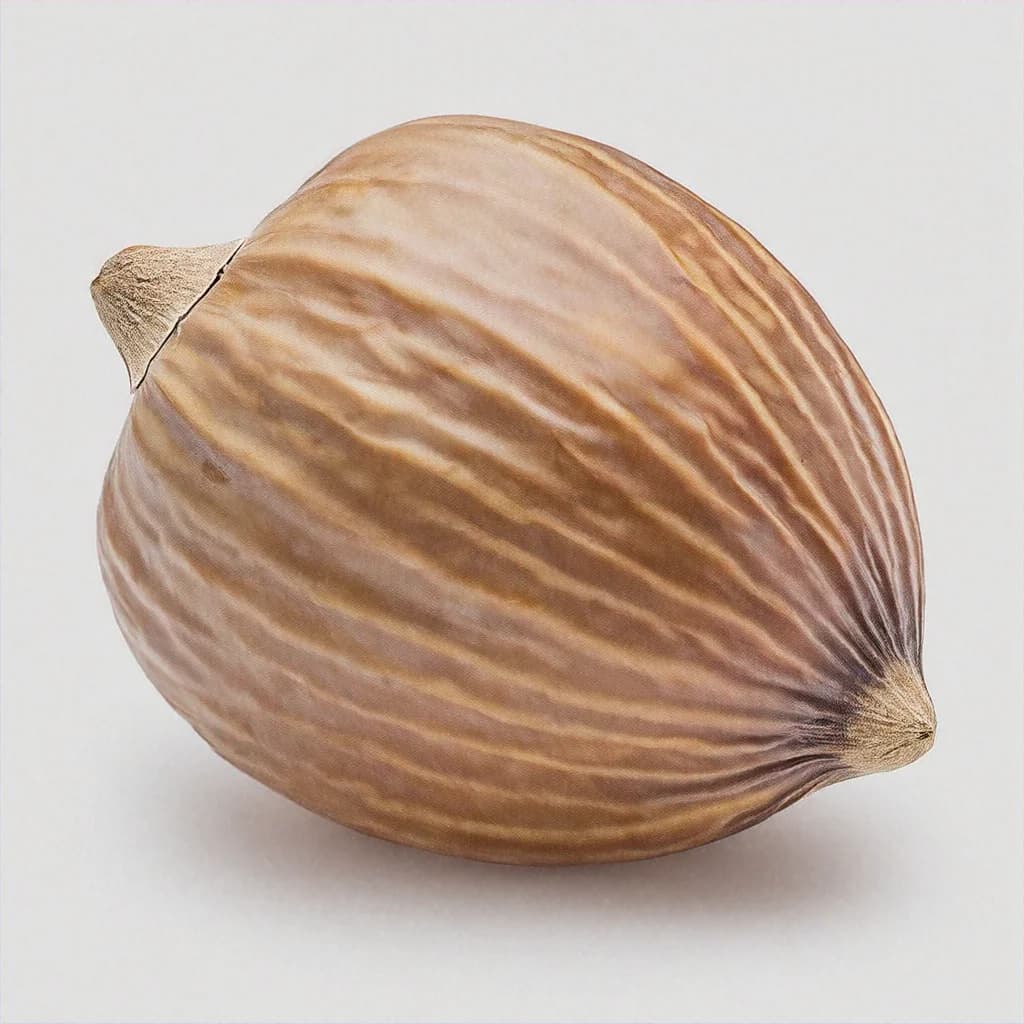
Brosimum alicastrum
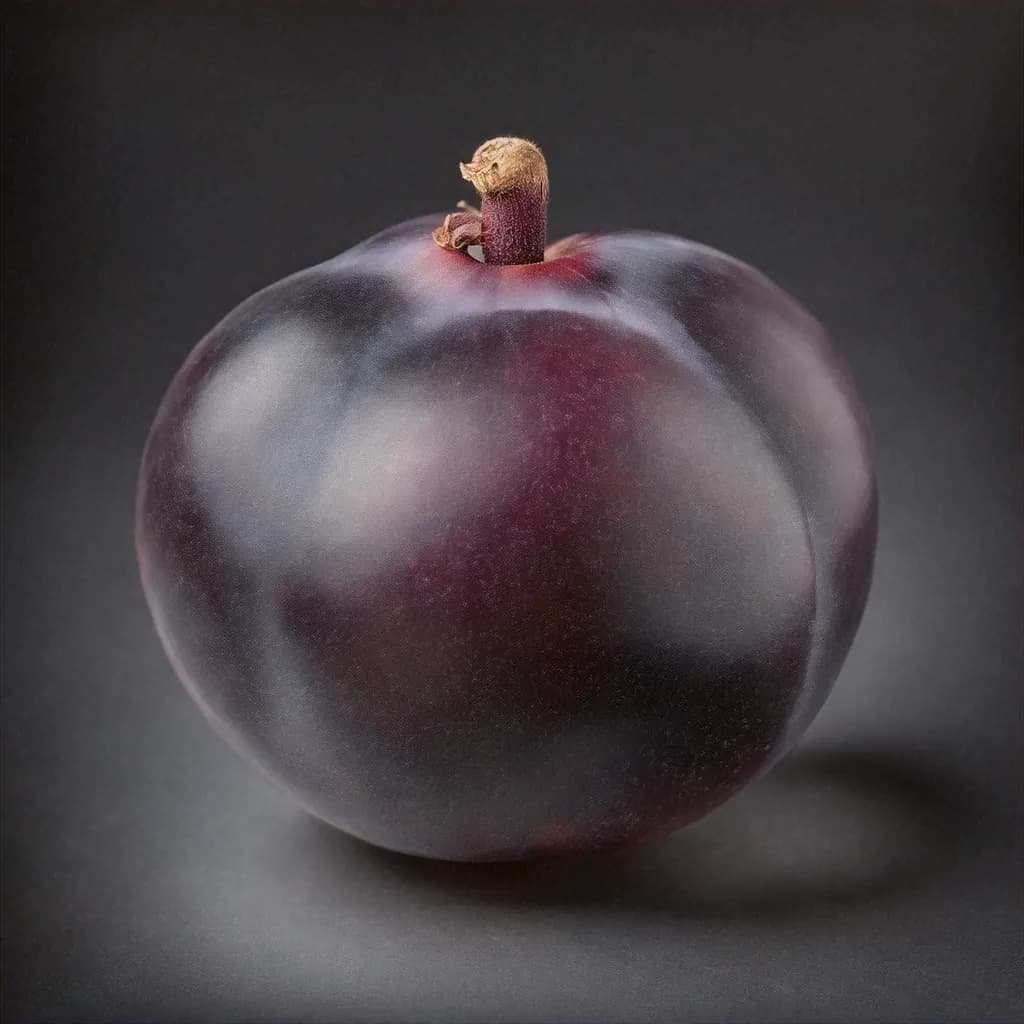
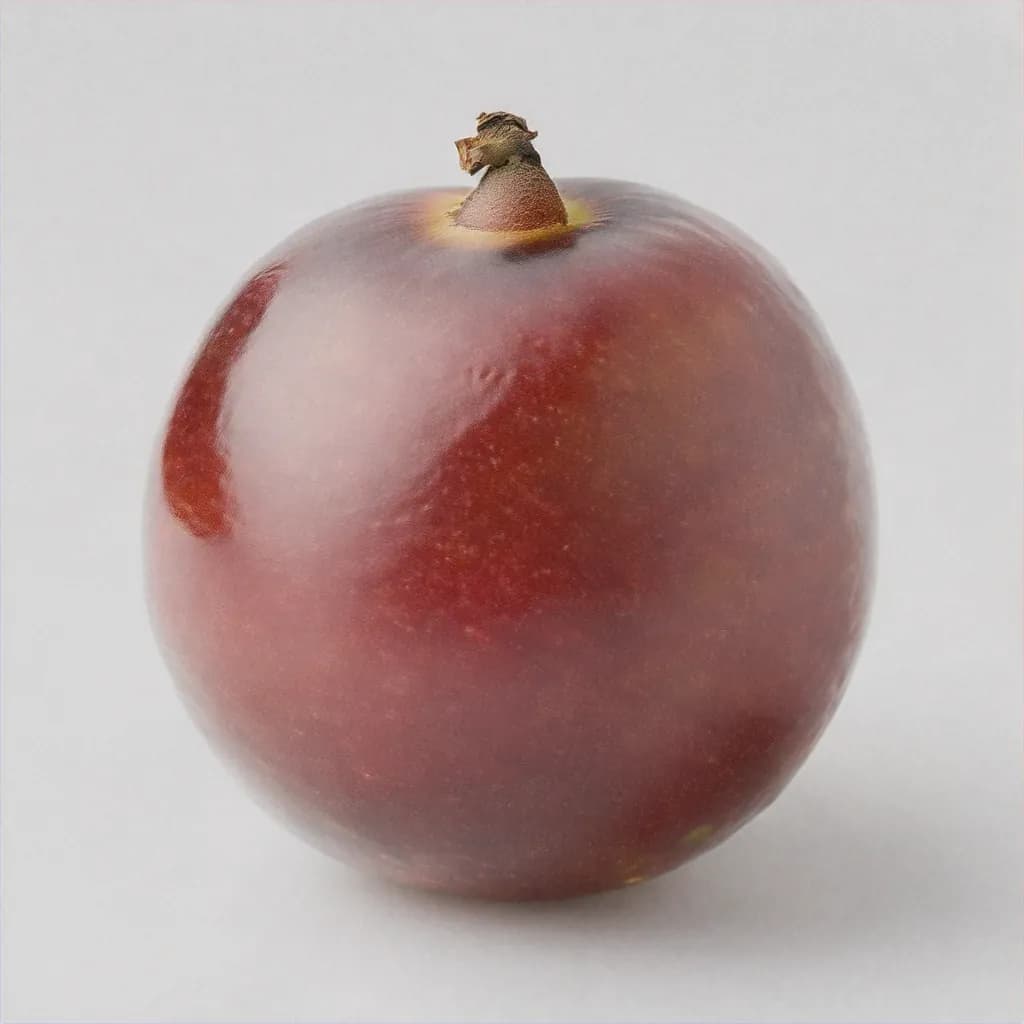
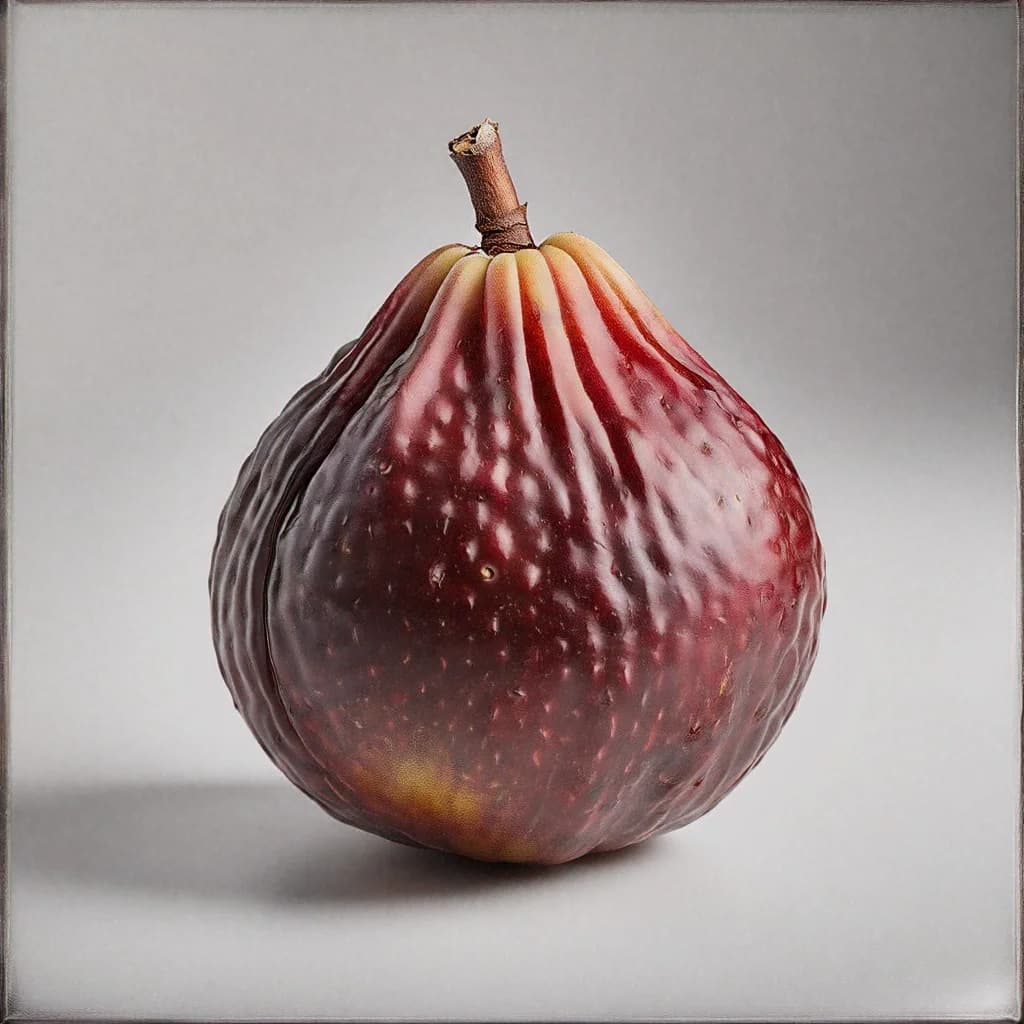
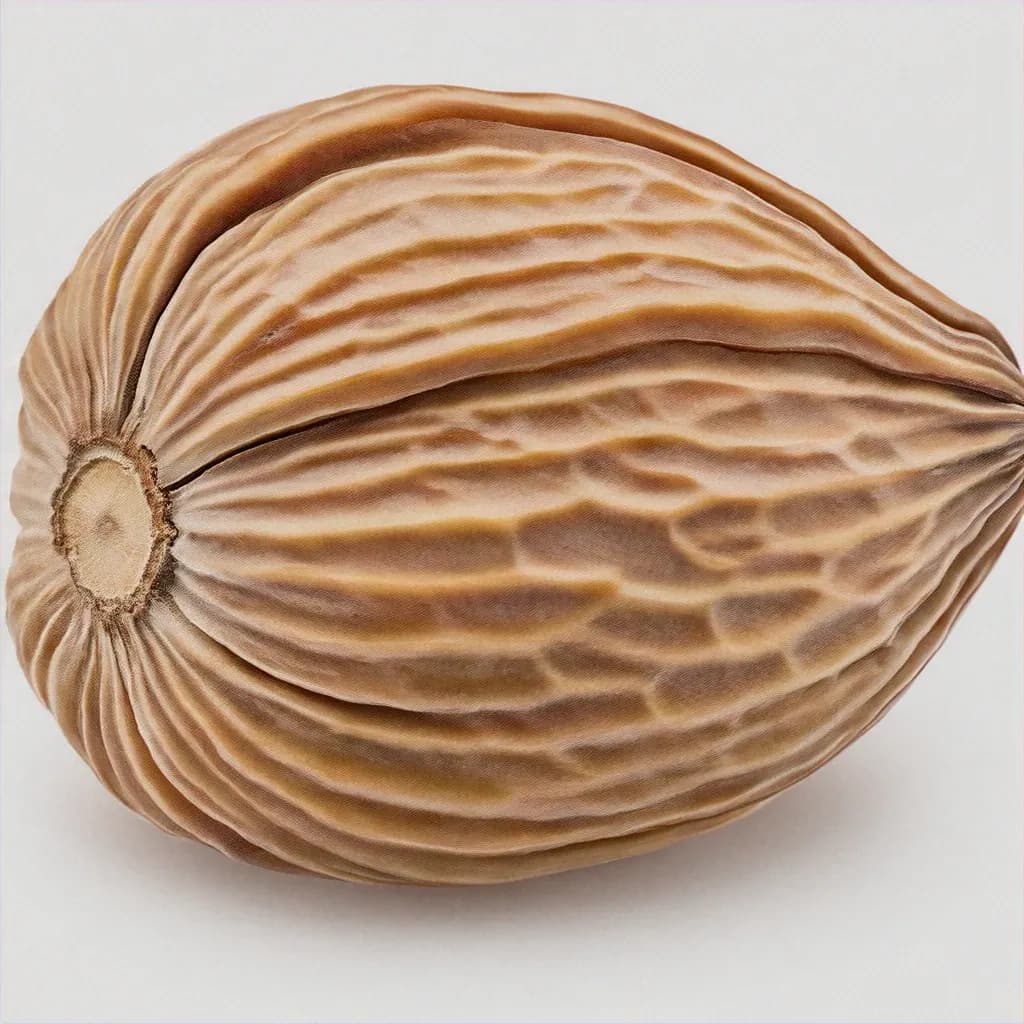
The Maya Nut, scientifically known as Brosimum alicastrum, is a nutrient-dense fruit native to the tropical regions of Central and South America. Often referred to as the 'breadnut,' it is not a true nut but rather a drupe with a hard outer shell encasing a single seed. The seed is the edible part, boasting a rich, earthy flavor reminiscent of chestnuts or potatoes. Highly regarded by ancient Mayan civilizations, the Maya Nut has been a staple food for centuries due to its exceptional nutritional profile, including high protein, fiber, and essential minerals. Its versatility in both culinary and traditional medicinal applications makes it a fascinating subject for modern research and sustainable agriculture.
Explore Maya Nut in stunning detail
Maya Nut - Main View
Per 100g
Per 100g
Nutrition breakdown for one serving
Central and South America
The Maya Nut has been cultivated for thousands of years by indigenous cultures in Mesoamerica. It was a primary food source for the ancient Mayans, who valued its nutritional content and versatility. Today, it is gaining recognition as a sustainable and nutritious food source in modern diets.
Year-round in tropical climates
Each variety offers unique flavors, textures, and culinary applications
Keep your fruit fresh and delicious for longer
Look for firm, uncracked nuts with no signs of mold.
Select nuts that feel heavy for their size, indicating freshness.
Store in a cool, dry place away from direct sunlight.
Keep in an airtight container to prevent moisture absorption.
Preserve freshness for months
Freeze whole nuts in an airtight container for up to 1 year.
Thaw at room temperature before use.
Label frozen items with the date to track freshness. Most fruits maintain quality for 2-3 months when properly frozen. For best results, use airtight containers or freezer bags to prevent freezer burn.
Discover delicious possibilities
Maya Nuts are not known to contain common allergens, but individuals with nut allergies should exercise caution.
Maya Nuts are generally grown with minimal pesticide use, making them a low-risk option for pesticide exposure.
Surprising trivia you'll love!
The Maya Nut was a staple food for ancient Mayan civilizations.
It is often referred to as the 'breadnut' due to its flour-like properties when ground.
Maya Nuts are highly drought-resistant, making them a sustainable crop in arid regions.
The Maya Nut has a nutty, earthy flavor similar to chestnuts or potatoes. It can be roasted, boiled, or ground into flour for versatile culinary applications.
Maya Nuts are typically harvested when they fall from the tree. Look for firm, uncracked nuts with no signs of mold or decay.
Yes, Maya Nuts can be frozen in an airtight container for up to 1 year. Thaw at room temperature before use.
Maya Nuts can be roasted and eaten as a snack, boiled and mashed like potatoes, or ground into flour for baking. They are versatile and can be used in both sweet and savory dishes.
Yes, Maya Nuts have a low glycemic index, making them suitable for diabetics and those monitoring blood sugar levels.
Maya Nuts are not known to contain common allergens, but individuals with nut allergies should consult a healthcare provider before consumption.
Yes, Maya Nuts are considered a sustainable food source. They are drought-resistant, require minimal pesticides, and support local economies in Central and South America.
Sustainability insights
Maya Nuts are a sustainable crop due to their drought resistance and minimal pesticide requirements.
Low, as they require minimal processing and transportation.
Low, due to their drought-resistant nature.
Supporting local production in Central and South America helps sustain local economies and reduce transportation-related emissions.
We aim to keep this Maya Nut profile accurate and easy to understand. Nutrition values and % Daily Value figures are based on established reference databases and standard daily value guidance.
Last updated: October 3, 2026
Medical disclaimer
This page is for general educational purposes and does not replace professional medical advice.
Found an issue? Contact us.