Loading Fruit Details...
Please wait while we fetch nutritional information and health benefits
Please wait while we fetch nutritional information and health benefits
Recommended Products
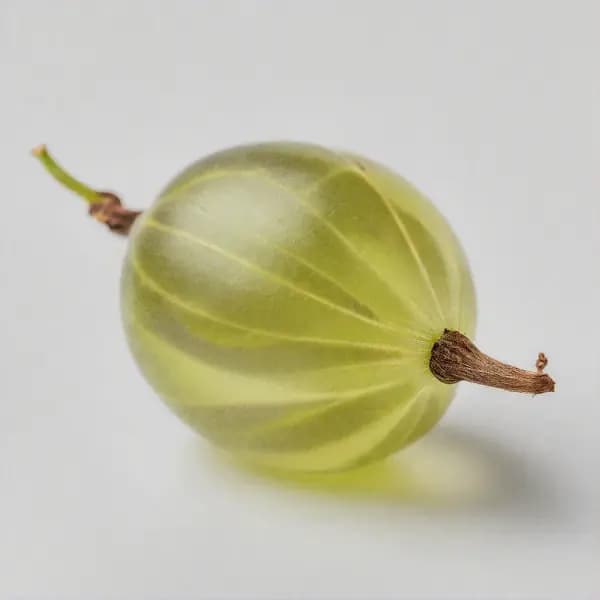
Ribes uva-crispa (European) / Ribes hirtellum (American)
Gooseberries are tart, tangy berries varying from bright green to red, purple, or yellow depending on variety and ripeness, offering crisp flesh and distinctive mouth-puckering flavor beloved in cooking and increasingly appreciated fresh. These marble-sized berries, closely related to currants (both Ribes genus), have been cultivated for over 1,000 years throughout Europe and Asia, with dual reputation as cooking ingredient prized in British and Northern European cuisine and increasingly popular fresh snacking fruit as consumers discover their nutritional richness. The berry's intense tartness mellows into complex sweetness as it ripens, creating variable flavor profile - underripe gooseberries deliver assertive acidic punch ideal for jams and desserts, while ripe gooseberries achieve balanced sweet-tart harmony perfect for fresh eating. Gooseberries offer impressive nutritional profile with exceptional vitamin C content (rivals citrus fruits), significant fiber, moderate potassium, and powerful antioxidants. The berry's thin skin (lacking the waxy coating of many berries) and delicate structure make them delicate to transport, limiting fresh market availability outside major growing regions. However, frozen and canned gooseberries preserve nutritional value excellently for year-round access. Both green and red varieties provide health benefits, though red/pink gooseberries contain additional anthocyanin antioxidants. Gooseberries deserve greater recognition as versatile superfruit combining culinary flexibility with substantial nutritional value.
Explore Gooseberry in stunning detail
Gooseberry - Main View
Per 100g
Per 100g
Nutrition breakdown for one serving
Northern Europe and Western Asia
Gooseberries have been cultivated for over 1,000 years, with origins in northern Europe and western Asia where they grew wild before domestication. Medieval European monasteries cultivated gooseberries for medicinal and culinary purposes, establishing foundation for centuries of cultivation. By Renaissance, gooseberries were established in European cuisine, particularly valued in Britain, Scandinavia, and Germany where they remain cultural staples. The berry gained popularity partly due to ease of cultivation in cooler climates where tender tree fruits couldn't thrive. In Britain specifically, gooseberry culture developed intensely - competitive gooseberry shows emerged where growers competed for largest berries (some Victorian champion berries reached 1+ pound), and gooseberry jam became national staple. The dessert 'gooseberry fool' (gooseberries with custard and cream) became quintessential British dish. In northern Europe and Russia, gooseberries achieved similar status, appearing in traditional preserves, compotes, and desserts. The distinction between European gooseberry (Ribes uva-crispa, larger berries, smoother) and American gooseberry (Ribes hirtellum, smaller, hairier, more disease-resistant) developed independently. American gooseberries were cultivated by Native Americans and settlers. American cultivars, though initially less refined than European varieties, developed disease resistance valuable to breeders. The introduction of currents and gooseberries to North America created berry selection diversity. In 19th and early 20th centuries, gooseberries remained popular fresh market fruit in North America before declining as other berries became dominant. However, recent decades show revival of interest in gooseberries as culinary rediscovery, artisanal food movement appreciation for tart berries, nutritional awareness drives recognition of health benefits, and Northern European cuisine gains international popularity. Today, China dominates global production followed by Britain and continental Europe. Gooseberries remain central to British and Northern European food heritage while gaining recognition worldwide.
Early to mid summer (June to August in Northern Hemisphere)
Each variety offers unique flavors, textures, and culinary applications
Keep your fruit fresh and delicious for longer
Select firm, plump berries with no soft spots or blemishes
Gooseberries at farmers markets are typically slightly underripe - green gooseberries are still good for cooking and have longer shelf life
For fresh eating, choose fully ripe berries with full color (red varieties should be deep red, yellow varieties golden)
Ripe berries yield very slightly to pressure but should not be mushy
Avoid berries with mold, discoloration, or shriveling
Green gooseberries (cooking varieties) should be firm and bright green without browning
Red/pink berries should have even color without pale areas
Check for small hairs on American varieties - normal feature, not sign of damage
Reject berries with cracks or excessive wrinkling
Store fresh gooseberries in refrigerator in breathable container or paper bag, not sealed plastic
Fresh gooseberries keep refrigerated for 3-4 weeks due to natural protective waxy coating and tartness resisting spoilage
Do not wash gooseberries until ready to eat - moisture accelerates spoilage
Keep gooseberries away from ethylene-producing fruits (apples, avocados) which accelerate ripening and spoilage
Frozen gooseberries preserve quality excellently for 10-12 months
To freeze: Wash, dry thoroughly, arrange in single layer on baking sheet, flash freeze 2-3 hours, transfer to freezer bags
Frozen gooseberries work excellently in cooking, baking, jams, and smoothies - texture too soft for fresh eating after thawing
Canned gooseberries (in syrup or juice) maintain quality for 2+ years unopened
Dried gooseberries (like currants but larger) keep 6-12 months in airtight containers
Preserve freshness for months
Gooseberries freeze better than many soft berries due to sturdy skin
Flash freeze on sheet before bagging prevents clumping
Frozen gooseberries work excellently in baking (muffins, cakes, pies), jams, sauces, and smoothies
No need to thaw for cooking - use directly from freezer
For jam or compote, frozen gooseberries work as well as fresh
Thawed berries become too soft for fresh eating but perfect for processing
Consider pureeing before freezing for easy addition to smoothies and sauces
Label with date - frozen gooseberries maintain quality 10-12 months
Label frozen items with the date to track freshness. Most fruits maintain quality for 2-3 months when properly frozen. For best results, use airtight containers or freezer bags to prevent freezer burn.
Discover delicious possibilities
Gooseberry allergies are uncommon but documented, though less common than allergies to other berries. True IgE-mediated gooseberry allergies present with oral allergy syndrome - itching, tingling, or swelling of mouth, lips, tongue, and throat after consuming fresh gooseberries, particularly in people with birch pollen allergies (cross-reactivity risk due to similar proteins). Some individuals experience generalized allergic reactions including hives, urticaria, or skin rashes. Severe reactions including respiratory symptoms or anaphylaxis are rare but documented. Contact dermatitis from handling gooseberries or gooseberry bushes is more common than eating allergies - the plant stems and leaves contain irritating compounds that some individuals react to topically. LATEX-FRUIT SYNDROME: Individuals with latex allergies may show cross-reactivity to gooseberries (similar proteins), though this connection is weaker than with other Ribes family fruits (currants). Cross-reactivity with related berries (currants, some stone fruits) is possible. SALICYLATE SENSITIVITY: Those with sensitivity to salicylates may react to gooseberries (salicylate-containing food). Those with FODMAP sensitivity should be cautious (though data limited). First-time consumers with allergy concerns should start with small amounts.
Conventionally grown gooseberries may contain pesticide residues, though gooseberries are not heavy pesticide users compared to some crops. Gooseberry plants can be affected by mildew, pests, and insects potentially requiring pesticide management. Proper washing: Rinse gooseberries gently under cool running water for 15-20 seconds, gently rubbing surface. The firmer skin resists damage better than soft berries. Pat dry with clean towel. This removes surface pesticides, dust, and contaminants. Organic gooseberries are recommended for frequent consumers, pregnant women, children, and those minimizing pesticide exposure. Organic certification ensures no synthetic pesticides or fertilizers were used. Supporting organic gooseberry production promotes sustainable farming. Gooseberries from home gardens or small-scale producers (farmers markets) may have transparent information about pesticide use. Regional variation: UK and European gooseberries generally follow strict pesticide standards. Chinese gooseberries may have different standards - source transparency important.
Surprising trivia you'll love!
Medieval monasteries cultivated gooseberries for medicinal properties, establishing European gooseberry culture that persists today
Victorian gooseberry competitions created intense breeding culture - champion berries sometimes exceeded 1 pound in weight
Gooseberry 'fools' (gooseberries with custard) is quintessential British dessert mentioned in English literature and still popular today
Chinese legend claims gooseberries offer medicinal benefits for eyesight, leading to traditional use in Chinese medicine
The word 'gooseberry' origins unclear - possibly from Dutch 'kruisbes' or from fancied similarity to goose eggs, or from corruption of 'grosse' (large berry)
American gooseberry varieties developed superior disease resistance compared to European varieties, revolutionizing breeding
Gooseberries were so culturally significant in Britain that gooseberry jam competitions and shows still occur annually
The distinction between European gooseberry (Ribes uva-crispa) and American gooseberry (Ribes hirtellum) developed due to geographic isolation
Gooseberries contain protective compounds that make them unusually resistant to spoilage - they keep refrigerated 3-4 weeks compared to 1-2 weeks for most berries
Gooseberry leaves and stems are poisonous to humans (unlike edible berries), making it unique among berry plants where parts are toxic but fruit is safe
No, gooseberries and grapes are completely different fruits from unrelated plant families. BOTANICAL DIFFERENCE: Gooseberries are berries in the Ribes genus (related to currants), while grapes are Vitis species. Despite both being small round berries, they're botanically distinct with different evolutionary origins. PHYSICAL DIFFERENCES: Grapes are smooth-skinned, gooseberries often have slight hairiness (especially American varieties), grapes have seeds inside (seedless varieties are cultivated), gooseberries have many small seeds throughout, grape skin is thin and delicate, gooseberry skin is tougher and more resistant. FLAVOR PROFILE: Grapes are sweet to moderately tart depending on variety, gooseberries are distinctly tart and tangy (sometimes very sour) becoming sweet only when fully ripe. The tartness is gooseberry's defining characteristic, grape's defining characteristic is sweetness. USES: Grapes eaten fresh, dried as raisins, or fermented into wine, gooseberries primarily used for cooking (jam, baking) though increasingly eaten fresh when ripe, rarely fermented into wine. NUTRITION: While both provide antioxidants and vitamins, profiles differ. Grapes notably high in polyphenols and resveratrol, gooseberries exceptionally high in vitamin C and fiber. CULTURAL SIGNIFICANCE: Grapes are ancient globally important crop with massive production, gooseberries are regional specialty particularly important to British and Northern European cuisine. The confusion sometimes arises because both are berries and have vaguely similar size/shape, but they're fundamentally different fruits that shouldn't be substituted for each other in recipes.
Gooseberries are characteristically TART and SOUR, but tartness dramatically changes with ripeness, making the answer 'it depends'. UNRIPE GOOSEBERRIES: Green gooseberries (picked early) are very sour with intense mouth-puckering tartness - this sourness is desired for cooking (jam, baking) as tartness provides flavor complexity and natural pectin helps jam setting. Most commercial gooseberries sold are picked underripe specifically for this cooking quality. RIPE GOOSEBERRIES: Fully mature gooseberries (ripe on tree until full color) become sweeter, tartness mellowing into balanced sweet-tart profile - still noticeably tart compared to grapes or most berries, but pleasant and balanced rather than aggressively sour. Ripe red/pink gooseberries taste distinctly sweeter than ripe green ones. FLAVOR NUANCE: Gooseberry tartness is distinctive 'green' sour quality (like underripe fruit) rather than citrus acidity. It's bright, mouth-watering, intense but not unpleasant to those accustomed to tart berries. It pairs beautifully with sweet elements (custard, cream) which is why gooseberry desserts pair berries with sweeter components balancing tartness. CULTURAL PERSPECTIVE: British and Northern European cuisines specifically prize gooseberry tartness as culinary feature rather than limitation - the tartness is essential to gooseberry jam flavor, makes excellent sauce for rich meats, and defines gooseberry fool's character. TASTE PROFILE: Green gooseberries = distinctly sour, cooking fruit. Red/pink ripe gooseberries = tart but pleasant, fresh eating possible. Sweet gooseberries don't exist - the fruit's identity is tartness. If you prefer sweet berries, ripe red gooseberries are your best option, though they'll remain tarter than grapes or strawberries.
Yes, gooseberry skin is completely edible and should be eaten. SAFETY: Gooseberry skin is non-toxic and presents no safety concerns. There's no reason to peel gooseberries for safety. NUTRITION: The skin contains significant nutrients, fiber, and antioxidants - particularly in red/pink varieties where the skin contains anthocyanins giving the color. Removing skin means discarding valuable nutrition. TASTE AND TEXTURE: Gooseberry skin is thin, tender, and easy to chew (unlike tough citrus or mango skin). The skin contributes to eating experience - slight texture and subtle grassy/tart notes enhance flavor profile. TRADITION: Throughout British and European cuisines where gooseberries have been eaten for centuries, eating whole berries including skin is standard - no peeling tradition exists. PREPARATION: Simply rinse gooseberries gently, pat dry, and eat whole. No peeling required. For cooking (jam, sauce), berries are often cooked whole with skin, which breaks down during cooking. For cobblers or pies, whole berries are used with skin. EXCEPTIONS: The only reason you might avoid skin is personal preference (texture preference, not nutritional concerns) or if individual berries have visible damage requiring removal. Theoretically, you could peel gooseberries but it would be tedious, wasteful, and unnecessary. BOTTOM LINE: Embrace gooseberry skin! Eating whole gooseberries maximizes nutrition, honors culinary tradition, and provides authentic gooseberry experience.
Green and red gooseberries differ significantly in tartness, sweetness, ripeness stage, and culinary uses - they're often considered different products despite same fruit. GREEN GOOSEBERRIES: Green gooseberries are UNDERRIPE berries picked earlier in the season (June-early July). They're very tart and sour with intense, mouth-puckering tartness. Green gooseberries are harder and more firm than ripe berries. They contain high natural pectin making them excellent for jam. Green gooseberries are traditional cooking fruit - essential for gooseberry jam, gooseberry fool, pies, and sauces. The tartness provides essential flavor to these preparations. Green gooseberries taste distinctly 'green' and grassy. Commercially, green gooseberries are primary product in markets during season - specifically valued and picked for cooking qualities. RED/PINK GOOSEBERRIES: Red and pink gooseberries are FULLY RIPE berries allowed to mature on tree (late July-August). They're significantly sweeter with mellowed tartness creating balanced sweet-tart profile. Red gooseberries are softer and more delicate than green ones. Red varieties contain additional anthocyanin antioxidants (the pigments creating color). Red gooseberries are increasingly marketed for fresh eating - ripe ones are pleasant to eat fresh without preparation. They work in cooking too but lose the tartness-defined flavor profile. Red gooseberries range from wine-red to deep crimson to pale pink depending on variety. NUTRITIONAL DIFFERENCE: Both provide vitamin C and antioxidants, but red varieties contain additional anthocyanins. Fiber and other nutrients similar. CULINARY FLEXIBILITY: Green = cooking essential ingredient, Red = fresh eating or cooking. They're fundamentally different products for different purposes. RIPENESS: Green/red distinction is primarily ripeness stage, not variety (though some varieties are naturally red/pink, others stay green when ripe). Allowing green gooseberries to stay on tree and mature produces red/ripe berries. AVAILABILITY: Green gooseberries appear early summer (June-July), red gooseberries appear mid-late summer (July-August), representing sequential harvest. VERDICT: They're different stages of ripeness offering different flavors and applications - both valuable, neither 'better', just suited to different uses.
No, gooseberries are relatively LOW in sugar (6.3g per 100g) - not a high-sugar fruit. SUGAR CONTENT: Fresh gooseberries contain approximately 6-7g sugar per 100g, which is lower than or comparable to many common fruits: blueberries (9.9g/100g), strawberries (7g/100g), blackberries (4.9g/100g), apples (10.4g/100g), oranges (9.3g/100g). Gooseberries are genuinely low-sugar fruit, particularly green underripe varieties which are even lower in sugar. GLYCEMIC INDEX: Gooseberries have glycemic index of 39 (low GI) and glycemic load of 4 (very low). This means they have minimal blood sugar impact - they won't spike blood glucose significantly even in people with diabetes. FIBER FACTOR: High fiber content (2.3g per 100g, 12% DV per serving) means net carbohydrate impact is even lower. Soluble fiber (pectin) slows sugar absorption preventing spikes. From practical standpoint, gooseberry sugar impact is very moderate. TARTNESS PERCEPTION: Gooseberries taste sweet or tart depending on ripeness, but this reflects flavor complexity rather than actual sugar content. Green sour gooseberries are lowest in sugar. Even ripe sweet-tasting gooseberries contain modest sugar. The apparent sweetness comes from acid balance and perception rather than high actual sugar. COOKING CONSIDERATION: When making gooseberry jam, sugar is added during processing - the final jam is high-sugar product (typical jam) even though raw gooseberries are low-sugar. This is cooking addition, not inherent to gooseberries. VERDICT: Fresh gooseberries are genuinely low-sugar, low-glycemic fruit suitable for diabetics, weight management, and anyone monitoring sugar intake. They're among lower-sugar berry options making them nutritionally valuable choice.
Yes, gooseberries are beneficial for constipation relief due to high fiber content and natural tannin compounds supporting digestive health. FIBER MECHANISM: Gooseberries provide 2.3g dietary fiber per 100g (more substantial in cooked preparations where water is removed concentrating fiber). Fiber adds bulk to stool, stimulates intestinal contractions (peristalsis), and promotes regular elimination. Both soluble fiber (pectin) and insoluble fiber work synergistically. One serving (150g) provides 3.5g fiber (12% DV) - meaningful contribution to daily fiber needs. TRADITIONAL USE: European traditional medicine, particularly in Britain and Northern Europe where gooseberries are cultural staple, has long recognized gooseberries as digestive aid. Gooseberry compote or stewed gooseberries were traditional remedy for constipation. TANNIN CONTRIBUTION: Gooseberries contain tannins (compounds responsible for tartness) with astringent properties traditionally supporting digestive function. Tannins have antimicrobial and potentially prebiotic effects. COOKED PREPARATION: Stewed or cooked gooseberries are particularly beneficial - cooking breaks down cell walls increasing fiber accessibility and concentrating beneficial compounds. Gooseberry compote was traditional constipation remedy. HOW TO USE: Eat 1 cup fresh gooseberries daily (66 calories, 3.5g fiber, 48% DV vitamin C), or prepare cooked gooseberry compote (concentrates fiber), or add to baking/recipes increasing daily fiber intake through enjoyable food. ADDITIONAL BENEFITS: Beyond constipation relief, high fiber supports overall digestive health including prebiotic effects, vitamin C supports immune function during digestive issues, and low sugar impact makes gooseberries gentle on sensitive digestive systems. PRECAUTIONS: Introduce gradually if unaccustomed to high fiber to avoid gas or bloating, drink adequate water with increased fiber consumption for effectiveness, and excessive consumption (more than 2+ cups daily) could cause diarrhea. VERDICT: Gooseberries are genuinely beneficial for constipation through high fiber, traditional use, and supportive compounds. Combined with adequate water, they offer natural, food-based constipation relief with additional nutritional benefits.
Yes, gooseberries are excellent fruit choice for diabetics with proper portion awareness - they're low-sugar, low-glycemic, and support blood sugar management. LOW SUGAR: Gooseberries contain only 6.3g sugar per 100g (lower than most berries and many fruits), and green gooseberries contain even less. A typical 150g serving contains only 9.5g sugar - moderate and manageable within diabetic meal planning. GLYCEMIC PROFILE: Glycemic index of 39 is LOW - gooseberries won't cause rapid blood sugar spikes. Glycemic load of 4 is very low meaning real-world portion has minimal blood sugar impact. This is fundamentally different from high-GI foods. FIBER BENEFITS: High fiber (2.3g/100g, 12% DV per serving) significantly moderates any blood sugar impact through slowing digestion and sugar absorption. Fiber also improves insulin sensitivity - crucial benefit for diabetics. POLYPHENOLIC ANTIOXIDANTS: Gooseberries contain polyphenols and other antioxidants that may improve glucose metabolism and reduce oxidative stress elevated in diabetes. Some research suggests certain polyphenols improve insulin function. PORTION GUIDANCE: Diabetics can enjoy 1 cup fresh gooseberries (150g, about 66 calories, 9.5g sugar, but high fiber) per serving without blood sugar concerns for most people. Account for carbohydrates in meal planning (15g total carbohydrates per 150g serving). Pair with protein or healthy fat to further moderate blood sugar response. PREPARATION CONSIDERATIONS: Avoid adding sugar when cooking gooseberries (plain stewed gooseberries without added sugar remain appropriate). Gooseberry jam or sweetened preparations are high-sugar and inappropriate for diabetics. Fresh gooseberries are ideal. INDIVIDUAL VARIATION: Glycemic responses vary between individuals - monitor personal blood glucose after consuming gooseberries to understand individual response. MEDICAL GUIDANCE: Consult healthcare provider or registered dietitian - individual circumstances affect recommendations. TYPE OF DIABETES: Type 2 diabetics with good control can typically include gooseberries freely. Type 1 diabetics should calculate insulin dosing for carbohydrate content. VERDICT: Gooseberries are excellent diabetic-friendly fruit with low sugar, low glycemic impact, supportive fiber, and potential metabolic benefits. They're genuinely among the better berry choices for diabetes management when consumed appropriately.
No, gooseberries are NOT toxic to dogs - they're safe in moderation, unlike currants and grapes which ARE toxic. CRITICAL DISTINCTION: Gooseberries (Ribes uva-crispa/hirtellum) are SAFE for dogs. Currants (Ribes nigrum/rubrum) and grapes (Vitis species) are TOXIC to dogs causing kidney failure. Despite both being berries in Ribes genus, currants are dangerous while gooseberries are safe - this distinction is crucial for pet safety. SAFETY: Gooseberries are non-toxic. The fruit itself, skin, and seeds are all safe. Dogs can safely consume small amounts of fresh gooseberries without concern. NUTRITIONAL BENEFITS: Gooseberries offer dogs some benefits: vitamin C providing antioxidant support, fiber supporting digestive health, potassium for heart function. Small amounts can be nutritious treat. CONCERNS: HIGH FIBER: Gooseberries contain significant fiber - excessive consumption can cause digestive upset including diarrhea, gas, stomach discomfort, or vomiting, particularly in dogs with sensitive systems. Moderation is essential. SUGAR CONTENT: While low in sugar compared to many fruits, gooseberries contain moderate sugar (6.3g/100g). Excessive sugar contributes to obesity and dental problems - significant canine health concerns. HIGH TARTNESS: Green underripe gooseberries are extremely tart and may cause mouth sensitivity or digestive discomfort in dogs. Ripe red gooseberries are less problematic. CHOKING HAZARD: Small firm gooseberries could pose minor choking risk for very small dogs or dogs that gulp food. Cutting into pieces eliminates this risk. PORTION GUIDELINES: Small dogs (under 20 lbs): 2-3 small gooseberries maximum. Medium dogs (20-50 lbs): 4-6 gooseberries maximum. Large dogs (over 50 lbs): 6-10 gooseberries maximum. Frequency: 1-2 times weekly as occasional treat maximum. PREPARATION: Wash thoroughly, choose ripe berries (less tart than green), cut into small pieces for small dogs to prevent choking, introduce gradually with tiny amount to check tolerance, never feed gooseberry jam or sweetened preparations (added sugar). WHEN TO AVOID: Dogs with sensitive digestive systems should avoid gooseberries. Overweight dogs should have minimal or no gooseberries. Dogs with diabetes should avoid due to sugar content. Puppies with developing digestive systems should avoid until mature. CRITICAL WARNING: Never confuse gooseberries with CURRANTS or GRAPES. Currants and grapes are TOXIC causing kidney failure in dogs - even small amounts are dangerous. Ensure you're feeding gooseberries specifically. VETERINARY GUIDANCE: If concerned about individual dog's tolerance, consult veterinarian. BOTTOM LINE: Gooseberries are safe for dogs in strict moderation as occasional treat, but never assume safety - verify you have gooseberries specifically and not toxic currants/grapes. Many safer fruit options exist for dogs.
Sustainability insights
Gooseberry cultivation has relatively low environmental impact compared to many commercial fruits. Benefits include perennial plants with 10-15 year productive lifespan eliminating annual replanting, deep roots preventing soil erosion and improving soil structure, moderate water needs once established (lower than many fruits), traditional cultivation often using organic methods and minimal chemical inputs, natural pest resistance in many varieties, pollination by native bees supporting biodiversity, and integration into hedgerows and traditional agroforestry systems in UK/Europe. Gooseberry cultivation represents sustainable model with minimal environmental footprint. Challenges are minimal but include potential for powdery mildew requiring management in humid climates, and commercial production sometimes using chemical inputs. Modern sustainable practices include organic gooseberry production (increasingly common), integrated pest management (IPM) reducing chemical inputs, drip irrigation systems minimizing water waste, and preservation of heritage varieties maintaining genetic diversity.
Gooseberry carbon footprint is relatively low due to perennial cultivation, regional production concentrations, and efficient transportation of hardy fruits. UK/European gooseberries have minimal carbon footprint with local/regional distribution. Fresh gooseberries require short-distance transport (regional market, not international), reducing carbon emissions significantly compared to long-haul fruit transport. The perennial nature means no annual planting fuel costs. Frozen and canned gooseberries involve processing energy but enable year-round access reducing food waste from fresh spoilage. Per-serving carbon impact is low - gooseberries provide concentrated nutrition and fiber relative to growing resources. To minimize carbon footprint: Buy local gooseberries during peak season (July-August), choose regional frozen/canned gooseberries when fresh unavailable, buy in bulk to reduce packaging waste, support local gooseberry growers maintaining regional production, and appreciate gooseberries as seasonal treat aligned with harvest.
Gooseberry cultivation requires moderate water, with water footprint approximately 300-500 liters per kilogram - lower than many commercially important fruits and moderate compared to water-intensive crops. Mature gooseberry plants develop root systems allowing reasonable drought tolerance once established, though young plants require consistent irrigation. British and Northern European production benefits from adequate rainfall, minimizing supplemental irrigation needs. Modern commercial orchards use efficient irrigation: Drip systems with 90%+ efficiency, soil moisture monitoring preventing overwatering, mulching conserving soil moisture. Gooseberries are significantly more water-efficient than many fruits (almonds, avocados, stone fruits) making them sustainable choice. Climate change impacts including altered rainfall patterns may challenge production in some regions.
Supporting local gooseberries maximizes sustainability and freshness. UK and European consumers have excellent local production options - gooseberries are regional crop deeply integrated into these food systems. UK gooseberry season (July-August) offers fresh local berries from farmers markets. For other regions, frozen/canned gooseberries imported from UK/Europe represent more sustainable option than seeking imported fresh gooseberries (perishability challenges). The short shelf life (3-4 weeks) still makes fresh gooseberries primarily regional product. BEST PRACTICES: Buy fresh gooseberries during peak season from local/regional sources, buy frozen or canned gooseberries from major producing regions (UK, Europe) year-round, support farmers markets and small producers, and appreciate gooseberries' seasonal nature as special summer treat reflecting sustainable eating patterns.
We aim to keep this Gooseberry profile accurate and easy to understand. Nutrition values and % Daily Value figures are based on established reference databases and standard daily value guidance.
Last updated: September 21, 2026
Medical disclaimer
This page is for general educational purposes and does not replace professional medical advice.
Found an issue? Contact us.