Loading Fruit Details...
Please wait while we fetch nutritional information and health benefits
Please wait while we fetch nutritional information and health benefits
Recommended Products
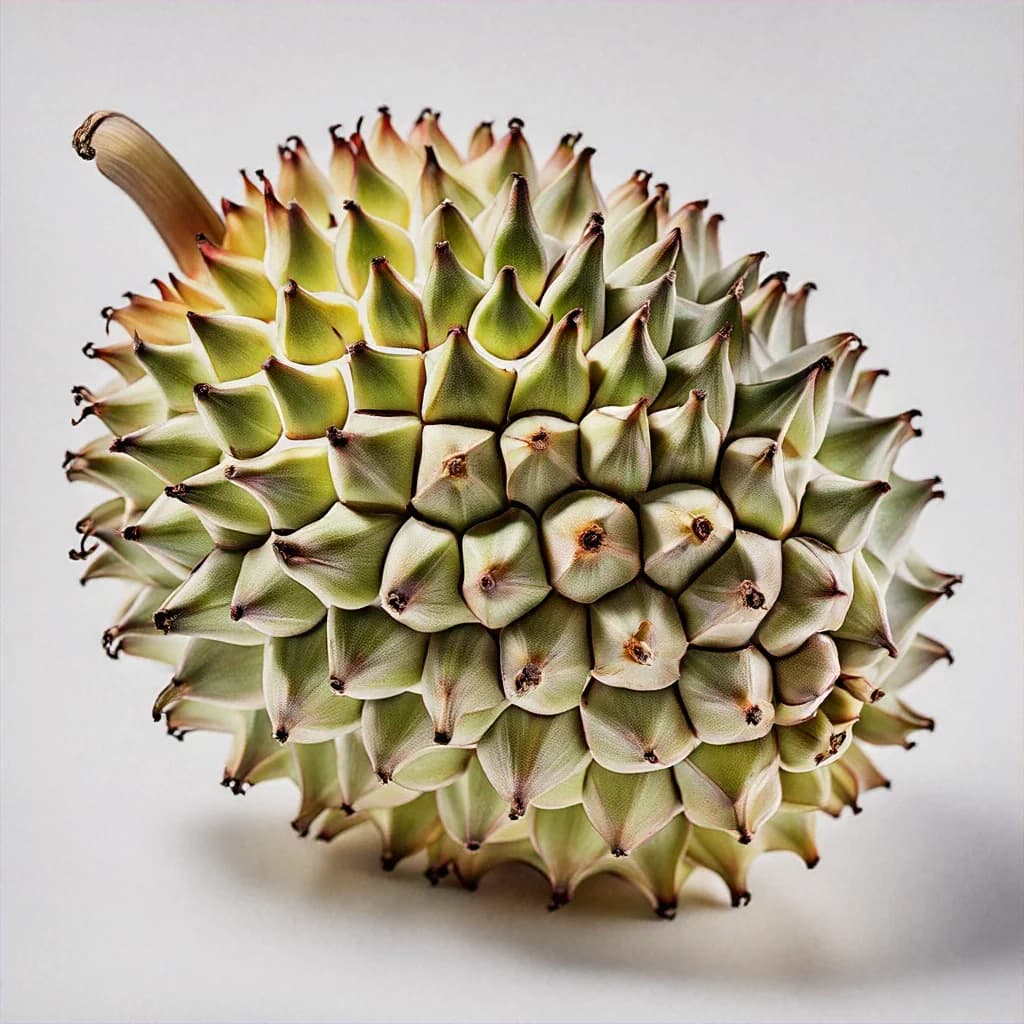
Durio macrophyllus
Durio macrophyllus, a lesser-known species of durian, is a delightful tropical fruit often overshadowed by its more famous cousin, Durio zibethinus. Known for its large size and distinctive aroma, this fruit is a treasure trove of nutritional benefits. Its creamy, custard-like flesh is encased in a spiky, greenish-brown husk, making it both visually striking and intriguing to the palate. The flavor profile is complex, combining hints of sweetness, bitterness, and a subtle nuttiness that lingers pleasantly. Rich in vitamins, minerals, and antioxidants, Durio macrophyllus offers a unique culinary experience while providing significant health benefits.
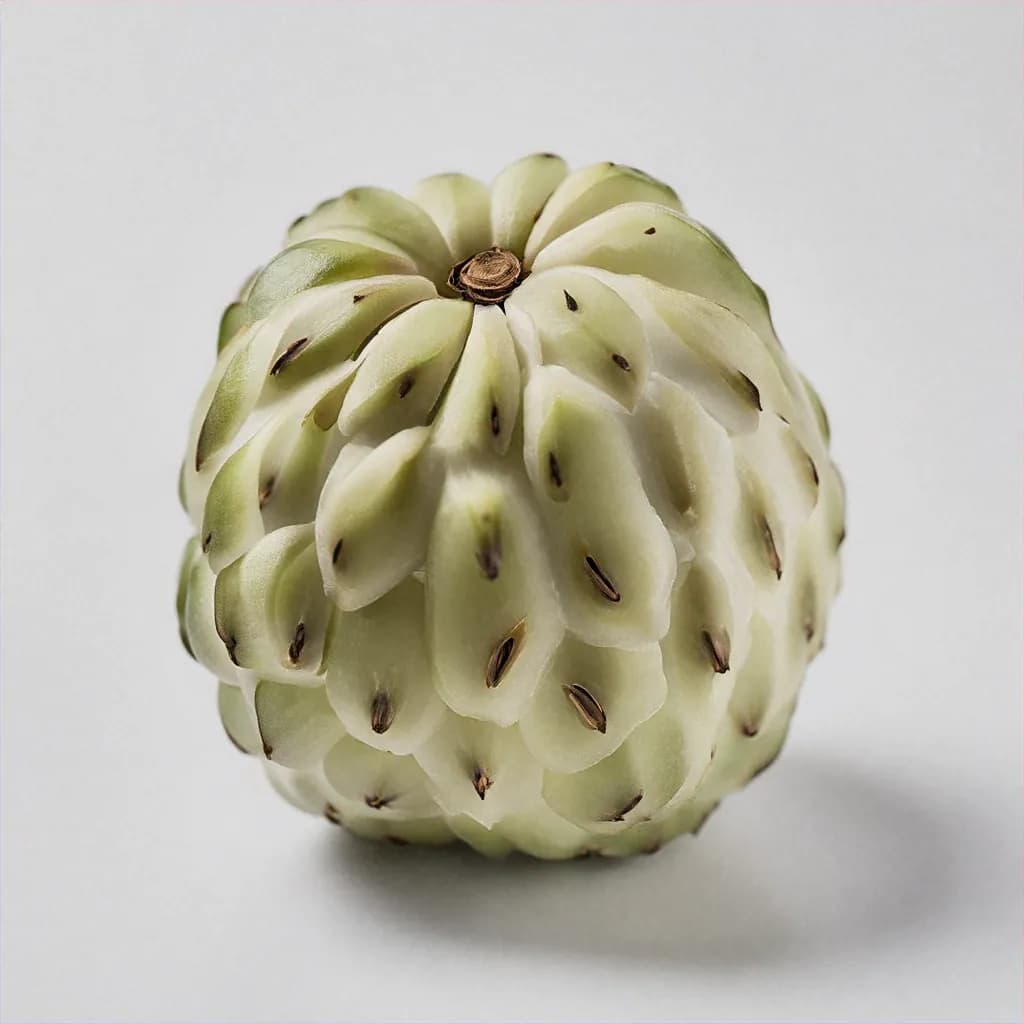
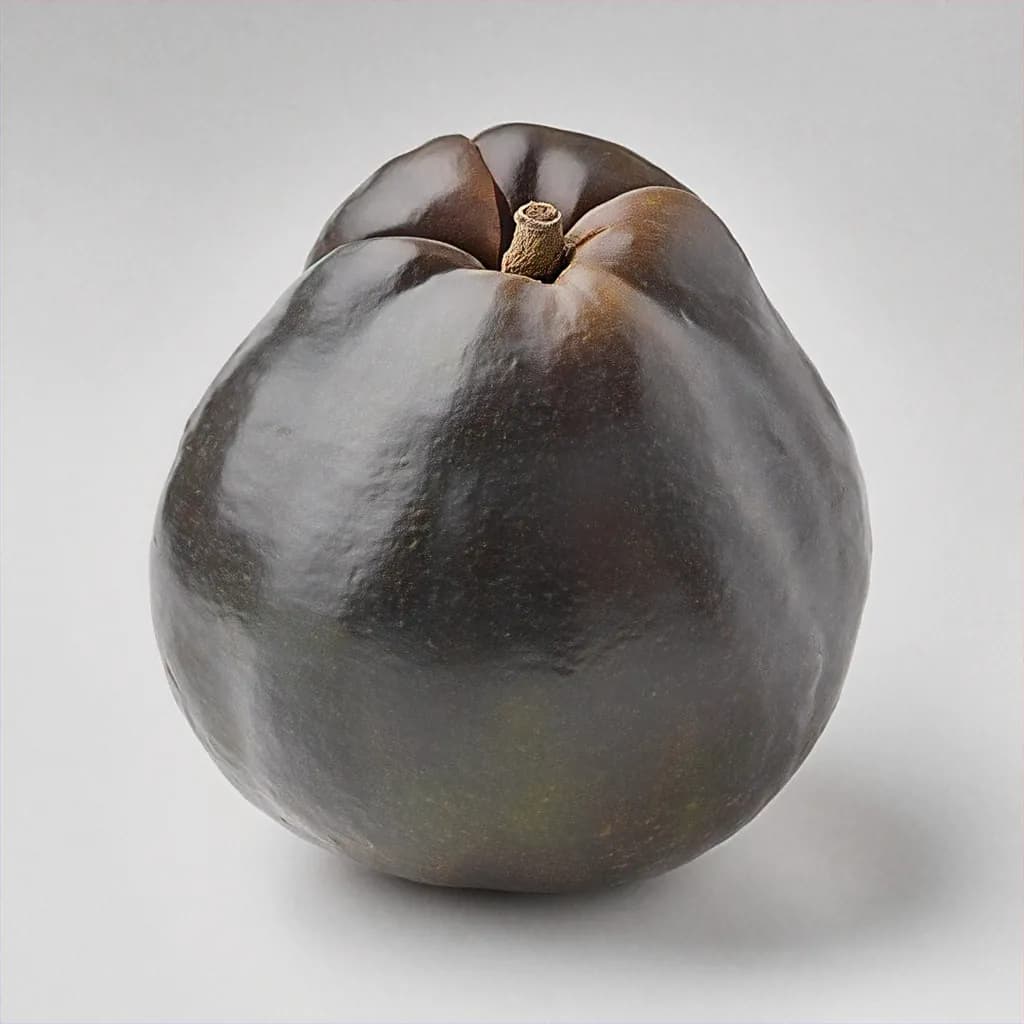
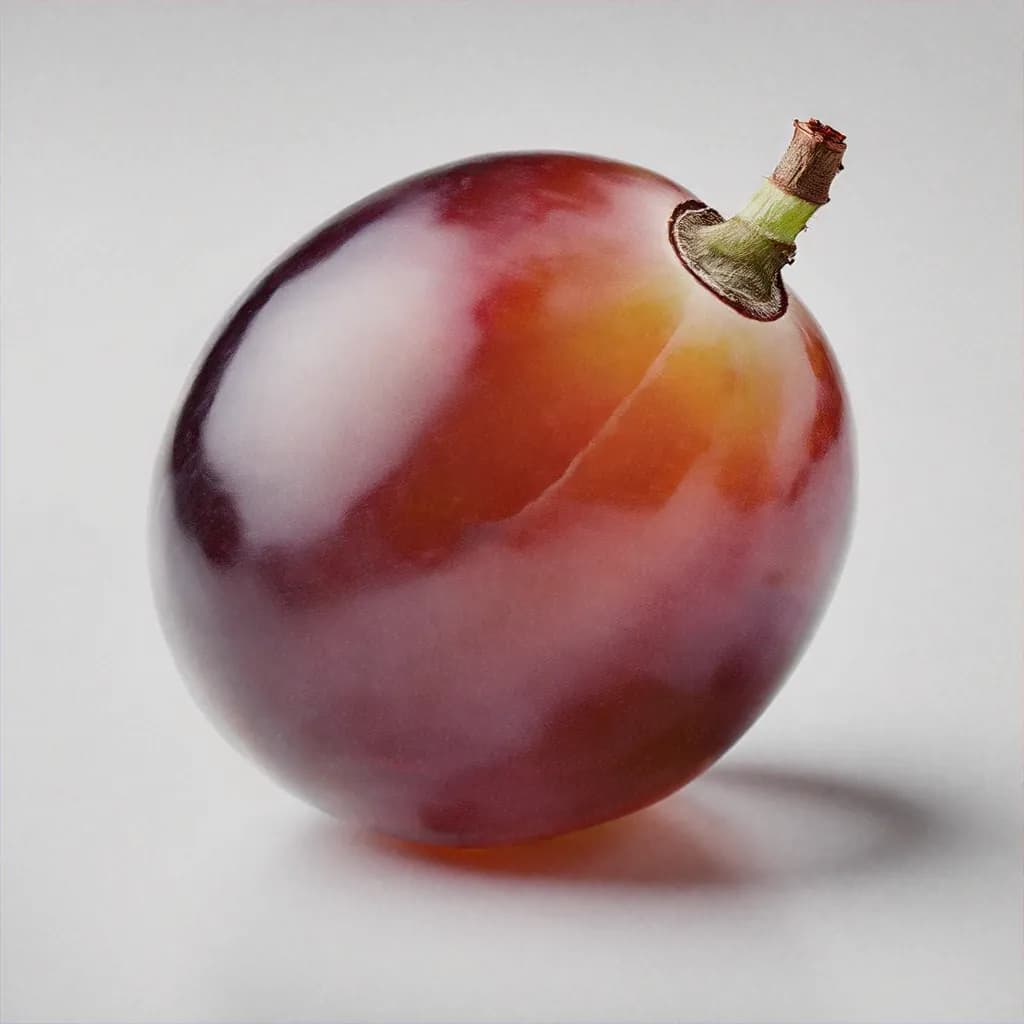
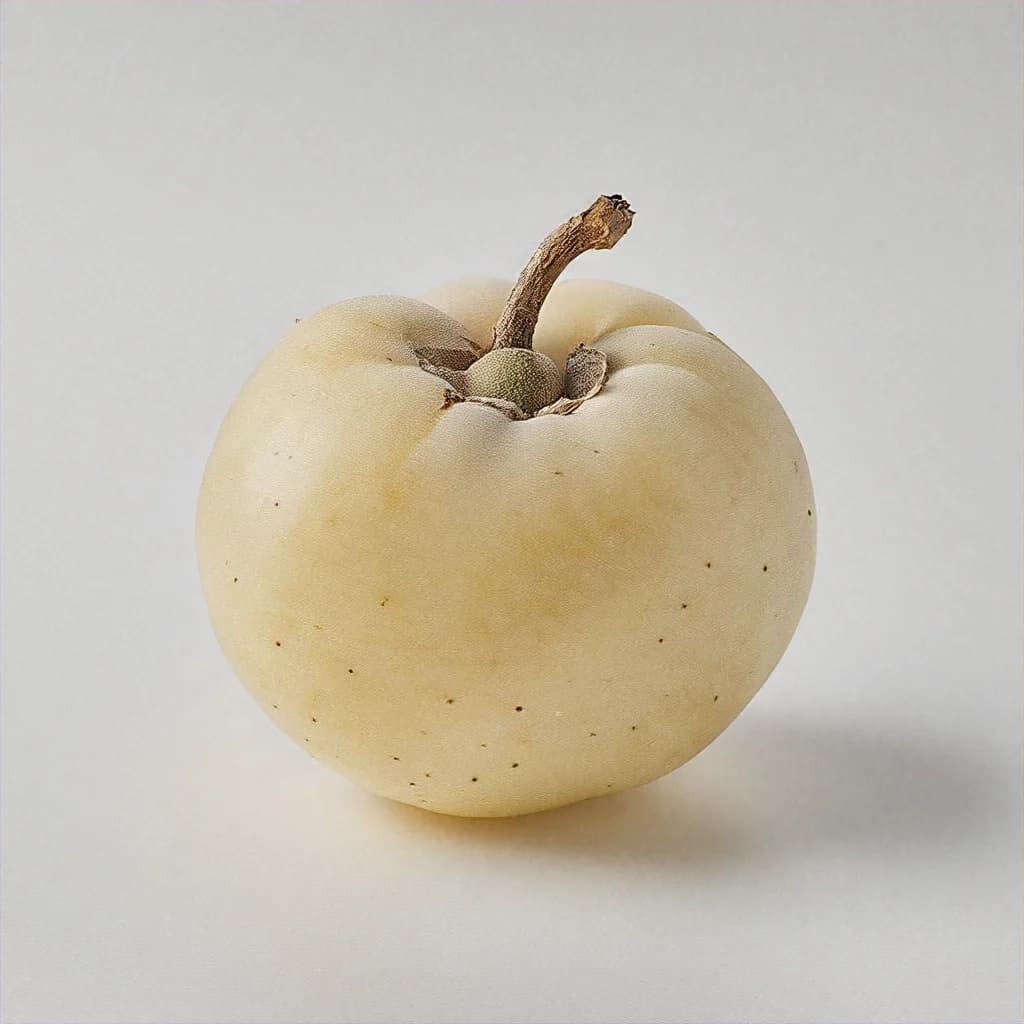
Explore Durio macrophyllus in stunning detail
Durio macrophyllus - Main View
Per 100g
Per 100g
Nutrition breakdown for one serving
Southeast Asia
Durio macrophyllus has been cultivated in Southeast Asia for centuries, valued for its unique taste and nutritional properties. It has played a significant role in local cultures and traditional medicine.
June to August
Each variety offers unique flavors, textures, and culinary applications
Keep your fruit fresh and delicious for longer
Look for a strong, distinctive aroma.
Check for a firm, unblemished husk.
Gently shake the fruit; a ripe durian will have a slight rattle.
Store uncut durians at room temperature for up to 3 days.
Refrigerate cut durians in an airtight container for up to 5 days.
Preserve freshness for months
Freeze durian flesh in an airtight container for up to 2 months.
Thaw in the refrigerator before use.
Label frozen items with the date to track freshness. Most fruits maintain quality for 2-3 months when properly frozen. For best results, use airtight containers or freezer bags to prevent freezer burn.
Discover delicious possibilities
Some individuals may have allergic reactions to durian, so it is advisable to consume it in moderation and monitor for any adverse effects.
Durian is generally low in pesticide residues, but it is still advisable to wash the outer husk thoroughly before cutting.
Surprising trivia you'll love!
Durio macrophyllus is one of the largest fruit species in the durian family.
The strong aroma of durian is due to the presence of sulfur compounds.
In some Southeast Asian cultures, durian is known as the 'King of Fruits.'
Durio macrophyllus has a complex flavor profile, combining sweetness, bitterness, and a subtle nuttiness.
A ripe durian will have a strong aroma and a slight rattle when shaken.
Yes, durian flesh can be frozen in an airtight container for up to 2 months.
Popular durian recipes include durian ice cream, durian sticky rice, and durian smoothies.
Durian is moderately high in calories, with 147 calories per 100 grams.
Durian can interact with certain medications, such as antidepressants and blood thinners, so consult your healthcare provider if you are on medication.
Durian is generally safe for pregnant women, but it should be consumed in moderation due to its high sugar content.
Sustainability insights
Durian cultivation is generally sustainable, but deforestation for plantations is a growing concern.
Moderate, especially if imported from Southeast Asia.
Moderate water requirements, similar to other tropical fruits.
Imported durians have a higher carbon footprint, so consider locally grown varieties if available.
We aim to keep this Durio macrophyllus profile accurate and easy to understand. Nutrition values and % Daily Value figures are based on established reference databases and standard daily value guidance.
Last updated: October 1, 2026
Medical disclaimer
This page is for general educational purposes and does not replace professional medical advice.
Found an issue? Contact us.