Loading Fruit Details...
Please wait while we fetch nutritional information and health benefits
Please wait while we fetch nutritional information and health benefits
Recommended Products
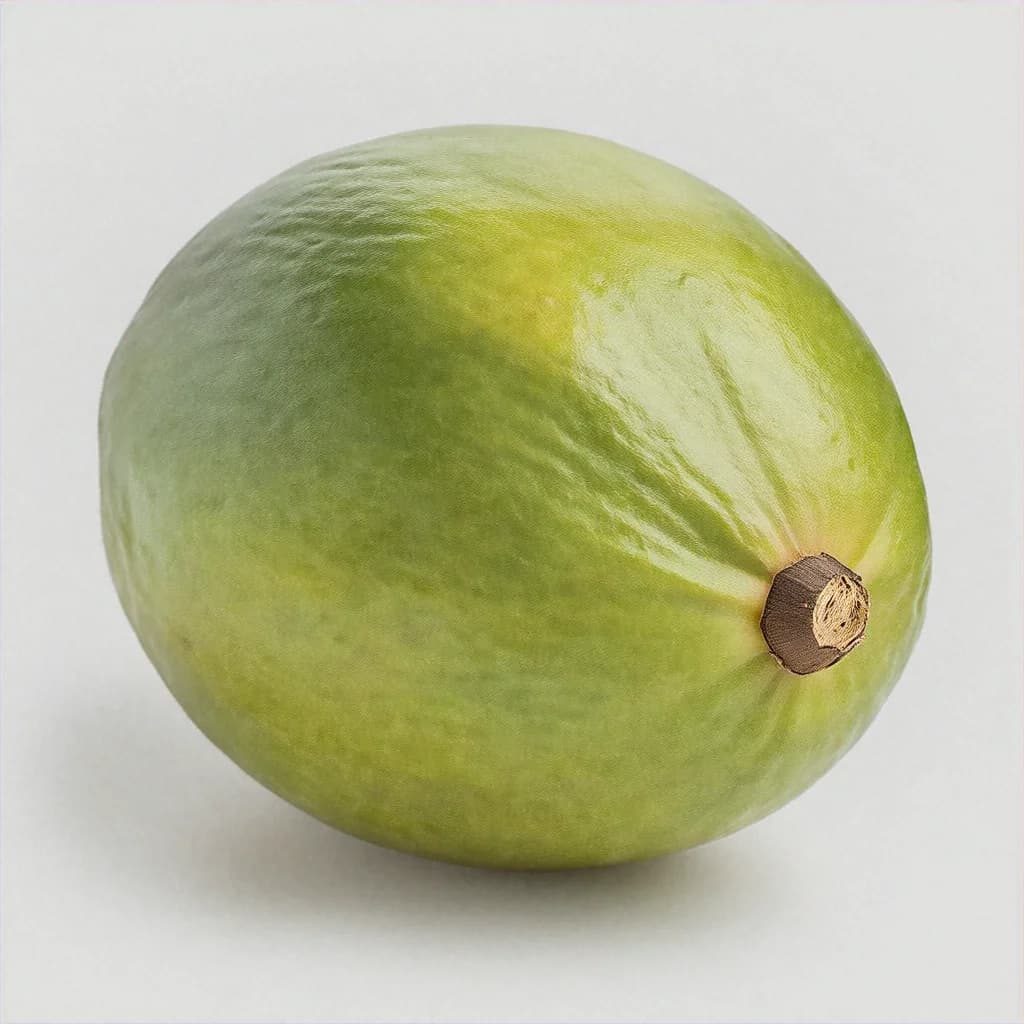
Dipteryx odorata
Cumaru (Dipteryx odorata), also known as the Brazilian teak, is a species of tropical hardwood tree native to South America. While primarily recognized for its prized timber, cumaru also yields a lesser-known fruit that is consumed in certain regions. The fruit is small, round, and encased in a hard, woody shell, which protects its nutritious, oily seed. The seed, often referred to as 'tonka beans,' is aromatic and has a flavor profile reminiscent of vanilla, almond, and cinnamon. Traditionally, cumaru seeds have been used as a spice, flavoring agent, and in folklore medicine. Their unique taste and aroma have made them a sought-after ingredient in gourmet cooking and artisanal products. However, due to their high coumarin content, consumption in large quantities is not recommended.
Explore Cumaru in stunning detail
Cumaru - Main View
Per 100g
Per 100g
Nutrition breakdown for one serving
South America
Cumaru has been used for centuries by indigenous communities in South America. The wood was prized for its durability, while the seeds were used as a spice and in traditional medicine. Today, cumaru is gaining attention in the culinary world for its unique flavor profile.
Year-round, but peak harvest is during the dry season.
Each variety offers unique flavors, textures, and culinary applications
Keep your fruit fresh and delicious for longer
Select seeds that are firm and free of mold.
Avoid seeds with cracks or holes.
Store in an airtight container.
Keep away from direct sunlight and heat.
Preserve freshness for months
Freezing is not recommended, as it may affect the flavor and texture.
Label frozen items with the date to track freshness. Most fruits maintain quality for 2-3 months when properly frozen. For best results, use airtight containers or freezer bags to prevent freezer burn.
Discover delicious possibilities
Cumaru is not a common allergen, but individuals with tree nut allergies should exercise caution.
Cumaru is generally low in pesticide residues, but organic options are available.
Surprising trivia you'll love!
Cumaru is often referred to as 'Brazilian teak' due to its prized timber.
The seeds, known as tonka beans, have been used as a natural vanilla substitute.
Cumaru has a complex flavor profile with notes of vanilla, almond, and cinnamon.
Fresh cumaru seeds should be firm, aromatic, and free of mold or cracks.
Freezing is not recommended, as it may alter the flavor and texture of the seeds.
Cumaru is often used as a spice in desserts, baked goods, and beverages, or infused into oils for cooking.
Yes, cumaru is calorie-dense due to its high fat content, with approximately 350 calories per 100 grams.
Cumaru contains coumarin, which can be toxic in large amounts. Moderate consumption is recommended.
Yes, cumaru can be used as a substitute for vanilla, though its flavor is more complex and may alter the taste of the dish slightly.
Sustainability insights
Cumaru is a sustainable crop when harvested responsibly, as it does not require extensive land clearing.
Low carbon footprint due to minimal processing and transportation.
Moderate water usage, as cumaru trees are drought-tolerant.
Cumaru is primarily imported from South America, but some local cultivation may be possible in tropical regions.
We aim to keep this Cumaru profile accurate and easy to understand. Nutrition values and % Daily Value figures are based on established reference databases and standard daily value guidance.
Last updated: October 5, 2026
Medical disclaimer
This page is for general educational purposes and does not replace professional medical advice.
Found an issue? Contact us.
.webp&w=3840&q=75)