Loading Fruit Details...
Please wait while we fetch nutritional information and health benefits
Please wait while we fetch nutritional information and health benefits
Recommended Products
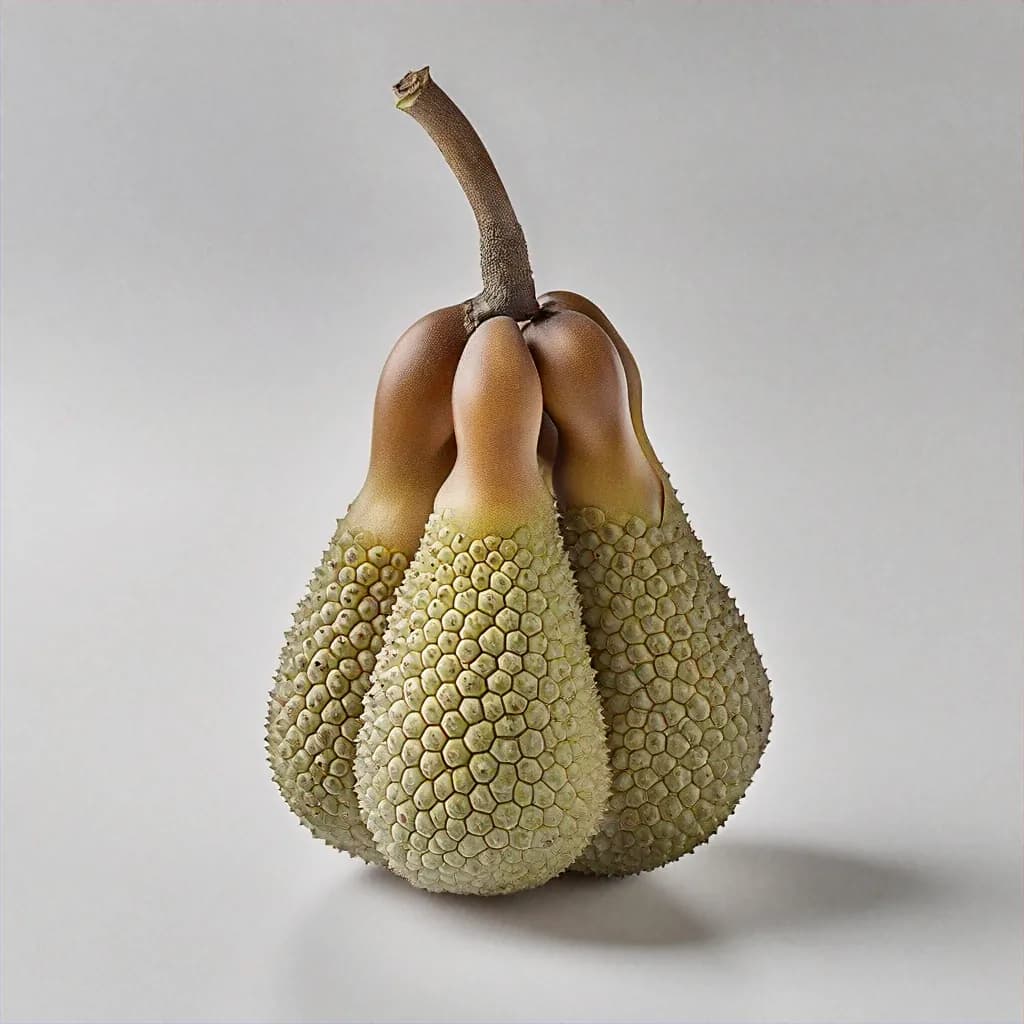
Citrus medica var. sarcodactylis
Buddha's hand is an unusual finger-like citrus fruit with minimal pulp and thick fragrant zest. Exceptional source of vitamin C (53% DV) supporting immune health and antioxidant defense. Rich in limonoids with powerful cancer-fighting compounds. Low calorie (27 per 100g) ideal for weight management. Contains aromatic oils providing mood-enhancing and stress-reducing benefits. Unique lemon-like flavor without bitterness. Sacred in Buddhist temples symbolizing happiness and abundance. Edible peel and segments offering culinary versatility with sweet floral notes.
Explore Buddha's Hand in stunning detail
Buddha's Hand - Main View
Per 100g
Per 100g
Nutrition breakdown for one serving
Southeast Asia, Southern China, India
Buddha's hand originated in Southeast Asia with ancient cultivation spanning 3000 years. Japanese temples cultivating for spiritual significance and fragrance. Chinese imperial courts prizing for ornamental and ceremonial use. Sacred Buddhist fruit symbolizing happiness, abundance, and prosperity. Traditional temple offerings continuing today. Modern cultivation spreading to Mediterranean and California. Global appreciation for unique appearance and aromatic properties expanding market.
Peak season September-January in Northern Hemisphere
Each variety offers unique flavors, textures, and culinary applications
Keep your fruit fresh and delicious for longer
Select Buddha's hands with firm, unblemished skin
Choose fruits with strong fragrant aroma indicating freshness
Look for bright yellow color indicating ripeness
Avoid soft spots or dark blemishes on segments
Heavier fruits containing more juice and oils
Purchase during peak season September-January for best availability
Source from specialty citrus markets or Asian grocers
Store at room temperature 2-3 weeks
Refrigerate in crisper drawer up to 1 month
Keep away from strong-smelling foods
Aromatics dispersing into surrounding air is normal
Dry skin indicates proper ripening
Use zest fresh for best aromatic compounds
Freeze zest for long-term storage
Preserve freshness for months
Buddha's hand zest freezes excellently up to 6 months
Juice freezing possible for 3 months
Peel freezing for tea and beverages
Slice segments and freeze for culinary use
Maintain quality better than whole fruit freezing
Label frozen items with the date to track freshness. Most fruits maintain quality for 2-3 months when properly frozen. For best results, use airtight containers or freezer bags to prevent freezer burn.
Discover delicious possibilities
Citrus allergies uncommon with Buddha's hand reactions very rare. Oral allergy syndrome possible in sensitive individuals. Cross-reactivity with other citrus fruits minimal. Generally safe for most populations. Those with severe fruit allergies should consult allergist.
Buddha's hand cultivated with varying pesticide practices in subtropical and temperate regions. Organic Buddha's hand available from certified producers. Conventional fruits acceptable with normal washing. Specialty suppliers often emphasizing sustainable practices.
Surprising trivia you'll love!
Buddha's hand originated in Southeast Asia with 3000 years of cultivation history in Buddhist temples
Finger-like segments resembling praying hands reflect spiritual significance and sacred symbolism
Vitamin C content (53% DV) ranks among highest citrus fruits supporting immune function
Thick fragrant zest comprises majority of edible fruit with minimal pulp or juice
Japanese temples cultivating traditional varieties preserving heritage Buddha's hand cultivars
Chinese imperial courts historically prized Buddha's hand as luxury decorative fruit
Essential oils in peel provide natural aromatherapy benefits and stress-reducing properties
Low calorie content (27 per 100g) among lowest of citrus fruits ideal for weight management
Limonoid compounds show promising cancer-fighting properties in scientific research
Ornamental appeal combined with nutritional benefits making Buddha's hand unique among all citrus
Buddha's hand exceptional citrus fruit with unusual finger-like segments and remarkable culinary and aromatic properties. UNIQUE APPEARANCE: Distinctive finger-shaped segments resembling hands or fingers. Minimal pulp interior. Thick fragrant zest. Ornamental appeal significant. Sacred symbolic shape. ZEST EMPHASIS: Majority edible component is thick zest. Aromatic oils concentrated in peel. Fragrance intensifying with ripeness. Sweet lemon-like scent. Culinary zest applications. VITAMIN C EXCEPTIONAL: 53% DV supporting immune function comprehensively. Collagen synthesis support. Antioxidant defense. Iron absorption enhancement. Infection resistance. LIMONOID COMPOUNDS: Exceptional limonoid concentration. Powerful cancer-fighting properties. Anti-tumor compounds. Disease prevention. Research-backed benefits. AROMATIC OILS: Essential oil content providing mood enhancement. Stress reduction benefits. Aromatherapy application. Fragrant presence. Wellness support. FLAVOR PROFILE: Sweet lemon notes without bitterness. Mild tartness. Floral undertones. Pleasant taste. Culinary versatility. TEXTURE: Thick creamy peel. Minimal juice. Soft segments. Unique eating experience. No seeds typically. ORNAMENTAL VALUE: Beautiful finger appearance. Decorative presentation. Gift fruit significance. Display quality. Sacred symbolic appeal. CULINARY APPLICATIONS: Zest seasoning. Marmalade preparation. Preserve making. Baking ingredient. Garnish use. Beverage flavoring. AROMATHERAPY BENEFITS: Essential oil extraction. Fragrance diffusion. Stress relief. Mood enhancement. Wellness application. SACRED SIGNIFICANCE: Buddhist temples cultivating. Spiritual symbolism. Happiness representation. Abundance connection. Cultural importance. HEALTH PROFILE: Low calorie 27 per 100g. Low glycemic index 25. No sugar load. Weight management ideal. Diabetic-friendly. TRADITIONAL USE: 3000 years cultivation history. Japanese temple use. Chinese imperial courts. Cultural significance maintained. BOTTOM LINE: Buddha's hand exceptional citrus fruit with distinctive finger-like segments, exceptional vitamin C (53% DV), powerful limonoid cancer-fighting compounds, thick fragrant zest as primary edible component, essential oils providing aromatherapy and mood-enhancing benefits, low calorie (27) ideal for weight management, low glycemic index suitable for blood sugar control, culinary versatility from zest to marmalade to beverages, ornamental and decorative appeal, and profound sacred and cultural significance making it unique among citrus fruits.
Buddha's hand versatile culinary ingredient with diverse applications emphasizing aromatic zest and unique flavor profile. ZEST APPLICATIONS: Buddha's hand zest primary culinary component. Remove with microplane grater. Minimal bitter white pith. Intense lemon fragrance. Seasoning for fish. Salad dressing ingredient. MARMALADE PREPARATION: Slice Buddha's hand thinly. Remove seeds if present. Cook with sugar. Minimal pectin requiring addition. Beautiful golden color. Unique citrus marmalade. CANDYING: Peel candying traditional preparation. Slice strips. Blanch and cook in sugar syrup. Chewy texture. Confectionery application. Gift-worthy presentation. TEA INFUSION: Slice Buddha's hand thinly. Steep in hot water. Fragrant lemon tea. Stress-reducing aromatics. Health-promoting beverage. FRESH EATING: Segments eating fresh. Remove white pith. Mild sweetness. Unique texture. Minimal juice. Garnish quality. BAKING APPLICATION: Zest in cakes and cookies. Sweet bread incorporation. Citrus flavor enhancement. Aromatic baking. Dessert elevation. BEVERAGE FLAVORING: Juice sparkling water. Cocktail garnish. Smoothie addition. Herbal tea blend. Beverage enhancement. FISH PAIRING: Zest on baked fish. Bright citrus complement. Acid-free seasoning. Aromatic enhancement. Culinary sophistication. BASIC MARMALADE RECIPE: Buddha's hand 500g sliced, water 500ml, sugar 500g, lemon juice 1 tablespoon, combine fruit and water, simmer 1 hour, add sugar, continue cooking until setting point reached, jar and seal. BASIC CANDIED PEEL RECIPE: Buddha's hand peel 400g, water 400ml, sugar 400g, blanch peel 5 minutes, change water twice, cook with sugar syrup 45 minutes, dry on rack 24 hours. ZEST SEASONING: Microplane fresh zest, use immediately. Store zest frozen. Culinary grade seasoning. STORAGE: Marmalade lasting 6 months. Candied peel lasting 2 months. Fresh zest lasting 3 weeks. Frozen zest lasting 6 months. Preserved preparations lasting. BOTTOM LINE: Buddha's hand versatile culinary ingredient with zest seasoning applications, marmalade and preserve preparation, candying for confectionery, tea infusion for wellness beverages, fresh segment eating, baking and dessert applications, beverage flavoring, fish and seafood pairing, and diverse recipes highlighting unique aromatic zest and low-sugar profile from simple zest garnishes to complex preserves.
Buddha's hand safe for consumption with minimal documented safety concerns. Generally well-tolerated by most individuals. No significant allergens typically. GENERAL SAFETY: Buddha's hand safe for eating. Minimal toxins documented. No seed toxicity. Peel edible and safe. Segments safe. ALLERGY INFORMATION: Citrus allergies rare but possible. Oral allergy syndrome possible. Cross-reactivity with other citrus minimal. Most individuals tolerating well. Allergist consultation if concerned. CHILDREN CONSIDERATIONS: Soft texture safe for children. Minimal choking risk with supervision. Segments appropriate. No age restrictions. Nutritious food option. PREGNANCY CONSIDERATIONS: Buddha's hand safe during pregnancy. Vitamin C supporting fetal health. Folate content supportive. No contraindications documented. Nutritious addition to diet. DIGESTIVE CONSIDERATIONS: High acid content possible digestive effects. Individual sensitivity varies. Introduce gradually. Adequate water consumption. Generally well-tolerated. MEDICATION INTERACTIONS: Vitamin C interactions possible with some medications. Consult healthcare provider if concerns. Citrus generally safe. Standard precautions appropriate. PREPARATION SAFETY: Remove all seeds if present. Wash thoroughly. White pith removal optional. Use clean utensils. Discard any moldy fruit. STORAGE SAFETY: Store properly maintaining freshness. Use within shelf life. Discard deteriorated fruit. Proper hygiene important. PESTICIDE CONCERNS: Citrus cultivation pesticide use variable. Organic Buddha's hand available. Conventional acceptable with washing. Specialty suppliers often sustainable. AROMATHERAPY SAFETY: Essential oils not for internal use in concentrated form. Fragrance inhalation safe. Direct skin application caution. Dilution if using oils. Standard aromatherapy precautions. BOTTOM LINE: Buddha's hand safe for consumption when properly prepared with minimal documented safety concerns, rare citrus allergies, suitable for children and pregnant women, no contraindicated medications, proper storage important, aromatherapy use following standard precautions, and consultation with healthcare provider appropriate for specific individual concerns.
Buddha's hand profound cultural and spiritual significance reflecting Buddhist and Asian heritage spanning millennia. BUDDHIST SIGNIFICANCE: Sacred fruit in Buddhist temples. Spiritual symbolism deep. Happiness representation. Abundance connection. Prosperity meaning. NAMING ORIGINS: Buddha's hand literal English translation. Finger-like shape resembling praying hands. Sacred hand position. Spiritual meaning embedded. Cultural naming tradition. TEMPLE USE: Temple offerings central. Altar arrangements traditional. Fragrance during ceremonies. Spiritual practices incorporating. Continuing religious use. CHINESE IMPERIAL: Imperial court prizing historically. Decorative status symbol. Valuable gift tradition. Cultural prestige. Luxury fruit status. JAPANESE CULTIVATION: Japanese temples maintaining cultivars. Traditional varieties preserved. Ceremonial importance continuing. Cultural heritage protection. Spiritual practice continuation. SYMBOLISM LAYERS: Happiness and joy representing. Abundance and prosperity. Longevity connection. Good fortune. Auspiciousness meaning. OFFERING TRADITION: Buddhist temples making offerings. Religious ceremonies incorporating. Spiritual practice continuing. Ancient tradition maintenance. Cultural significance preservation. FRAGRANCE SIGNIFICANCE: Aromatic properties valued spiritually. Meditation aid. Mindfulness support. Ceremonial fragrance. Spiritual atmosphere. GIFT GIVING: Buddha's hand traditional gift. Auspiciousness conveying. Respect showing. Hospitality expressing. Cultural practice. ARTWORK REPRESENTATION: Buddha's hand depicted in art. Cultural imagery. Religious art. Traditional paintings. Spiritual symbolism. MODERN CONTINUATION: Buddhist temples maintaining traditions. Cultural practices preserving. Spiritual significance maintained. Contemporary practice. Heritage preservation. DIASPORA COMMUNITIES: Asian communities maintaining traditions. Cultural heritage preservation. Spiritual practices continuing. Identity connection. Intergenerational transmission. GLOBAL APPRECIATION: Western appreciation growing. Cultural significance recognized. Ornamental interest. Exotic appeal. Spiritual intrigue. AGRICULTURAL PRESERVATION: Traditional cultivars maintaining. Japanese temple varieties. Heritage preservation. Sustainable practices. Cultural stewardship. BOTTOM LINE: Buddha's hand profound cultural and spiritual significance reflecting 3000 years Buddhist and Asian heritage, sacred temple offerings symbolizing happiness and prosperity, Japanese and Chinese imperial court valuation, finger shape representing praying hands and spiritual connection, aromatic properties supporting meditation and ceremonies, continuing religious practices in temples worldwide, traditional gift-giving significance, diaspora community heritage preservation, global appreciation expanding cultural recognition, and agricultural preservation maintaining authentic cultivars.
Sustainability insights
Buddha's hand cultivation represents subtropical and temperate agricultural practice with environmental considerations. Benefits include established tree cultivation, pest-resistant cultivars, and traditional agroforestry integration. Challenges include pesticide use in conventional cultivation, water requirements for subtropical regions, and commercial plantation development. Sustainable practices include organic farming, integrated pest management, water conservation, and supporting regional producers.
Buddha's hand carbon footprint varies by cultivation region and transportation method. Subtropical cultivation in California, Florida, Mediterranean, and Asia. Long-distance international shipping increasing carbon impact significantly. Organic cultivation reducing overall environmental footprint. Local seasonal purchasing reducing transportation. Regional sourcing within production areas minimizing intercontinental shipping.
Buddha's hand cultivation requires moderate water for subtropical climates. Winter rainfall providing primary source. Supplemental irrigation necessary in dry regions. Water conservation practices important. Established trees reducing water needs. Drought adaptation possible with proper cultivation.
Supporting local Buddha's hand producers maximizes environmental benefit. California and Florida production reducing transportation. Organic and sustainable farming preferred. Seasonal purchasing when available. Local processing reducing carbon footprint. Supporting regional agricultural communities. BEST PRACTICES: Choose locally-grown Buddha's hand, support organic producers, source from fair-trade suppliers, purchase seasonally when available, minimize processing and packaging.
We aim to keep this Buddha's Hand profile accurate and easy to understand. Nutrition values and % Daily Value figures are based on established reference databases and standard daily value guidance.
Last updated: September 7, 2026
Medical disclaimer
This page is for general educational purposes and does not replace professional medical advice.
Found an issue? Contact us.