Loading Fruit Details...
Please wait while we fetch nutritional information and health benefits
Please wait while we fetch nutritional information and health benefits
Recommended Products
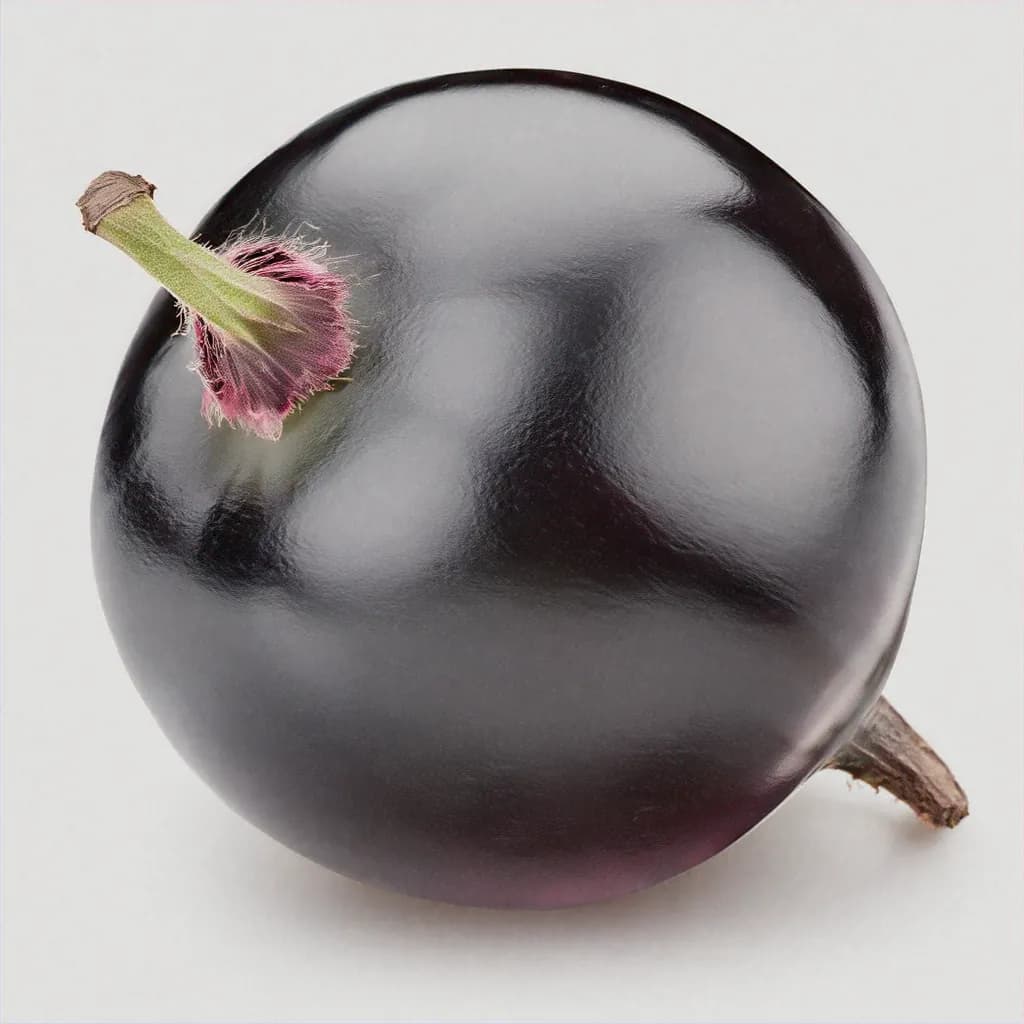
Ribes nigrum
Blackcurrants are nutrient-dense berries with distinctive tart flavor and deep purple-black color. Exceptional source of vitamin C (177% DV) supporting immune function and antioxidant defense. Rich in anthocyanins and polyphenols providing powerful antioxidant protection and anti-inflammatory benefits. High in fiber (7.4g) supporting digestive health and gut microbiome. Low calorie (63 per 100g) with low glycemic index supporting blood sugar management. Native to Eurasia, blackcurrants thrive in temperate climates offering exceptional superfruit benefits with concentrated phytonutrient profile.
Explore Blackcurrant in stunning detail
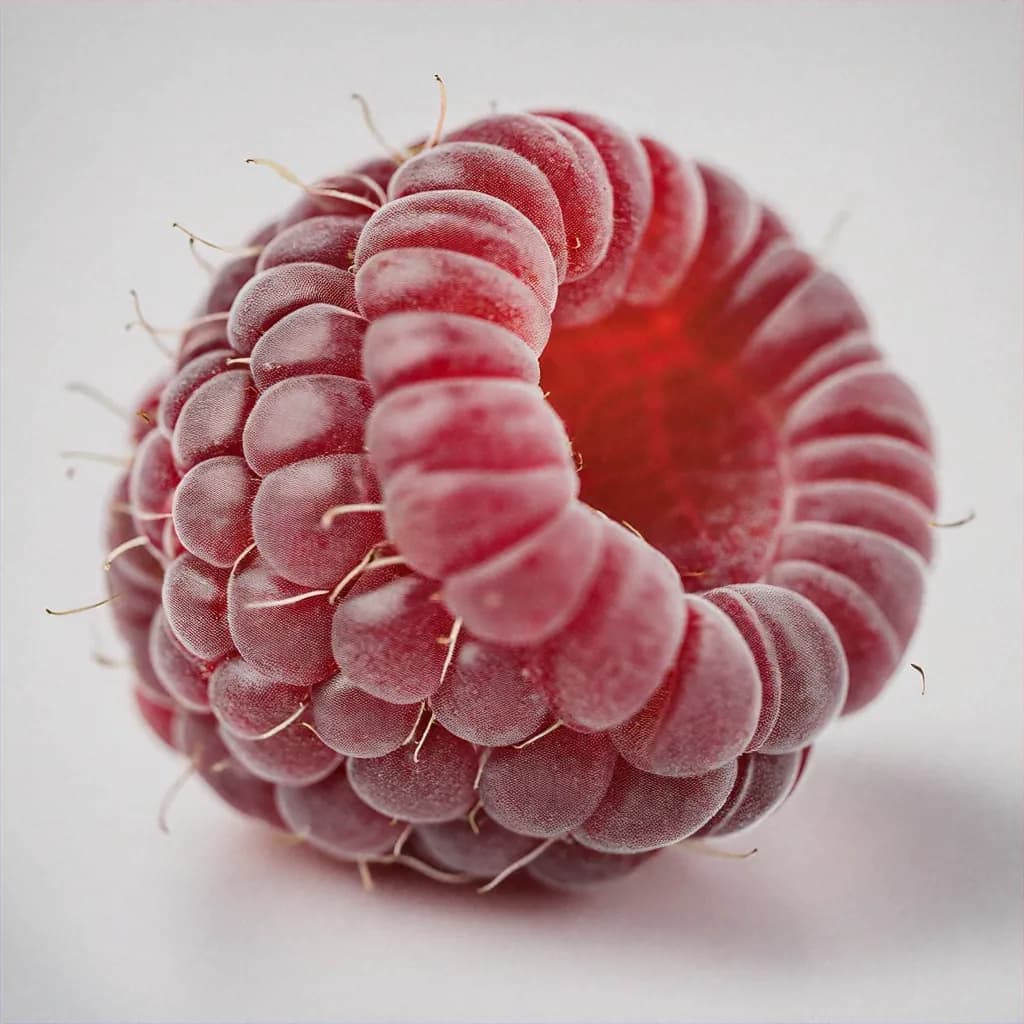
Blackcurrant - Main View
Per 100g
Per 100g
Nutrition breakdown for one serving
Northern and central Europe, Siberia, temperate zones
Blackcurrants native to Eurasia with cultivation dating back centuries in temperate regions. European cultivation expanding through medieval and Renaissance periods. British cultivation establishing blackcurrants as native crop. New Zealand adoption developing significant production. North American cultivation recent with expanding commercial interest. Modern cultivation establishing blackcurrants as major superfruit with growing global recognition.
Peak season July-August in Northern Hemisphere
Each variety offers unique flavors, textures, and culinary applications
Keep your fruit fresh and delicious for longer
Select blackcurrants with deep purple-black color indicating ripeness
Choose firm berries without bruising or soft spots
Look for plump, uniform size indicating quality
Avoid moldy or discolored berries
Fresh fruity aroma indicates optimal ripeness
Purchase during peak season July-September for best flavor
Source from farmers markets or specialty berry suppliers
Refrigerate in sealed container 7-10 days
Keep in coldest section of refrigerator
Do not wash until ready to eat preventing moisture
Separate from strong-smelling foods
Can be frozen for 12 months maintaining quality
Freeze on tray before bagging preventing clumping
Preserve freshness for months
Blackcurrants freeze exceptionally well
Maintain nutritional value and flavor when frozen properly
Use airtight containers or freezer bags
No thawing required for cooking or smoothies
Frozen berries keep 12 months
Perfect for winter juices and baking applications
Label frozen items with the date to track freshness. Most fruits maintain quality for 2-3 months when properly frozen. For best results, use airtight containers or freezer bags to prevent freezer burn.
Discover delicious possibilities
Blackcurrant allergies extremely rare with minimal documented cases. Berry allergies uncommon in general population. Allergic reactions very uncommon. Generally safe for most individuals. Those with severe berry allergies should consult allergist. Unlikely cross-reactivity with other berries.
Blackcurrants cultivated with varying pesticide practices. Organic blackcurrants available from certified producers. Conventional berries acceptable with normal washing. European suppliers often emphasizing sustainable practices. Cold-hardy nature sometimes reducing pest pressure.
Surprising trivia you'll love!
Blackcurrants native to temperate Europe and Siberia with cultivation dating back centuries in northern regions
Vitamin C content (177% DV) among highest of all berries exceeding most citrus fruits significantly
Vitamin K content (24% DV) supports bone health rivaling kale and other cruciferous vegetables
Blackcurrants were banned in United States for 70 years to protect white pine trees now cultivation resumed
Ben Nevis Scottish variety named after Britain's highest mountain produces exceptional flavor
Anthocyanin concentration in blackcurrants exceeds blueberries making them exceptional superfruit
Traditional British blackcurrant cordial provides concentrated nutrition and shelf-stable preservation
Blackcurrant very low glycemic index (15) makes berries ideal for diabetic and blood sugar management diets
Blackcurrants can be frozen for 12 months maintaining nutritional value and flavor quality
New Zealand became major commercial producer with emerging market significance for global superfruit supply
Blackcurrants exceptional immune support superfruits with remarkable vitamin C concentration providing unmatched antioxidant defense. VITAMIN C CONTENT: Vitamin C 177% DV exceptional among berries. Ranked among highest vitamin C fruits globally. Concentrated nutrient density. Exceptional immune support capacity. Daily requirement exceeding from single serving. IMMUNE SYSTEM SUPPORT: Vitamin C essential for white blood cell function. Immune cell production and activation. Antigen destruction support. Infection resistance enhancement. Vaccination response optimization. ANTIOXIDANT DEFENSE: Vitamin C neutralizes free radicals protecting cells. Oxidative stress reduction. Cellular damage prevention. Disease prevention support. Aging support. ANTHOCYANIN SYNERGY: Anthocyanins complementing vitamin C antioxidant effect. Combined antioxidant capacity exceptional. Multiple protective mechanisms. Synergistic nutrient interaction. Enhanced bioavailability. POLYPHENOL PROFILE: Flavonoids complementing vitamins. Phenolic acids supporting benefits. Comprehensive antioxidant system. Multiple protective pathways. Superior antioxidant capacity. INFLAMMATION REDUCTION: Chronic inflammation linked to disease. Blackcurrant polyphenols reduce systemic inflammation. Anti-inflammatory benefits established. Long-term disease prevention. Natural remedy approach. CARDIOVASCULAR PROTECTION: Anthocyanins support arterial health. Oxidative stress reduction. Endothelial function improvement. Cholesterol oxidation prevention. Blood pressure regulation support. BRAIN HEALTH: Anthocyanins support cognitive function. Neurodegenerative disease risk reduction. Memory and focus support. Neuroprotective properties established. Healthy aging support. CANCER PREVENTION: Polyphenols reduce cancer cell growth. Natural detoxification support. Carcinogen activation prevention. Preventive nutrition approach. Ongoing research demonstrating benefits. COLD AND FLU PREVENTION: Regular consumption reducing infection rates. Immune system strengthening. Duration reduction when illness occurs. Natural immune support. ABSORPTION OPTIMIZATION: Fresh berries maximizing absorption. Refrigerated storage maintaining quality. Frozen preservation retaining vitamin C. Processing affecting bioavailability. Whole berry consumption optimal. DAILY CONSUMPTION: 125g (1 cup) providing 221% vitamin C requirement. Regular consumption building immune protection. Seasonal availability optimizing intake. Frozen year-round options. Consistent nutrient intake. COMPARISON TO OTHER BERRIES: Blackcurrants exceed most berries significantly. Superior to blueberries and raspberries. Exceptional vitamin C concentration. Unique polyphenol profile. Exceptional superfruit status. BOTTOM LINE: Blackcurrants exceptional immune support superfruits with exceptional 177% DV vitamin C, concentrated anthocyanins, polyphenols, and flavonoids providing powerful antioxidant defense, disease prevention, cardiovascular support, brain health, and exceptional immune strengthening through daily consumption of fresh, frozen, or processed preparations.
Blackcurrants versatile culinary ingredient with diverse recipe applications from fresh eating to gourmet desserts. FRESH EATING: Blackcurrants excellent straight from harvest. Tart-sweet flavor perfect for snacking. No preparation required. Portable nutrient-dense food. Summer picking tradition. SMOOTHIES: Blend with yogurt and honey. Combine with other berries. Add protein powder. Create smoothie bowls. Frozen blackcurrants ideal for thickness. JAM AND PRESERVE: Traditional preservation method. Pectin-rich requiring minimal additive. Honey pairing complementary. Spread on toast. Yogurt topping application. CORDIAL PRODUCTION: Traditional British cordial making. Concentrated juice preservation. Shelf-stable preparation. Mixed with water for beverage. Cocktail ingredient. DESSERTS AND BAKING: Blackcurrant pie classic dessert. Cheesecake topping elegant. Muffins and quick breads. Cake layer enhancement. Cookie additions. SAUCE PREPARATION: Fresh blackcurrant sauce simple. Simmer with honey sweetening. Drizzle over desserts. Pancake topping. Ice cream sauce. SALAD INCORPORATION: Fresh salad garnish. Bitter greens pairing. Spinach salad enhancement. Walnut combination. Cheese pairing. YOGURT AND DAIRY: Yogurt topping. Ice cream ingredient. Frozen yogurt. Smoothie base. Cream cheese desserts. COMPOTE PREPARATION: Honey blackcurrant compote. Gentle cooking preserving flavor. Serve over pancakes. Warm dessert topping. Preserves alternative. LIQUEUR AND CORDIAL: Blackcurrant liqueur production. Fermentation potential. Cordial concentrate creation. Cocktail ingredient. Special occasion beverage. PORRIDGE TOPPING: Oatmeal enhancement. Cream of rice. Breakfast preparation. Sweetness without sugar. Nutritional boost. TART APPLICATIONS: Blackcurrant tart elegant presentation. Pastry shell filling. Glaze topping. Restaurant-quality dessert. Special occasion preparation. CHOCOLATE PAIRING: Blackcurrant chocolate dessert. Chocolate sauce combination. Chocolate cake topping. Decadent preparation. Flavor contrast. BASIC JAM RECIPE: Blackcurrants 2 pounds, honey 1.5 pounds, lemon juice 1 tablespoon, simmer 30-40 minutes until set, jar and refrigerate. BASIC CORDIAL RECIPE: Blackcurrants 3 pounds, sugar 2 pounds, water 2 cups, simmer 10 minutes, strain and bottle, mix with water for serving. STORAGE: Jams lasting 1-2 years refrigerated. Cordials lasting 6-12 months. Frozen preparations lasting 12 months. Sauces lasting 2-3 weeks refrigerated. BOTTOM LINE: Blackcurrants versatile culinary ingredient with fresh eating, smoothies, jam making, cordial production, baking applications, sauce preparations, salad toppings, yogurt additions, liqueur production, and chocolate pairings supporting diverse recipes from simple snacking to elegant desserts.
Blackcurrants safe and exceptionally nutritious for children supporting immune development, bone health, and antioxidant protection. NUTRITIONAL BENEFITS: Vitamin C (177% DV) exceptional support for immune system development. Vitamin K (24% DV) supporting bone health and development. Fiber (7.4g) supports digestive health and regular bowel function. Low calorie (63 per 100g) supporting healthy growth. Polyphenols provide neuroprotective benefits. Multiple micronutrients supporting development. LOW ALLERGEN: Berry allergies uncommon in children. Blackcurrant allergies extremely rare. Generally well-tolerated when introduced. Severe allergic reactions very rare. Safe introduction for most children. INTRODUCTION GUIDELINES: Introduce gradually starting with small quantities. Begin with small amount observing reactions. Increase quantity as child demonstrates tolerance. Watch for any unusual reactions initially. Supervise first consumptions. PREPARATION FOR CHILDREN: Soft texture easy for young children. No choking hazard unlike seeds. Simple consumption requiring no preparation. Age-appropriate for all children. Enjoyable tart-sweet flavor. FLAVOR APPEAL: Tart-sweet flavor introducing diverse tastes. Fresh brightness appealing to children. Unique berry experience. Novel fruit supporting nutritional variety. Flavor development supporting palate. PORTION SIZES: Young children - 1/4 cup (30g) daily. Older children - 1/2 to 1 cup (60-125g) daily. Include with balanced diet. Supplement with water consumption. BONE DEVELOPMENT: Vitamin K supporting bone development critical. Mineral matrix formation support. Growth and development foundation. Long-term bone health. Childhood foundation building. IMMUNE DEVELOPMENT: Vitamin C strengthens developing immune response. Anthocyanins support immune function. Polyphenols protect immune cells. Disease prevention supported. Natural immunity building. BRAIN DEVELOPMENT: Anthocyanins support cognitive development. Polyphenols support neuroprotection. Micronutrients supporting learning. Developmental nutrition. Brain health foundation. DIGESTIVE HEALTH: High fiber supporting healthy digestion. Prebiotic properties supporting beneficial bacteria. Natural sweetness avoiding refined sugar. Gut health development. Regular bowel function. PRACTICAL TIPS: Introduce as favorite berry. Involve children in picking and preparation. Use as learning tool about nutrition. Pack in lunch boxes - portable snack. Make jam together engaging children. TEXTURE APPEAL: Soft texture appealing to children. Easy consumption. Non-threatening preparation. Interactive eating. Fun factor encouraging consumption. BOTTOM LINE: Blackcurrants safe and exceptionally nutritious for children supporting immune development, bone health, brain function, digestive wellness, and growth through exceptional vitamin C (177% DV), vitamin K (24% DV), high fiber (7.4g), anthocyanins, and polyphenols with soft texture and tart-sweet appeal encouraging healthy eating and nutritional variety exploration.
Blackcurrants exceptional cultural significance reflecting European heritage and emerging superfruit recognition globally. EUROPEAN ORIGINS: Blackcurrants native to northern and central Europe. Eurasia indigenous distribution spanning temperate zones. Traditional knowledge spanning centuries. Cultural integration in regional cuisines. Historical significance. BRITISH HERITAGE: British cultivation establishing blackcurrants as native crop. Tea time and dessert tradition. Cultural food significance. Royal household cultivation. National pride berry. BRITISH JAM TRADITION: Blackcurrant jam iconic British preserve. Traditional preparation methods. Breakfast staple. Afternoon tea accompaniment. Cultural food tradition. SCOTTISH SIGNIFICANCE: Scotland producing exceptional blackcurrants. Ben Nevis variety named after mountain. Regional agricultural pride. Quality reputation. EUROPEAN CULTIVATION: French production tradition. Russian cultivation development. Polish major producer status. German cultivation history. European agricultural heritage. MEDIEVAL SIGNIFICANCE: Medieval herbal medicine use. Traditional health remedy. Medicinal applications documented. Apothecary ingredient. Historical medical use. CORDIAL TRADITION: British cordial production traditional. Concentrated juice preservation. Shelf-stable preparation method. Popular beverage foundation. Summer drink tradition. MODERN SUPERFRUIT STATUS: Global superfruit market recognition. Health-conscious consumer adoption. Nutrition-focused marketing. Media attention increasing. Celebrity endorsement potential. RESEARCH VALIDATION: Scientific studies validating benefits. Vitamin C concentration documented. Antioxidant capacity measured. Health benefit evidence. Credible superfruit status. CULINARY INNOVATION: Modern chefs discovering applications. Fine dining incorporation. Contemporary recipes. Gourmet preparations. Restaurant features. NEW ZEALAND EXPANSION: New Zealand commercial production. Southern Hemisphere cultivation. Quality standards. Export market development. Global supply chain. NORTH AMERICAN INTEREST: Canadian cultivation expanding. Northern US growing regions. Commercial development beginning. Market potential significant. WELLNESS TRENDS: Superfruit category expansion. Antioxidant focus popularity. Brain health emphasis. Disease prevention interest. Emerging market growth. SUSTAINABLE CULTIVATION: Northern region cultivation enabling local production. Organic farming methods. Traditional knowledge integration. Environmental stewardship. CULINARY LITERATURE: Historical cookbooks featuring recipes. Medieval documentation. Renaissance culinary texts. Modern gastronomic literature. BOTTOM LINE: Blackcurrants exceptional cultural significance throughout European history from medieval medicinal use through British jam traditions, Scottish regional pride, European cultivation heritage, British afternoon tea culture, modern superfruit recognition, research validation, culinary innovation adoption, and emerging global wellness trends supporting market development while maintaining traditional cultural heritage and supporting sustainable temperate region agriculture.
Sustainability insights
Blackcurrant cultivation represents temperate berry production practice with environmental advantages. Benefits include temperate region cultivation enabling local production, perennial plant providing long-term production, natural pest resistance reducing pesticide use, and agroforestry integration potential. Challenges include pesticide use in conventional cultivation and processing facility needs. Sustainable practices include organic farming, integrated pest management, and traditional cultivation methods supporting regional agriculture.
Blackcurrant carbon footprint low compared to berries requiring long-distance shipping. Temperate region cultivation enables local production in northern regions reducing transportation. Minimal processing required for fresh consumption. Frozen preservation adding minimal emissions. Organic cultivation reducing overall environmental footprint. Cordial and juice production concentrating product reducing shipping weight per nutrient.
Blackcurrant cultivation requires moderate water with temperate rainfall providing primary source. Established bushes needing minimal supplemental irrigation. Hardy root systems accessing soil moisture efficiently. Sustainable water practices managing usage. Reasonable requirements for northern regions. Drought adaptation possible with proper cultivation.
Supporting temperate region blackcurrant producers maximizes environmental benefit. European and northern region cultivation reducing transportation. Organic and sustainable farming preferred. Seasonal purchasing when available July-September. Local processing reducing carbon footprint. Supporting emerging agricultural markets. BEST PRACTICES: Choose locally-grown blackcurrants, support organic producers, source from sustainable suppliers, purchase seasonally when available, minimize processing and packaging.
We aim to keep this Blackcurrant profile accurate and easy to understand. Nutrition values and % Daily Value figures are based on established reference databases and standard daily value guidance.
Last updated: September 4, 2026
Medical disclaimer
This page is for general educational purposes and does not replace professional medical advice.
Found an issue? Contact us.