Loading Fruit Details...
Please wait while we fetch nutritional information and health benefits
Please wait while we fetch nutritional information and health benefits
Recommended Products
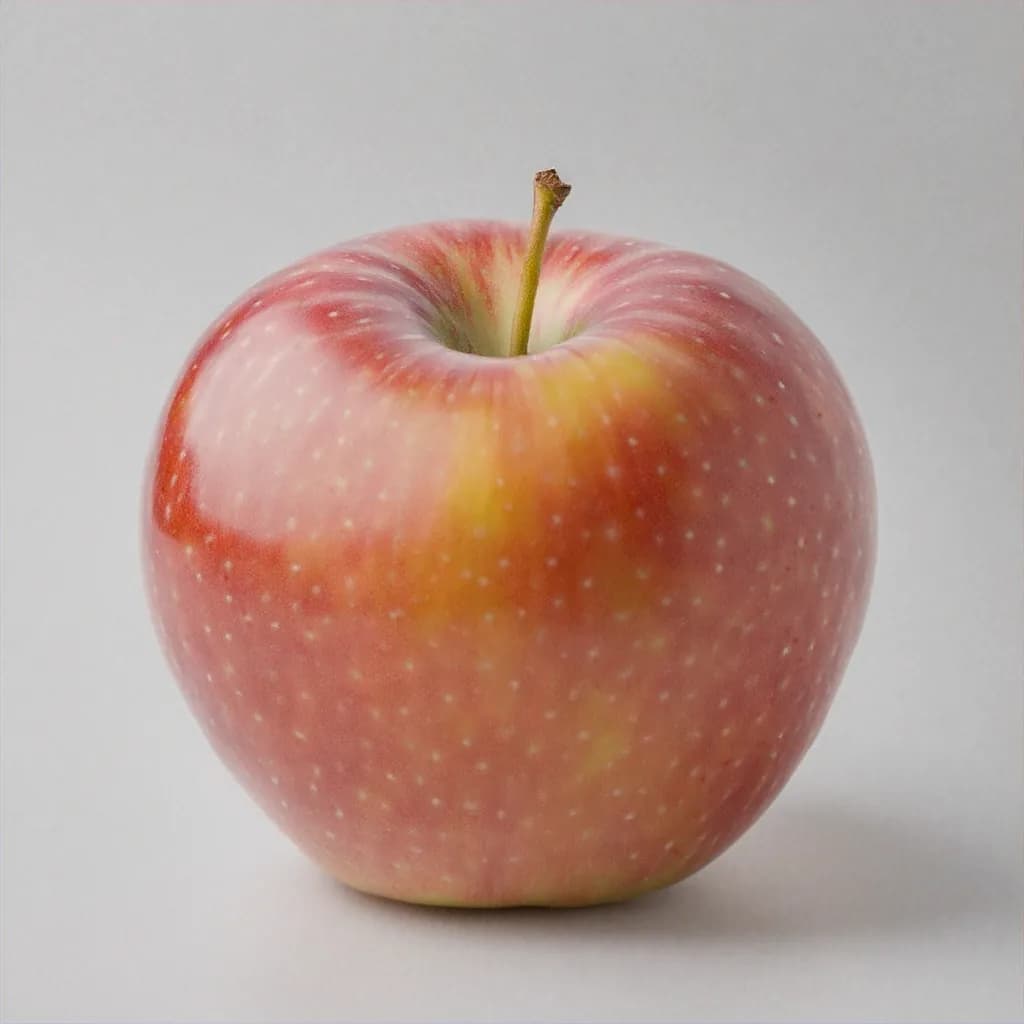
Syzygium malaccense
Otaheite apple is a distinctive tropical fruit with striking appearance and exceptional hydration properties. Rich in vitamin C (29% DV) and water content, Otaheite apple supports immune health, cellular wellness, and comprehensive antioxidant protection. At just 25 calories per 100g with excellent nutrient density and traditional Asian medicinal properties, Otaheite apples are celebrated in Asian cuisines and increasingly valued globally. Perfect for fresh eating, traditional preparations, juices, culinary applications, and comprehensive hydration wellness.
Explore Otaheite Apple in stunning detail
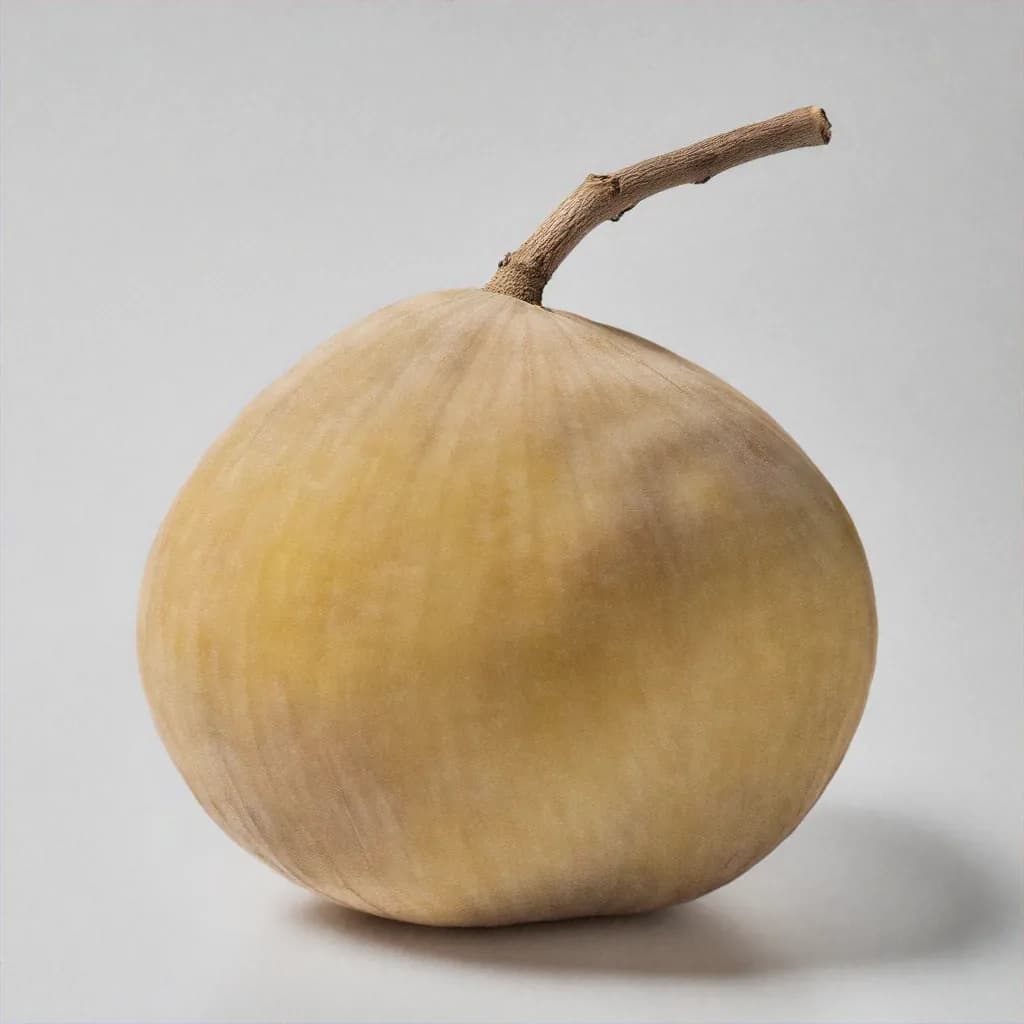
Otaheite Apple - Main View
Per 100g
Per 100g
Nutrition breakdown for one serving
Southeast Asia
Otaheite apple has been cultivated for centuries throughout Southeast Asia and the South Pacific, deeply embedded in traditional cuisines and folk medicine systems. Named for its cultivation in Tahiti and other Polynesian islands, Otaheite apple represents the rich botanical heritage of tropical regions. Modern science increasingly validates traditional Asian knowledge about its health benefits and hydration properties.
Peak season May-August
Each variety offers unique flavors, textures, and culinary applications
Keep your fruit fresh and delicious for longer
Select bright red or pink Otaheite apples with glossy skin indicating ripeness
Gently squeeze to test for firmness; select fruits with slight give, avoiding hard or soft extremes
Choose fruits with smooth skin free from bruises or dark spots
Ripe Otaheite apples should emit pleasant, mild fragrance
Look for consistent color with no green patches remaining
Store fresh Otaheite apples at room temperature for 2-3 days until fully ripe
Refrigerate ripe fruits in produce drawer for up to 1 week
Freeze apple slices or puree in ice cube trays for up to 6 months
Dried apple slices store for 1+ years in airtight containers in cool, dry conditions
Fresh apple juice stores refrigerated for 2-3 days
Freeze whole fruits or slices for convenient long-term storage
Preserve freshness for months
Wash and dry Otaheite apples thoroughly before freezing
Slice into rings or chunks and freeze on parchment-lined trays for 2-3 hours
Transfer to freezer bags for long-term storage
Frozen apple maintains nutritional integrity and water content for 6-8 months
Thaw in refrigerator before use in smoothies, salads, or cooked preparations
Use frozen apple directly in smoothies without thawing
Label frozen items with the date to track freshness. Most fruits maintain quality for 2-3 months when properly frozen. For best results, use airtight containers or freezer bags to prevent freezer burn.
Discover delicious possibilities
Otaheite apple allergies are rare. Some individuals may have sensitivity to tropical fruits or specific plant families.
Otaheite apples from certified growers are typically pesticide-free. Purchase from reputable Southeast Asian sources specializing in traditional fruit cultivation and organic practices.
Surprising trivia you'll love!
Otaheite apple is also known as rose apple due to its distinctive rose-like appearance and delicate aroma
The fruit's exceptional vitamin C content (29% DV) makes it valuable for immune support in tropical climates
The name 'Otaheite' comes from Tahiti, where the fruit became widely cultivated and culturally significant
Otaheite apple has been cultivated for centuries throughout Southeast Asia and the South Pacific
The fruit's 90.8% water content makes it exceptionally refreshing and hydrating in hot tropical climates
Traditional Southeast Asian medicine uses Otaheite apple for digestive support and overall wellness
The fruit is sometimes called 'jambu merah' in Indonesian, reflecting its cultural significance
Modern hydration research increasingly validates traditional uses of Otaheite apple for optimal cellular wellness
The fruit's ultra-low calorie density (25 cal/100g) makes it ideal for weight management
Otaheite apple trees are increasingly cultivated in tropical regions globally for their fruit quality and ornamental value
Otaheite apple (Syzygium malaccense), also called rose apple, is a tropical fruit native to Southeast Asia. Named for its cultivation in Tahiti and Polynesian islands, Otaheite apple is celebrated for its striking appearance, refreshing hydration properties, and traditional medicinal uses across Asian cultures.
Otaheite apple delivers vitamin C (29% DV per 100g) for immune support, exceptional water content (90.8%) for hydration, excellent fiber (8% DV) for digestive wellness, and manganese (7% DV) for metabolic health. At only 25 calories per 100g with ultra-low glycemic impact (GI 35, Load 2).
Yes, Otaheite apple is exceptional for hydration with 90.8% water content combined with electrolyte minerals like potassium (5% DV) and magnesium (2% DV). This makes Otaheite apple ideal for natural hydration, cellular wellness, and recovery support.
Otaheite apple has a mild, slightly tart flavor with crisp, crunchy texture. The taste varies by variety: Malaysian varieties are more balanced sweet-tart, Polynesian varieties are sweeter, and Thai varieties have complex, nuanced profiles.
Otaheite apple has an exceptionally low glycemic index of 35 and glycemic load of just 2 per 100g serving. Combined with excellent fiber content (8% DV), this makes Otaheite apple ideal for blood sugar management, sustained energy, and weight management.
Fresh Otaheite apples are available at Asian markets, tropical fruit shops, and specialty grocers (May-August peak season). Year-round options include frozen apple, dried apple slices, and juices from tropical fruit retailers, health food stores, and online specialty vendors.
Otaheite apple is deeply embedded in Southeast Asian culinary traditions and folk medicine systems. Traditionally used in fresh preparations, traditional beverages, medicinal tonics, and wellness applications. Modern research validates traditional Asian uses in hydration support and comprehensive health.
Eat fresh Otaheite apples raw by cutting into rings or slices and removing the center seed. The entire flesh is edible and crisp. Blend into juices, add to salads, or use in beverages. The mild flavor pairs beautifully with mint, lime, ginger, and tropical ingredients.
Sustainability insights
Otaheite apple cultivation supports Southeast Asian agricultural traditions and tropical forest ecosystem preservation. Support sustainably cultivated apples from certified growers honoring traditional farming practices and biodiversity.
Locally harvested Otaheite apple in Southeast Asian regions has minimal carbon footprint. Choose locally sourced fruits from Southeast Asia over distant imports to reduce transportation impact while supporting regional farmers.
Otaheite apple cultivation requires moderate water suitable to tropical climates. Support rain-fed or sustainably irrigated cultivation over water-intensive alternatives.
Purchase from Southeast Asian producers to support traditional livelihoods, maintain cultural food practices, preserve agricultural knowledge, and minimize global carbon footprint.
We aim to keep this Otaheite Apple profile accurate and easy to understand. Nutrition values and % Daily Value figures are based on established reference databases and standard daily value guidance.
Last updated: September 20, 2026
Medical disclaimer
This page is for general educational purposes and does not replace professional medical advice.
Found an issue? Contact us.