Akebia
Akebia quinata
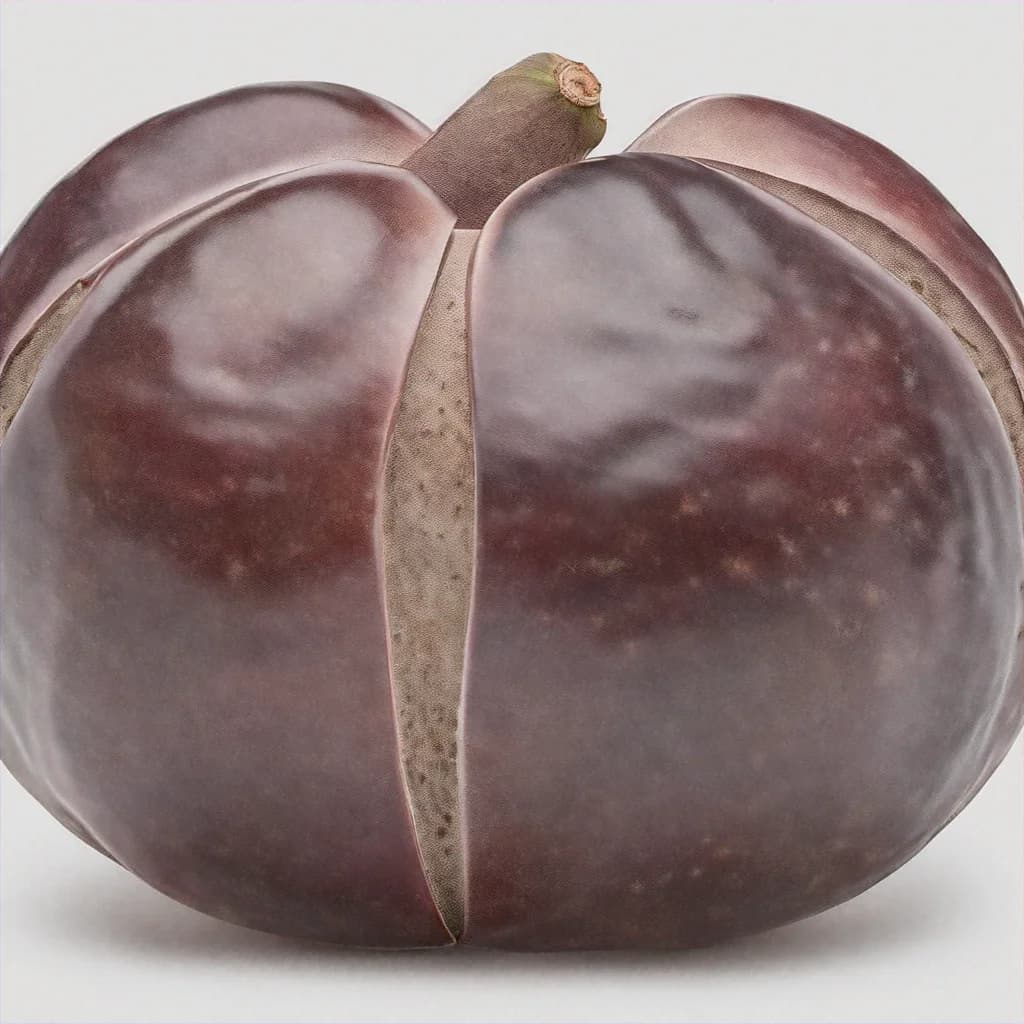
Akebia, also known as the chocolate vine, is a fascinating and less-known fruit native to East Asia. Its vibrant purple-brown, sausage-shaped fruit is not only visually striking but also offers a unique culinary experience. The flesh inside is white, soft, and mildly sweet with a subtle hint of vanilla, providing a refreshing and slightly crunchy texture. Akebia is celebrated for its nutritional profile, packed with vitamins, minerals, and antioxidants. The fruit is often enjoyed raw or incorporated into desserts, beverages, and even savory dishes. Its versatility and distinct flavor make it a hidden gem in the world of exotic fruits.
Akebia Galeria de fotos
Explore Akebia em detalhes
Akebia - Vista principal
Akebia Informações nutricionais
💊Vitaminas
Por 100 g
⚡Minerais
Por 100 g
Por porção
Detalhamento nutricional por porção
Benefícios para a saúde de Akebia
Akebia Origem e distribuição
East Asia
Akebia has been cultivated in East Asia for centuries, valued for its edible fruit and ornamental qualities. It has gained popularity in Western countries in recent years due to its unique flavor and nutritional benefits.
Akebia Melhor época
Spring to early summer
Akebia Variedades
Cada variedade oferece sabores, texturas e usos culinários únicos
Akebia quinata
Akebia Guia de armazenamento e seleção
Mantenha a fruta fresca por mais tempo
Como escolher a fruta perfeita
Select Akebia fruits that are firm and free of blemishes.
Look for a vibrant purple-brown color, indicating ripeness.
Métodos de armazenamento
Store Akebia in a cool, dry place away from direct sunlight.
Refrigerate for extended freshness.
Guia de validade
Instruções para congelar
Preserve a frescura por meses
Akebia can be frozen whole or sliced.
Freeze in an airtight container to maintain freshness.
Dica
Identifique itens congelados com a data para acompanhar a frescura. A maioria das frutas mantém a qualidade por 2-3 meses quando congelada corretamente. Para melhores resultados, use recipientes herméticos ou sacos próprios para congelador para evitar queimadura de freezer.
Jornada culinária
Descubra possibilidades deliciosas
Usos comuns
Combinações perfeitas
Receitas populares
Bebidas refrescantes
Informações de segurança
While rare, individuals with allergies to related fruits should be cautious when trying Akebia for the first time.
Akebia is generally low in pesticide residues, but it is always a good practice to wash the fruit thoroughly before consumption.
- • Individuals with known allergies to related fruits.
- • Those with severe digestive issues.
- •Possible allergic reactions in sensitive individuals.
- • Wash Akebia thoroughly before eating.
- • Ensure proper storage to maintain freshness.
Curiosidades sobre Akebia
Fatos surpreendentes que você vai amar!
Akebia is also known as the 'chocolate vine' due to the resemblance of its flowers to chocolate.
The fruit is often used in traditional Asian medicine for its health benefits.
Perguntas frequentes
What does Akebia taste like?
GeneralAkebia has a mildly sweet flavor with a hint of vanilla and a slightly crunchy texture.
How do I know if Akebia is ripe?
BuyingA ripe Akebia will have a vibrant purple-brown color and feel firm to the touch.
Can Akebia be frozen?
StorageYes, Akebia can be frozen whole or sliced to preserve its freshness.
What are some culinary uses for Akebia?
CulinaryAkebia can be eaten raw, added to fruit salads, or used in desserts like tarts and sorbets.
Is Akebia high in sugar?
NutritionAkebia has a moderate sugar content of 8g per 100g, making it a balanced choice for those watching their sugar intake.
Are there any health concerns with eating Akebia?
HealthAkebia is generally safe for consumption, but individuals with allergies to related fruits should exercise caution.
Can Akebia be used in beverages?
MiscellaneousYes, Akebia can be used to make juice, infused water, or smoothies for a refreshing drink.