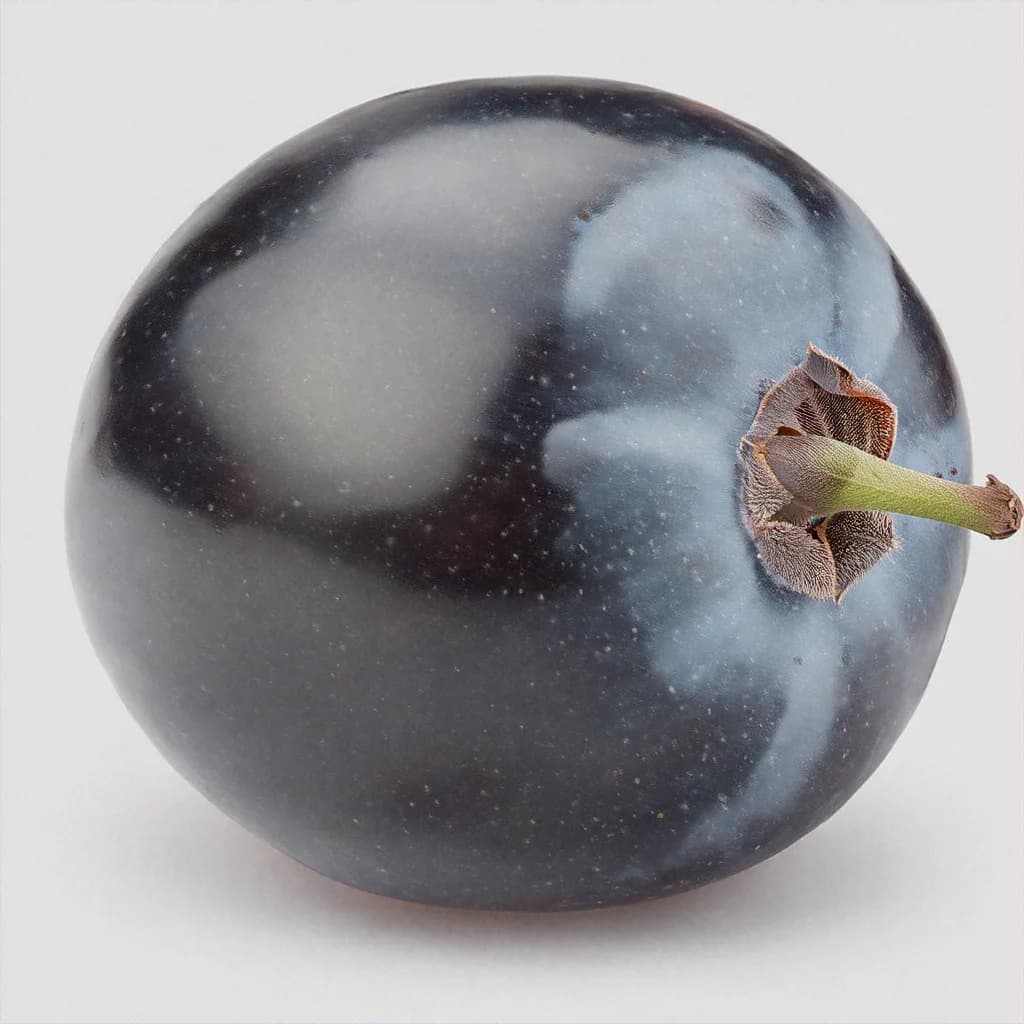
Sloe
Prunus spinosa
The sloe, scientifically known as Prunus spinosa, is a small, tart fruit native to Europe, western Asia, and northwest Africa. Often overlooked in favor of its more popular relatives like plums and cherries, the sloe is a hidden gem in the culinary and nutritional world. Its deep blue-purple hue and astringent flavor make it a favorite for creating sloe gin, jams, and preserves. Rich in antioxidants, vitamins, and minerals, sloes offer a range of health benefits, from boosting immunity to aiding digestion. The fruit grows on thorny shrubs, making it a resilient and adaptable plant that thrives in varied environments.
Sloe Galeria de fotos
Explore Sloe em detalhes
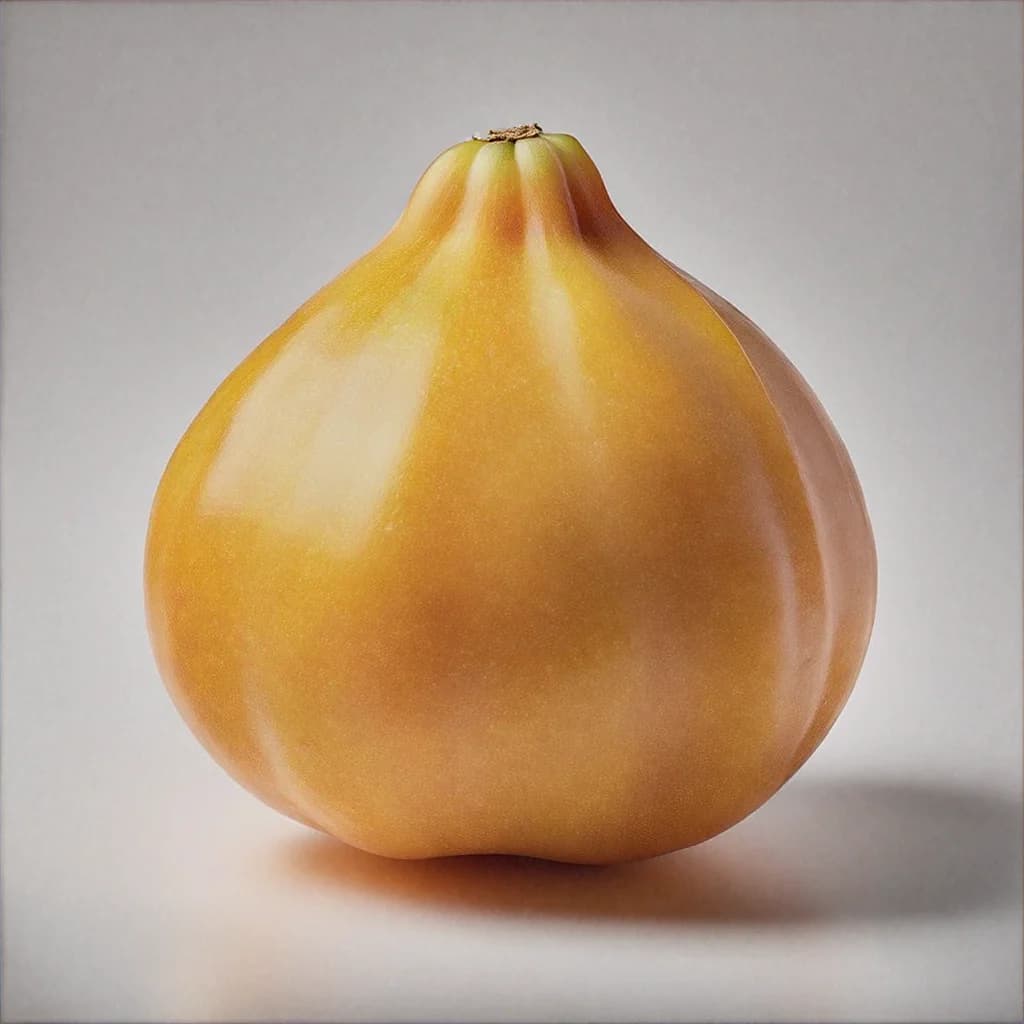
Sloe - Vista principal
Sloe Informações nutricionais
💊Vitaminas
Por 100 g
⚡Minerais
Por 100 g
Por porção
Detalhamento nutricional por porção
Benefícios para a saúde de Sloe
Sloe Origem e distribuição
Europe, western Asia, and northwest Africa
Sloes have been used for centuries in traditional European medicine and cuisine. They were often used to make jams, preserves, and the popular sloe gin, a liqueur infused with the fruit.
Sloe Melhor época
Late summer to early autumn
Sloe Variedades
Cada variedade oferece sabores, texturas e usos culinários únicos
Wild Sloe
Sloe Guia de armazenamento e seleção
Mantenha a fruta fresca por mais tempo
Como escolher a fruta perfeita
Select sloes that are firm, plump, and free of blemishes.
Look for a deep blue-purple color, which indicates ripeness.
Métodos de armazenamento
Store sloes in a cool, dry place away from sunlight.
Refrigerate for longer shelf life.
Guia de validade
Instruções para congelar
Preserve a frescura por meses
Freeze sloes whole in an airtight container for up to 6 months.
Use frozen sloes in smoothies, jams, or baking.
Dica
Identifique itens congelados com a data para acompanhar a frescura. A maioria das frutas mantém a qualidade por 2-3 meses quando congelada corretamente. Para melhores resultados, use recipientes herméticos ou sacos próprios para congelador para evitar queimadura de freezer.
Jornada culinária
Descubra possibilidades deliciosas
Usos comuns
Combinações perfeitas
Receitas populares
Bebidas refrescantes
Informações de segurança
Sloes are generally safe for consumption, but individuals with tree nut allergies should exercise caution.
Sloes are often wild-harvested, reducing pesticide exposure, but commercially grown sloes may contain residues.
- • Individuals with tree nut allergies
- • People on blood-thinning medications
- •Potential allergic reactions
- •Interactions with blood-thinning medications
- • Wash sloes thoroughly before use.
- • Remove any stems or debris.
Curiosidades sobre Sloe
Fatos surpreendentes que você vai amar!
Sloes are a key ingredient in the traditional British liqueur, sloe gin.
The sloe plant is also known as the blackthorn due to its dark bark and thorny branches.
Perguntas frequentes
What is sloe?
GeneralSloe is a small, tart fruit from the Prunus spinosa plant, commonly used in jams, preserves, and sloe gin.
How do I choose ripe sloes?
BuyingLook for sloes that are deep blue-purple, firm, and free of blemishes.
How long can I store sloes?
StorageSloes can be stored for up to 1 week at room temperature or up to 2 weeks in the refrigerator.
What are some popular culinary uses of sloes?
CulinarySloes are commonly used to make sloe gin, jams, preserves, and baked goods like pies and tarts.
Are sloes nutritious?
NutritionYes, sloes are rich in antioxidants, vitamin C, fiber, and potassium, offering numerous health benefits.
Can sloes interact with medications?
HealthSloes may interact with blood-thinning medications due to their vitamin K content. Consult a healthcare provider if you are on medication.
Can I freeze sloes?
MiscellaneousYes, sloes can be frozen whole in an airtight container for up to 6 months.