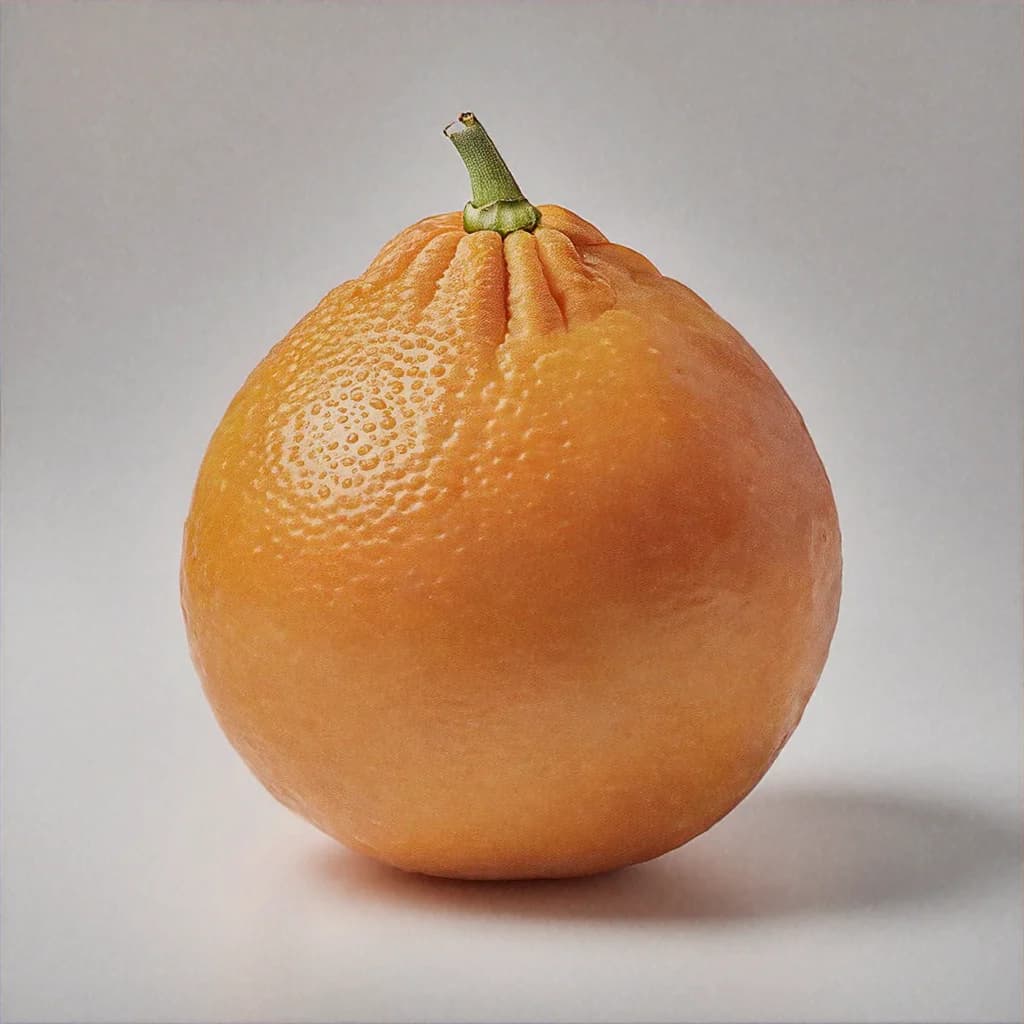
Terap
Artocarpus elasticus
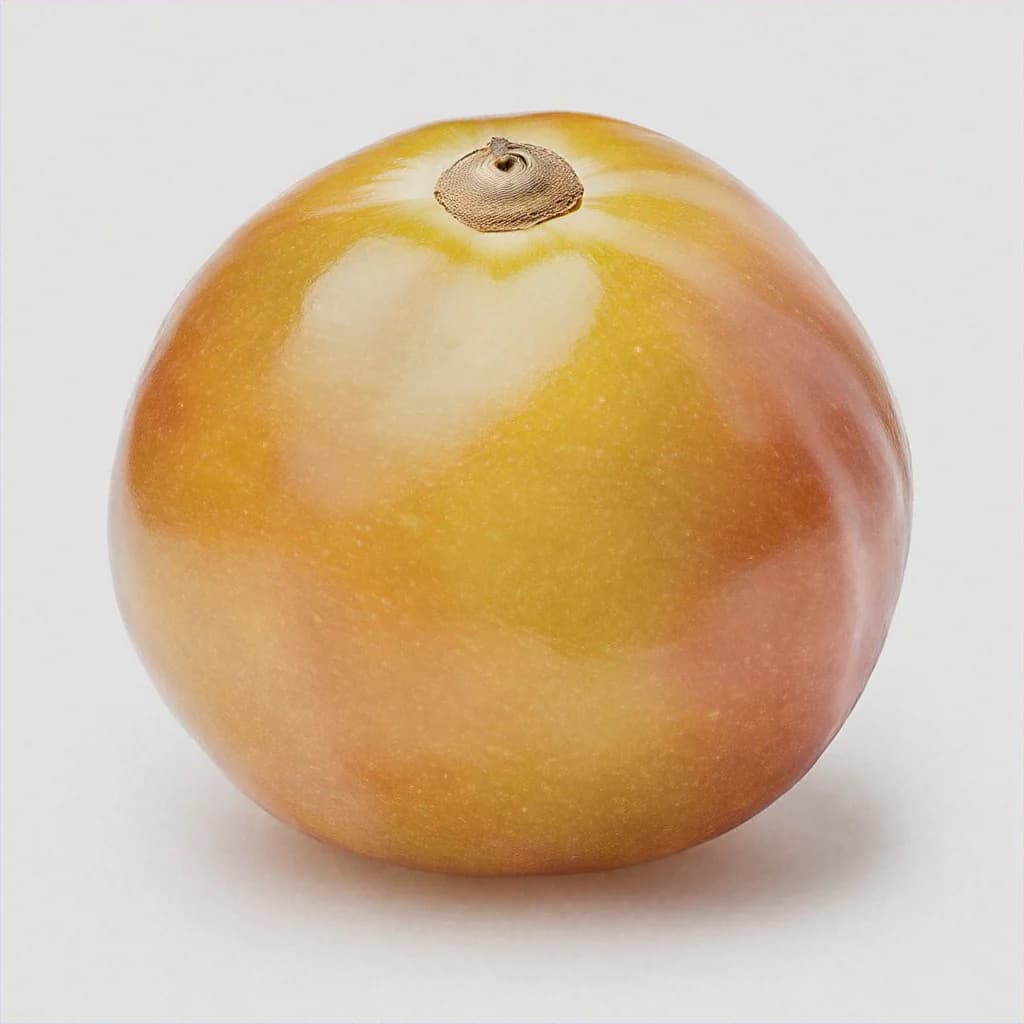
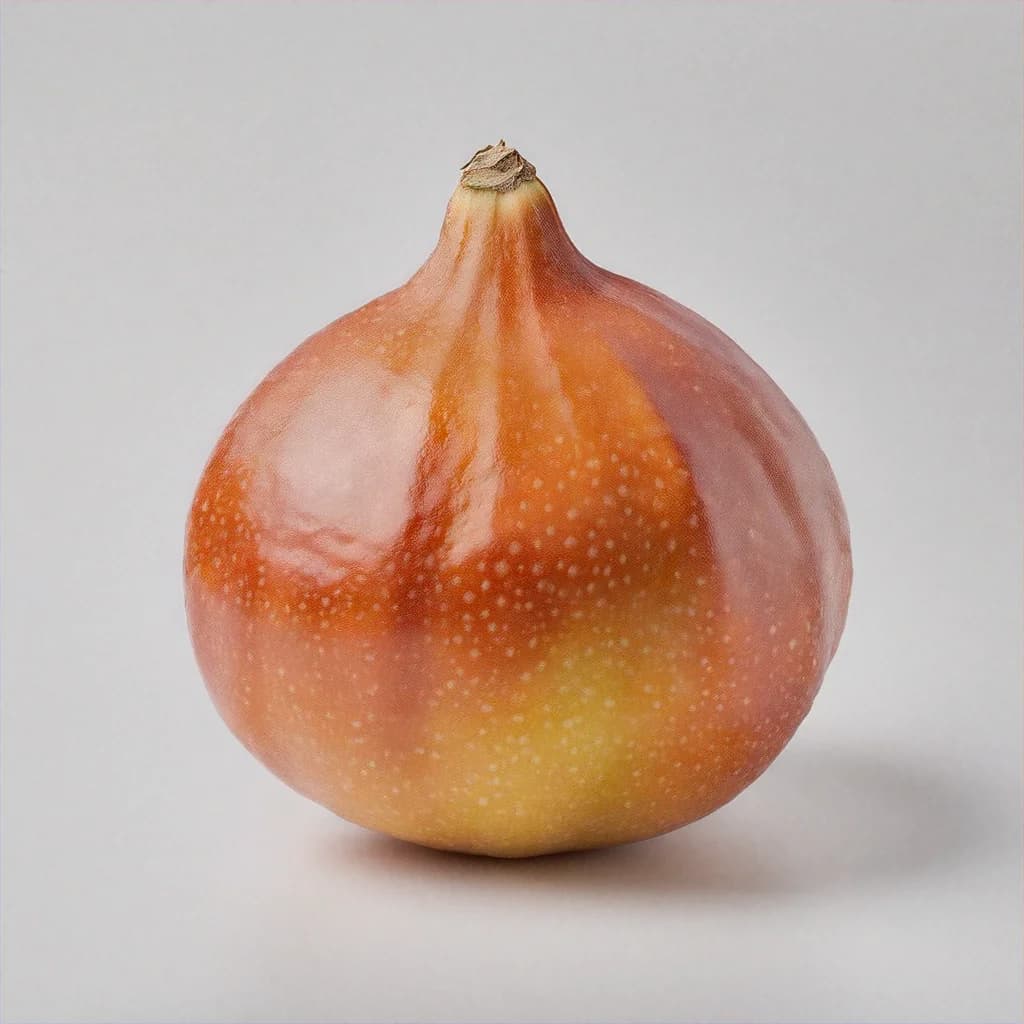
Terap, scientifically known as Artocarpus elasticus, is a tropical fruit native to Southeast Asia, particularly in regions like Malaysia and Indonesia. This lesser-known relative of the jackfruit and breadfruit is prized for its unique culinary applications and nutrient-rich profile. The terap fruit is characterized by its yellowish-brown, spiky exterior and vibrant orange flesh. Its taste is mildly sweet with a starchy texture, making it versatile for both sweet and savory dishes. Terap is celebrated not only for its culinary versatility but also for its potential health benefits, including its high fiber content, essential vitamins, and antioxidants. Whether eaten raw, cooked, or used in traditional desserts, terap is a hidden gem in the world of tropical fruits.
Terap फोटो गैलरी
Terap को शानदार विवरण में देखें
Terap - मुख्य दृश्य
Terap पोषण तथ्य
💊विटामिन
प्रति 100 ग्राम
⚡खनिज
प्रति 100 ग्राम
प्रति सर्विंग
एक सर्विंग का पोषण विवरण
Terap के स्वास्थ्य लाभ
Terap उत्पत्ति और वितरण
Southeast Asia
Terap has been cultivated in Southeast Asia for centuries, playing a significant role in traditional cuisine and cultural practices. Its durable wood and edible fruit have made it a valuable resource in indigenous communities.
Terap पीक सीज़न
June to August
Terap किस्में
हर किस्म का स्वाद, बनावट और उपयोग अलग होता है
Common Terap
Terap स्टोरेज और चयन गाइड
फलों को अधिक समय तक ताज़ा रखें
सही फल कैसे चुनें
Look for terap fruits with a firm, spiky exterior and no visible blemishes.
Choose fruits that feel heavy for their size, indicating ripeness.
सही स्टोरेज तरीके
Store unripe terap at room temperature until it softens slightly.
Ripe terap can be refrigerated to extend its shelf life.
शेल्फ लाइफ गाइड
फ्रीज़ करने के निर्देश
कई महीनों तक ताज़गी बनाए रखें
Peel and slice the terap flesh before freezing.
Store in an airtight container to preserve freshness.
प्रो टिप
ताज़गी ट्रैक करने के लिए जमे हुए आइटम पर तारीख लिखें। सही तरीके से फ्रीज़ करने पर अधिकांश फल 2-3 महीनों तक गुणवत्ता बनाए रखते हैं। फ्रीज़र बर्न से बचने के लिए एयरटाइट कंटेनर या फ्रीज़र बैग का उपयोग करें।
पाक यात्रा
स्वादिष्ट विकल्प खोजें
सामान्य उपयोग
परफेक्ट पेयरिंग
लोकप्रिय रेसिपी
ताज़ा पेय
सुरक्षा जानकारी
Individuals with latex allergies may experience reactions to terap due to its botanical relationship to latex-producing plants.
Terap is generally low in pesticide residues, but it is advisable to wash the fruit thoroughly before consumption.
- • People with latex allergies
- • Individuals with known sensitivities to tropical fruits
- •Possible allergic reactions in sensitive individuals
- •Mild gastrointestinal discomfort in some cases
- • Wear gloves when handling terap to avoid contact with the sticky latex sap.
- • Always wash the fruit thoroughly before cutting.
रोचक तथ्य Terap के बारे में
ऐसी बातें जो आपको पसंद आएंगी!
Terap is a close relative of the jackfruit and breadfruit.
The wood of the terap tree is highly valued for its durability and is often used in construction and furniture making.
अक्सर पूछे जाने वाले प्रश्न
What does terap taste like?
GeneralTerap has a mildly sweet flavor with a starchy texture, similar to a cross between jackfruit and breadfruit.
How do I know if a terap fruit is ripe?
BuyingA ripe terap will have a slightly softened exterior and a strong, sweet aroma.
Can terap be frozen?
StorageYes, terap can be peeled, sliced, and frozen for later use in recipes.
What are some popular terap recipes?
CulinaryTerap is commonly used in curries, stews, and traditional desserts like puddings.
Is terap a good source of fiber?
NutritionYes, terap is high in dietary fiber, which aids digestion and promotes gut health.
Does terap have any health risks?
HealthTerap is generally safe for most people, but individuals with latex allergies may experience reactions due to its close botanical relationship to latex-producing plants.
Where is terap commonly grown?
MiscellaneousTerap is native to Southeast Asia and is primarily cultivated in Malaysia, Indonesia, and Thailand.