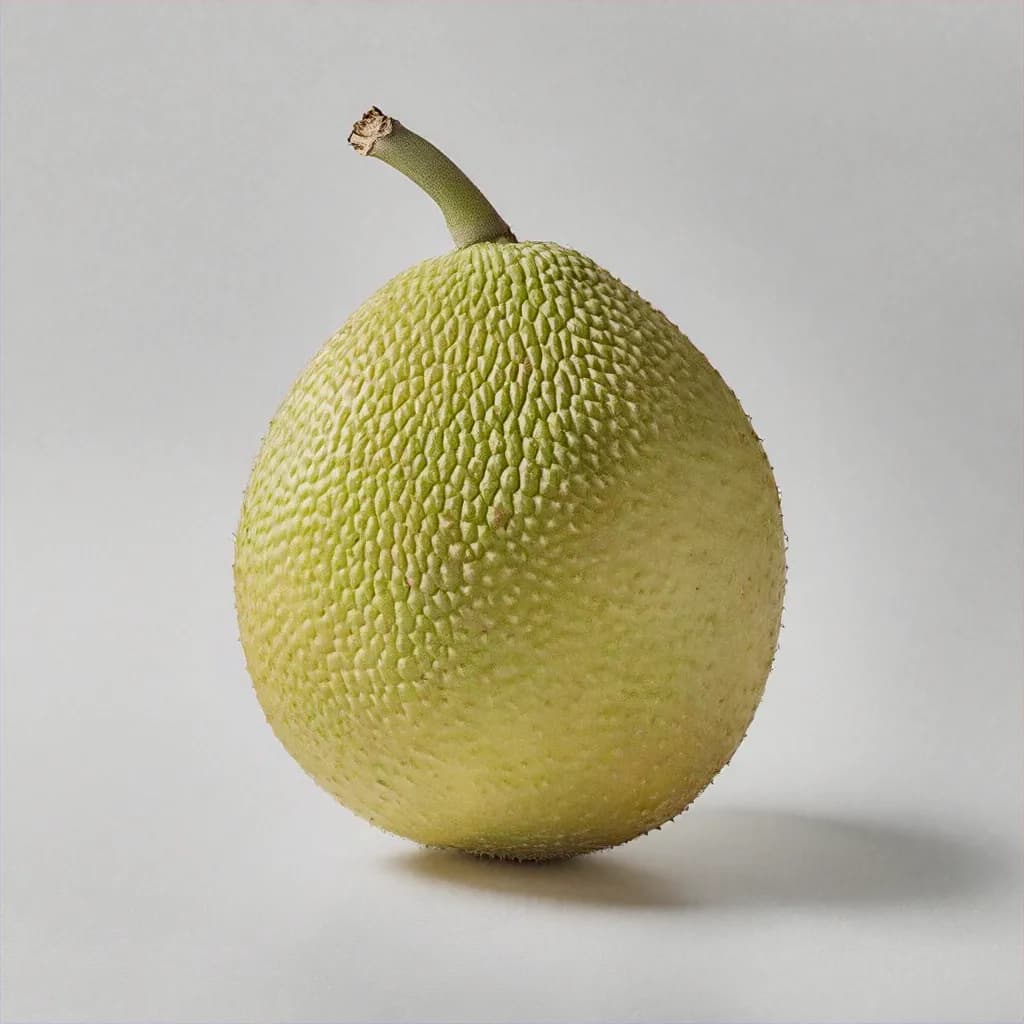
Lulo
Solanum quitoense
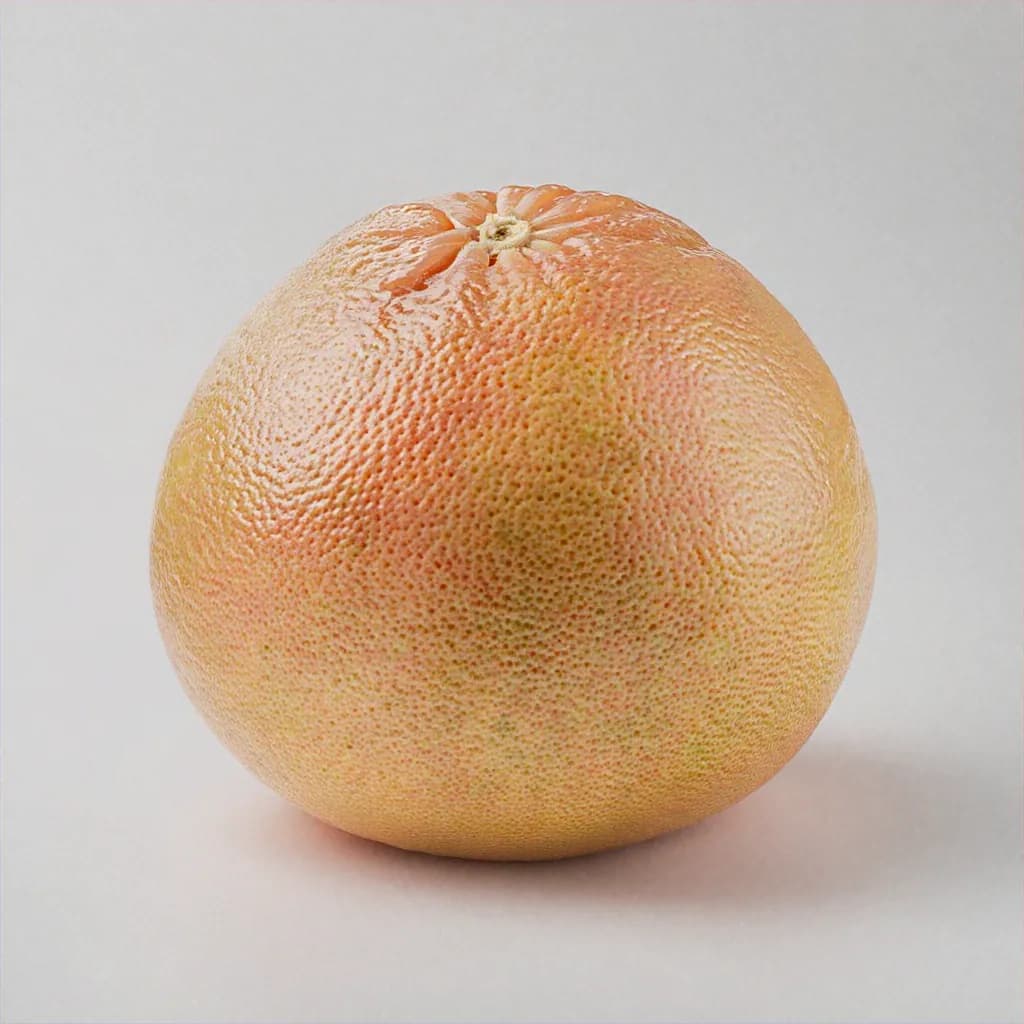
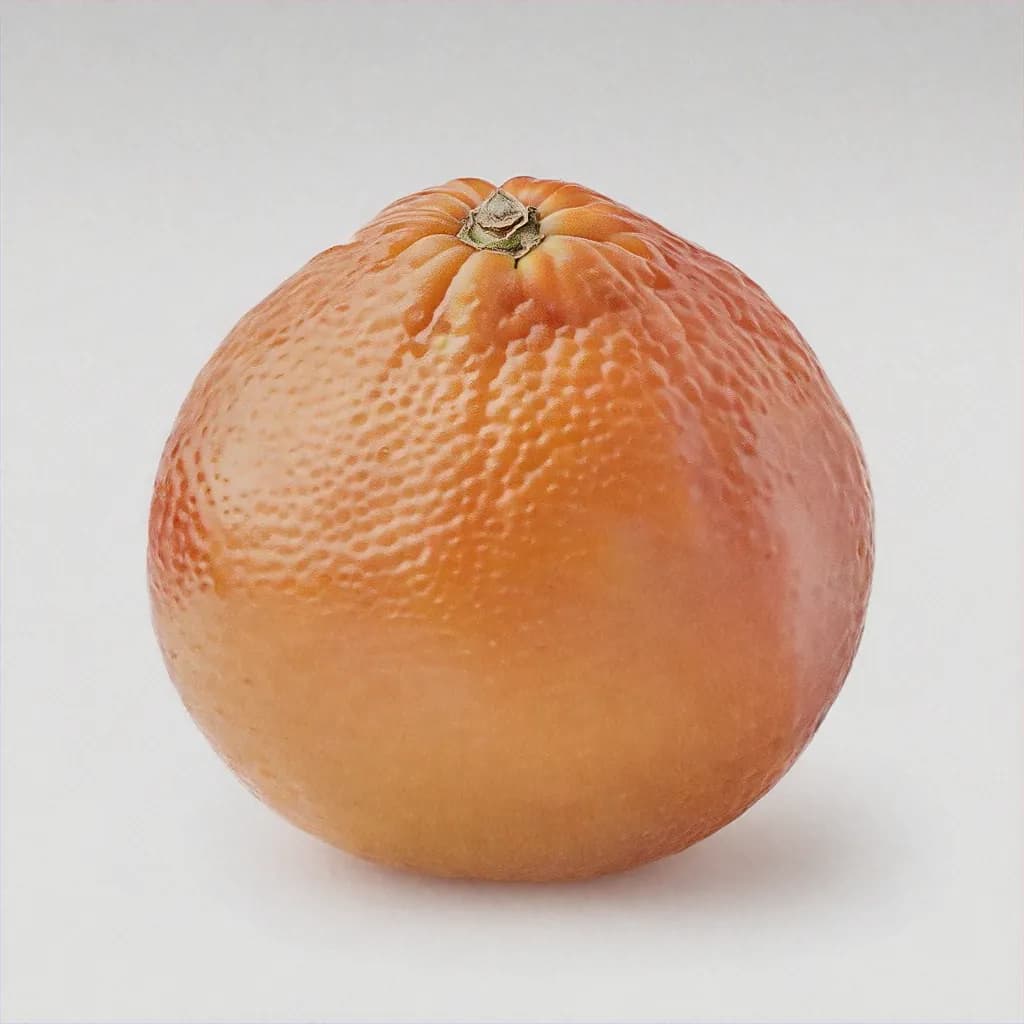
Lulo, scientifically known as Solanum quitoense, is a tropical fruit native to the Andean regions of South America, particularly Colombia and Ecuador. Often referred to as 'naranjilla' in Spanish-speaking countries, this vibrant fruit is celebrated for its unique tart and citrusy flavor, reminiscent of a blend between lime and rhubarb with subtle pineapple undertones. The lulo fruit is small, typically measuring 4 to 6 centimeters in diameter, with a bright orange or yellowish-green skin covered in fine, velvety hairs. When cut open, its juicy, translucent green pulp reveals numerous small, edible seeds that contribute to its slightly gritty yet refreshing texture. Lulo is not only a culinary delight but also a nutritional powerhouse, packed with vitamin C, vitamin A, potassium, and an array of antioxidants that support immune function, skin health, and digestive wellness. Its tangy flavor makes it a favorite in juices, desserts, and sauces, while its cultural significance in Andean cuisine underscores its importance as both a food and a medicinal plant.
Lulo फोटो गैलरी
Lulo को शानदार विवरण में देखें
Lulo - मुख्य दृश्य
Lulo पोषण तथ्य
💊विटामिन
प्रति 100 ग्राम
⚡खनिज
प्रति 100 ग्राम
प्रति सर्विंग
एक सर्विंग का पोषण विवरण
Lulo के स्वास्थ्य लाभ
Lulo उत्पत्ति और वितरण
Andean regions of South America, including Colombia, Ecuador, Peru, and parts of Central America
Lulo has been cultivated for centuries in the Andean regions of South America, where it holds cultural significance as both a food and medicinal plant. Indigenous communities, including the Inca and pre-Columbian cultures, valued lulo for its refreshing taste and health benefits. The fruit was traditionally consumed fresh, in juices, or as a natural remedy for digestive ailments. With the arrival of Spanish colonizers, lulo gained wider recognition and was introduced to other tropical regions, including Central America. Today, it remains a staple in Colombian and Ecuadorian cuisine, particularly in beverages like 'lulada,' a popular drink made from lulo pulp, water, and sugar. The fruit's unique flavor and nutritional profile have also sparked interest in international markets, though it remains relatively rare outside its native regions.
Lulo पीक सीज़न
Year-round in tropical climates, with peak production from June to September and December to February
Lulo किस्में
हर किस्म का स्वाद, बनावट और उपयोग अलग होता है
Quitoense
Septentrionale
Lulo स्टोरेज और चयन गाइड
फलों को अधिक समय तक ताज़ा रखें
सही फल कैसे चुनें
Look for lulo fruits that are firm to the touch, with a bright orange or yellowish-green color. Avoid fruits with dull, wrinkled, or blemished skin, as these may be overripe or spoiled.
Gently press the fruit to check for softness. A ripe lulo should yield slightly under pressure but not feel mushy. Overly soft fruits may be past their prime.
Smell the stem end of the fruit. A ripe lulo will have a sweet, citrusy aroma. If there is no scent or a sour smell, the fruit may not be fully ripe or could be spoiled.
Check for fine, velvety hairs on the skin. These are natural and indicate freshness. If the hairs are missing or the skin feels smooth, the fruit may have been handled roughly or stored improperly.
Avoid fruits with visible mold, dark spots, or signs of insect damage. These can indicate spoilage or poor quality.
If possible, choose lulo fruits that are slightly underripe if you plan to store them for a few days, as they will continue to ripen at room temperature.
सही स्टोरेज तरीके
Store unripe lulo fruits at room temperature (around 20°C or 68°F) until they ripen. This process usually takes 2-3 days. Keep them away from direct sunlight to prevent uneven ripening.
Once ripe, transfer lulo fruits to the refrigerator to slow down further ripening. Place them in a perforated plastic bag or a loosely covered container to maintain humidity while allowing air circulation. Ripe lulo can last up to 5-7 days in the fridge.
For longer storage, consider freezing lulo pulp. Scoop out the pulp, remove seeds if desired, and store in airtight containers or freezer bags. Frozen lulo pulp can last up to 6 months without significant loss of flavor or nutrients.
Avoid washing lulo fruits until you are ready to use them, as excess moisture can promote mold growth and spoilage.
शेल्फ लाइफ गाइड
फ्रीज़ करने के निर्देश
कई महीनों तक ताज़गी बनाए रखें
Wash and dry the lulo fruits thoroughly before freezing. Cut them in half and scoop out the pulp, removing seeds if desired for smoother textures in recipes.
Spread the pulp in a single layer on a baking sheet lined with parchment paper and freeze for 1-2 hours. This prevents the pulp from clumping together, making it easier to portion later.
Transfer the frozen pulp to airtight containers or freezer bags, leaving about 1 inch of headspace to allow for expansion. Label the containers with the date to keep track of storage time.
प्रो टिप
ताज़गी ट्रैक करने के लिए जमे हुए आइटम पर तारीख लिखें। सही तरीके से फ्रीज़ करने पर अधिकांश फल 2-3 महीनों तक गुणवत्ता बनाए रखते हैं। फ्रीज़र बर्न से बचने के लिए एयरटाइट कंटेनर या फ्रीज़र बैग का उपयोग करें।
पाक यात्रा
स्वादिष्ट विकल्प खोजें
सामान्य उपयोग
परफेक्ट पेयरिंग
लोकप्रिय रेसिपी
ताज़ा पेय
सुरक्षा जानकारी
Lulo is not commonly associated with allergies, but individuals with sensitivities to other members of the Solanaceae family (such as tomatoes, eggplants, or peppers) may experience mild allergic reactions. Symptoms could include itching, swelling, or digestive discomfort. If you have known allergies to nightshade plants, consult a healthcare provider before consuming lulo.
Lulo is not commonly listed on the Environmental Working Group's (EWG) 'Dirty Dozen' list, but pesticide residues can still be a concern, especially in conventionally grown fruits. To minimize exposure, choose organic lulo when possible, or thoroughly wash and peel the fruit before consumption. If you are concerned about pesticides, consider growing lulo at home or sourcing it from trusted organic producers.
- • Individuals with known allergies to nightshade plants (e.g., tomatoes, eggplants, peppers)
- • People with kidney stones or a history of oxalate-related issues, as lulo contains small amounts of oxalates
- • Those with gastroesophageal reflux disease (GERD) or acid sensitivity, as lulo's tartness may exacerbate symptoms
- •Excessive consumption of lulo may cause digestive discomfort, such as bloating or diarrhea, due to its high acidity and fiber content.
- •The tartness of lulo can erode tooth enamel over time if consumed in large quantities without proper oral hygiene.
- •Some individuals may experience mild allergic reactions, such as itching or swelling, particularly if they have sensitivities to nightshade plants.
- • Always wash lulo fruits thoroughly under running water to remove dirt, bacteria, or pesticide residues before cutting or consuming.
- • Use clean utensils and cutting boards to prevent cross-contamination, especially when preparing lulo with other ingredients.
- • If you are sensitive to tart flavors or have acid reflux, consider balancing lulo with sweeteners like honey or sugar to reduce its acidity.
- • Avoid consuming lulo seeds if you have a history of digestive issues, as they may cause discomfort in some individuals.
रोचक तथ्य Lulo के बारे में
ऐसी बातें जो आपको पसंद आएंगी!
Lulo is sometimes called the 'gold of the Andes' due to its cultural and economic importance in Colombia and Ecuador, where it is a staple in traditional cuisine and beverages.
The fine, velvety hairs on lulo's skin are a natural defense mechanism against pests and environmental stressors, helping the fruit retain moisture and protect itself from damage.
Lulo is one of the few fruits that is rarely eaten fresh due to its tartness. Instead, it is almost always processed into juices, desserts, or sauces to balance its flavor.
In Colombia, lulo is traditionally used to make 'lulada,' a popular drink that is often served at social gatherings, festivals, and family meals. It is sometimes called the 'national drink' of Colombia.
Lulo plants are sensitive to frost and thrive in tropical, high-altitude climates. They are typically grown at elevations between 1,200 and 2,500 meters above sea level, where the cooler temperatures enhance their flavor.
The seeds of lulo are edible and add a slight crunch to the fruit's pulp. However, they are often strained out in juices or sauces to achieve a smoother texture.
Lulo is a close relative of the tomato and eggplant, but its flavor profile is more similar to citrus fruits like lime or passion fruit, making it a unique addition to the nightshade family.
In traditional Andean medicine, lulo was used to treat digestive ailments, skin conditions, and even as a natural remedy for colds and flu due to its high vitamin C content.
अक्सर पूछे जाने वाले प्रश्न
What does lulo fruit taste like?
GeneralLulo fruit has a unique tart and citrusy flavor, often described as a blend between lime, rhubarb, and pineapple. Its taste is refreshing and slightly sour, with a hint of tropical sweetness when fully ripe. The pulp is juicy and slightly gritty due to the small seeds, which are edible and add texture. The flavor profile makes lulo a popular choice for juices, desserts, and sauces, where its tartness can be balanced with sweeteners like sugar or honey. Some people also detect subtle floral or herbal notes, depending on the variety and ripeness of the fruit.
How do you eat lulo fruit?
PreparationLulo fruit is rarely eaten fresh due to its tartness, but it can be enjoyed in several ways. The most common method is to cut the fruit in half and scoop out the pulp with a spoon, discarding the skin. The pulp can then be blended into juices, smoothies, or sauces. For a smoother texture, strain the pulp to remove the seeds. Lulo is also used in desserts like sorbets, ice creams, and jams, where its tartness is balanced with sweeteners. In Colombian cuisine, lulo is often made into 'lulada,' a popular drink made by blending the pulp with water and sugar. Additionally, lulo pulp can be cooked into sauces for meats, seafood, or vegetables, adding a tangy, citrusy flavor.
Is lulo the same as naranjilla?
GeneralYes, lulo and naranjilla refer to the same fruit, Solanum quitoense. The name 'naranjilla' is the Spanish term for lulo and translates to 'little orange,' referencing the fruit's orange-like appearance when ripe. In Colombia, the fruit is commonly called 'lulo,' while in Ecuador and other Spanish-speaking countries, it is known as 'naranjilla.' The fruit is also sometimes called 'quito tomato' due to its tomato-like appearance, though it is not botanically related to tomatoes. Regardless of the name, the fruit's unique tart flavor and nutritional benefits remain the same.
What are the health benefits of lulo?
HealthLulo is a nutritional powerhouse, offering a wide range of health benefits due to its rich content of vitamins, minerals, and antioxidants. A 100g serving provides 33% of the Daily Value for vitamin C, which supports immune function, collagen production, and skin health. Lulo is also a good source of potassium (4% DV), which helps regulate blood pressure and muscle contractions. Its antioxidants, including chlorogenic acid, quercetin, and kaempferol, combat oxidative stress, reduce inflammation, and may lower the risk of chronic diseases like heart disease and diabetes. Additionally, lulo's dietary fiber (4% DV) supports digestion and promotes satiety, making it a great choice for weight management. The fruit also contains small amounts of vitamin A, magnesium, and iron, contributing to eye health, energy metabolism, and red blood cell production.
Can you freeze lulo fruit?
PreparationYes, lulo fruit can be frozen to extend its shelf life and preserve its flavor and nutrients. To freeze lulo, start by washing and drying the fruits thoroughly. Cut them in half and scoop out the pulp, removing the seeds if desired for a smoother texture in recipes. Spread the pulp in a single layer on a baking sheet lined with parchment paper and freeze for 1-2 hours to prevent clumping. Once frozen, transfer the pulp to airtight containers or freezer bags, leaving about 1 inch of headspace to allow for expansion. Label the containers with the date, as frozen lulo pulp can last up to 6 months. Frozen lulo pulp is ideal for use in smoothies, sauces, desserts, or beverages, where its tart flavor can be balanced with sweeteners or other ingredients.
Is lulo related to tomatoes or eggplants?
ScienceYes, lulo (Solanum quitoense) is botanically related to tomatoes (Solanum lycopersicum) and eggplants (Solanum melongena), as all three belong to the Solanaceae family, commonly known as the nightshade family. This family includes many economically important plants, such as potatoes, peppers, and tobacco. While lulo shares a taxonomic family with tomatoes and eggplants, it is not the same species and has distinct characteristics. For example, lulo fruits are smaller, tart, and covered in fine hairs, whereas tomatoes are typically sweet or savory and smooth-skinned. Despite these differences, the genetic relationship means that lulo, tomatoes, and eggplants share some similarities in growth habits and cultivation requirements, such as preferring warm climates and well-drained soil.
Can lulo help with weight loss?
HealthYes, lulo can be a beneficial addition to a weight loss diet due to its low calorie content, high water content, and dietary fiber. A 100g serving of lulo contains only 25 calories, making it a low-energy-density food that can help reduce overall calorie intake. Its high water content (91%) promotes hydration and a feeling of fullness, which can curb overeating. Additionally, lulo provides 1.1g of dietary fiber per 100g (4% DV), which slows digestion, stabilizes blood sugar levels, and promotes satiety. The tart flavor of lulo can also help satisfy cravings for sweet or tangy foods, reducing the likelihood of reaching for high-calorie snacks. To maximize its weight loss benefits, incorporate lulo into smoothies, juices, or salads, and pair it with other low-calorie, nutrient-dense foods for a balanced diet.
What are the best ways to use lulo in cooking?
PreparationLulo's tart, citrusy flavor makes it a versatile ingredient in both sweet and savory dishes. For beverages, blend lulo pulp with water, sugar, or honey to make refreshing juices, smoothies, or cocktails. In desserts, use lulo in sorbets, ice creams, or popsicles for a tangy twist, or incorporate it into jams, tarts, or cheesecakes. For savory dishes, cook lulo pulp with sugar, spices, and chili to create a sweet-tangy sauce for meats, seafood, or grilled vegetables. Lulo also works well in salad dressings, chutneys, or marinades, where its acidity can balance rich or fatty ingredients. Additionally, lulo can be used as a garnish for cocktails, desserts, or savory dishes to add a pop of color and flavor. Its unique taste pairs well with ingredients like honey, ginger, chili, mint, and tropical fruits, making it a great addition to a variety of recipes.